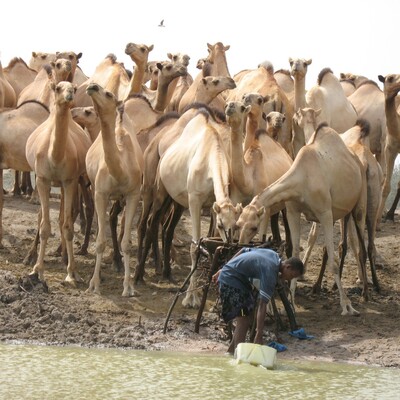

According to the Ministry of Livestock and Fisheries, Tanzania’s cattle herd has grown from 9 to 40 million in just six decades yet the rangelands sustaining them have remained the same size. Measuring roughly 947,000 square kilometers, rangelands supply close to 90% of the country’s livestock feed.
At the same time, climate change, invasive plant species, and intensifying competition for land erode are steadily reducing the productivity of grazing areas. The pressure is already affecting livestock production systems, pastoral livelihoods, and access to grazing and water resources in many parts of the country. For example, in the droughts of 2021–2022 over 92,000 livestock (mainly cattle, sheep, and goats) died due to a lack of water and pasture in Simanjiro, a semi-arid pastoral district in northern Tanzania. Frequent droughts are affecting livestock production, and hence food security and livelihoods.
Without a strong base of applied research to guide how these lands are managed, governed, and restored, much needed improvements in productivity, trade, and livelihoods will remain out of reach. If rangelands are well-managed, biomass production will increase, which in turn will reduce animal feed insecurity.
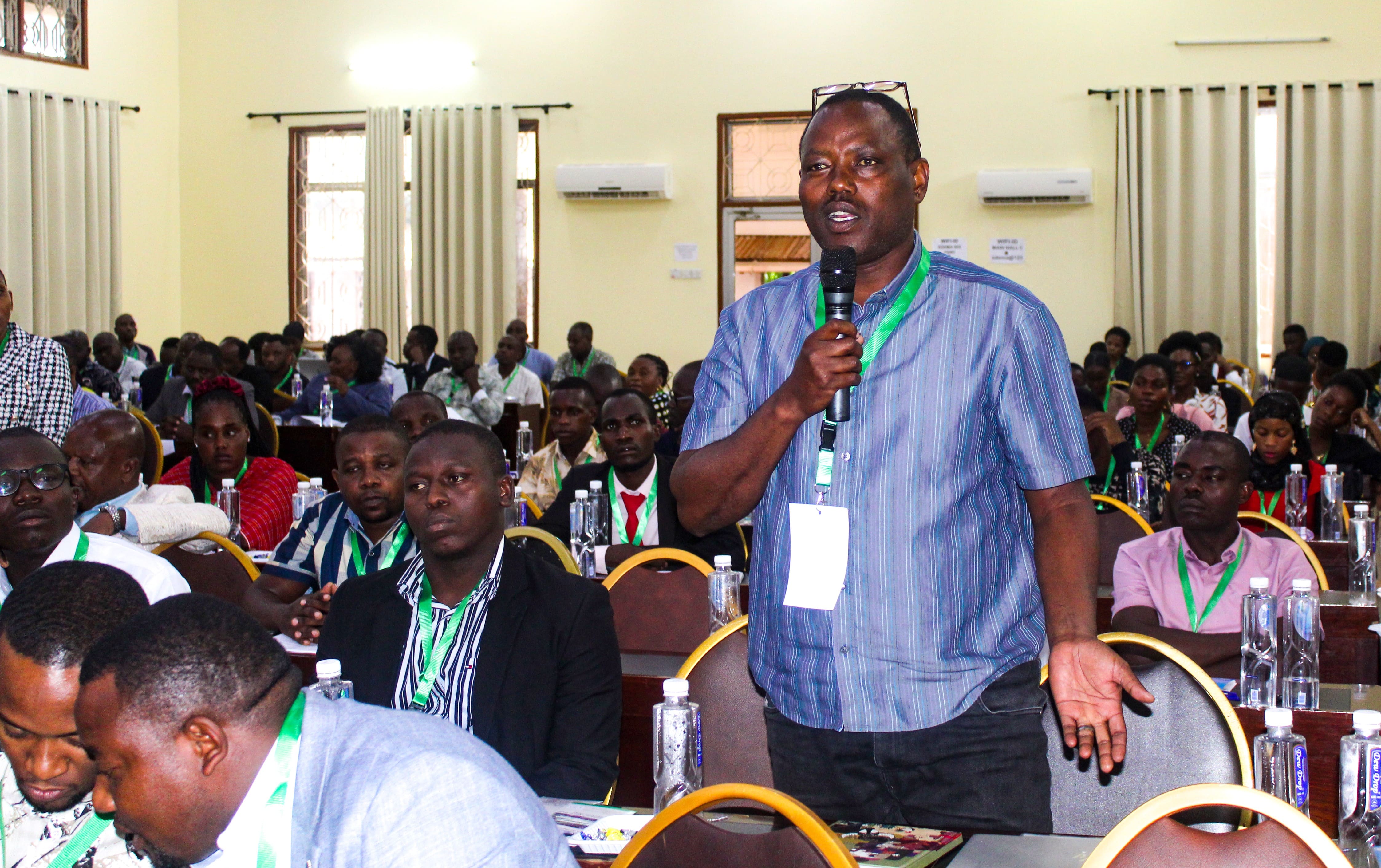
This imperative was the basis of a workshop hosted by the Rangeland Society of Tanzania (RST) in Morogoro on 29–30 April 2026. Scientists, policymakers, development and pastoralists to discuss how research and evidence can better support sustainable rangeland management, strengthen livestock production, and guide implementation of Tanzania’s livestock development priorities.
With a membership of approximately 230 individuals, RST works with government institutions, research organizations, development partners, and pastoralists to promote sustainable rangeland management and strengthen livestock production systems. Workshop participants included representatives from the International Livestock Research Institute, the Ministry of Livestock and Fisheries, Sokoine University of Agriculture, Ngorongoro Conservation Authority, non-government organizations and the private sector.
Livestock and fisheries minister Bashiru Ally emphasized the urgency of modernizing the sector to unlock greater trade opportunities locally and internationally. He identified six priority areas: strengthening leadership and management, improving animal nutrition, strengthening animal health services, increasing the impact of development projects, adopting of modern technologies and infrastructure, and attracting investment.
“My aspiration is to see this society become a guiding light, especially in the implementation of the 2025–2050 development strategy. We must strengthen discipline and accountability to improve the livestock sector, including improving livelihoods,” said Ally.