From scapegoat to solution: How evidence-based advocacy changed the livestock story
A decade ago, whenever livestock appeared in global media, the angles were mostly negative. The reports emphasized the sector’s contribution to greenhouse gas emissions and lifestyle diseases, and made sweeping assumptions based on the industrial farming practices and meat-consumption rates prevalent in the Global North. In international fora like the UN climate conferences, activists called for the end of meat.
But ILRI researchers working on the ground in Africa and Asia knew the real story was much more nuanced. Some people eat too much animal-sourced foods; others eat too little. In many lower and middle-income countries, livestock are a crucial source of livelihood and identity for smallholder farmers and nomadic pastoralists. They serve as dowries, bank accounts, and insurance policies, and provide nutrient-rich milk, meat, and eggs for millions of families that don’t have access to other sources of protein.
“Livestock was seen as a baddie,” said ILRI director of communications and advocacy Michael Victor. “There was a very binary discourse.” So starting in 2016, ILRI conceived an advocacy initiative aiming to change the narrative about livestock, increase development investment in the sector, drive adoption of key innovations, and bridge the gaps between farmers, scientists, and policymakers.
This was an iterative, nimble set of activities that became collectively known as the Global Sustainable Livestock Advocacy for Development (GLAD) project, Victor said.
In the effort’s earliest iteration, the focus was assembling and articulating the scientific evidence to underscore the importance of livestock and add that missing nuance—for instance, that people in the Global South consume a fraction of the meat that people in wealthy countries do, that owning animals can be a vehicle for women’s economic empowerment, or that while livestock accounts for half of the economic income from agriculture, it gets just 4% of the development funding.
Between 2016 and 2025, the GLAD team enabled the syndication of 3,000 media articles on these and other topics, including 20 opinion pieces by ILRI scientists or partners in global outlets like The Guardian, the Financial Times, the Los Angeles Times, and Al Jazeera, among others. Over the same period, the team was involved in organizing 95 events, and met with national delegations from 23 countries, 9 UN agencies, and 10 international organizations, including the African Union and the World Farmers’ Organisation.
Any changes in the global discourse about livestock are difficult to attribute to a singular project, but a media audit commissioned by ILRI found that by 2023, media coverage of livestock had evolved to become more nuanced, with more neutral and positive stories.
One of the most notable outcomes came in 2019, when the EAT-Lancet Commission released a seminal report on a “planetary health diet”, said Victor. The report was critized for encouraging everyone to transition to plant-based diets, without taking into account the health needs of people of different ages and genders, or the cultures and needs of those in the developing world.
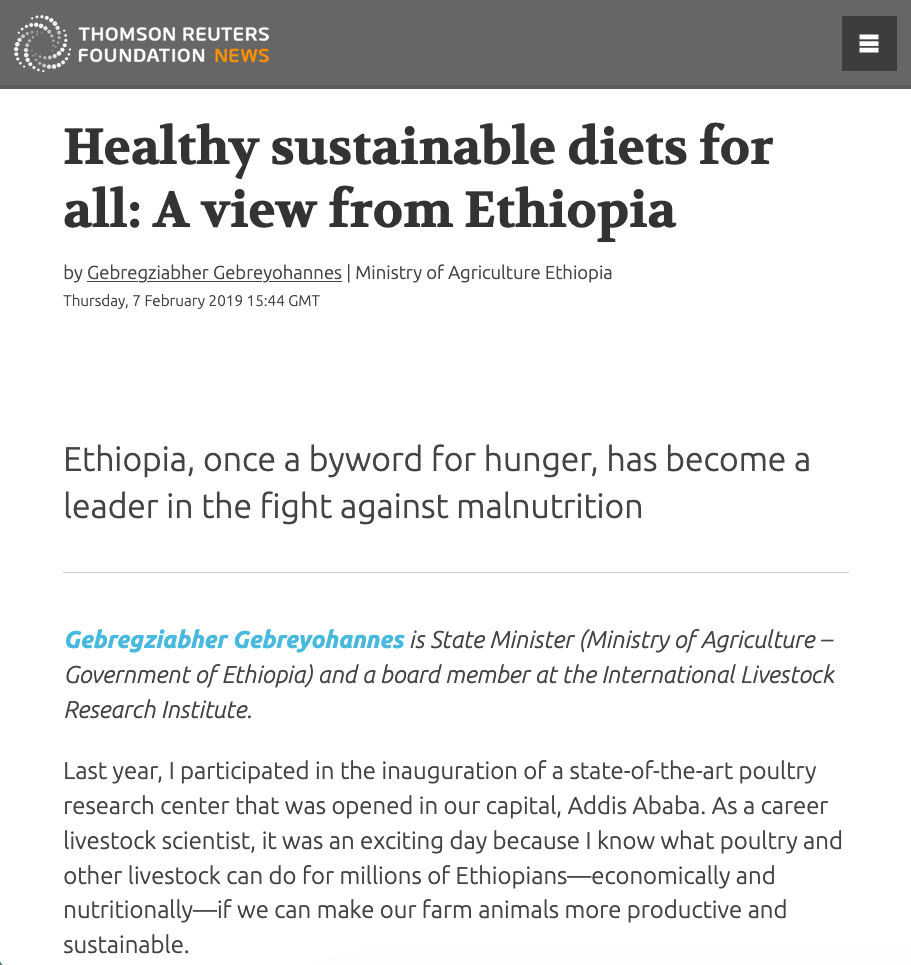
In response, ILRI synthesized scientific evidence and supported the publication of a number of opinion pieces that provided an alternative perspective—for instance, that in Ethiopia, moderate increases in milk and meat consumption are necessary for the country to combat malnutrition and child stunting. The message landed—for instance, the Italian ambassador to the UN quoted an opinion piece by then ILRI board member Gebre Gebreyohannes that highlighted the shortcomings of the EAT-Lancet report. Shortly afterwards, the UN World Health Organization pulled its support for the initiative.
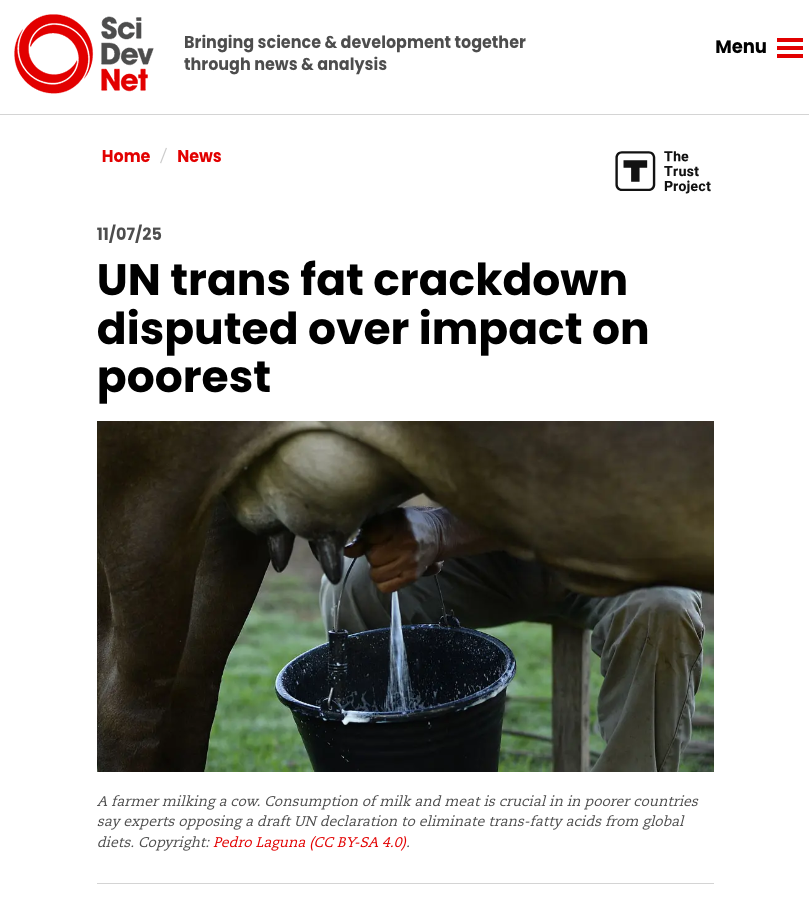
Similarly, in 2025, the UN drafted a Declaration on Non-Communicable Diseases which aimed to eliminate trans-fatty acids from diets—a directive which could have inadvertently denied the world’s poorest people the nutritional benefits of milk and meat. ILRI launched a campaign to point this out, including an open letter to UN negotiators from 115 high-profile signatories—and those recommendations were reflected in the final declaration passed in December.
From adversaries to allies
Early on, the ILRI team sought out relationships with people in organizations on the other side of the narrative divide—plant-based food advocates and animal-rights groups like Pro Veg International and Four Paws. Through frank and open conversations, they found common ground, and began holding events together.
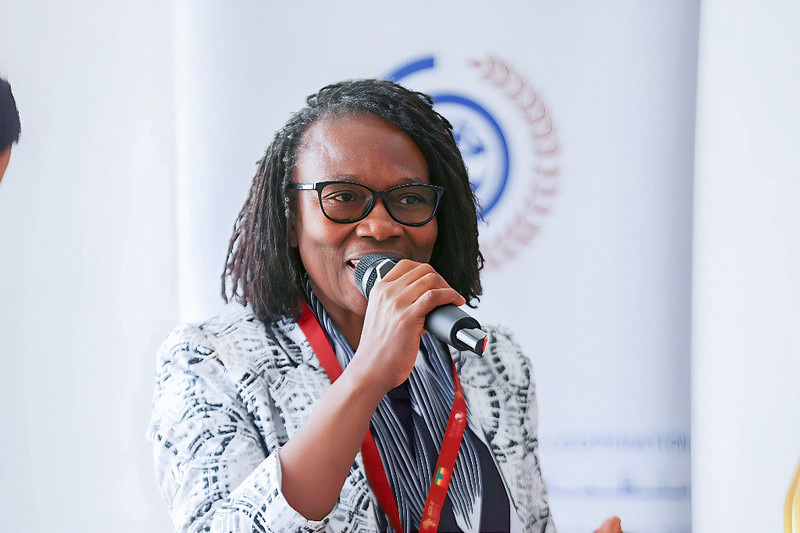
“They started inviting us into their spaces,” said Cynthia Mugo, ILRI’s advocacy lead from 2020 to 2026. The team also forged alliances with other organizations to help bring livestock into wider discussions about climate or agriculture, and enlisted the support of 15 prominent development leaders to advocate for livestock.
“What I've seen work in this space is constant presence,” Mugo said. “The minute you're not at the table, your issue is off. You have to put it in their face. You have to talk to the people who matter. It doesn't matter if you're doing at the global or national level, you need to figure out who are the allies, and who is listened to.”
For instance, an advocacy organization like Pro Veg explaining the nuances of the livestock system to their audience is much more effective than ILRI delivering that message, she said. “It has to be someone credible—people who enter rooms that we are not seated in.” If an agenda is seen as self-promotional, it is likely to be ignored, she added. ILRI has explicitly tried to put forward many other groups and voices—even providing extensive training on how to present to the UN or submit policy papers. “It wasn’t all about positioning ILRI,” Mugo said. “The message was the priority.”
The initiative has strengthened the connective tissue between livestock keepers, researchers, and policymakers, said Robynne Anderson, the president of the consulting firm Emerging Ag, which has worked closely with ILRI on the GLAD project.
“For both farmers and scientists, it's very easy to be busy in the purposefulness of that work and to think that the outside policy sphere is the purview of politicians and diplomats and bureaucrats,” she said. “But the story of livestock needs to be told in places of power, and when it is, the result is much more thoughtful policy.”
A changing world
When these activities began, there was some unease among ILRI scientists about whether a research organization should be doing advocacy. “It’s still an ongoing debate, but we’ve really changed ILRI in that sense,” said Victor. The wider organization has acknowledged that producing good research is not sufficient to make change—and that communicating that research to the right people, influencing policy, and catalysing investment is necessary, too. “It’s very much now embedded in how we work,” said Victor.
ILRI’s innovative methods have been noticed by other organizations, too. Birthe Paul, who leads the GIZ Catalyzing Transformation towards Sustainable Livestock Systems (LiveSys) program, said the development organization has now adopted ILRI’s strategic approach to advocacy.
“We liked what we saw. The global and continental advocacy work is well done and the whole thinking around messaging and engagement seems kind of unique.”
The team is also constantly iterating and evolving, said Victor. Ten years on, the project is still at the cutting edge of strategic advocacy for change. In its next phase, the project will focus on increasing the impact of ILRI’s technical innovations—in livestock vaccines, dairy genetics, and drought-tolerant more nutritious forages—to understand the political economy within which they operate and test how advocacy approaches can help them scale.
Developing a new technology is just the first step, Victor said.
“Technologies are not going to scale on their own. We need to understand the social and institutional barriers to change, and then find the right entry points that will unlock those barriers. It’s really about changing systems.”