ILRI corporate report 2026: Advancing Sustainable Livestock - explore now

Secondary navigation

  • Search
  • Microsites

Main navigation

  • About
    • Overview
    • People
    • Supporters
  • Research
    • Themes
      • Health
      • Livestock, Genetics, Nutrition, and Feed Resources
      • People, Policies, and Institutions
      • Livestock, Climate, and Environment
      • Innovations scaling and impact
    • Projects
    • Capacity development
    • Research support
      • Research compliance
      • Communication and knowledge management
      • Intellectual property and legal unit
      • Data and research methods
    • ILRI Hubs
      • BecA-ILRI Hub
      • Livestock and climate solutions hub
    • Facilities
      • Centre for tropical livestock genetics and health
      • ILRI Genebank
      • Kapiti research station
      • Mazingira centre
      • One health centre
      • Poultry facility
      • The CGIAR AMR hub
      • Tick unit
      • Bioscience facility
      • Genomics platform
      • ILRI-Hyderabad livestock research facilities
  • Where we work
    • Eastern and southern africa
      • Kenya
      • Ethiopia
      • Tanzania
      • Uganda
      • Zimbabwe
      • Burundi
    • West Africa
      • Burkina Faso
      • Mali
      • Nigeria
      • Senegal
    • Asia
      • India
      • Nepal
      • Vietnam
    • Explore our work in the countries
  • News & Events
    • News
    • Events
    • ILRI in the media
  • Knowledge
    • Outputs
      • Publications
      • Journal articles
      • Presentations
      • Infographics
      • Browse archive
    • Data
      • Datasets
      • Apps
    • Multimedia
      • Videos
      • Podcasts
      • Stories
  • Join Us
    • Careers
    • Subscribe
International Livestock Research Institute
  • Overview
  • People
  • Supporters
  • Themes
    • Health
    • Livestock, Genetics, Nutrition, and Feed Resources
    • People, Policies, and Institutions
    • Livestock, Climate, and Environment
    • Innovations scaling and impact
  • Projects
  • Capacity development
  • Research support
    • Research compliance
    • Communication and knowledge management
    • Intellectual property and legal unit
    • Data and research methods
  • ILRI Hubs
    • BecA-ILRI Hub
    • Livestock and climate solutions hub
  • Facilities
    • Centre for tropical livestock genetics and health
    • ILRI Genebank
    • Kapiti research station
    • Mazingira centre
    • One health centre
    • Poultry facility
    • The CGIAR AMR hub
    • Tick unit
    • Bioscience facility
    • Genomics platform
    • ILRI-Hyderabad livestock research facilities
Mazingira centre

ACTIVE Jan 2028

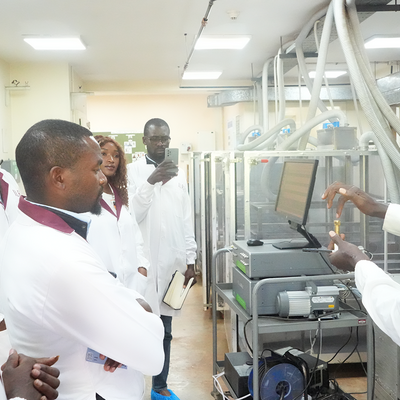
Africa–Asia Bioscience Challenge Fund (AABCF)- Building the next generation of bioscience leaders

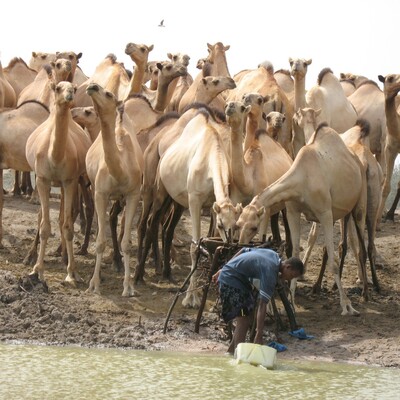
Camels drinking at a water pan in Wajir County, Kenya

ACTIVE Feb 2028

Emerging public health threats in Africa’s drylands

  • Eastern and southern africa
    • Kenya
    • Ethiopia
    • Tanzania
    • Uganda
    • Zimbabwe
    • Burundi
  • West Africa
    • Burkina Faso
    • Mali
    • Nigeria
    • Senegal
  • Asia
    • India
    • Nepal
    • Vietnam
  • Explore our work in the countries
  • News
  • Events
  • ILRI in the media
rangelands_web.pdf.jpg
2026

Rangelands Rising: Investing in Sustainable Management and Restoration

  • Wane, Abdrahmane
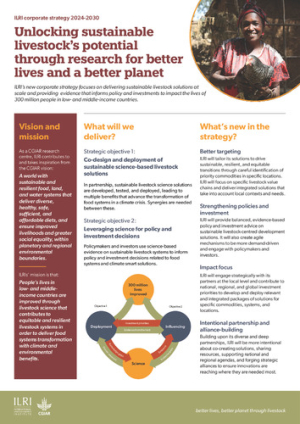
two_pager_ strategy.pdf.jpg
2024

Unlocking sustainable livestock’s potential through research for better lives and a better planet: ILRI Corporate Strategy 2024–2030

  • International Livestock Research Institute
  • Outputs
    • Publications
    • Journal articles
    • Presentations
    • Infographics
    • Browse archive
  • Data
    • Datasets
    • Apps
  • Multimedia
    • Videos
    • Podcasts
    • Stories
  • Careers
  • Subscribe

Main navigation

  • About
    • Overview
    • People
    • Supporters
  • Research
    • Themes
      • Health
      • Livestock, Genetics, Nutrition, and Feed Resources
      • People, Policies, and Institutions
      • Livestock, Climate, and Environment
      • Innovations scaling and impact
    • Projects
    • Capacity development
    • Research support
      • Research compliance
      • Communication and knowledge management
      • Intellectual property and legal unit
      • Data and research methods
    • ILRI Hubs
      • BecA-ILRI Hub
      • Livestock and climate solutions hub
    • Facilities
      • Centre for tropical livestock genetics and health
      • ILRI Genebank
      • Kapiti research station
      • Mazingira centre
      • One health centre
      • Poultry facility
      • The CGIAR AMR hub
      • Tick unit
      • Bioscience facility
      • Genomics platform
      • ILRI-Hyderabad livestock research facilities
  • Where we work
    • Eastern and southern africa
      • Kenya
      • Ethiopia
      • Tanzania
      • Uganda
      • Zimbabwe
      • Burundi
    • West Africa
      • Burkina Faso
      • Mali
      • Nigeria
      • Senegal
    • Asia
      • India
      • Nepal
      • Vietnam
    • Explore our work in the countries
  • News & Events
    • News
    • Events
    • ILRI in the media
  • Knowledge
    • Outputs
      • Publications
      • Journal articles
      • Presentations
      • Infographics
      • Browse archive
    • Data
      • Datasets
      • Apps
    • Multimedia
      • Videos
      • Podcasts
      • Stories
  • Join Us
    • Careers
    • Subscribe

Secondary navigation

  • Search
  • Microsites
  1. Home
  2. News & Events
  3. News

Why Root Crops?

Posted on04 August, 2016
by
  • Muthoni Njiru

CIP StoryIf you want to read the story full screen click here.

CIP Source: Feed the Future – Kenya Accelerated Value Chain Development Program
You may also like

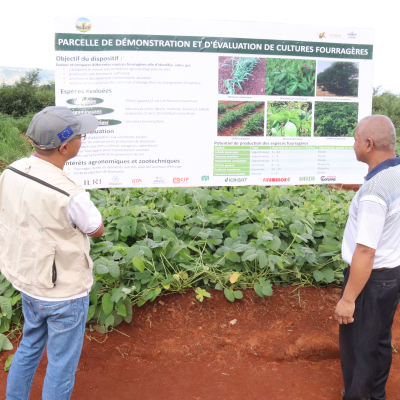
Mucuna gains ground as a dual solution for forage availability and soil fertility in Madagascar

ILRI News

Mucuna gains ground as a dual solution for forage availability and soil fertility in Madagascar

Nandi Potato Cooperative driving potato to an enterprising commercial crop in Nandi County

malt barley crop

Quality barley seeds and linkages with breweries unlock better incomes for Ethiopian farmers

New drought-tolerant varieties rekindle hopes of food security in drought-prone Makueni County

wheat field day

Ethiopia partners apply digital solutions in on-farm experiments

The budding seed potato production business in Taita Taveta County

Taita Taveta farmers make a fortune from drought-tolerant crops

Related Publications

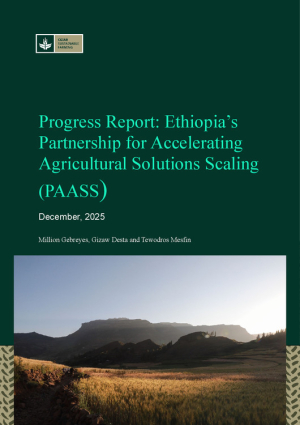
Progress_report_PAASS.pdf.jpg
2026

Progress Report: Ethiopia’s Partnership for Accelerating Agricultural Solutions Scaling (PAASS)

  • Gebreyes, Million
BMC Genomics.jpg
2026

Genome-wide association study of pre-indicative agronomic traits affecting malt quality in Ethiopian barley (Hordeum vulgare L.) germplasm

  • Babiye, B.
ILRI publication cover
2026

Critical soil moisture thresholds for evapotranspiration in rainfed semi-arid maize in Kenya

  • Rasanen, M.
ILRI publication cover
2026

Evidence-Informed, Locally Led: Advancing Seed Sector Legislative Reform in Kenya

  • Ojwang, Sylvester
Ag Syst.jpg
2026

The influence of market access on grain legume adoption and intensity in African small-holder households

  • Barnes, A.P.
Sci Reports.png
2026

Multi-locus genome-wide association mapping reveals loci underlying malt quality traits in heterogeneous Ethiopian barley (Hordeum vulgare L.) germplasm

  • Babiye, B.

Related Projects

Farmers

Kenya crops and dairy market systems development activity (KCDMSD)

Feed the Future - Accelerated Value Chain Development Program phase II

Livestock and irrigation value chains for Ethiopian smallholders (LIVES)

Browse more Projects

ILRI Kenya

PO Box 30709
Nairobi 00100, Kenya
  • +254-20 422 3000
  • +254-20 422 3001
  • ILRI-Kenya@cgiar.org

ILRI Ethiopia

PO Box 5689
Addis Ababa, Ethiopia
  • +251-11 617 2000
  • +251-11 617 2001
  • ILRI-Ethiopia@cgiar.org

Get Involved

  • Subscribe to our Newsletter
  • Facebook
  • Twitter
  • Slideshare
  • Flickr
  • Youtube
  • Linkedin
  • Pinterest
  • Instagram

We would like to thank all funders who supported this research through their contributions to the CGIAR Trust Fund.

  • Copyright and permissions
  • © 2026 International Livestock Research Institute
  • Creative commons