AABCF fellowship strengthens climate-smart livestock research links between Africa and Asia
Scientists and livestock experts from Africa and Southeast Asia gathered in Hanoi, Vietnam in March 2026 to strengthen collaboration, share practical solutions and develop new skills for climate-resilient livestock systems through the Africa-Asia Biosciences Challenge Funds (AABCF) initiative.
Implemented by the International Livestock Research Institute (ILRI) in partnership with two Australian universities - the University of Queensland (UQ) and the University of Melbourne (UoM), and funded by the Australian Centre for International Agricultural Research (ACIAR), the AABCF initiative aims to strengthen the capacity of scientists and institutions working on sustainable livestock systems across Africa and Asia. The fellowship focuses on climate-smart livestock production, biosciences and applied research that can help countries respond to climate change, animal diseases and food security challenges.
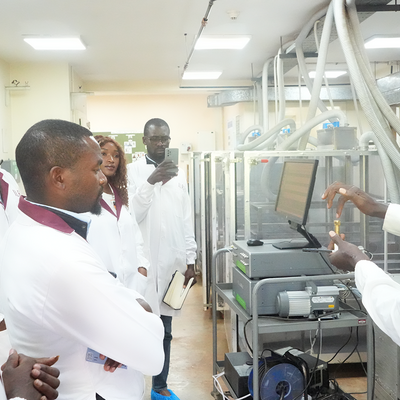
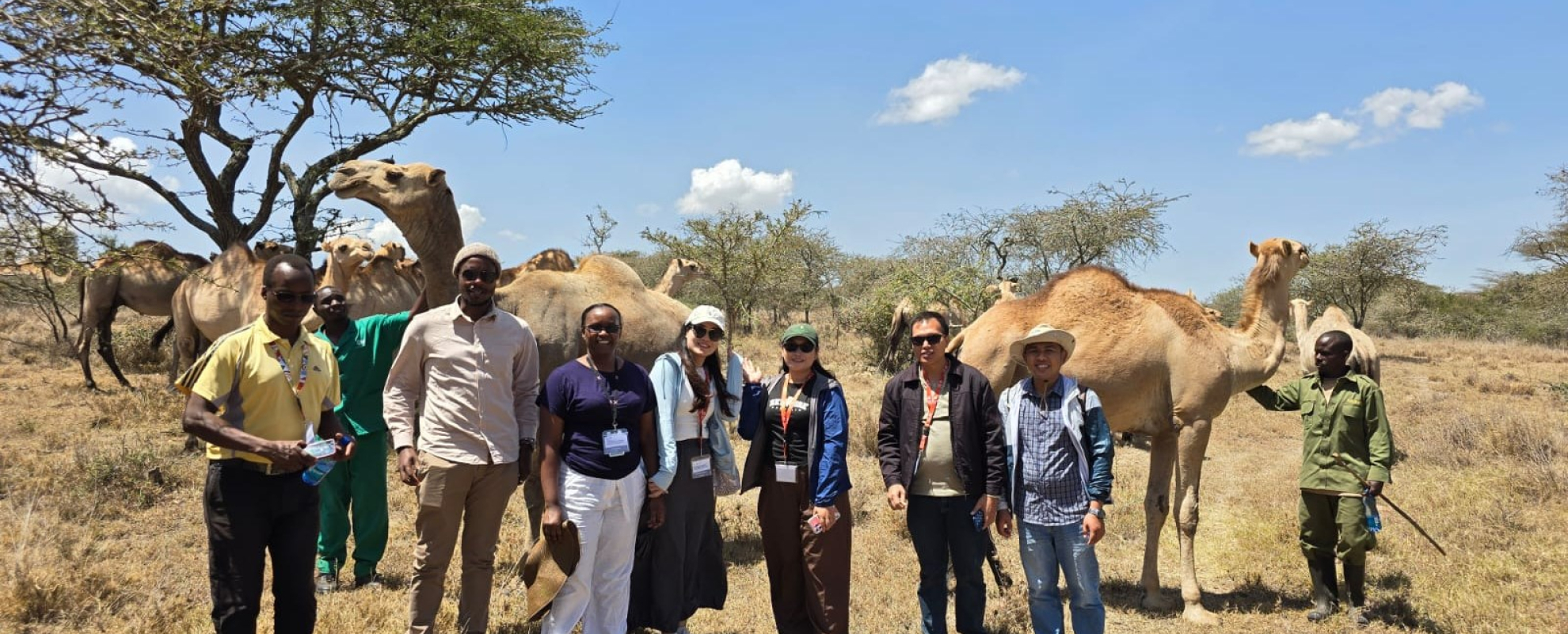
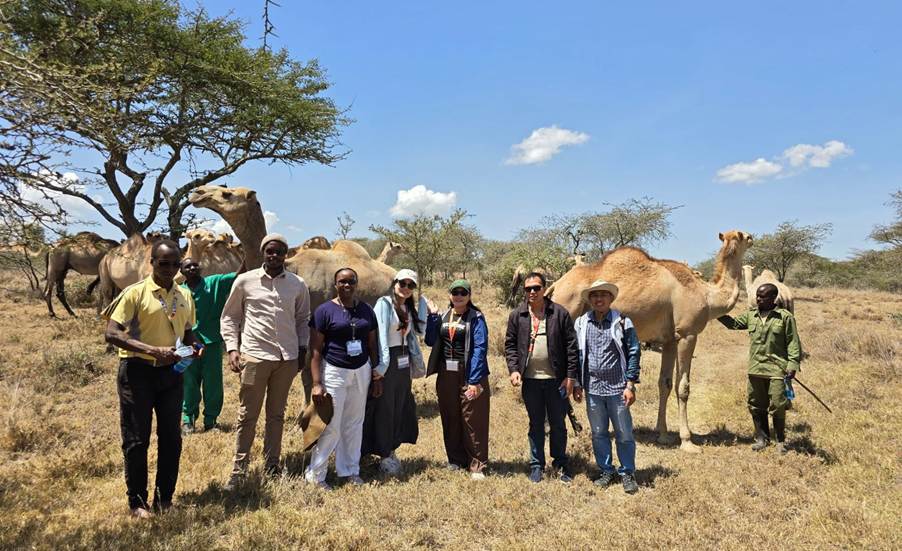
As part of the initiative, 16 early- and mid-career scientists from Ethiopia, Kenya, Tanzania, Vietnam, Cambodia and Laos were selected for a three-month research and training program linked to the BecA-ILRI Hub. Fellows gained hands-on experience in laboratory research, diagnostics, genomics, data analyses, and climate-smart livestock approaches while also strengthening regional networks and peer learning.
“The fellowship gave me valuable exposure to new laboratory techniques, climate-smart breed selection and regional collaboration. Beyond the technical skills, I learned how scientists from different countries are addressing similar livestock and climate challenges. The experience strengthened my confidence and will help me contribute more effectively to livestock research and capacity development in Cambodia,” said Menghak Phem, fellow from Cambodia National Animal Health and Production Research Institute (NAHPRI) under Cambodia Agriculture Science Academia.
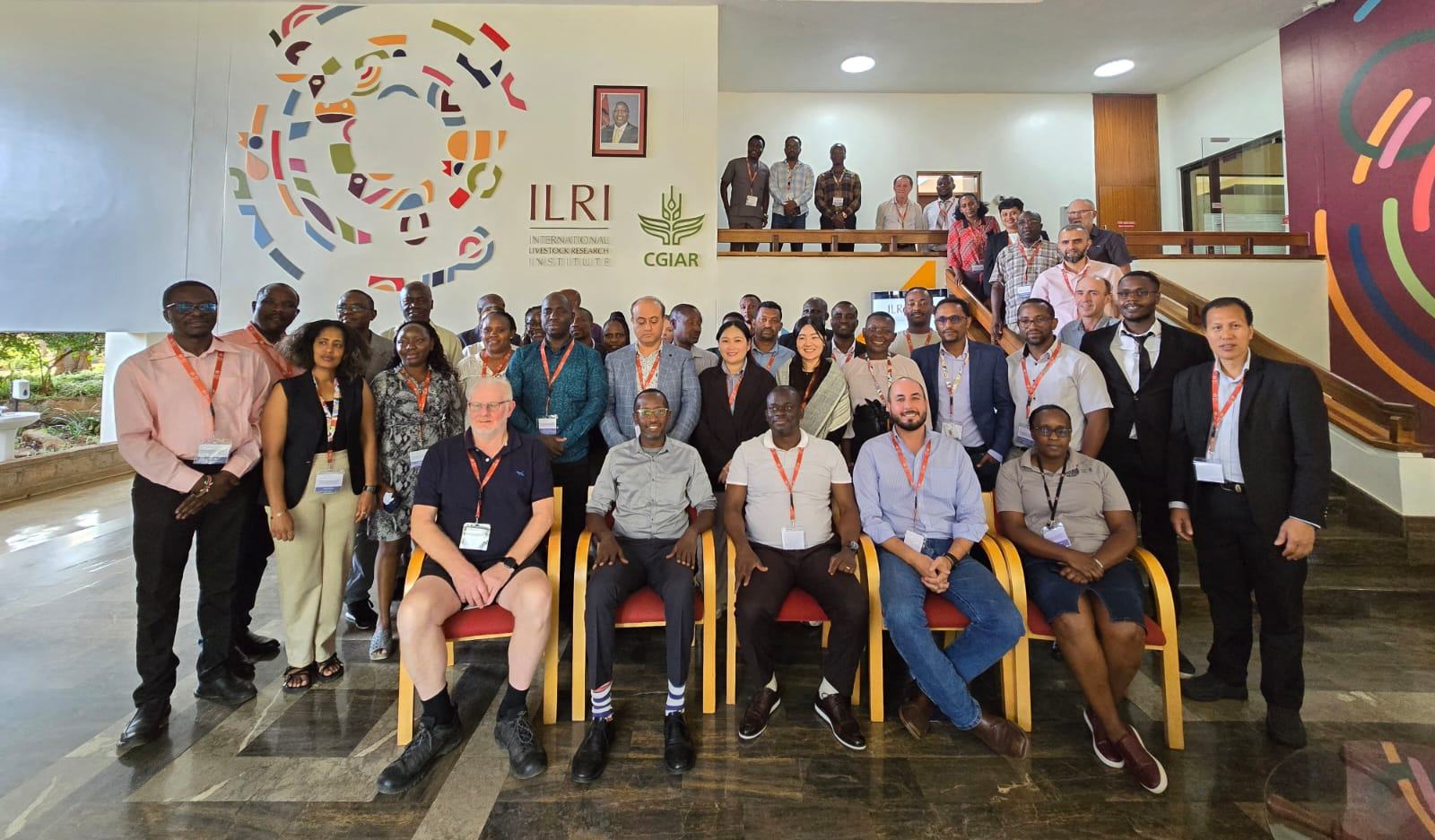
A key highlight of the program was the AABCF Regional Workshop on climate-smart livestock operations in Hanoi from 23–27 March 2026, which brought together fellows, scientists, government officials and regional partners from across Africa and Southeast Asia. Through technical sessions, discussions, presentations and field visits, participants exchanged experiences and explored practical approaches to climate-smart livestock systems, animal health and sustainable livestock transformation. The workshop also connected fellows with policymakers, researchers, development partners and private sector during the regional conference on “Sustainable livestock transformation for food systems in Asia and the Pacific.”
“As a national research institute, we strongly believe that investing in human capacity is essential for long-term agricultural development. The knowledge and experience gained through this program will not only benefit individual fellows, but also strengthen institutional capacity and contribute to national livestock development priorities,” said Ngo Thi Kim Cuc, Deputy Director General of the Vietnam Institute of Animal and Veterinary Sciences (VIAVS) that supported the organisation of the worshop and has a staff member participating in the fellowship program.
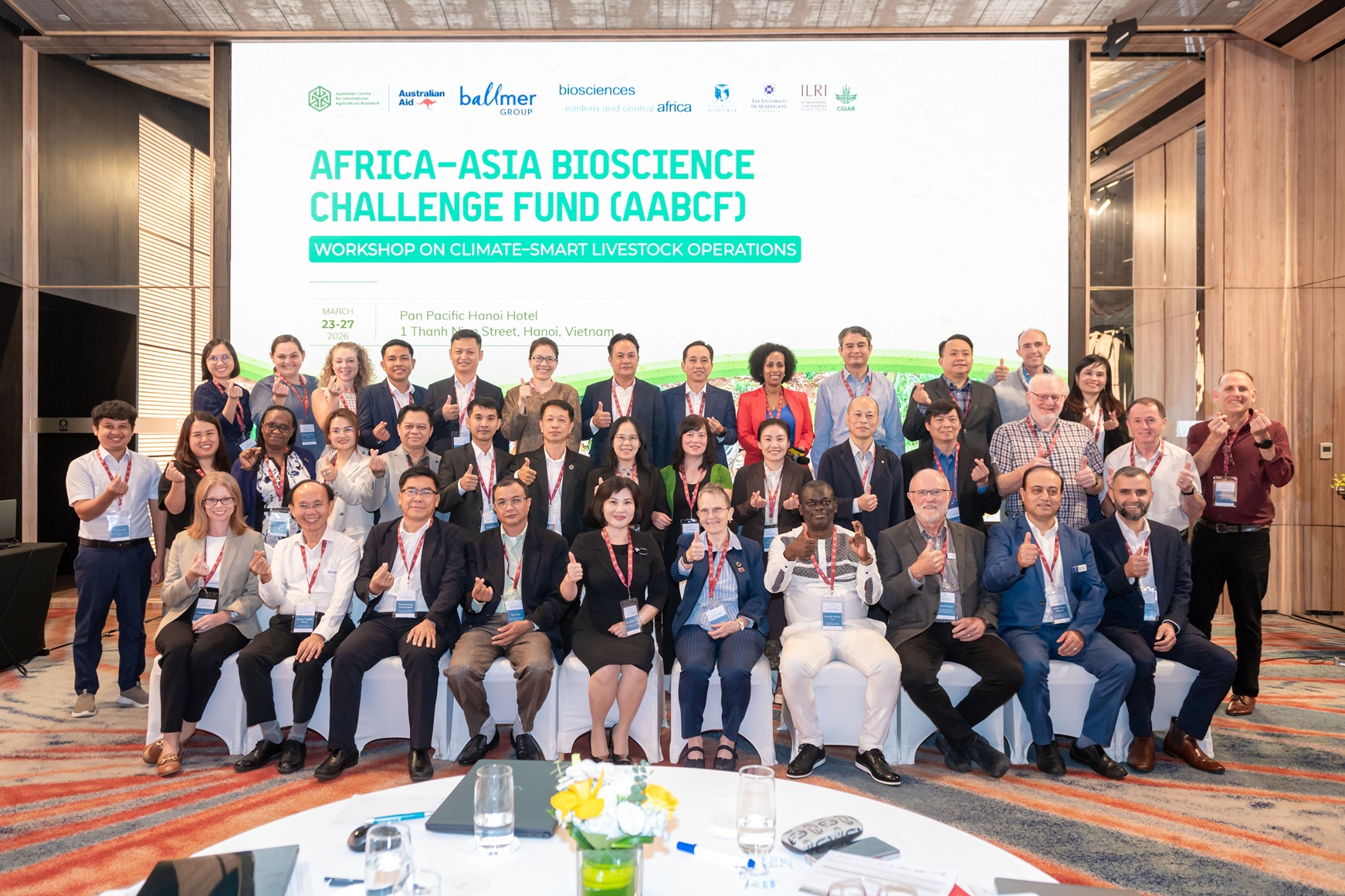
Throughout the week, participants were trained on topics including methane reduction, livestock genetics, nutrition, animal disease surveillance, low-emission production systems and data-driven livestock management. Experts from ILRI, UQ and UoM shared experiences and case studies from Africa, Australia and Southeast Asia, while fellows discussed how these approaches could be adapted to livestock systems in their own countries.
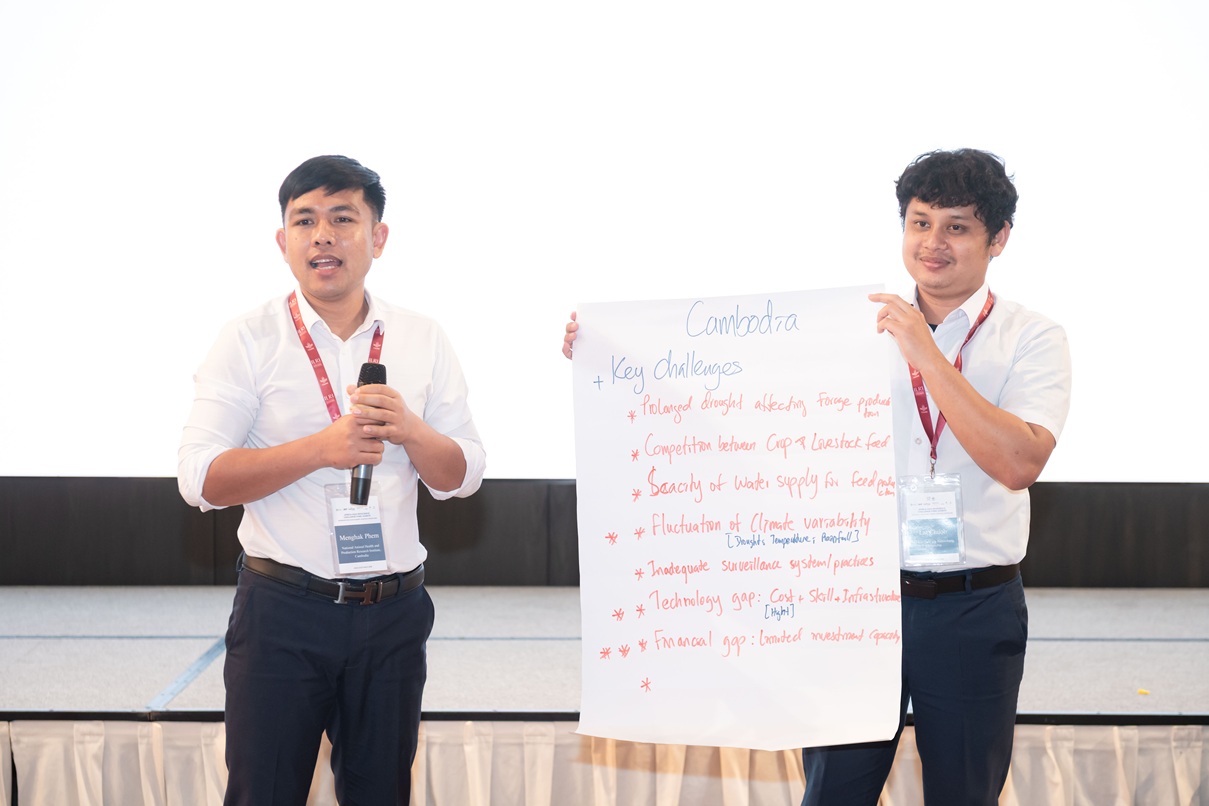
Fellows from Vietnam, Laos and Cambodia conducted research on topics related to sustainable livestock development and climate. Their work covered on One Health issues, diseases, resource recycling, black soldier fly, and genetics. During the Hanoi workshop, emission from livestock in Southeast Asian context was identified as an important gap. ILRI and partners express interest to strengthen collaboration with regional partners to produce regional-specific data on livestock greenhouse gas emission. Similar work was conducted by Mazingira center in Nairobi where all the fellows were exposed to gas mission measurement techniques during their fellowship program in Nairobi.
Along the AABCF workshop, the regional conference on sustainable Livestock in food transformation in Asia and the Pacific held on 24–25 March brought together more than 200 policymakers, researchers, development organizations and private sector representatives from 25 countries. Discussions focused on how livestock systems in Asia and the Pacific can become more productive, climate resilient and sustainable while improving livelihoods and food security. Key themes included One Health approaches, regional cooperation, innovation, biosecurity and investment in sustainable livestock systems.
Fellows shared experiences from their own research areas, including methane mitigation, animal disease control, climate-resilient feeding systems and genomics, helping participants better understand common livestock challenges across regions and identify opportunities for future collaboration.
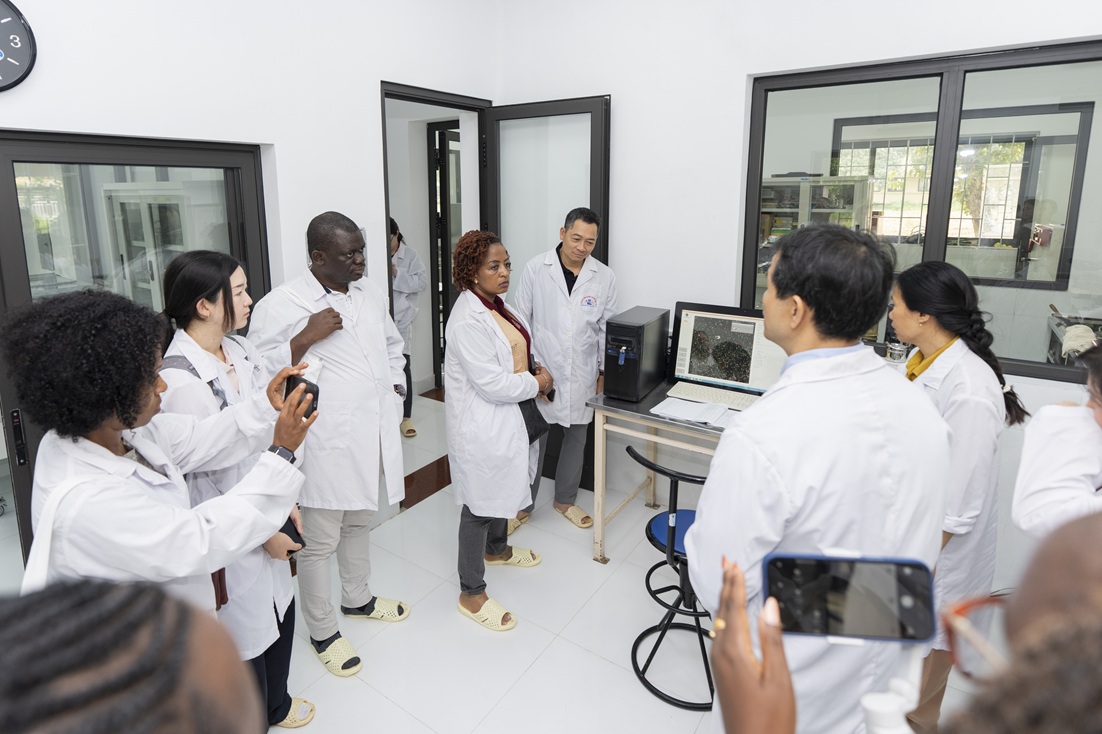
The training program also emphasized practical learning through field visits. On 26 March, participants visited the Ba Vi Cattle and Forage Research Center and the MONCADA Frozen Semen Research and Production Station under the Vietnam Institute of Animal and Veterinary Sciences (VIAVS). Delegates observed practical applications of forage development, feed formulation and genetic improvement technologies supporting more sustainable livestock production systems in Vietnam.
Watch a recap video about this program: Africa–Asia Bioscience Challenge Fund (AABCF)- Building the next generation of bioscience leaders