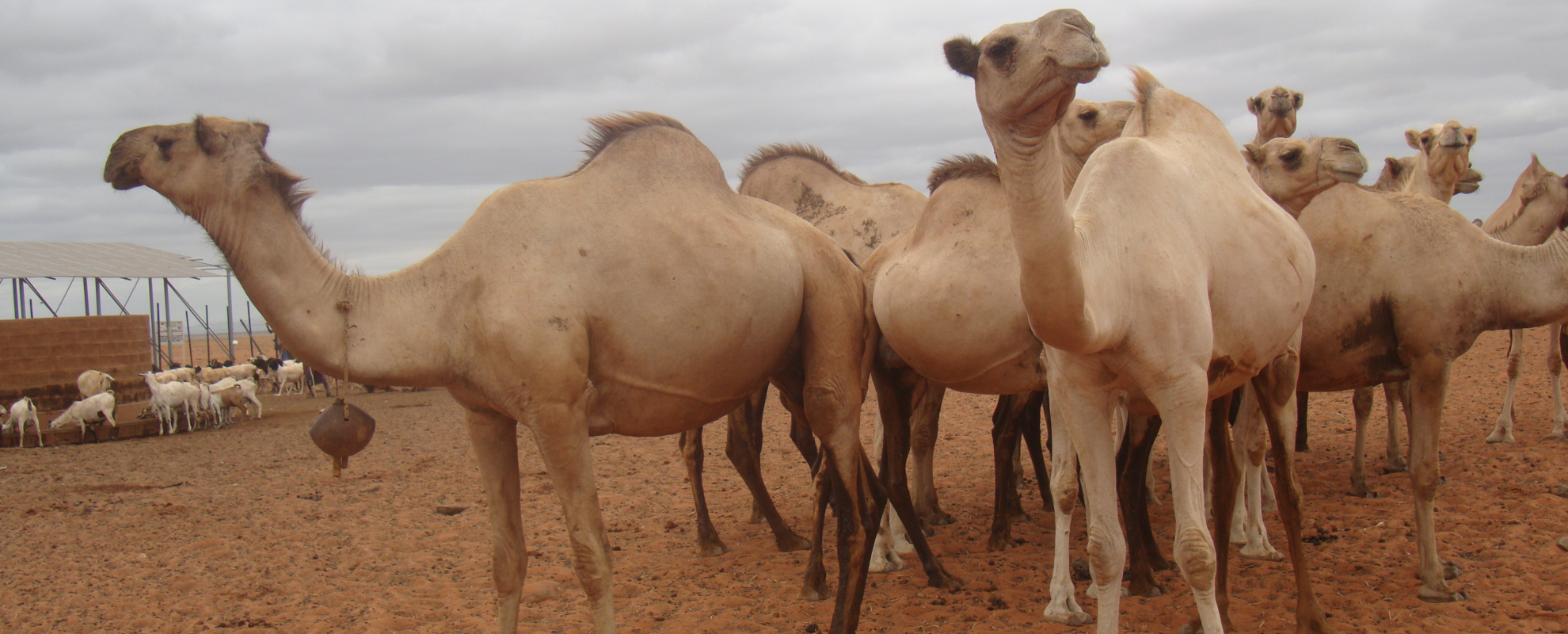
As the climate changes, camels offer stability in the Horn of Africa
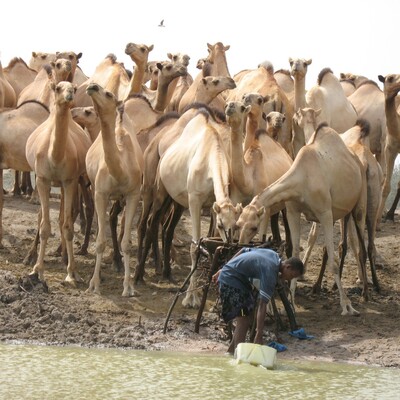
At the peak of the 2023 drought in the Horn of Africa, Shindia, a female camel owner from Maikona in Marsabit County, Kenya, embarked on a trek with her 108 camels from the heart of Chalbi Desert to the livestock Market in Wajir, a journey of around 480 kilometers. Along the way, disease, lack of feed and water shortages took a heavy toll. Only 40 camels reached the market, some in poor condition resulting in low prices.
Yet even in the face of such adversity, when Shindia and other pastoralists in this region gather around wells to exchange news and information, camels remain the ultimate asset in their discussions. As the climate becomes less predictable, camels provide these herders a measure of stability in income, food security and trade.
Each year, the world celebrates World Camel Day on 22 June. This occasion is especially significant in the Horn of Africa, where camel populations are increasing as more livestock keepers diversify into camel keeping as a drought-coping mechanism.
“Camels are vital because they provide a continuous supply of milk, even during dry spells. They bolster pastoralist livelihoods and local economies and help herders bounce back more quickly after drought and other shocks,” says Tumal Orto, president of the Pastoralists Association for the Frontier Counties Development Council, Kenya.
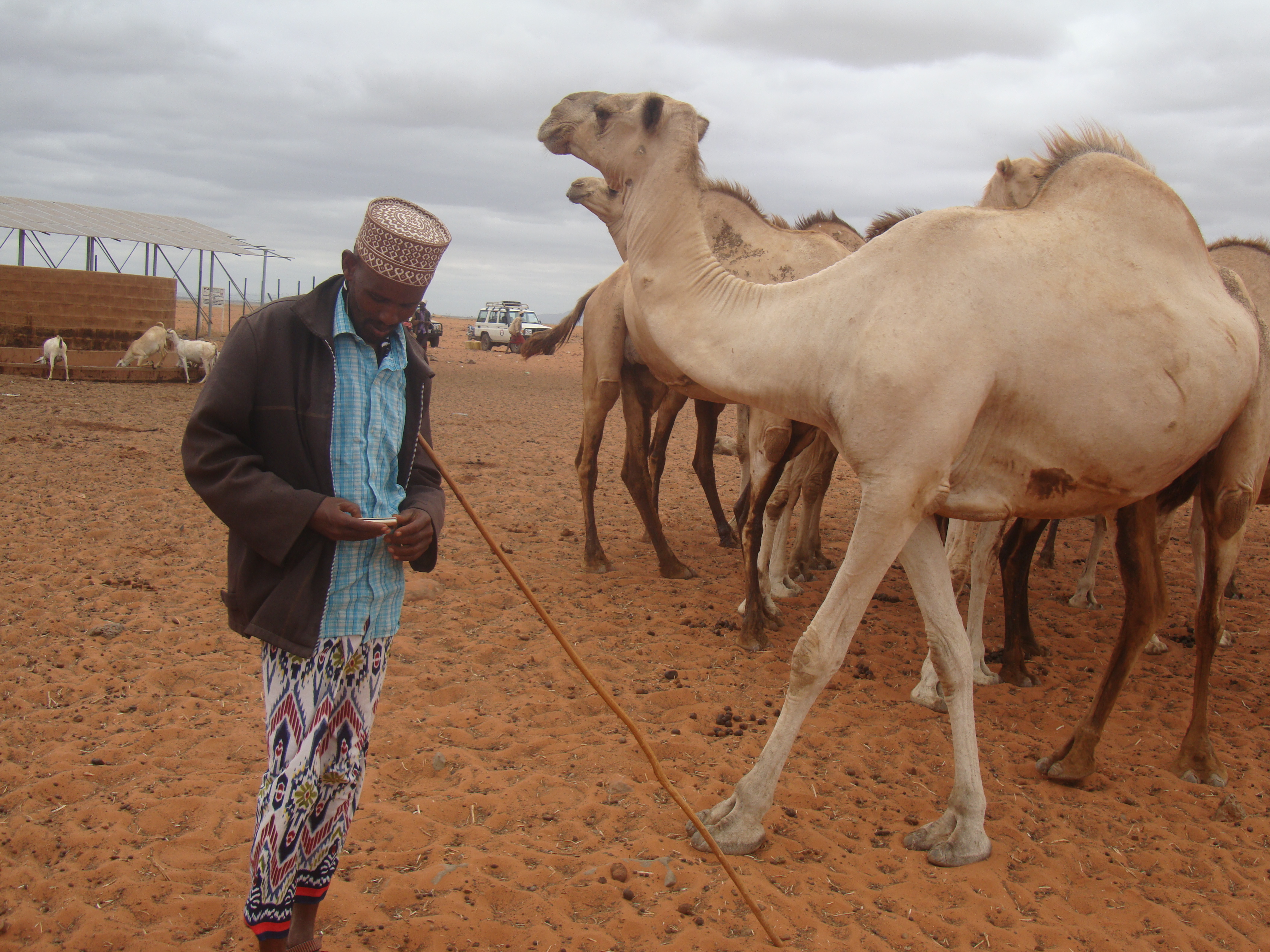
Growing opportunities, enduring constraints
Across the Horn of Africa, camels are mostly reared in extensive rangelands spanning arid and semi-arid zones. At the same time, peri-urban camel keeping is expanding in towns like Isiolo and Kismayu, where there is easier access to markets. While camels are well adapted to harsh environments, major knowledge gaps remain around their health, genetics and productivity. Between 2005 and 2025, there were at least 10 documented outbreaks of “undiagnosed” or “mysterious” diseases across Kenya, Somalia, and Ethiopia, posing risks to animal health, public health and regional trade. Moreover, in Kenya, it is estimated that camel milk producers lose up to 50% of their milk due to poor hygiene, limited storage facilities, and inadequate transport infrastructure. Reducing these losses could significantly increase incomes across the value chain while improving product quality and consumer safety.
Tapping into the global market
Globally, the camel milk market was valued at USD 323 billion in 2023, while the camel meat market was valued at USD 1.82 billion in 2025. These figures underscore the economic importance of camel products and the opportunities they present to strengthen value chains, create jobs, and improve incomes for pastoral communities. The Horn of Africa is home to one of the world's largest camel populations, with the Intergovernmental Authority on Development region (Djibouti, Eritrea, Ethiopia, Kenya, Somalia, South Sudan, Sudan, and Uganda) hosting 19.1 million out of a global estimate of 41.8 million camels. The region also leads camel exports to Gulf countries. In 2024, Sudan and Somalia were the largest live camel exporters to the Middle East, with estimated export values of USD 107 and USD 80 million, respectively. With a large camel population, growing demand, and expanding trade opportunities, the question is no longer whether camels matter economically, but how the Horn of Africa can position itself to benefit from this emerging economy. There is a major opportunity for governments, businesses, and pastoralist communities to transform camel production from a drought-coping strategy into a key driver of economic growth and regional trade.
Research with pastoralists in northern Kenya shows that the camel economy is sustained by the “invisible infrastructure” built around social, economic, and ecological systems that pastoralists have developed over generations. Mobile telecommunications and digital financial services have strengthened these networks by facilitating communication, coordination, and money transfers across vast distances. Motorcycle transport has improved the movement of milk and other products from remote areas to urban markets. Women traders, milk cooperatives, money transfer agents, and young milk transporters play essential roles in the vibrant camel milk market, connecting pastoral production systems to consumers. These highly interconnected systems remain largely absent from many camel-related strategies and economic plans, despite being as important to resilience as the animals themselves.
Building momentum in research and innovation
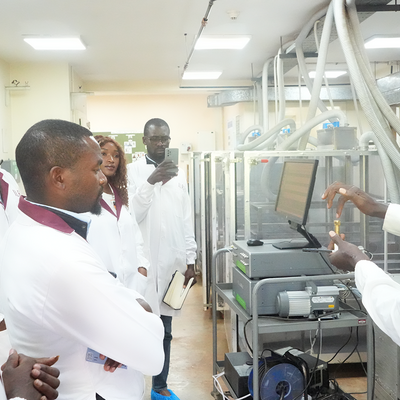
Several initiatives are helping strengthen the camel sector across the region. These include the Camel Resources Management Strategy for the IGAD region 2023–2032 and Kenya's 2024 presidential directive establishing the Camel Centre of Excellence (CCE). The International Livestock Research Institute (ILRI) and its partners are contributing to this momentum through research into disease surveillance, diagnostics, genomics, breeding, value chain development, and socioeconomic research. ILRI is generating evidence on camel-based livelihoods, youth employment opportunities and market systems, and is hosting the secretariat of the government-led CCE task force that includes representatives from the government, Mercy Corps, the Kenya Camel Association, and the private sector. The task force presented the urgency of its mission at the Global Landscape Forum in Nairobi in May 2026. Regional research institutions and governments are increasingly investing in camel science. For example, the Somali National University has established a camel research center, and the Kenya Agricultural and Livestock Research Organization (KALRO) is implementing a community-based camel breeding program.
However, sustainable camel development cannot be driven by research institutions alone. It depends equally on everyday social networks that sustain pastoral production; from water wells and rangeland grazing areas to markets and mobility corridors.
Investing in women and the youth
Alongside investments in research, greater attention must be paid to the people and institutions that sustain production, especially women and young people. Women are central actors in milk marketing and household nutrition, while young people increasingly participate in transport, aggregation, trade, and digital services linked to camel value chains. Through the CGIAR Science Program on Food Frontiers and Security, ILRI is assessing how young people participate in and benefit from camel value chains across Ethiopia, Kenya, and Somalia. The study seeks to identify opportunities for youth-led enterprises and contribute to the ongoing regional priorities to scale camel value chain innovations and improve food and nutritional security in drylands. As we celebrate World Camel Day 2026 under the theme “Camels as a climate resilient dairy animal” and the International Year of Rangelands and Pastoralists, the lessons from Shindia's journey remain relevant. Her experience reminds us that the future of the camel economy depends not only on healthier animals, better genetics, and stronger markets, but also on the people, institutions, and landscapes that sustain pastoral livelihoods.
Camel-based development must therefore go hand in hand with investments in critical infrastructure, access to rangelands, market systems, financial services, and locally grounded institutions. If these foundations are strengthened, camels can become more than a symbol of resilience in the Horn of Africa. They can become a cornerstone of inclusive economic growth, food security, and climate adaptation for millions of people across the region.
Related content
The moral economy behind the commoditization of camel milk in northern Kenya