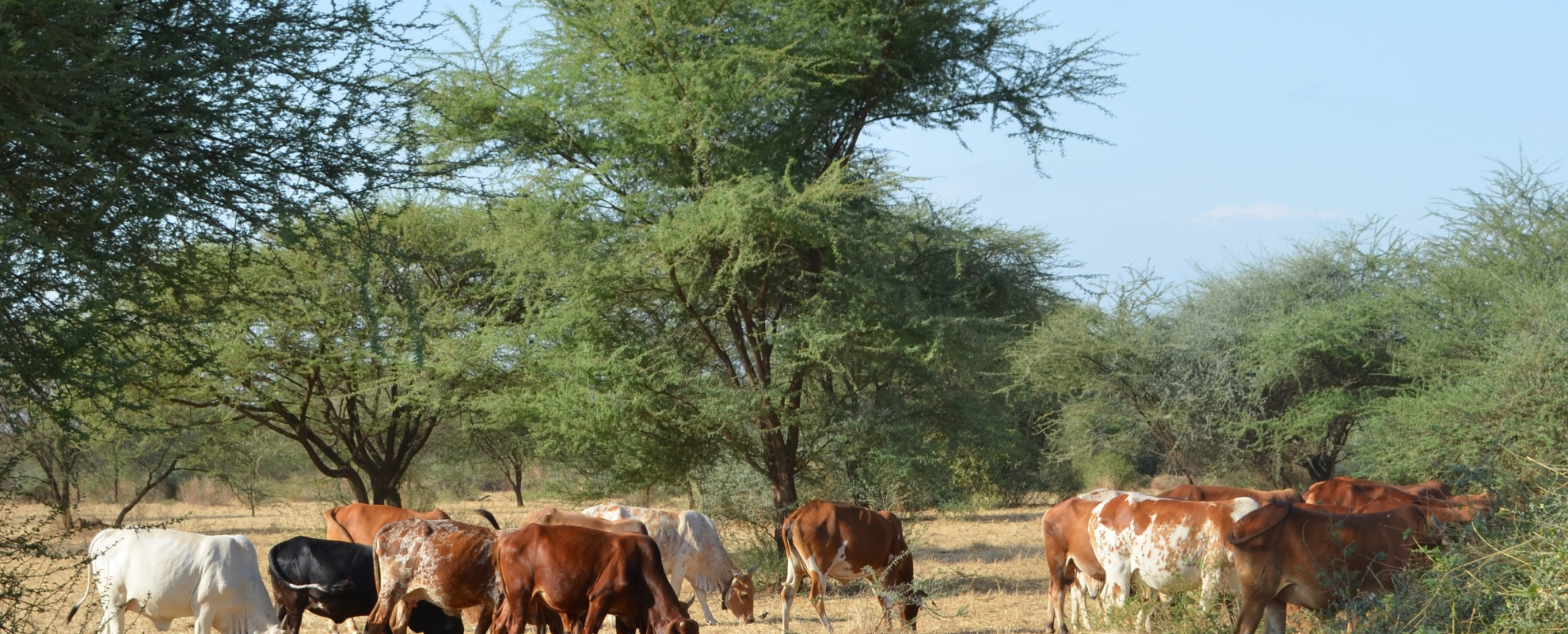
Local pastoralist institutions can regenerate rangelands through better organized management – ILRI study
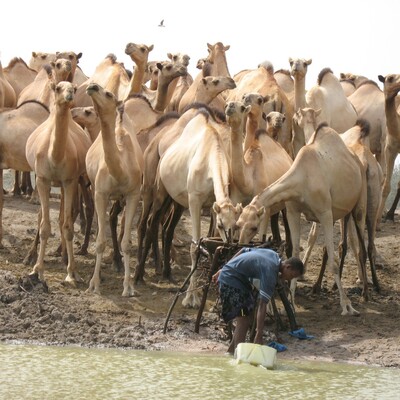
A study recently published by researchers at the International Livestock Research Institute (ILRI) indicates that pastoralists and their local rangeland management institutions are often able to lead and deliver on regenerative grazing management across large community rangelands. The study, published in “Rangeland Ecology and Management”, looked at long-term changes in the condition of 10 rangelands, each managed by a local pastoralist institution, covering over 5,000,000 ha (50,000 km2) in total.
“Despite the prevailing narrative that often overlooks pastoralists as effective land stewards, our research shows that local knowledge is a vital, yet underutilized, resource for rangeland restoration," says Jason Sircely, senior scientist at ILRI.
Over 17 years, areas with bare soil declined by between 200 and 500 hectares per year in the 10 rangelands located in Ethiopia and Kenya. Half of these sites reduced bare soil more than neighboring reference areas, indicating that local pastoralist institutions supported with capacity building had a significant role in reducing bare soil and improving rangeland condition.
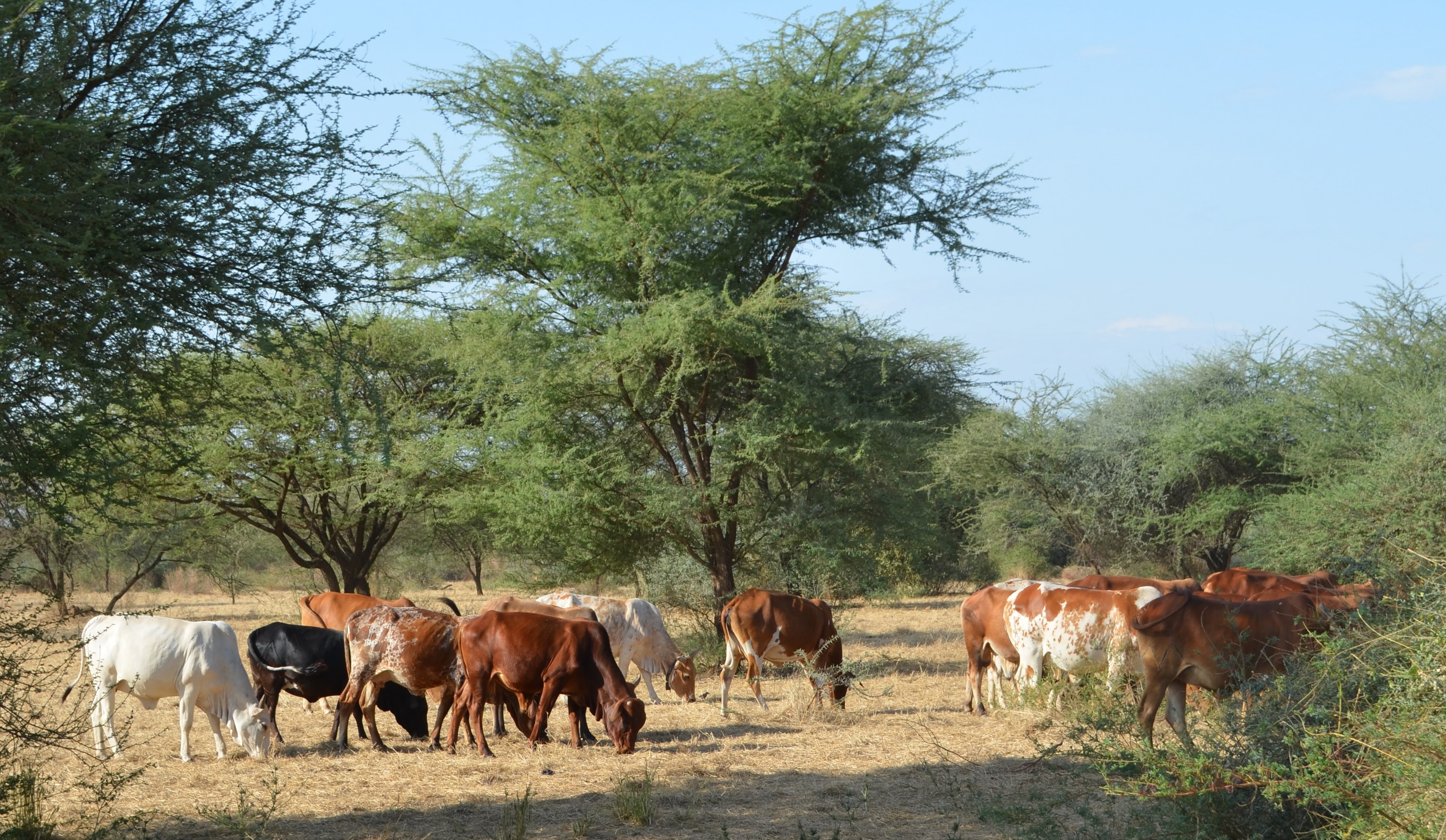
Effectiveness of local management
The effectiveness and sustainability of rangeland management by local pastoralist institutions have long been debated, yet little conclusive evidence is available. Many rangelands are at least somewhat degraded, and improving them is a long-standing challenge, to which the solutions are often unclear and methodology for assessing management success is limited. Pastoralists and their local rangeland management institutions are not always seen as effective land stewards, meaning their local knowledge is often neglected more than utilized, yet some communities may be making progress, partly in response to facilitative capacity building efforts known as community-based rangeland management.
Most communities in the study used traditional patterns of seasonal grazing and resting, as opposed to intensive rotational grazing, and only a few practiced a coarse form of rotational grazing. In seasonal grazing, different pastures are alternately grazed during different seasons of the year, with all pastures rested sometime. Intensive rotational grazing uses rapid, planned movements of livestock among many smaller pastures, while coarser rotations use fewer pastures and less frequent movements guided by real-time forage availability. This evidence provides support for the foundational importance of local knowledge for grazing systems.
The changes in rangeland condition observed by satellite remote sensing, and the apparent roles of local institutions in restoring community rangelands, further suggest a possible “rangeland transition”, comparable to the better-known “forest transition”. In these transitions, land degradation and changes in how land is valued eventually begin to drive large-scale restoration. The study provides evidence suggesting that pastoralists and their local management institutions may be equally as sustainable as other agricultural producers. This initial framework for monitoring the response of rangelands to changes in governance and management is a step toward measuring and monitoring sustainable management, and the results clearly indicate that local pastoralist institutions can implement restorative management of rangelands.
Facilitative approaches to capacity building such as community-based rangeland management, use multi-stakeholder engagements to increase transparency, potentially improving accountability and acting as a catalyst for improved governance and management of rangelands. More active and effective local institutions are more likely to revitalize traditional management practices, such as seasonal grazing and resting of pastures in alternating seasons, a common local practice in drylands throughout East Africa.
By testing this remote sensing method for measuring changes in rangeland health, we can better measure responses to improved local institutional capacity to govern and manage rangelands. This approach will also improve knowledge, theory, and methods for tracking and supporting sustainable management of pastoralist lands. It will also help identify effective strategies for improving rangeland health, restoring ecosystems, enhancing livestock production which is important in East African economies, and improving habitat quality for wildlife and biodiversity.
“We now better understand how we can support pastoralists to improve rangeland management, and how to monitor progress. However, the evidence the study provides is not unequivocally conclusive. More research is needed on assessing the contributions of various actors in the process of improving management, and we need more and better evidence on what cost-effective management looks like,” Sircely says.
Related content
Participatory rangeland management: Guidelines for practitioners
Assessment of potential for participatory rangeland management to increase carbon sequestration
Participatory rangeland management toolkit for Kenya
Acknowledgements
The authors are grateful for financial support to the US Agency for International Development (grant AID-BFS), the World Bank (grant P173398), the CGIAR Research Programme on Livestock, and the One CGIAR Initiative on Livestock and Climate.