
Taking charge: pastoralist women in Tanzania claim their land rights
Long before the sun rises, Matipei Naisendu wakes in the dark to revive the cooking fire and grab her milk gourds. Stepping into the chilly livestock pen, she is surrounded by the gentle grunts of cattle waiting to be milked. Like many Maasai women in Kiteto District, northern Tanzania, Naisendu begins her day in the livestock enclosure, milking cattle before the heat of the day sets in. For years, she carried the dual responsibilities of caring for her family and livestock, but with little influence over decisions about the land on which both depended.
Across Tanzania's rangelands, women play a central role in managing livestock, water, and household resources. Yet Maasai is a deeply patriarchal community, where traditional councils of male elders make every vital decision. Women are frequently excluded from decisions about how land is managed.
As climate stress increases, women—who are often responsible for providing food, water and care for their families—tend to feel its effects more than men. As a result, many families sink deeper into poverty as existing coping strategies no longer work in the face of repeated shocks, such as water scarcity, extreme weather and shrinking pastures. Yet women often have fewer access to resources and less say in decisions. Their exclusion from decision-making often means adaptation plans overlook the survival strategies they have developed.
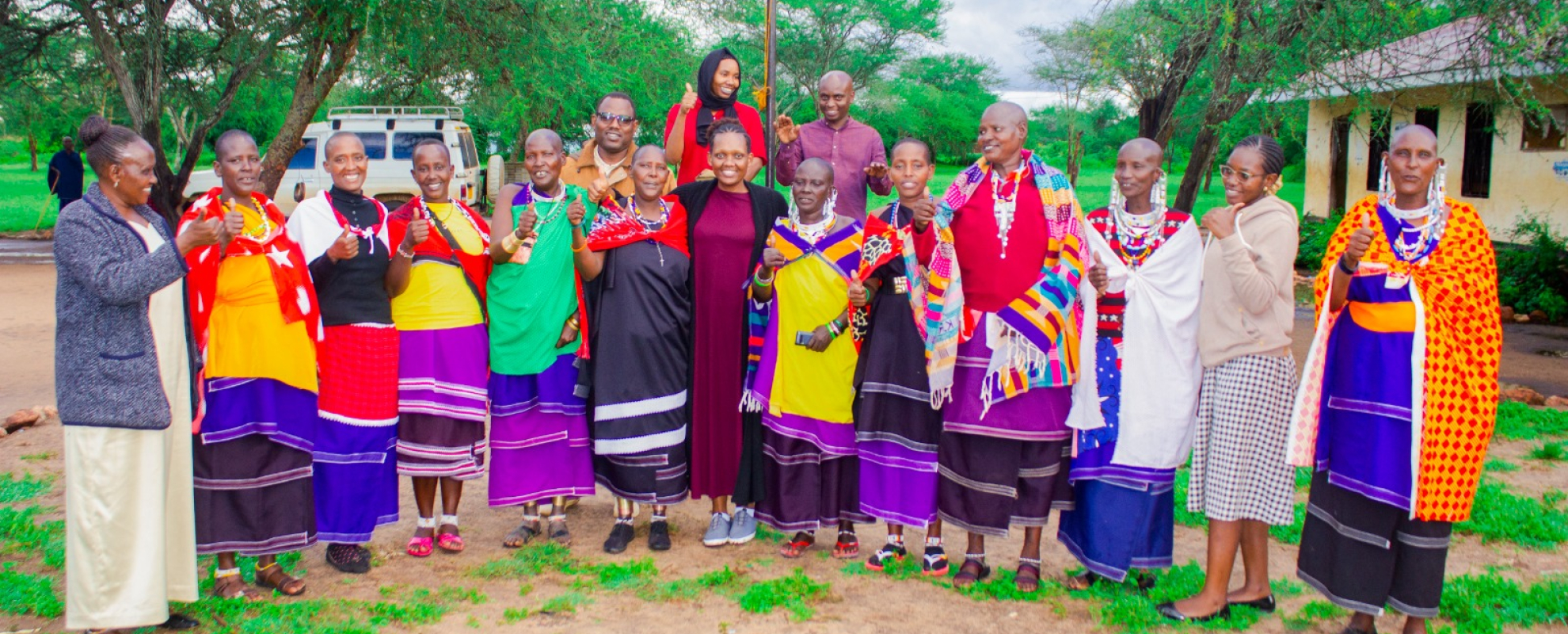
In Kiteto District, Joint Village Land Use Planning (JVLUP) and Women's Rights and Leadership Forums are helping to change this reality by ensuring that women participate in decisions that affect their livelihoods, families, and future. Today, Naisendu is not only a livestock keeper. She is also the chairperson of the Lembapuli Women's Rights and Leadership Forum, a member of the village council, and an active participant in local land governance.
Since 2010, the International Livestock Research Institute (ILRI) has been collaborating with Tanzania’s Ministry of Livestock and Fisheries, the National Land Use Planning Commission and local civil society organizations to secure rangelands for pastoralists and smallholder farmers through specially developed planning and land certification models, called JVLUP and certificates of customary right of occupancy.
Through JVLUP, villages are organized into clusters for joint land-use planning and management. The initiative currently covers four clusters in Kiteto, two in Chalinze, and one in Kilosa.
JVLUP recognizes that women are key users and managers of natural resources and hold important knowledge of water sources, grazing areas, household needs, and community priorities. It therefore requires—and promotes—active participation by women in land-use committees and livestock keepers' associations.
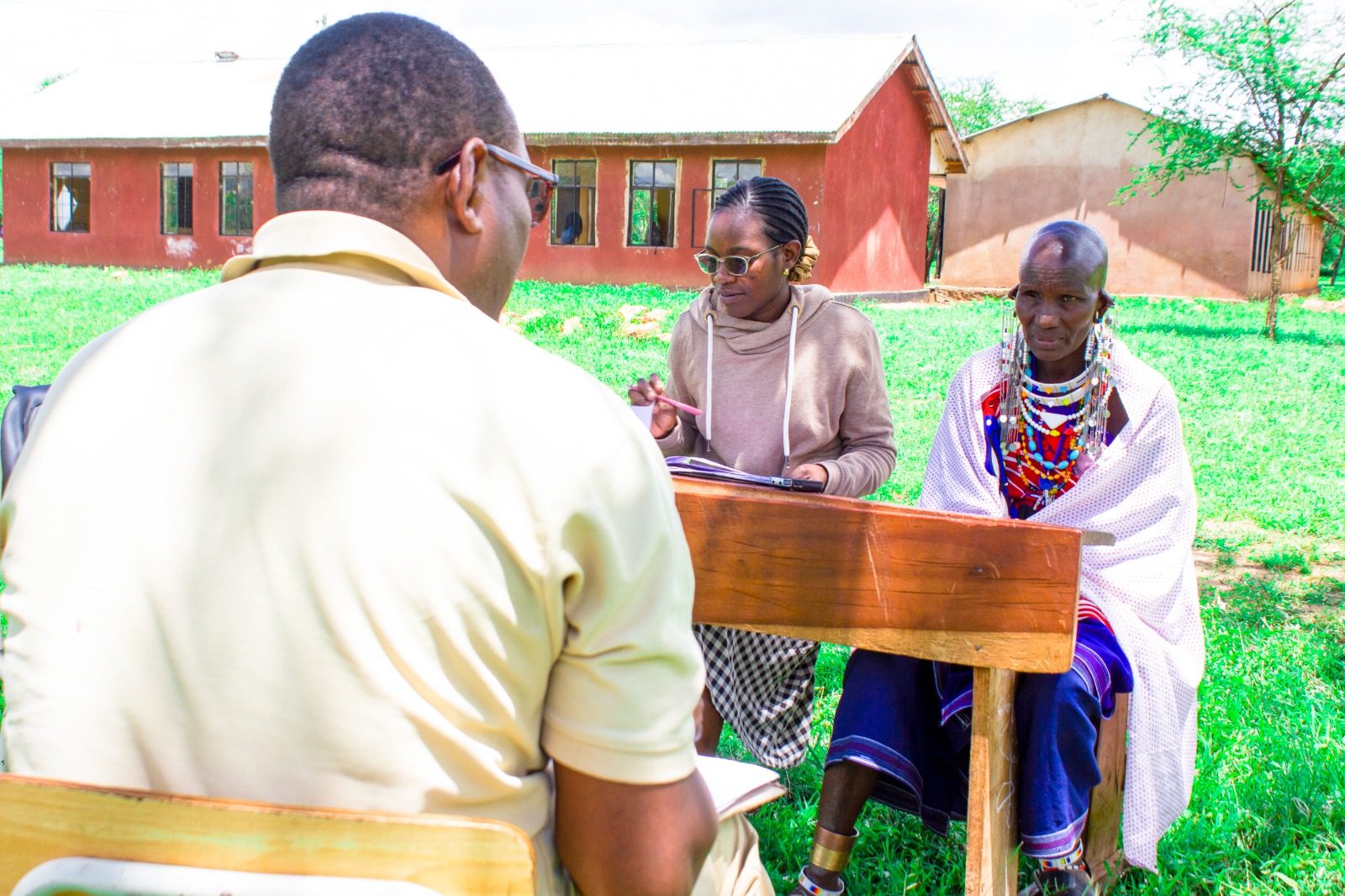
“As a member of the committee, I participate in deciding who is given land, when, and for what purpose it should be used,” said Naisendu.
“Women now report having greater peace, a stronger sense of security, and more time to engage in other economic activities that contribute to their families' and communities’ developments,” explains Pauline Ngurumwa, a community development specialist at KINNAPA Development Program, a Tanzanian NGO. “Previously, women lived with a lot of uncertainty whenever livestock were taken out for grazing because they were unsure whether the cattle and their sons would return home safely," she adds.
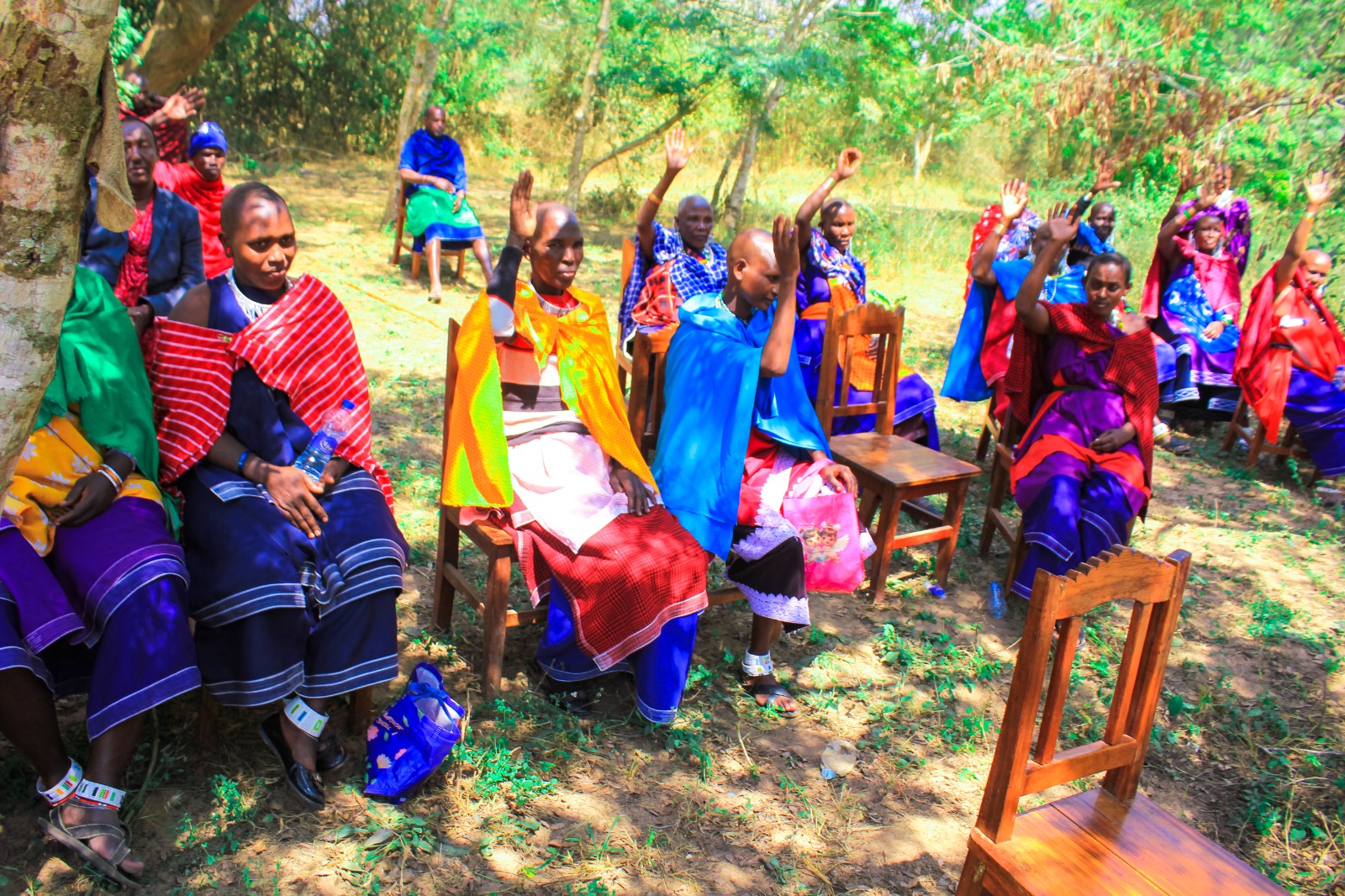
To ensure pastoralist women remain involved in decision-making for the long-term, ILRI and KINNAPA are also providing training via women’s rights and leadership forums. These forums are giving women a voice and strengthening their participation in land governance, improving livelihoods by engaging in income generating activities like livestock fattening and selling, and driving social change. Participants highlighted that despite the efforts made so far, challenges in securing women’s land rights persist.
Preliminary evidence suggests that the forums have improved women’s participation in six areas, including: enhanced voice and collective agency; collective action and local governance; changing restrictive and harmful gender norms and practices in communities and households; economic empowerment and climate resilience through capacity building; and improved access to land rights.
In one powerful example of women's leadership, in November 2023, around 650 Maasai women in Kiteto District conducted a peaceful demonstration to protect their community grazing areas. The women challenged farmers encroaching on land that had already been demarcated and gazetted by the Tanzanian government. Drawing on their special spiritual and traditional authority, the Maasai women demanded that pastoralists stop selling community grazing land and called on leaders to remove encroachers.
“As women, we demonstrated without eating for three days under the sun and rain to demand the return of grazing areas that were encroached and rented out for farming,” said a women representative. The district commissioner acknowledged their concerns and established a special team comprising women and traditional leaders to collaborate with the district in addressing encroachment.
Challenges remain. Although women can access land through their husbands or the village government, tenure security remains fragile because formal land titles are lacking and customary inheritance practices exclude women from inheriting land, despite national legal protections.
With women owning just 38% of the land in Tanzania, stronger action is needed to remove the social, cultural, and institutional barriers that continue to prevent women from owning and controlling land.
“We own land although we have not been given the title deeds,” said Titeeiyo Osimanjiroi, a woman representative. “If my husband dies, the land might be grabbed from me.”
Yet women like Naisendu—who is involved every week in making important decisions that affect her family and community— demonstrate how much progress is possible when women are given the opportunity to participate, lead, and organize collectively.
What began as an effort to improve land governance has become much bigger. Through the land-use planning committees and the women’s rights and leadership forums, pastoralist women in Kiteto are strengthening their voices, protecting rangelands, influencing local governance, and shaping a more equitable future for their communities.
For Naisendu, leadership is no longer something exercised by others. It is something she lives every day.