Uganda’s fight against the silent pork tapeworm
Uganda’s fight against the silent pork tapeworm
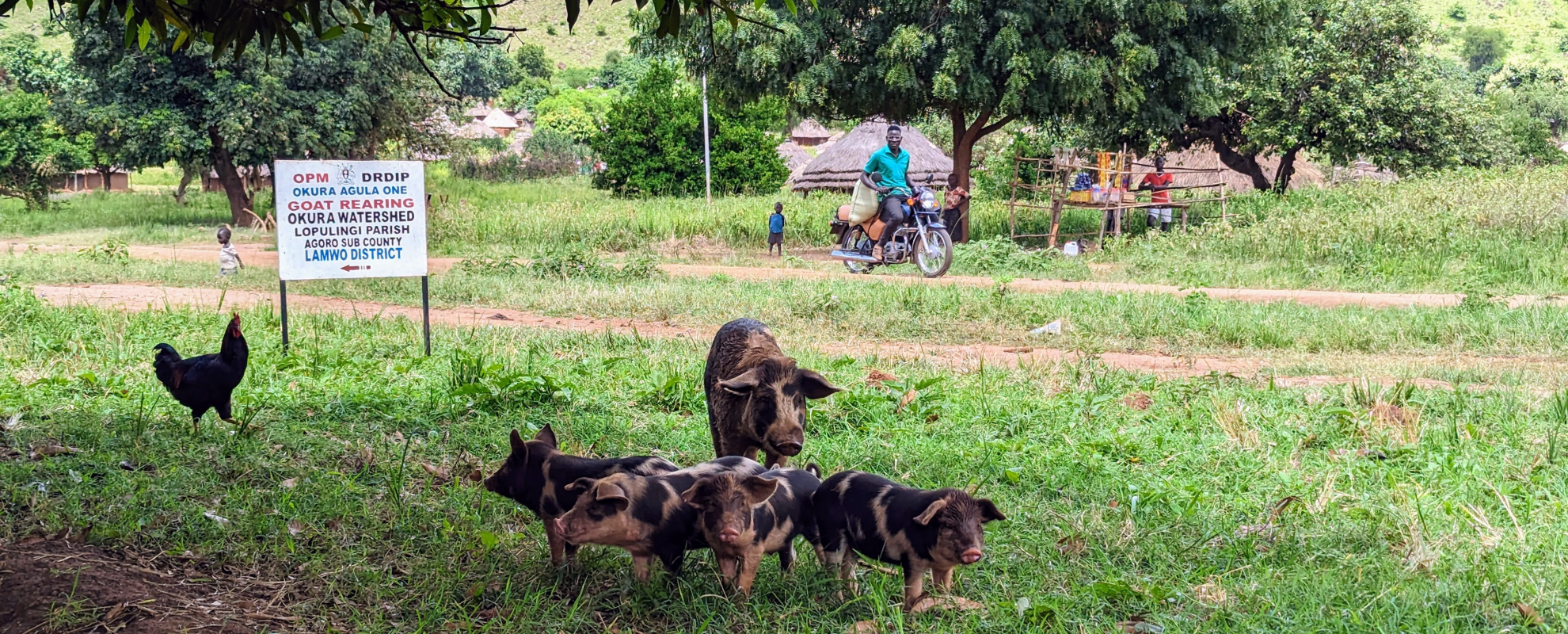
In northern Uganda, pork means more than just a meal. It means business, livelihoods, and survival for thousands of families. But hidden beneath this thriving trade is an invisible enemy, one that threatens pig farmers, puts human health at risk, and could undermine an industry many depend on.
Its name is the pork tapeworm (Taenia solium), a parasite with potentially devastating consequences. A neglected zoonotic tapeworm transmitted between humans and pigs, it is a leading cause of acquired epilepsy in endemic areas where it is spread by poor sanitation and pig husbandry practices. Its life cycle connects humans, pigs, and the food we eat in a dangerous chain of transmission.
The cycle begins when pigs ingest feed contaminated with the parasite’s eggs, often through environments polluted by human waste. Inside the pig, these eggs develop into larvae that form cysts in the muscles. When infected pork is eaten raw or undercooked, the cycle continues inside the human intestine, where the parasite can mature into an adult tapeworm. People who carry the adult tapeworm pass its eggs in their feces. The parasite’s eggs can cause cysticercosis, a disease that can affect the brain and lead to seizures.
However, there is positive development in attempts to eliminate the pork tapeworm in Uganda, since a new research initiative has been launched to address it. Sustainable Strategies for Taenia solium Interventions in Uganda Project (SUSTAIN) seeks to design sustainable strategies that will help prevent the spread of the tapeworm.
This project is a collaboration between the International Livestock Research Institute (ILRI), the Universities of Edinburgh, Gulu, Makerere and Imperial College and Unlimit Health supported by funding from the UK’s Foreign, Commonwealth & Development Office (FCDO), the CGIAR Sustainable Animal and Aquatic Foods (SAAF) Science Program and the Alborada Foundation and implemented with support from Government of Uganda line ministries, and the WHO ESPEN aims to test whether a combined intervention for people and pigs could prove to be better than intervention only for people.
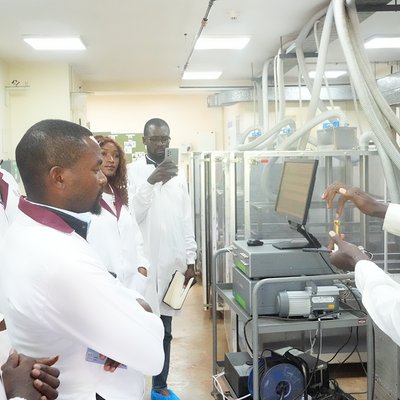
This integrated intervention strategy was the focus of discussions in Kitgum, northern Uganda this October which brought together stakeholders from different spheres of the pork value chain from vet officers to farmers, researchers, and government officials. The discussions specifically aimed to determine the feasibility and acceptability of these interventions to stakeholders and identify ways in which the project can achieve most impact. Kitgum’s District Assistant Chief Administrative Officer Sam Odong praised this participatory approach of the partners and said that, “Sustainable solutions are possible only through collaboration.” He emphasized the need for the “gather all, scatter none” approach. “Farmers, government officials, scientists, traders and others must cooperate during every phase of the battle against the pork tapeworm.” He said.
This region requires intensified targeted control interventions, preferably targeting both human and porcine hosts using the One Health approach because it is hyperendemic for T. solium infections.
ILRI's senior scientist Lian Thomas laid out some of the ways to curb the silent tapeworm and build resilient systems which includes;
- Strengthening surveillance and early detection across humans, livestock and the environment to identify Taenia solium infections before they become a wider public-health threat.
- Building resilient livestock and food systems by improving pig husbandry, sanitation, meat inspection and safe food practices to break the parasite’s transmission cycle.
- Empowering communities through One Health approaches that connect farmers, health workers, veterinarians and communities with practical knowledge, prevention tools and coordinated action to sustainably control the disease.
What worries scientists and health officers is what happens when a pig falls sick. Some farmers admit that rather than risk losing money, they slaughter the sick animal and sell its meat to unsuspecting consumers. Others try to treat their pigs but struggle to access the right medication and determine the correct dosage. Even when treatment is available, the cost can be too high for farmers already struggling to make ends meet. As a result, some farmers and traders sell the pigs for a lower price into non-regulated value chains (where the pork is not inspected).
For Dr. Yael Velleman, director of innovation at Unlimit Health, the time to act is now. She believes that bringing together scientists, governments, farmers and other partners offers an opportunity to find a lasting solution to this often-overlooked parasite. “This is the most opportune moment to be decisive in figuring out the lasting solution to the silent parasite,” she says. Her colleague Dr. Matthew Dixon-Zegeye adds, “If nothing is done today, then we are collectively setting up a foundation of diseases associated with the pork tapeworm that will be difficult to break.”
ILRI and their partners have now been working on this study site for six years, gathering formative data to design the current intervention. During this time farmers have gained prevention knowledge and skills through contact with scientists, and inspection officers affirm that this has played an important role in interrupting the cycle of transmission.
Conquering T. solium is more than just a battle to eradicate a parasite; it is about saving lives, safeguarding farmers' livelihoods, and securing the safety of Uganda's pork future. Although there is reason to be optimistic based on the progress made thus far, ensuring sustainability will require converting the outcomes of all these research efforts into actual solutions that work in the real world at an affordable cost. Bringing all these groups, including farmers, health practitioners, veterinarians, scientists, and government officials, together under the One Health banner could give Uganda a chance to overcome this silent epidemic.
Related links