Secondary navigation

  • Search
  • Microsites

Main navigation

  • About
    • Overview
    • People
    • Supporters
  • Research
    • Impact areas
      • Climate adaptation and mitigation
      • Environmental health and biodiversity
      • Gender, equality, youth and social inclusion
      • Nutrition, health and food security
      • Poverty reduction, livelihoods and jobs
    • Research support
      • Research compliance
      • Communication and knowledge management
      • Intellectual property and legal unit
      • Data and research methods
    • Themes
      • Health
      • Livestock, Genetics, Nutrition, and Feed Resources
      • People, Policies, and Institutions
      • Livestock, Climate, and Environment
    • Projects
    • CGIAR research initiatives
    • BecA-ILRI Hub
    • Innovations scaling and impact
    • Capacity development
    • Facilities
      • Centre for tropical livestock genetics and health
      • ILRI Genebank
      • Kapiti research station
      • Mazingira centre
      • One health centre
      • Poultry facility
      • The CGIAR AMR hub
      • Tick unit
      • Bioscience facility
      • Genomics platform
      • ILRI-Hyderabad livestock research facilities
  • Where we work
    • Eastern and southern africa
      • Kenya
      • Ethiopia
      • Tanzania
      • Uganda
      • Zimbabwe
      • Burundi
    • West Africa
      • Burkina Faso
      • Mali
      • Nigeria
      • Senegal
    • South Asia
      • India
      • Nepal
    • East and Southeast Asia
      • Vietnam
    • Explore our work in the countries
  • News & Events
    • News
    • Events
    • ILRI in the media
  • Knowledge
    • Outputs
      • Publications
      • Journal articles
      • Presentations
      • Infographics
      • Browse archive
    • Data
      • Datasets
      • Apps
    • Multimedia
      • Videos
      • Podcasts
      • Stories
  • Join Us
    • Careers
    • Subscribe
International Livestock Research Institute
  • Overview
  • People
  • Supporters

CGIAR RESEARCH INITIATIVES

ILRI is actively engaged in several CGIAR initiatives and platforms.

  • Impact areas
    • Climate adaptation and mitigation
    • Environmental health and biodiversity
    • Gender, equality, youth and social inclusion
    • Nutrition, health and food security
    • Poverty reduction, livelihoods and jobs
  • Research support
    • Research compliance
    • Communication and knowledge management
    • Intellectual property and legal unit
    • Data and research methods
  • Themes
    • Health
    • Livestock, Genetics, Nutrition, and Feed Resources
    • People, Policies, and Institutions
    • Livestock, Climate, and Environment
  • Innovations scaling and impact
  • BecA-ILRI Hub
  • CGIAR research initiatives
  • Projects
  • Capacity development
  • Facilities
    • Centre for tropical livestock genetics and health
    • ILRI Genebank
    • Kapiti research station
    • Mazingira centre
    • One health centre
    • Poultry facility
    • The CGIAR AMR hub
    • Tick unit
    • Bioscience facility
    • Genomics platform
    • ILRI-Hyderabad livestock research facilities
International Land Coalition Rangelands Initiative

International Land Coalition Rangelands Initiative: Making rangelands secure

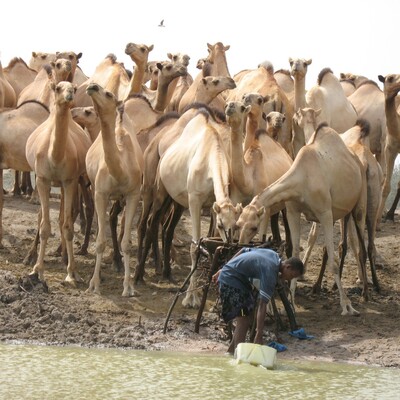
Camels drinking at a water pan in Wajir County, Kenya

ACTIVE Feb 2028

Emerging public health threats in Africa’s drylands

  • Eastern and southern africa
    • Kenya
    • Ethiopia
    • Tanzania
    • Uganda
    • Zimbabwe
    • Burundi
  • West Africa
    • Burkina Faso
    • Mali
    • Nigeria
    • Senegal
  • South Asia
    • India
    • Nepal
  • East and Southeast Asia
    • Vietnam
  • Explore our work in the countries
  • News
  • Events
  • ILRI in the media
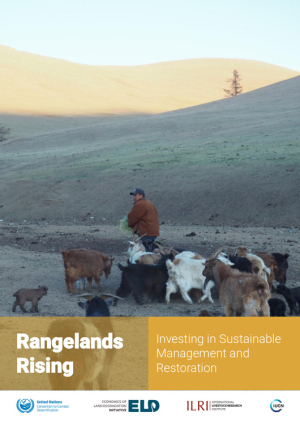
SAAF_ActivityReport_AdoptingTechnologies.pdf.jpg
2025

Adopting technologies to enhance productivity, resilience and equity in ruminant livestock resources under pastoral systems of Africa

  • Ojango, Julie M.K.
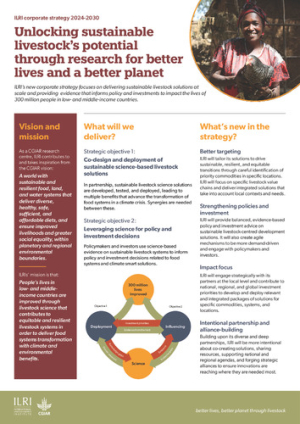
two_pager_ strategy.pdf.jpg
2024

Unlocking sustainable livestock’s potential through research for better lives and a better planet: ILRI Corporate Strategy 2024–2030

  • International Livestock Research Institute
  • Outputs
    • Publications
    • Journal articles
    • Presentations
    • Infographics
    • Browse archive
  • Data
    • Datasets
    • Apps
  • Multimedia
    • Videos
    • Podcasts
    • Stories
  • Careers
  • Subscribe

  • Livestock and climate change solutions
  • Program: ILRI at COP26
  • Reception
  • Opening address for LEAP session
  • Presentation
  • Official side events
  • Side event
  • Our climate change experts
  • Featured publications

Main navigation

  • About
    • Overview
    • People
    • Supporters
  • Research
    • Impact areas
      • Climate adaptation and mitigation
      • Environmental health and biodiversity
      • Gender, equality, youth and social inclusion
      • Nutrition, health and food security
      • Poverty reduction, livelihoods and jobs
    • Research support
      • Research compliance
      • Communication and knowledge management
      • Intellectual property and legal unit
      • Data and research methods
    • Themes
      • Health
      • Livestock, Genetics, Nutrition, and Feed Resources
      • People, Policies, and Institutions
      • Livestock, Climate, and Environment
    • Projects
    • CGIAR research initiatives
    • BecA-ILRI Hub
    • Innovations scaling and impact
    • Capacity development
    • Facilities
      • Centre for tropical livestock genetics and health
      • ILRI Genebank
      • Kapiti research station
      • Mazingira centre
      • One health centre
      • Poultry facility
      • The CGIAR AMR hub
      • Tick unit
      • Bioscience facility
      • Genomics platform
      • ILRI-Hyderabad livestock research facilities
  • Where we work
    • Eastern and southern africa
      • Kenya
      • Ethiopia
      • Tanzania
      • Uganda
      • Zimbabwe
      • Burundi
    • West Africa
      • Burkina Faso
      • Mali
      • Nigeria
      • Senegal
    • South Asia
      • India
      • Nepal
    • East and Southeast Asia
      • Vietnam
    • Explore our work in the countries
  • News & Events
    • News
    • Events
    • ILRI in the media
  • Knowledge
    • Outputs
      • Publications
      • Journal articles
      • Presentations
      • Infographics
      • Browse archive
    • Data
      • Datasets
      • Apps
    • Multimedia
      • Videos
      • Podcasts
      • Stories
  • Join Us
    • Careers
    • Subscribe

Secondary navigation

  • Search
  • Microsites

COP26

One crisis, shared solutions

 The UK hosts the 26th UN Climate Change Conference (UNFCCC) of the Parties (COP26) in Glasgow on 31 October – 12 November 2021. 

While the livestock sector has featured heavily in public debates and policy discussions on climate change mitigation, there has been relatively little mainstream coverage given to the important role of livestock in helping LMIC communities adapt and become more resilient to climate change. At the same time, more investment is needed to support the livestock sector to adapt, and ensure livestock continues to offer people a pathway out of poverty, even as the climate changes. 

For ILRI, COP26 is an opportunity to share these views as part of a global conversation.


Livestock and climate resilience map

ILRI collaborated with SEBI Livestock, The Centre for Tropical Livestock Genetics and Health (CTLGH), the Global Academy of Agriculture and Food Security (GAAFS) and produced a map-based visualisation showing crowd-sourced case studies that highlight the diverse practices, approaches and innovations to adaptation in the livestock sector in LMICs.

@COP26 discussions today focus on the losses and damage caused by climate change.

While we search for #adaptation solutions together, small livestock keepers are already coping with the challenge. Here is how #ClimateAction #CGIAR4Climate pic.twitter.com/P8js55ic2K

— ILRI.org (@ILRI) November 8, 2021

CGIAR Livestock, Climate and System Resilience Initiative

This initiative aims to partner with public and private actors to develop and deliver actionable innovations that measurably help producers, businesses, and governments adapt livestock agrifood systems to climate change and reduce greenhouse gas emissions, contributing to sustainability and development goals across livestock systems. Read more

Livestock and climate change solutions

Few are experiencing climate change more acutely than livestock farmers in poor countries.

Many farmers are building up their resilience to help them with the crisis.

While we search for adaptation solutions together, small livestock keepers are already coping with the challenge.

6 states in India have included cactus pear in their agricultural production plans

Ethiopia’s native chickens cope better with harsh conditions.

Small-scale mixed crop-and-livestock farmers are pioneers in sustainable and efficient use of natural resources.

How do we intensify livestock to feed the global south, but also mitigate climate emissions? Is it possible to increase livestock productivity while decreasing its environmental cost?

If Sub-Saharan Africa produces just 7% of global greenhouse gas emissions, and the livestock sector just a fraction of those, why should the governments of these countries be concerned?

Program: ILRI at COP26

Reception

Launch of Jameel Observatory 

The Jameel Observatory for Food Security Early Action is a new centre of excellence launched in Kenya in September by the University of Edinburgh, Save the Children, the International Livestock Research Institute (ILRI), the Abdul Latif Jameel Poverty Action Lab at MIT (co-founded by Nobel Prize laureates Abhijit Banerjee and Esther Duflo), and Community Jameel. The Jameel Observatory aims to harness technology and data to address the impact of climate change on hunger.

This high level reception is invite only.

Contacts

Date and time

2 November 2021, 6:30 - 9 PM

See all UNFCC side events

Opening address for LEAP session

Accelerating climate action in the livestock sector: opportunities across systems

This event is convened by FAO LEAP partners. It aims to share knowledge about methane assessment and climate solutions. Additionally, the event will call for greater collaboration in the livestock sector to better cope with the climate ambition challenges and promote healthy ecosystems. To this end, it will present the future work of LEAP and the recently-published catalogue of applications showcasing evidence-based solutions and best practices about climate change, soil carbon storage, grassland management, water productivity and biodiversity.

View the video message by ILRI's Assistant director general Shirely Tarawali below.


Contacts

Date and time

November 3 2021, 11:30 - 12:45 PM GMT

Venue: Multimedia studio 2

Watch the livestream

Presentation

Anticipatory action for drought: Making a difference for pastoralists and farmers in the Horn of Africa on the Resilience Hub

Speakers will share insights on how weather forecast information and improved understanding of local communities’ needs can be used by humanitarian and development actors -and climate-vulnerable populations themselves- to significantly reduce human suffering and economic losses from climate-related shocks. They will address major outstanding program and policy questions for the Horn of Africa, including how external anticipatory action can best reinforce the adaptations of climate vulnerable populations; when during a crisis, external assistance can best strengthen existing local capacities and strategies; and what needs to be done differently for anticipatory action to be effective in fragile, conflict-affected contexts.

To add this event to your calendar, click here

The context for Anticipatory Action in East Africa from ILRI

Contacts

DATE AND TIME

3 November 2021, 08:15 GMT

Watch the livestream

Official side events

Raising Ambitions on Climate Action in the Global Dairy Sector to Achieve the Paris Agreement

This virtual event is organized by the Republic of Uruguay and Global Dairy Platform.

The dairy sector is committed to reducing GHG emissions while continuing to produce nutritious foods for six billion people and provide for the livelihoods of one billion people globally. Pathways to Dairy Net Zero is a ground-breaking, multi-stakeholder initiative that aims to accelerate climate change action across the dairy sector. This side event will provide an overview of the new climate effort, which is already supported by organizations representing more than 30 percent of global milk production.

In addition, Dr. QU Dongyu, Director-General of FAO, will make a presentation and Uruguay, Kenya (invited) and the United States (invited) will share how they are taking related climate action in their countries.

Date and time

4 November 2021, 11:30 - 12:45 GMT

Watch the recording

Side event

Towards Sustainable Livestock Systems

This event is organised by the governments of the Netherlands, New Zealand, Colombia and Kenya, and the International Livestock Research Institute (ILRI) and Wageningen University and Research (WUR).

Date and time

10 November 2021, 13:15 – 14:30 GMT

Watch the recording

Our climate change experts

Claudia Arndt

Claudia Arndt

Senior Scientist - Team Leader of the Mazingira Centre

Rupsha R Banerjee

Rupsha R Banerjee

Senior scientist- Institutions and Innovation

Todd Crane

Todd Crane

Principal Scientist, Climate change adaptation & Head of delegation UNFCCC

Fiona Flintan

Fiona Flintan

Rangelands & Pastoralism Scientist

Birgit Habermann

Birgit Habermann

Scientist

Sonja Leitner

Sonja Leitner

Senior Scientist

Featured publications

ILRI logo

ILRI Kenya

PO Box 30709
Nairobi 00100, Kenya
  • +254-20 422 3000
  • +254-20 422 3001
  • ILRI-Kenya@cgiar.org

ILRI Ethiopia

PO Box 5689
Addis Ababa, Ethiopia
  • +251-11 617 2000
  • +251-11 617 2001
  • ILRI-Ethiopia@cgiar.org

Get Involved

  • Subscribe to our Newsletter
  • Facebook
  • Twitter
  • Slideshare
  • Flickr
  • Youtube
  • Linkedin
  • Pinterest
  • Instagram

We would like to thank all funders who supported this research through their contributions to the CGIAR Trust Fund.

CGIAR logo
  • Copyright and permissions
  • © 2026 International Livestock Research Institute
  • Creative commons