Culture domain analysis bridges science and local knowledge for better livestock management
Abstract
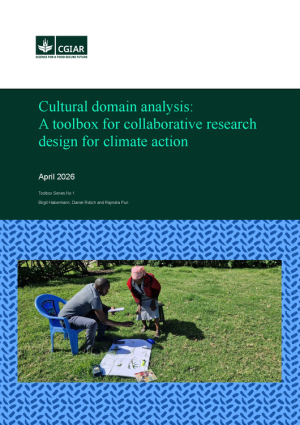
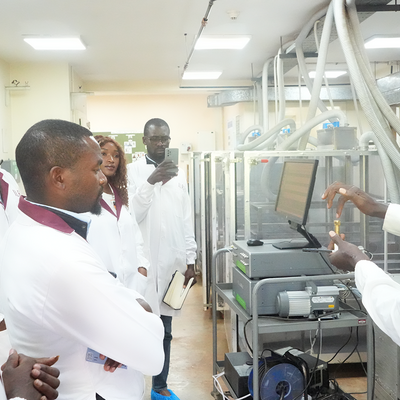
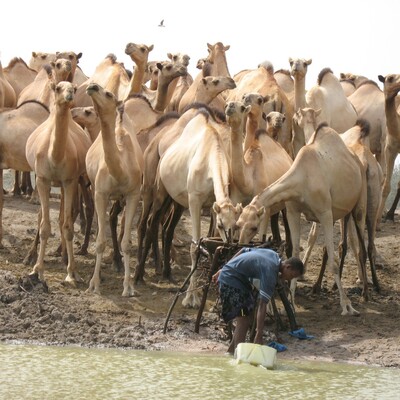
The International Livestock Research Institute (ILRI) hosted a training on Cultural Domain Analysis (CDA) from 9–13 March 2026 to strengthen researchers’ capacity to understand how farmers and pastoralists organize, prioritize, and apply knowledge in their daily lives. The training supported the HABITAT project, a three-year initiative in the Kenyan highlands investigating how smallholder pasture management affects biodiversity, climate resilience, greenhouse gas emissions, and livestock productivity. Led by Professor Rajindra K. Puri from the University of Kent, the training guided researchers on how to document the vast wisdom held by community members in a systematic way. Participants learned how to use ranking and sorting techniques, together with statistical analysis, to understand how farmers make decisions about livestock health, pasture management, and fodder resources. CDA enables researchers to document local knowledge in a structured way while recognizing farmers and pastoralists as experts in their own right. The approach creates opportunities for meaningful collaboration between researchers and communities and helps ensure that innovations are grounded in local realities and priorities.
Citation
Nyambok, S. and Mwangi, F. 2026. Cultural domain analysis bridges science and local knowledge for better livestock management. Blog Post. Nairobi, Kenya: ILRI.
Authors
Related Publications
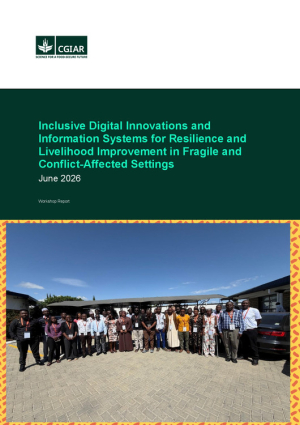
Inclusive Digital Innovations and Information Systems for Resilience and Livelihood Improvement in Fragile and Conflict-Affected Settings: Workshop report