Different journeys, one mission: Advancing low-emission livestock solutions
For Archit Mohapatra and Egas José Armando, the journey to Kenya began in different countries and with distinctly different research interests. But at the International Livestock Research Institute (ILRI), their work is converging around an important climate challenge: how to reduce livestock emissions while supporting livelihoods and food security.
Mohapatra, a biotechnology PhD student from India, is investigating whether locally available legumes can help sheep produce less methane. Armando, an agricultural engineer from Mozambique, is developing a digital monitoring, reporting and verification (MRV) system to improve how emissions reductions from livestock waste are measured.
Both are Climate, Food and Farming: Global Research Alliance Development Scholarships (CLIFF-GRADS) fellows based at ILRI’s Mazingira Centre in Nairobi, where they work alongside scientists and technical experts. CLIFF-GRADS gives early-career researchers from low-and middle-income countries access to research facilities, technical expertise, mentorship, and international scientific networks. It is a joint initiative of the Global Research Alliance on Agricultural Greenhouse Gases (GRA) and the CGIAR Climate Action Science Program (CASP). Round 7 of the programme is funded by the Government of New Zealand and the Global Methane Hub, and administered by Randstad New Zealand.
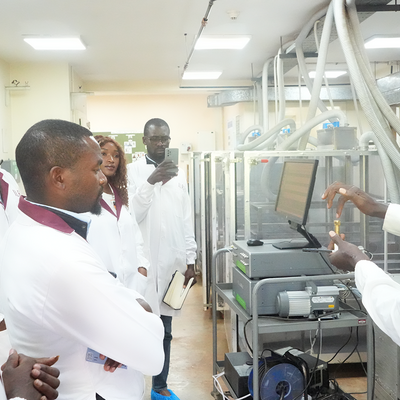
At the Mazingira Centre, researchers can study livestock emissions, feed systems, manure management, and climate mitigation options within a single research environment, creating opportunities for collaboration across disciplines and countries. For fellows such as Mohapatra and Armando, the placement offers access to a unique combination of facilities and expertise.
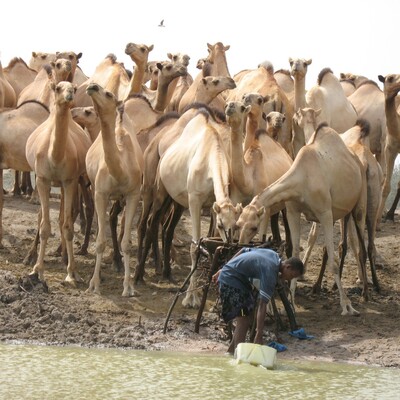
Greenhouse gas emissions are among the most pressing challenges facing livestock production today. Yet livestock supports the livelihoods of about 1.3 billion people worldwide, providing food, income, and employment, particularly in low- and middle-income countries. Balancing these economic and social benefits with the need to lower the sector's environmental footprint is key to building more productive and sustainable livestock systems.
Finding better feed
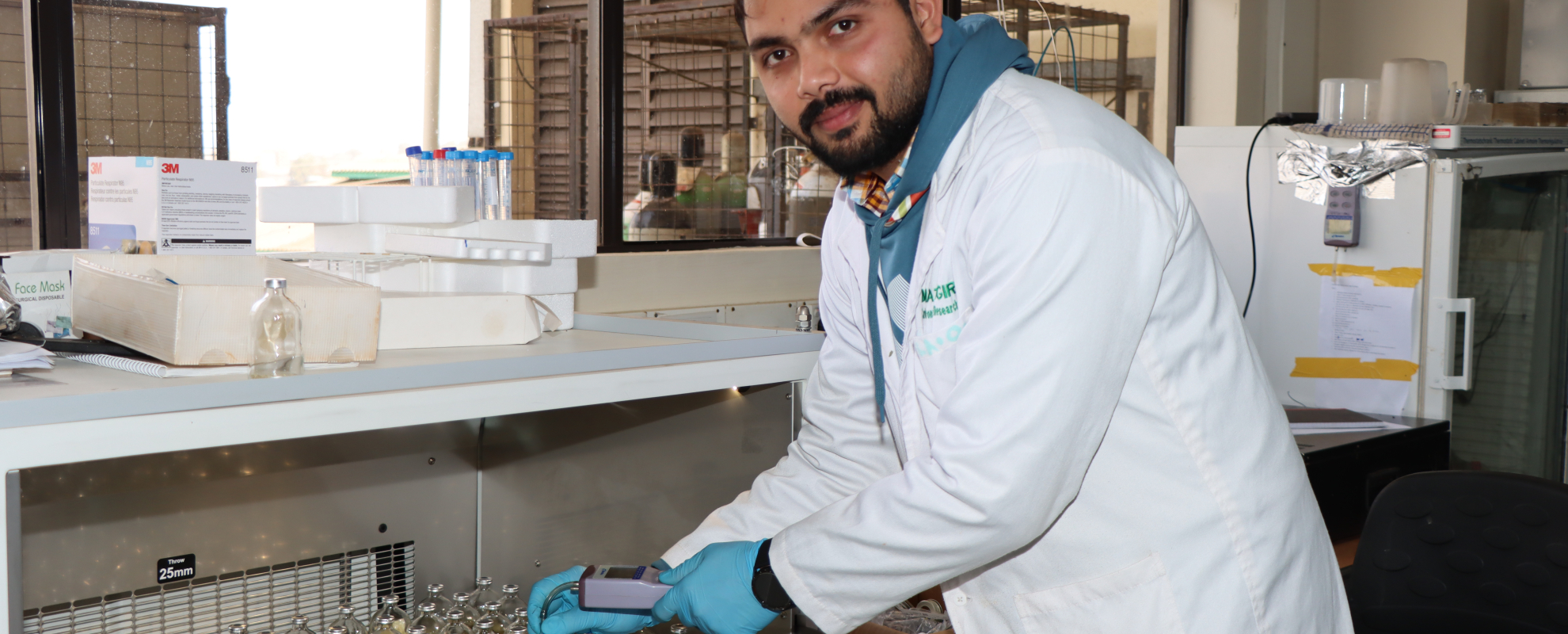
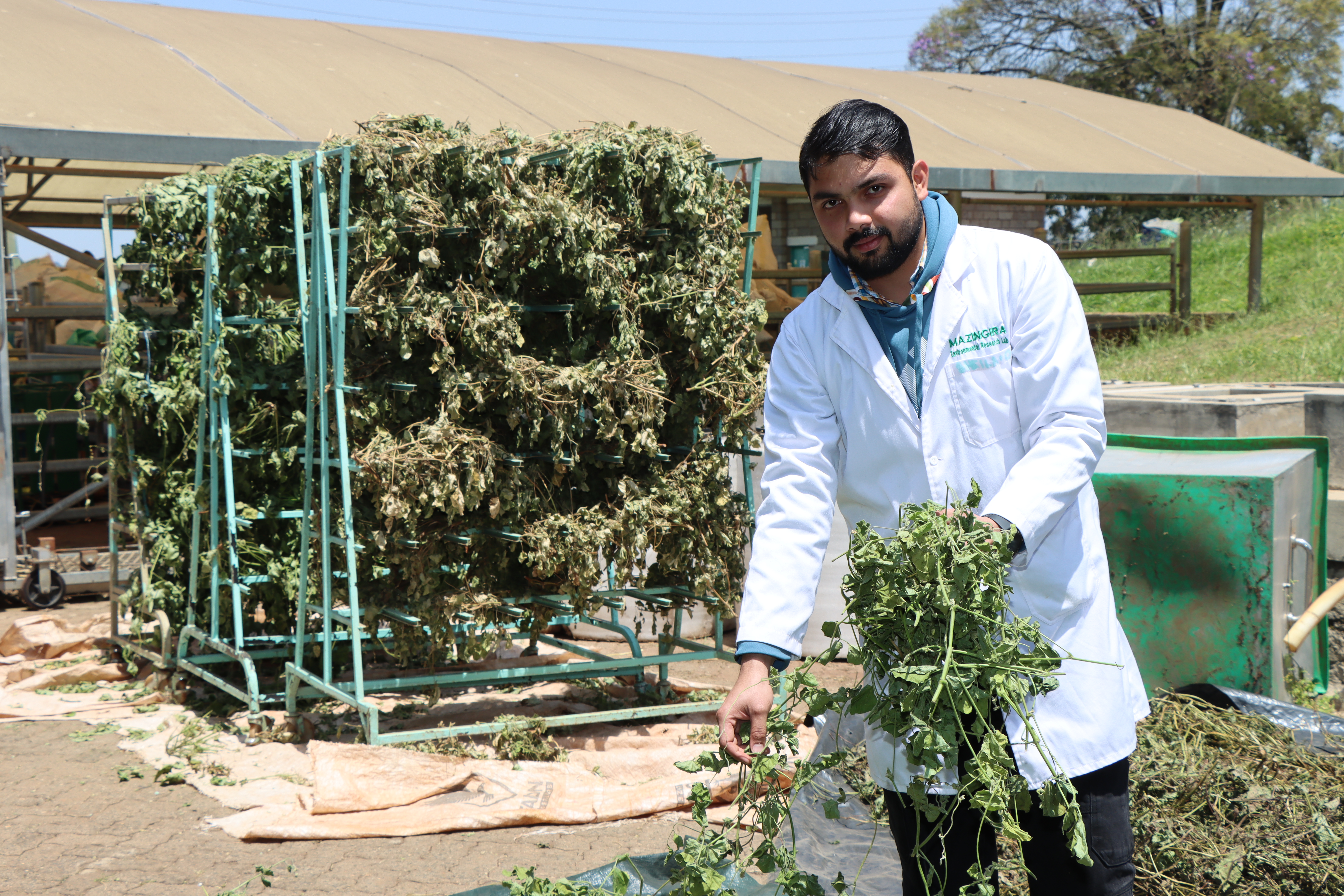
Mohapatra joined the Mazingira Centre in May 2026 to contribute to the Low-Methane Forage project. His research focuses on identifying locally available legume forages that can reduce methane emissions from sheep while maintaining productivity.
“I am inspired by the belief that bringing together diverse ideas and Africa’s rich natural resources can turn tropical forages into solutions that benefit the world.” Mohapatra says.
In the laboratory, he is testing different forages to understand their digestibility, methane production, and effects on rumen microorganisms involved in methane formation.
The work has also given him a close look at what happens before an experiment begins. One of the lessons he has valued most is seeing how researchers carefully plan and design experiments before moving into laboratory testing.
For Mohapatra, however, the ultimate test is whether the research can lead to feeding options that work for farmers: “If we can reduce methane emissions while improving productivity, it will be a win-win for both the environment and farmers.”
His research is therefore looking beyond methane alone, towards feeding strategies that could contribute to livestock systems that are both more productive and lower in emissions.
Making manure count
While Mohapatra is looking inside the animal, Armando is looking at what happens outside it.
Armando arrived at ILRI in June 2026 for a five-month placement. A PhD researcher at the University of Rwanda, he specializes in the Internet of Things and embedded computing systems. He also lectures in agricultural engineering at Eduardo Mondlane University in Mozambique.
“My interest in digital agriculture comes from a passion for solving real-world problems and using technology to make farmers’ lives better.” says Armando.
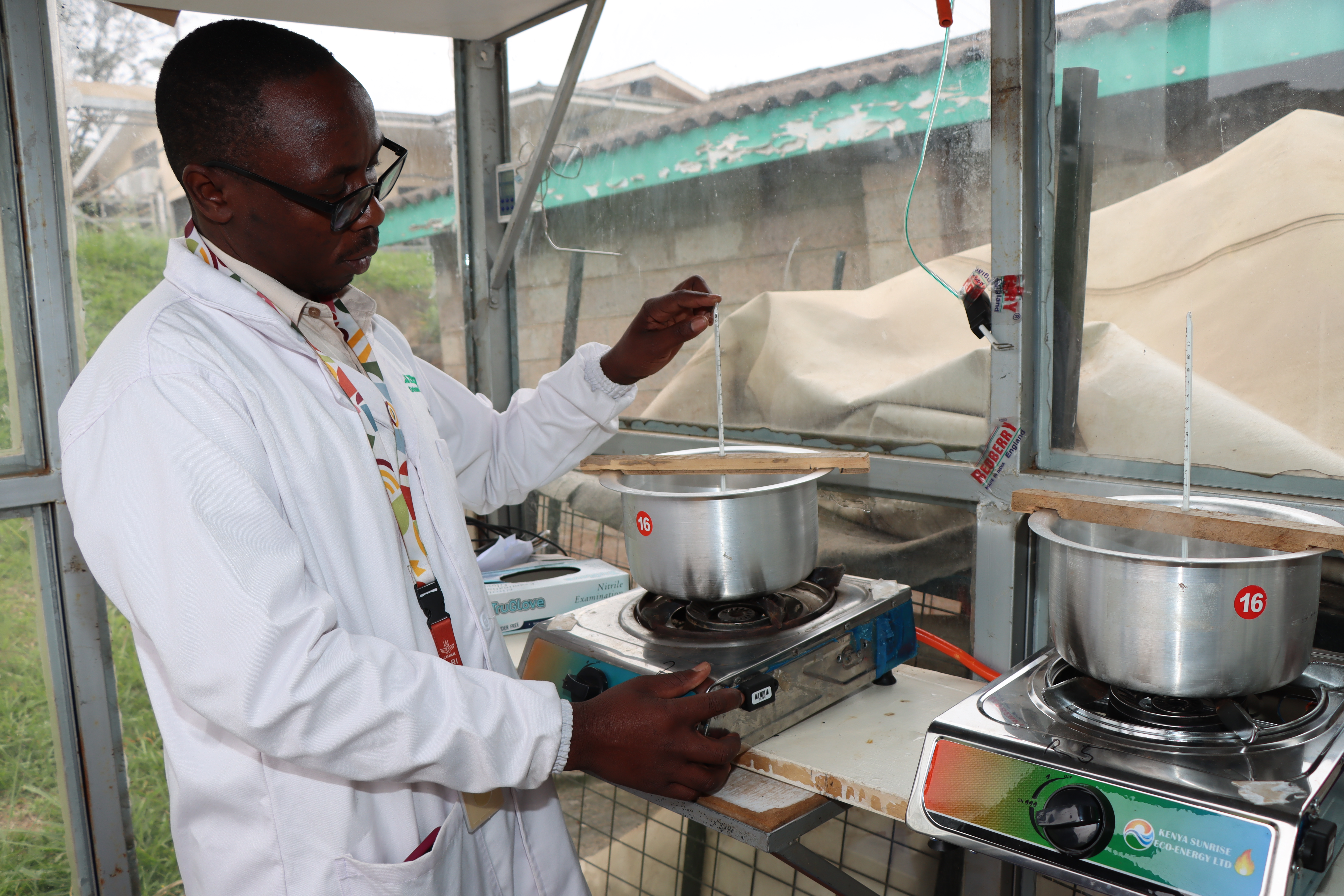
At the Mazingira Centre, he is applying those digital skills to the biogas digester that turns livestock manure into biogas and digestate. Biogas is a cleaner cooking fuel and reduces dependence on firewood, while digestate can be used as a nutrient and carbon-rich organic fertilizer.
The potential is significant, but demonstrating environmental benefits requires reliable data. Measuring temperature, pressure, and gas flow manually can be difficult and time-consuming so Armando is working on a sensor-based digital system that automatically collects this information and integrates it into a single dashboard.
The goal is to make it easier to understand how the system is performing and, importantly, to generate reliable data for assessing greenhouse gas reductions.
“If we want to claim greenhouse gas credits (units earned for reducing emissions), monitoring, reporting, and verification have to be accurate and transparent,” Armando explains.
His work illustrates another dimension of climate action: reducing emissions is only part of the challenge. Reliable data are also needed to quantify and report those reductions. Digital monitoring systems could contribute to broader MRV approaches used to track mitigation outcomes and, potentially, support mechanisms that provide financial incentives for adopting low-emission practices.
Growing through collaboration
Mohapatra and Armando are among four CLIFF-GRADS fellows currently based at the Mazingira Centre. They bring different scientific backgrounds, experiences, and perspectives, but share a commitment to developing practical solutions for more sustainable livestock systems.
For Mohapatra, one of the most rewarding aspects of the fellowship has been exposure to new approaches, perspectives and research methods.
“All of the researchers come from different parts of the world, so we share our experiences, learn from one another, and work together,” he says.
As they near the end of their placements, both fellows are looking ahead to how they can apply what they have learned. Alongside their research experience, they will take home new technical skills, expanded professional networks, and practical insights that can support climate-smart livestock development in their respective countries.
And as the world searches for practical ways to make livestock systems more productive and lower in emissions, that knowledge could help turn research into solutions that deliver impact far beyond the walls of the Mazingira Centre.
Acknowledgement
ILRI acknowledges the support of the Climate, Food and Farming – Global Research Alliance Development Scholarships (CLIFF-GRADS) programme, a joint initiative of the Global Research Alliance on Agricultural Greenhouse Gases (GRA) and the CGIAR Climate Action Science Program (CASP). Financial support for CLIFF-GRADS Round 7 is provided by the Government of New Zealand and the Global Methane Hub.
ILRI also acknowledges support for Archit’s research through the Low Methane Forage project, funded by the Gates Foundation and Bezos Earth Fund, alongside CGIAR Climate Action Program support, and for Armando’s research funded through the Environmental Defense Fund (EDF), and the CGIAR Climate Action Program. The research reported here was also partially supported by a gift made to ILRI by the Rainier Foundation that invests in Livestock and Climate research and development in Africa.