Facilitative humility: Finding resilience in farmers’ own innovations
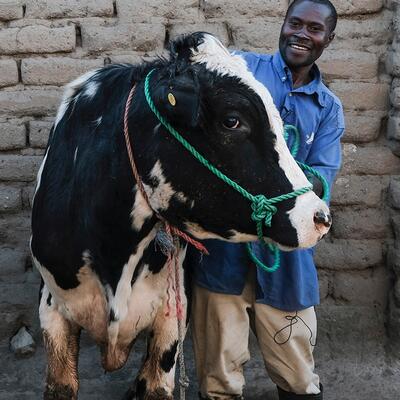
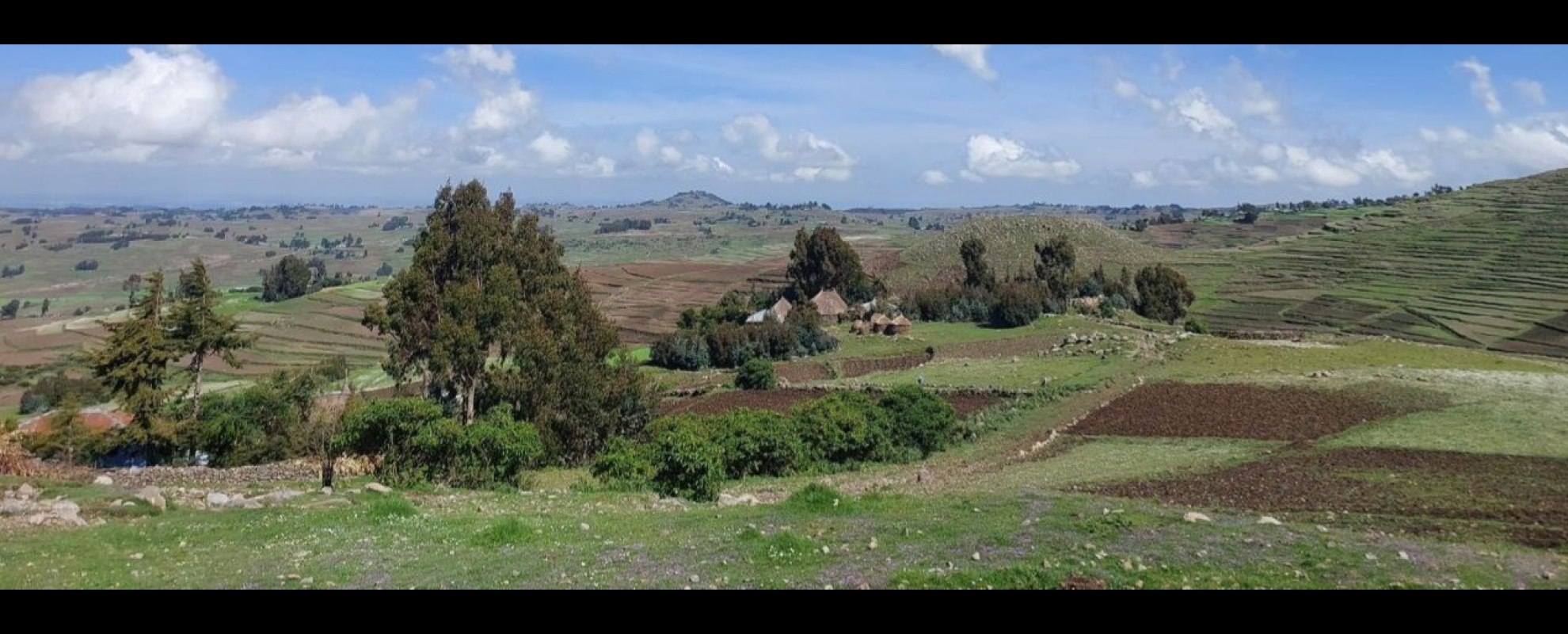
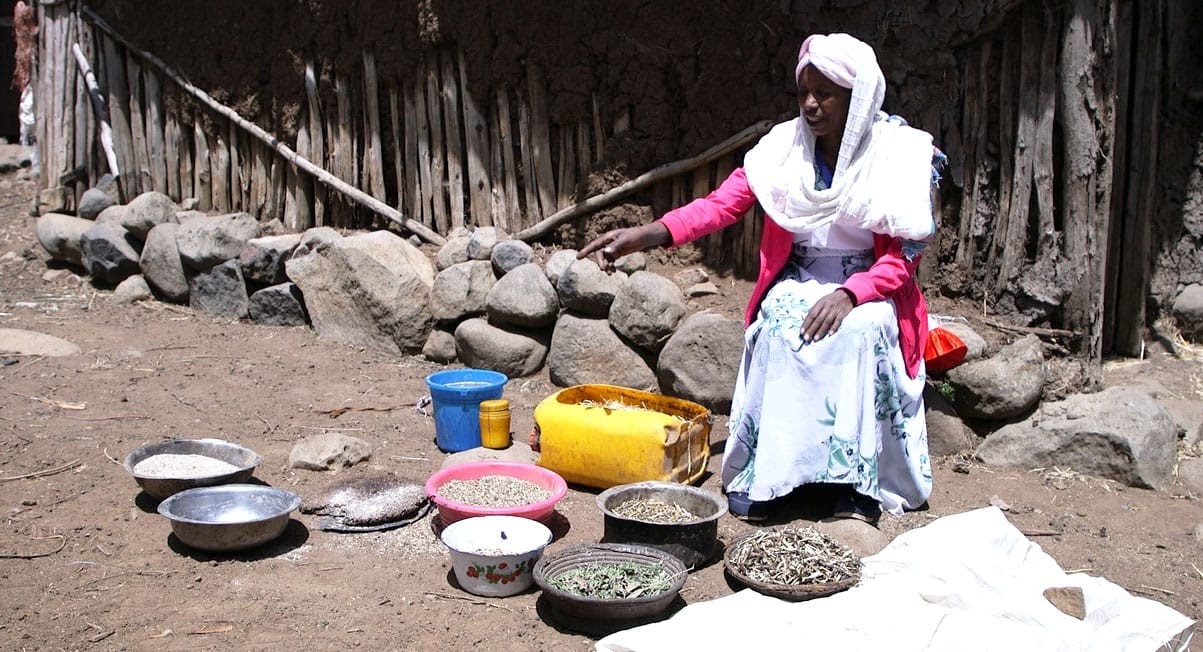
In Gudoberet Kebele in Ethiopia’s Amhara Region, a widow who could not afford commercial livestock feed began experimenting with what she had: lucerne leaves, crop residues, and local knowledge accumulated from years of farming. By drying and mixing tree lucerne with homemade concentrate made from leftover grains, she developed a feed formulation that sustained her sheep through dry seasons and changing weather conditions.
What began as a survival strategy gradually transformed her livelihood. Sheep that once took nearly two years to fatten could now be prepared for market within a few months, helping her cover school, household, and agricultural expenses without relying on credit. Her accomplishments eventually attracted the attention of researchers at the International Livestock Research Institute (ILRI), who saw in her work practical farmer-developed solutions to climate and feed challenges.
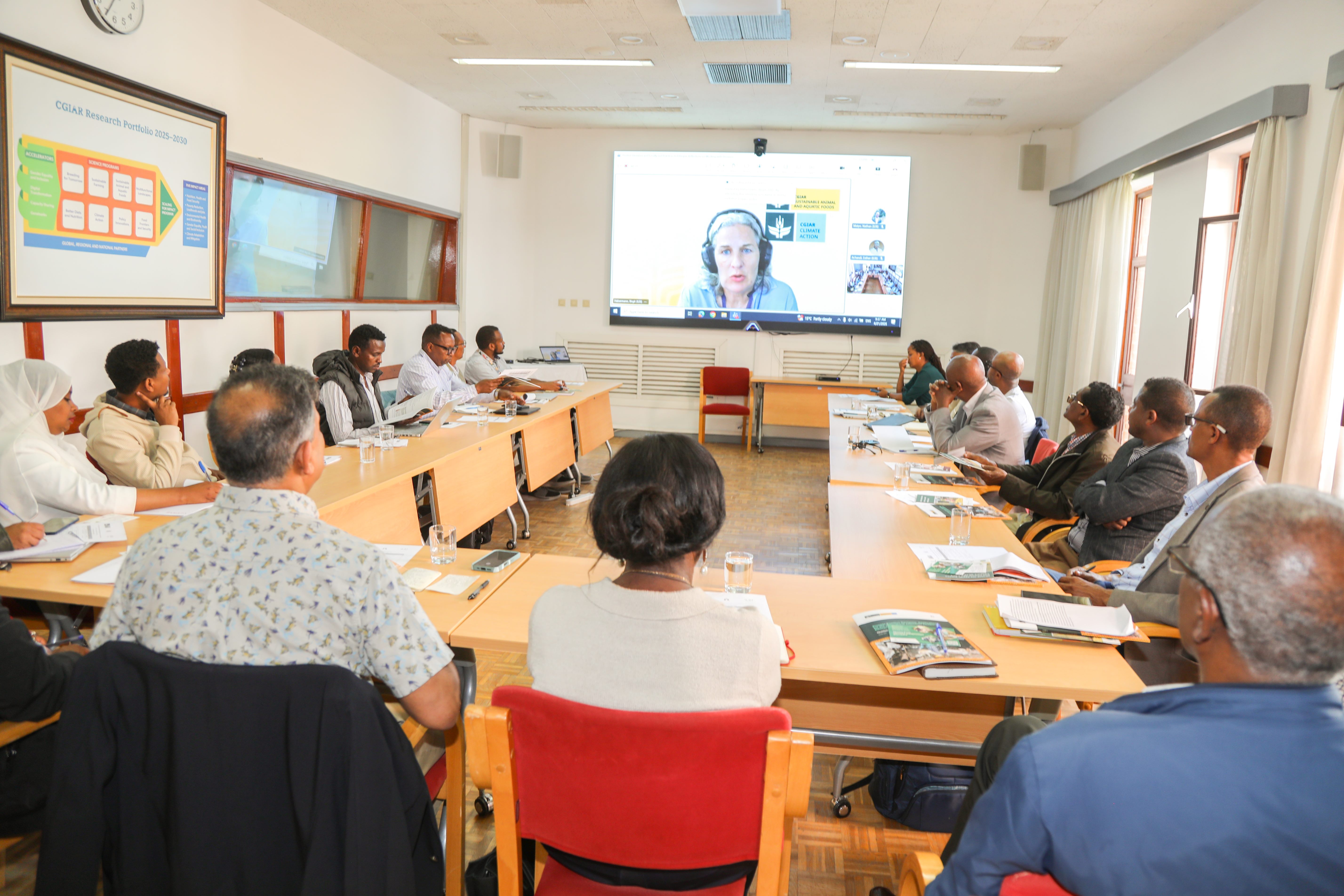
Her experience was one of the examples discussed during a recent seminar at ILRI in Addis Ababa, which explored pioneer positive deviance (P-PD), a methodology for identifying "outliers" who succeed despite facing systemic constraints. Titled “Positive deviance and locally- led practices in Ethiopia: Reflections on working with pioneers”, the session focused on facilitative humility, which uses scientific research to validate and scale the ingenuity already existing within farming communities.
This discussion comes at a critical moment for Ethiopia, where a transition into a pluralistic extension system may create opportunities to rethink which innovations are adopted and whose innovations they are. The new system aims to shift the country's agricultural production from subsistence to commercialized farming by integrating public, private, non-governmental, and cooperative advisory services.
The seminar held on 21 April 2026 was led by Arvind Singhal, a global authority on positive deviance who has spent decades documenting how communities solve their own problems. Rather than passive recipients of expertise, Singhal encouraged participants to view local communities as sources of innovation, often invisible to formal research systems.
To illustrate this idea, Singhal shared a story from the Bolivian highlands. While malnutrition plagued a village, a few children remained healthy. The difference was not access to food, but the depth of a mother’s ladle: while others skimmed thin broth from the surface, "positive deviant" mothers dipped deep to retrieve the nutrient-dense sediment at the bottom.
This story resonated with Ethiopian researchers confronting similar questions around livestock feeding, adaptation, and resilience in climate-stressed communities. The crux of P-PD is that solutions lie not in new resources but in better ways of engaging with what is already present.
Shifting the lens
For researchers, adopting P-PD requires a major shift in perspective. Instead of beginning with external recommendations, the approach starts by identifying farmers who are already succeeding under difficult conditions and understanding what they are doing differently.
"Our role is not to teach, but to make existing successes visible," ILRI research officer Tigist Worku observed. "Solutions often exist within a community for years; our task is to give them a platform."
Worku and fellow research officer Elizabeth Getahun described how documenting farmer innovations can transform both agricultural practice and farmer identity. Once these innovations are formally recorded, tested and shared, farmers are recognized as innovators; they are no longer just beneficiaries of external knowledge and inventions.
Bridging research and policy
While recognizing the benefits of P-PD, seminar participants also acknowledged the challenges that come with scaling local innovations. For instance, participatory research is often critiqued as time-consuming, and practices that succeed in one ecological or social setting may not automatically transfer elsewhere.
Speaking on the research pace, Hiwot Workagegnehu of the German Corporation for International Cooperation (GIZ) described P-PD as a strategic, front-loaded investment that requires a significant initial commitment to "deep listening", a principle championed by the methodology's founder, Jerry Sternin. However, this strategic investment can reduce dependency on costly external interventions over time.
"I see P-PD as a process where we invest heavily at the beginning in identifying the pioneers. Once that identification is complete, the upscaling often occurs organically," Hiwot explained.
As the conversation shifted towards national impact, Getahun Endale of Ethiopia’s Ministry of Agriculture stressed a critical requirement: integration. Local innovations must be embedded within the government’s existing livestock extension machinery, which includes thousands of extension workers working in rural areas.
"We must align this positive deviance with the ministry's existing extension approaches to ensure these practices are implemented across our system," Endale stated. “Such integration could eventually influence the country’s national livestock strategy, helping transform isolated farmer innovations into broader models for climate resilience.”
Rooting expertise in local knowledge
Scientific collaboration is essential in this integration. Birgit Habermann, a scientist at ILRI, clarified that in P-PD, the scientist’s role is not to judge whether farmers possess knowledge, but to generate the evidence needed to strengthen and scale successful local practices responsibly.
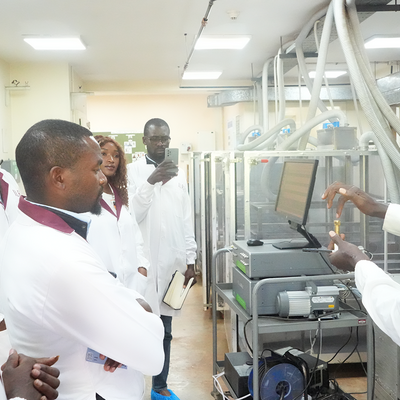
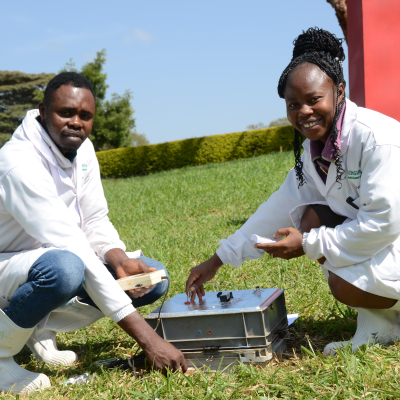
For example, by analyzing a pioneer’s homemade feed in a lab, researchers can identify its nutritional composition and explain why it performs well. That technical evidence helps local innovations gain legitimacy within national agricultural systems without disconnecting them from their local origins.
The session closed with a reflection on Abraham Lincoln’s famous remark. When asked how tall he was, he replied, "Tall enough that my feet reach the ground."
One of the hardest gaps to bridge in global research is the distance between the researcher and the ground. Whether in the Bolivian highlands or the Ethiopian drylands, the pioneer is already standing on firm ground. The goal is to meet them there, ensuring that science supports local expertise rather than questioning or replacing it.
The next agricultural breakthrough may not first emerge from a laboratory or policy document. It may already exist in a farmer’s field, waiting to be noticed.
Further reading
Related Publications
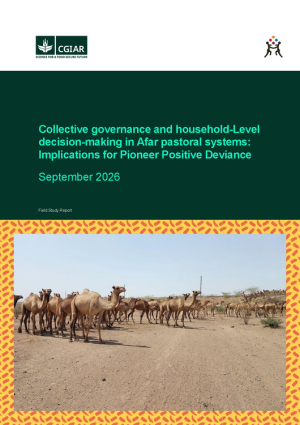
Collective governance and household-Level decision-making in Afar pastoral systems: Implications for Pioneer Positive Deviance