Getting ahead of El Niño: turning early warnings into action across the Horn of Africa
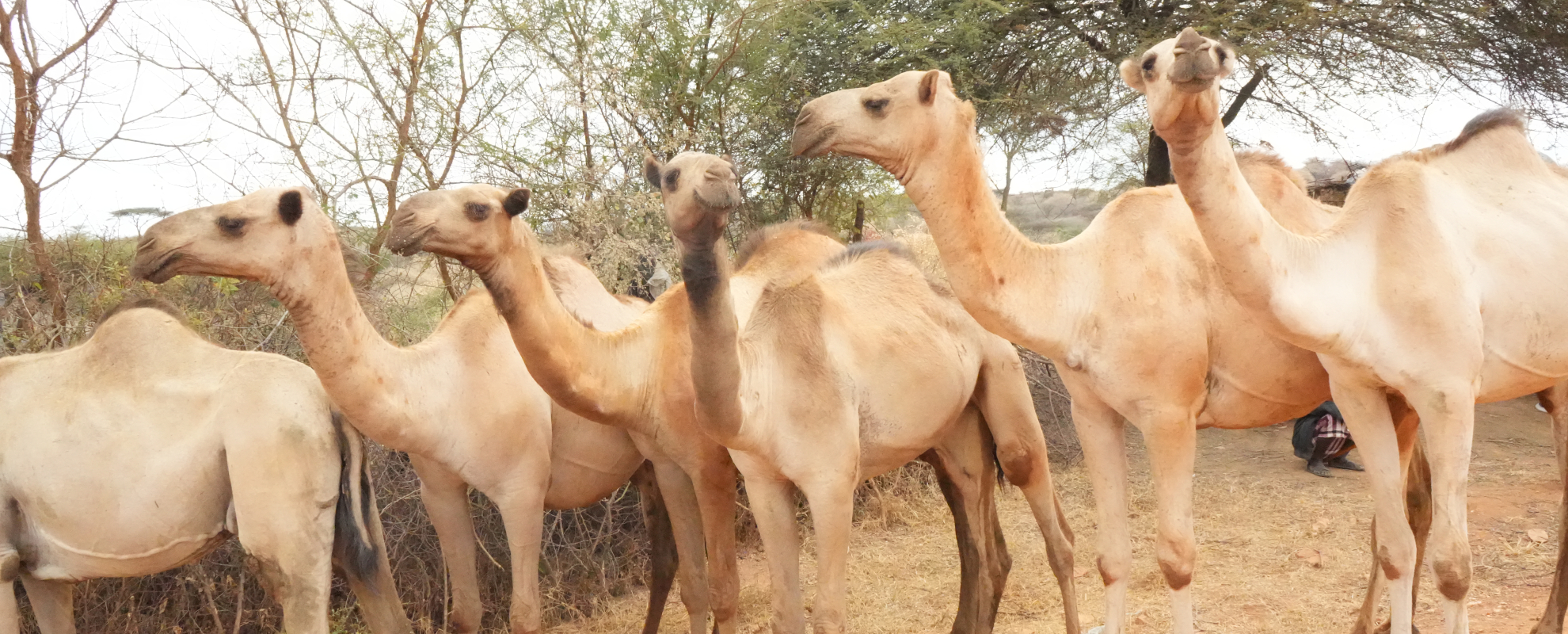
When El Niño rains reach the drylands of the greater Horn of Africa, the first problems herders face is likely to be practical: a flooded track to market, animals falling sick and veterinarian who cannot get through to them.
“Climate forecasts can warn of impending hazards, but their value ultimately depends on what happens before those hazards become a crisis,” says Kelvin Shikuku, senior scientist, and economist at the International Livestock Research Institute (ILRI).
"Early warning systems work best when they trigger fast action to prevent damage. This requires connecting weather forecasts directly to emergency services, communication networks that reach the communities most at risk, and to funding," he adds.
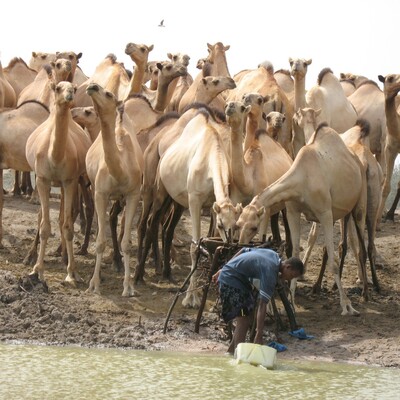
In pastoral and agro-pastoral areas, these extreme weather events like an El Niño can disrupt entire livelihood systems. They can result in blocked livestock routes, and damaged roads and bridges. These can interrupt trade and restrict access to veterinary services. Heavy rainfall can also increase crop pests and trigger major spikes in vector-borne and waterborne animal diseases, such as Rift Valley Fever. When extreme weather disrupts markets, pressure on shared natural resources grows. These effects rarely stop at borders. They spread across shared river basins, grazing territories, livestock migration routes, and trade networks. Across the Greater Horn of Africa, preparing for El Niño therefore calls for coordinated action to protect livestock, maintain access to markets and essential services, and reduce the risks facing communities whose livelihoods depend on interconnected drylands.
These challenges were central to the Regional High-Level Forum on El Niño Preparedness hosted by the Intergovernmental Authority on Development (IGAD) in Addis Ababa, Ethiopia, from 15 to 17 September 2026. The forum brought together governments, research institutions, humanitarian and development organizations, technical agencies, and private-sector participants to examine how regional early-warning systems can trigger timely and coordinated responses. One message came through clearly: Because climate risks extend beyond administrative or national boundaries, preparedness efforts should also do the same.
"To be fully prepared, countries must share risk assessments, track threats together, and exchange data across borders. Our response strategies must reflect how closely livestock, animal health, and trade connect across the region," says Meshack Baraza, a graduate fellow at ILRI.
Connecting risk information to practical support
At ILRI, this challenge is at the heart of research under the Risk Management for Vulnerable Populations theme, which examines how climate and environmental shocks affect livestock, markets, food security, and household welfare. Its consistent lessons are that early warning delivers greatest value when information triggers action before losses escalate. The need is most acute in fragile and conflict-affected settings, where insecurity, displacement, restricted mobility, and limited access to formal risk-management services can compound climate-related vulnerabilities.
“ILRI studies how factors like water shortages, animal diseases, market shifts, and food scarcity combine to affect a family's ability to survive crises. By mapping these links, we can spot upcoming hardships early and step in to protect vulnerable households before things get worse,” explains Samuel Derbyshire, a postdoctoral fellow working on triggers for anticipatory action.
Two complementary ILRI approaches are central to this work. The first is insurance that gives pastoralists financial protection. The second is community-generated data that shows what is happening on the ground.
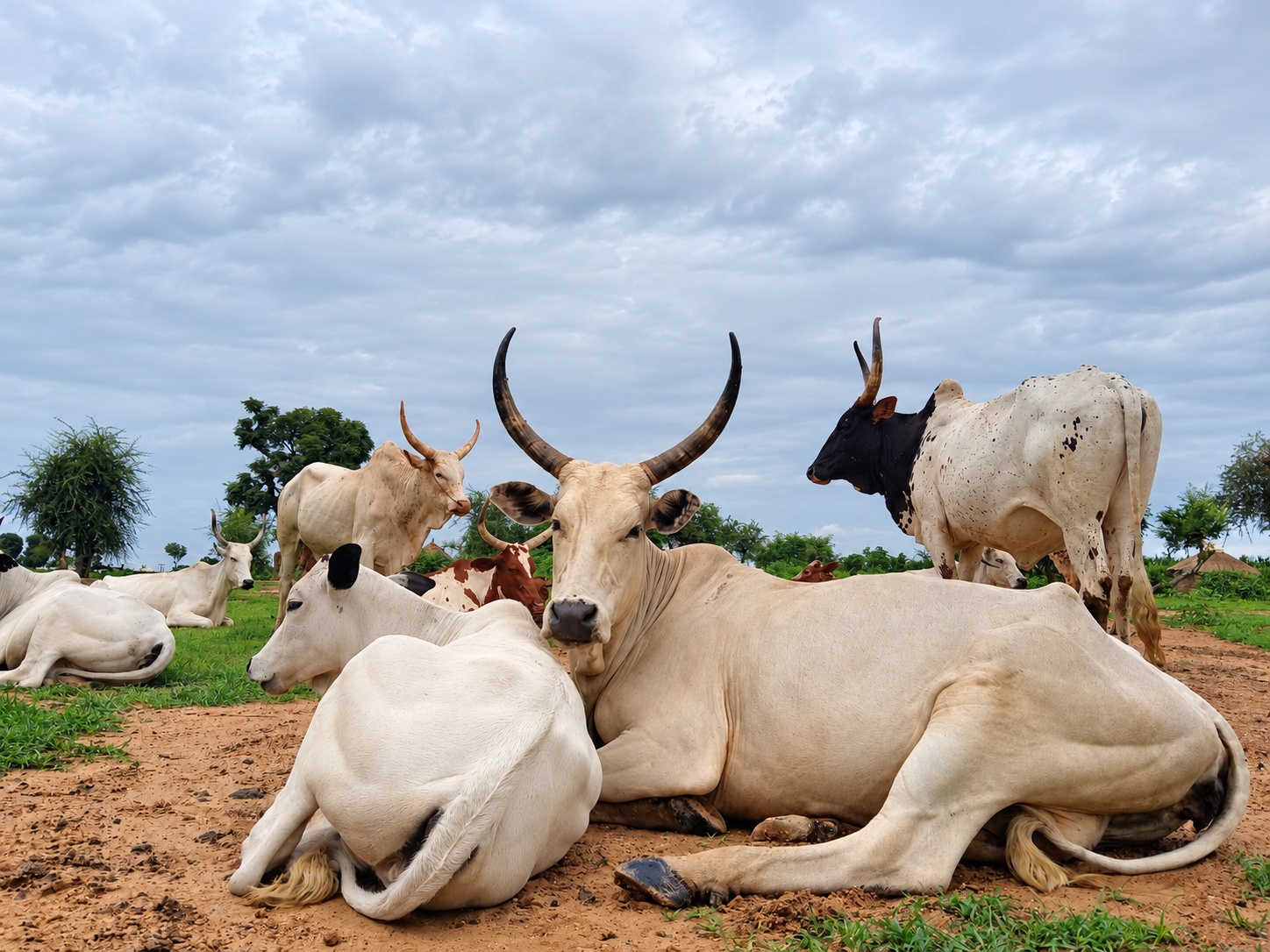
Index-Based Livestock Insurance (IBLI) provides financial protection against drought-related forage losses, using independently measured environmental indicators to trigger payouts. Timely payments can help pastoralists secure feed, water, and other essentials to protect their herds before deteriorating conditions lead to substantial losses. The evidence is strong. Pastoralists with IBLI cover are 36 percent less likely to make distress sales of livestock. Insured households also cut meal skipping by 25 percent and rely 33 percent less on food aid. More than 500,000 IBLI policies have been sold, with beneficiaries exceeding three million people in Kenya, Ethiopia, and Somalia.
However, insurance can do more than compensation. Bundled Index-Based Livestock Insurance links financial protection with services that address the multiple risks livestock keepers face. These can include veterinary care, vaccination, and disease surveillance at times when flooding and crowded herds heighten animal-health risks. They can also include fodder vouchers, links to feed suppliers, emergency credit, and climate and market information tailored to local circumstances. Insurance triggers could also be link to pre-approved credit or temporary changes to loan repayments. This would help pastoralists, traders, fodder producers, veterinary providers, and cooperatives to maintain their operations during climate shocks.
The El Niño Preparedness IGAD forum in Ethiopia provided a platform for advancing approaches such as these. Its emerging IBLI community of practice brings together member states, insurers, the IGAD Climate Prediction and Applications Centre (IGAD-ICPAC), United Nations agencies and other partners to exchange experiences, improve insurance products and strengthen their contribution to anticipatory action.
Bringing community intelligence into early warning
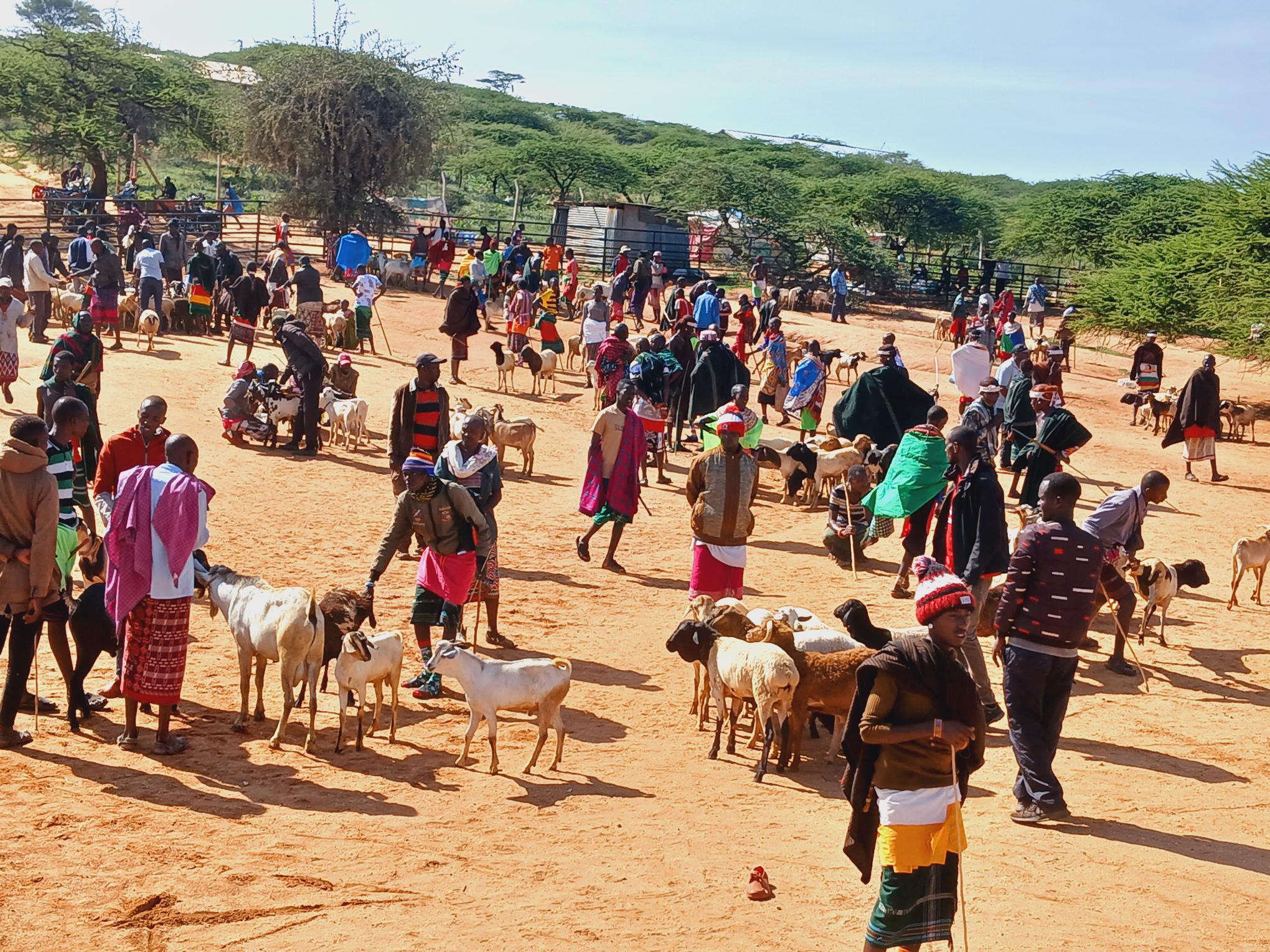
Satellite observations and seasonal forecasts provide essential information about changing environmental conditions. However, they cannot fully capture what is happening in individual markets, at water points, on grazing land and within livestock-keeping households.
KAZNET, an open-source, digital micro-tasking and crowdsourcing platform developed by ILRI helps close this gap. Local contributors complete short-paid reporting tasks on their phones, enabling the platform to generate frequent community-based observations on livestock markets, pasture and water conditions, animal body condition and health, household circumstances, mobility, and pressure on resources.
KAZNET operates across the drylands of East Africa, in Kenya and Ethiopia, and has expanded into West Africa through implementation in Kano State, Nigeria. Its scaling has also included integration with Kenya’s government-led Kenya Agricultural Observatory Platform (KAOP), extending the use and reach of community-generated livestock and rangeland information. These observations can reveal early signs of livelihood stress, deteriorating animal condition, unusual disease signals, disrupted livestock movements, and changing market conditions. Combined with climate, satellite, and administrative information, they provide a more complete picture of emerging risks. Integrating such information into early-warning systems can help governments identify areas requiring intervention; help insurers improve risk-management solutions; and help service providers anticipate demand for fodder, water, veterinary care, and other support. It also gives communities a more active role in producing and using information that informs decisions affecting their livelihoods.
"For centuries, pastoral communities have used traditional groups and networks to share information and for teaming up to mobilize resources. We need to recognize and build on these,” says Tahira Mohamed the regional partnership and engagement lead at ILRI.
Acting before losses becomes crises.
Protecting livestock before a crisis escalates has benefits that extend beyond reducing animal deaths. Healthy, productive animals support milk production, household nutrition, income, and herd reproduction. When livestock lose body condition, their productivity and market value decline, while household spending on feed, water, and food increases. Without timely support, families may be forced to sell animals at depressed prices, reducing breeding herds and making recovery more difficult and expensive. Rebuilding lost livestock assets can take several seasons.
The effectiveness of anticipatory action should therefore be judged not only by the number of animals saved, but also by its contribution to maintaining productivity, preventing distress sales, protecting household food security, and reducing future recovery costs. Across the IGAD region, the challenge is to make these benefits possible by connecting regional forecasts with information from affected communities, accessible financial protection and services that can respond before losses accumulate. Bundled insurance can provide financial support, KAZNET can make changing local conditions visible, connect community observations with wider environmental, market and livestock information. Regional institutions can coordinate action across borders, while governments and service providers deliver assistance where it is needed. The priority is to ensure that early warnings do more than signal an impending hazard. They must help trigger timely decisions and practical interventions that protect livestock, sustain pastoral livelihoods, and reduce the human and economic costs of climate shocks.