Life cycle assessment training builds regional expertise in greenhouse gas analysis and mitigation
As governments and farmers seek ways to reduce greenhouse gas emissions while increasing productivity and supporting livelihoods, understanding environmental impacts across livestock systems is becoming increasingly important. Life cycle assessment (LCA) provides a way to quantify environmental impacts across production systems and identify opportunities for improvement.
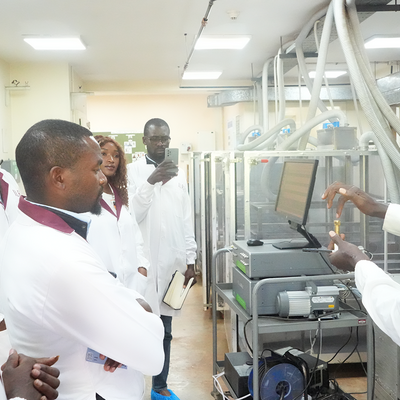
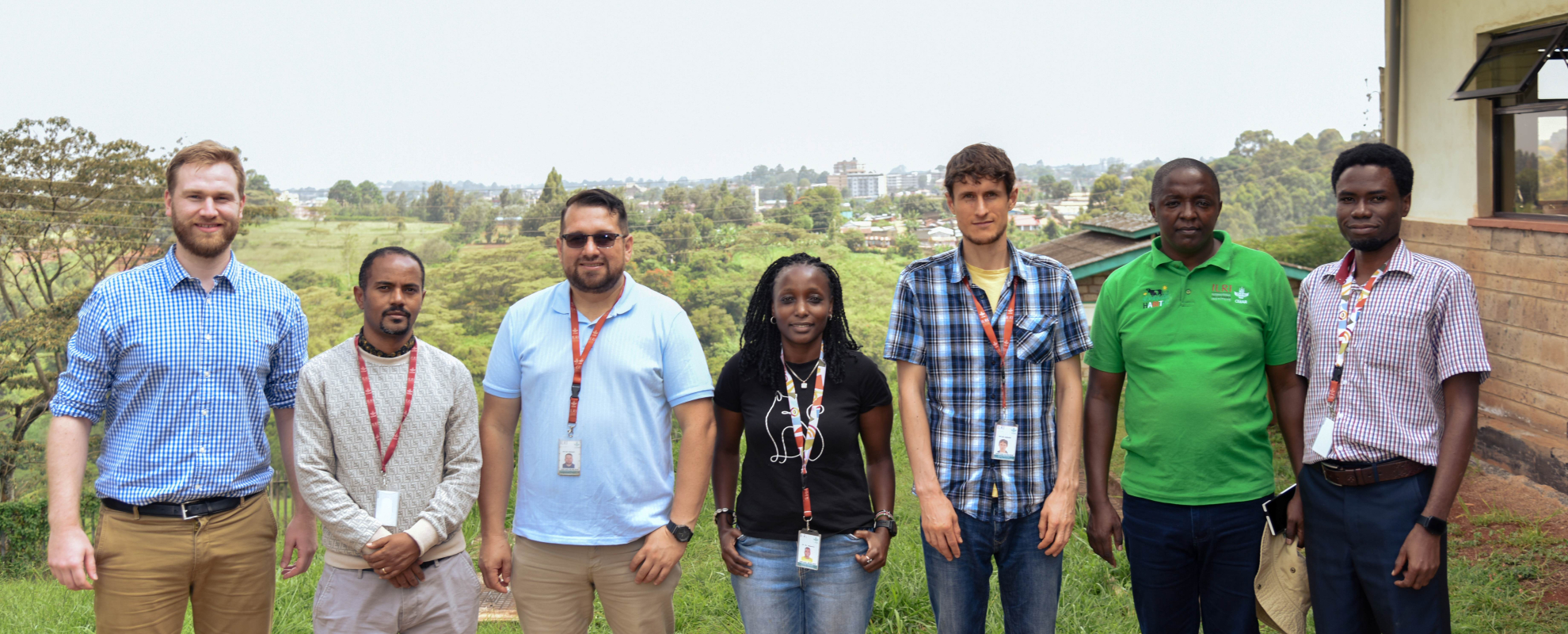
To strengthen regional capacity in environmental assessment approaches, the International Livestock Research Institute (ILRI) Mazingira Centre hosted a training on life cycle assessment from 16–20 March 2026 under the Habitat project. The session, facilitated by Daniel Henn from the University of Galway and attended by researchers and MSc students from the University of Eldoret, built practical skills in environmental footprint analysis.
What is a life cycle assessment?
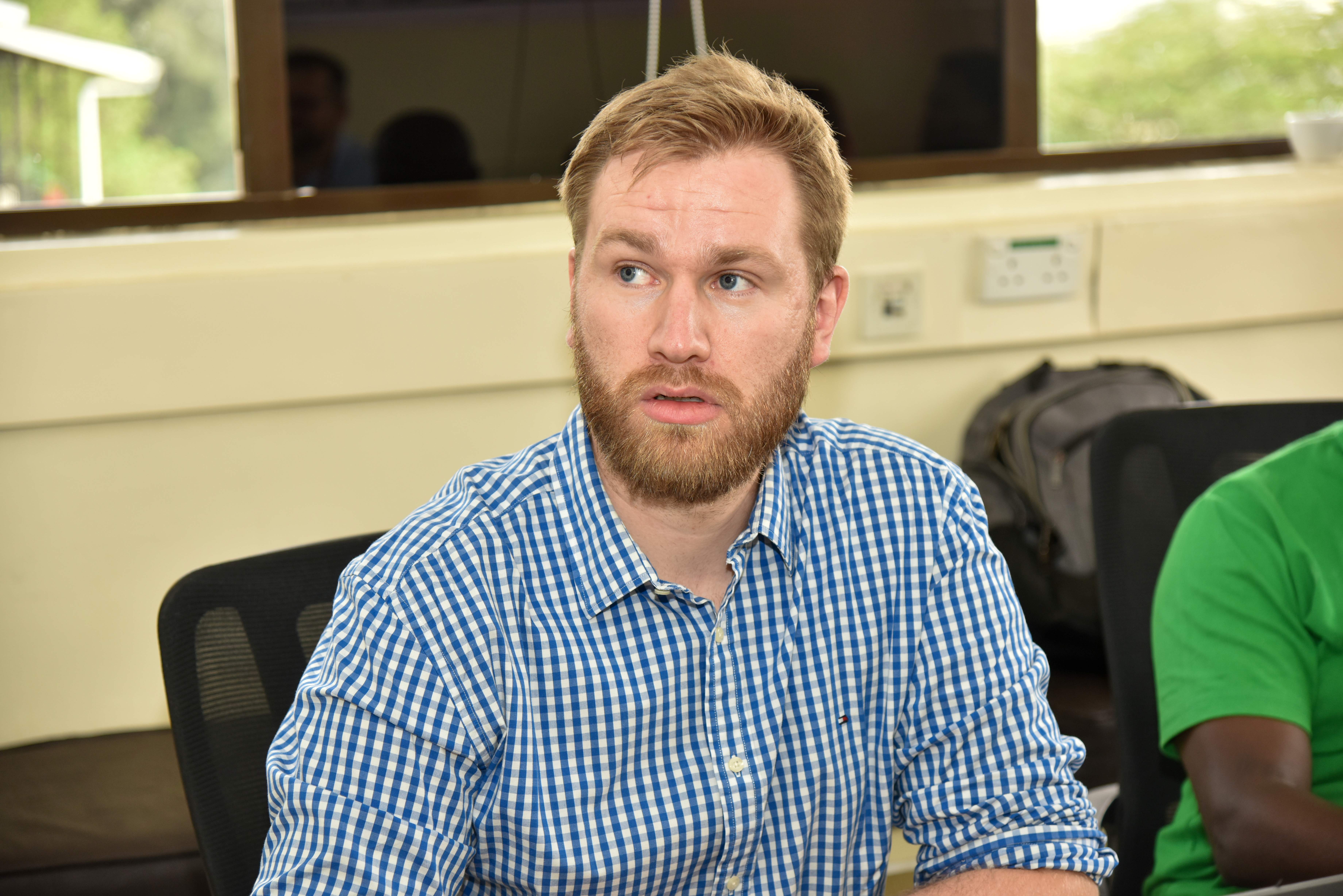
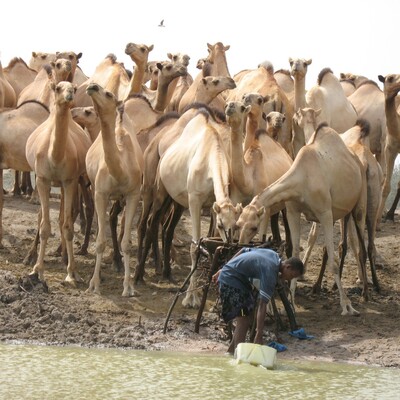
Life cycle assessment acts as an environmental audit, helping researchers quantify greenhouse gas emissions, resource use, and environmental impacts across the full production chain—from feed production and animal management to processing and consumption. Livestock, particularly ruminants like cows and sheep, produce methane during their natural digestive process as they break down fibrous plants, while their decomposing manure releases other greenhouse gases like nitrous oxide.
“Understanding environmental impacts across production systems allows us to move beyond assumptions and identify opportunities where interventions may have the greatest benefit,” Henn said.
These data-driven tools help researchers generate evidence to support farmers, policymakers, and livestock development programs aiming to improve productivity while reducing environmental impacts. The training focused on understanding how improving feed quality, reducing animal health constraints, or changing manure management practices can influence emissions per unit of product and overall environmental performance.
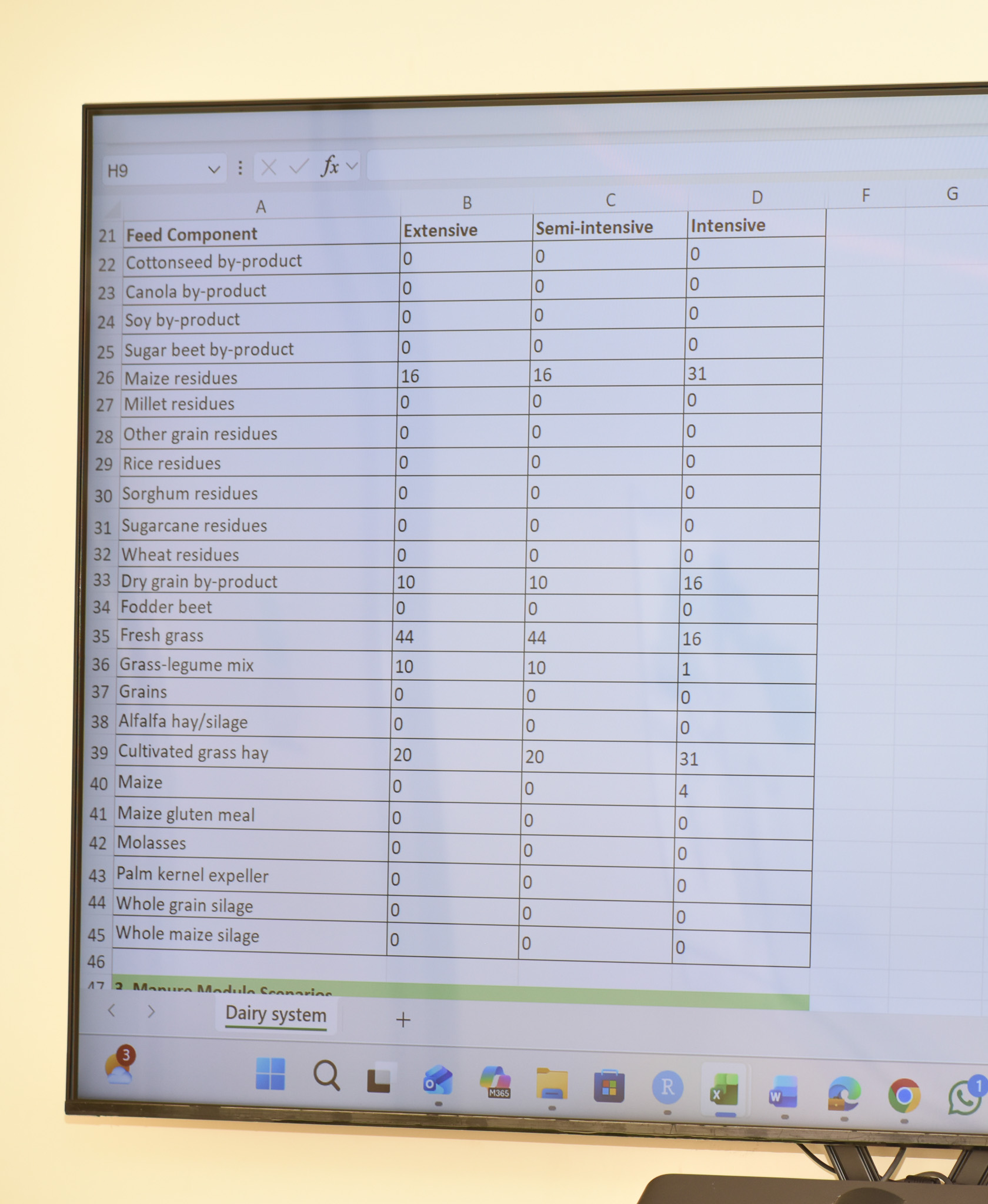
Participants used specialized Excel tools and software (like openLCA) to model how feed improvements, animal health interventions, or management changes can lower greenhouse gas emissions. A major focus was using Kenya-specific data to improve the relevance and accuracy of assessments for African livestock systems.
Improved environmental assessments can support more accurate greenhouse gas inventories, livestock development planning, and evidence-based climate policies by identifying mitigation opportunities and quantifying their potential impacts.
James Hawkins, a post-doctoral fellow, noted, "Life cycle assessment has become the standardized tool for environmental impact assessment across a product’s life cycle. This is especially relevant to ruminant livestock, where multiple gases are emitted across different sources, and decisions made by farmers in one region or country have consequences rippling across sectors and borders. Standardized software and databases, such as the University of Galway’s farm GHG calculator and OpenLCA, are making the jobs of LCA practitioners easier and more effective. As attendees of the workshop, our job now is to use these tools to better understand the environmental burdens of livestock systems and propose solutions that best balance environmental burden reduction with broader societal objectives."
Strengthening regional expertise in environmental assessment
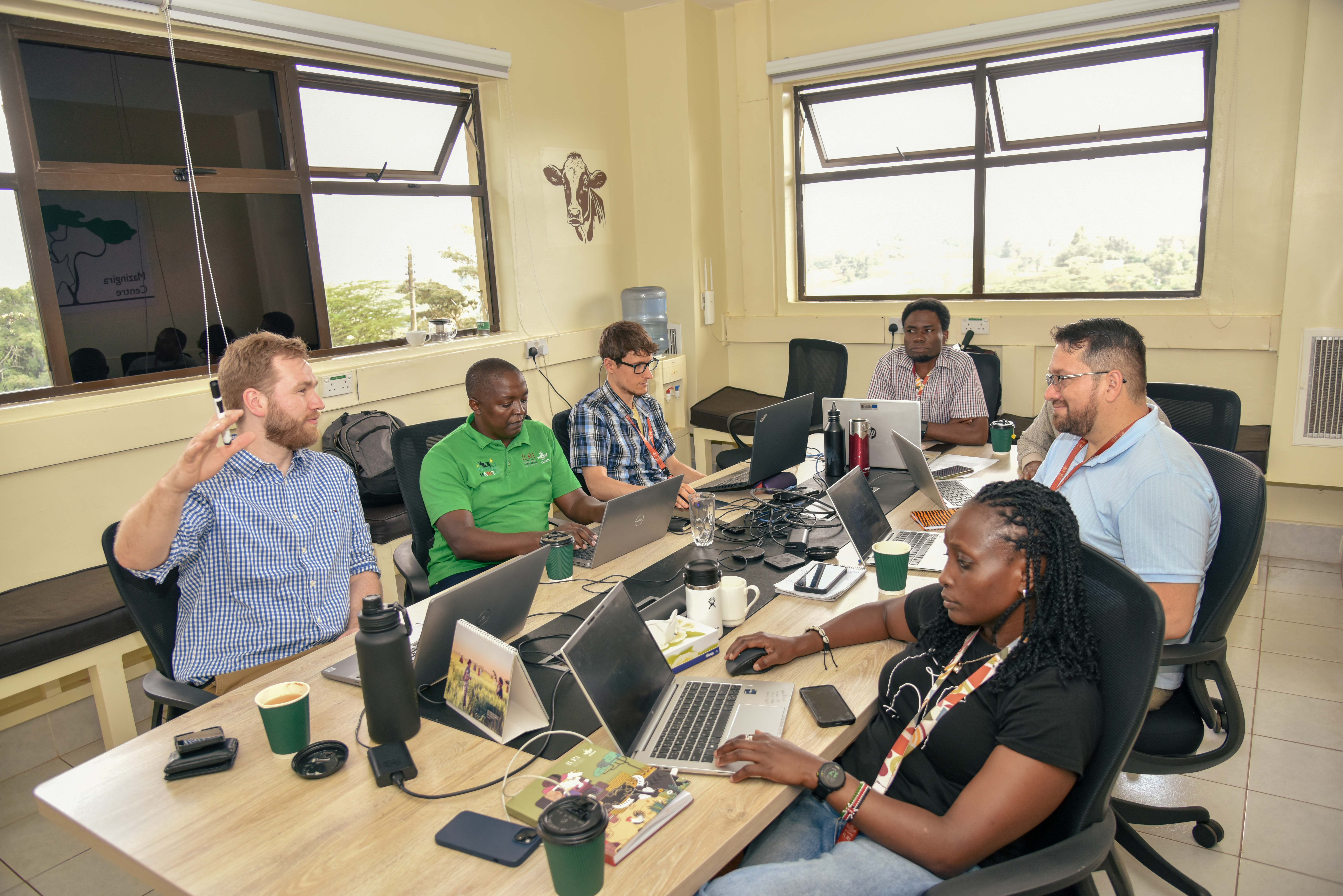
The training forms part of the project’s broader effort to strengthen regional capacity in climate-smart dairy and livestock systems. By equipping researchers and MSc students with advanced modelling skills, the initiative helps build local expertise needed to assess environmental impacts, support evidence-based livestock transitions, and inform climate-smart development pathways in African production systems.
Strengthening regional expertise in life cycle assessment contributes to the evidence needed for sustainable livestock development, climate planning, and informed investment decisions across African livestock system
Acknowledgements
UKRI | GCBC | Bangor University | UKAID | ODA | ILRI | University of Eldoret This activity has been supported by the HABITAT project and the CGIAR Sustainable Animal and Aquatic Foods Science Program (SAAF) and the Climate Action Science Program. The HABITAT project is funded by the Global Centre on Biodiversity for Climate (GCBC). GCBC is a UK Official Development Assistance (ODA) programme that aims to support developing countries to shape decision-making and develop policies that better value, protect, restore and sustainably manage biodiversity in ways that tackle climate change resilience and poverty alleviation. The CGIAR Sustainable Animal and Aquatic Foods Science Programme (SAAF) and the Climate Action Science Programme are supported by contributors to the CGIAR Trust Fund. CGIAR is a global research partnership for a food-secure future dedicated to transforming food, land, and water systems in a climate crisis.