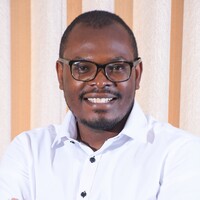
Kelvin Mashisia Shikuku is a Senior Scientist and Development Economist in the Livestock, Climate, and Environment (LCE) program of the International Livestock Research Institute (ILRI). He is the Theme Lead for "Risk Management for Vulnerable Populations". He has over 14 years’ experience working collaboratively with farmers, local and international academic institutions, CGIAR researchers, government and non-governmental organizations, private sector, and development agencies on the co-creation, diffusion, scaling, and evaluation of impacts of agricultural innovations for addressing climate risks and improving the livelihoods of smallholder farmers and livestock keepers in Africa and Asia. His team was nominated among top six (out of >200) for the prestigious 2025 Sasakawa award for disaster risk reduction by the United Nations Office for Disaster Risk Reduction (UNDRR) in recognition of his work on the use of crowdsourcing techniques and citizen science for near-real-time monitoring of shocks and supporting decision making by pastoralists, researchers, governments, and development agencies. Dr. Shikuku is currently implementing projects to support resource-based conflict mitigation, identify incentives for the sustainable delivery of livestock insurance at the last mile, and foster social and financial inclusion through bundled insurance. He led the economic assessment as part of the feasibility study of the De-Risking, Inclusion, and Value Enhancement of Pastoral Economies in the Horn of Africa (DRIVE) program and is currently a member of the consortium evaluating the impacts of DRIVE. He was the country focal person for the CGIAR’s Research Initiative on Livestock and Climate in Kenya in 2023-2024. Dr. Shikuku supports capacity building of African researchers by teaching about climate risk assessment and management as part of the advanced course on “Climate Outlook, Impact Assessment and Climate Risk Management” by the African Group of Negotiators Expert Support (AGNES).


