Poverty reduction, livelihoods and jobs

Building on a 50-year track record 
of lifting millions out of poverty.

Poverty reduction, livelihoods and jobs

ILRI research contributes to the CGIAR impact area on Poverty reduction, livelihoods and jobs. 

More than 25% of the world’s population lives on less than US $3.20 a day, making a healthy diet unaffordable for more than 3 billion people. And poverty disproportionately affects rural areas, where agriculture is the predominant livelihood activity. Improving the livelihoods, jobs, and incomes of small-scale producers and other vulnerable people in agrifood value chains is crucial to the wellbeing of millions, and to the world’s ability to feed a growing population.

Browse research initiatives that contribute to this impact area.
Innovations

Poverty reduction, livelihoods and jobs research initiatives

Agronomy

Excellence in Agronomy for Sustainable Intensification and Climate Change Adaptation

Scientist at work

Foresight and Metrics to Accelerate Inclusive and Sustainable Agrifood System Transformation

Scientist at work

Harnessing Digital Technologies for Timely Decision-Making Across Food, Land and Water Systems

People at market

Market Intelligence

Woman selling fish

Resilient Cities Through Sustainable Urban and Peri-Urban Agrifood Systems

Woman with livestock

Sustainable Animal Productivity for Livelihoods, Nutrition and Gender Inclusion

You may also like

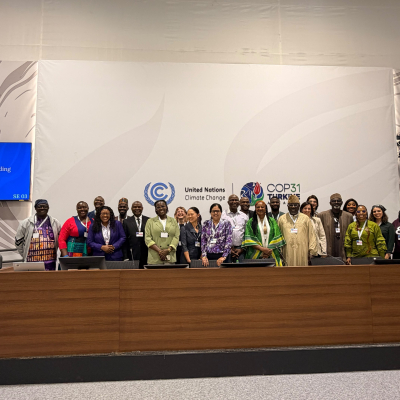
Participants at the COP31 official side event

Measure it, finance it, share it: what Nigeria's livestock climate plan offers other countries

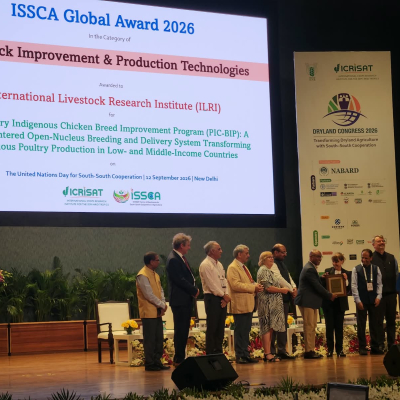
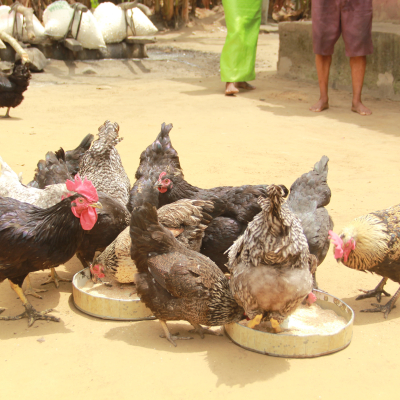
Title Indigenous chicken breeding innovation in Southeast Asia gains international recognition

ILRI News

Indigenous chicken breeding innovation in Southeast Asia gains international recognition

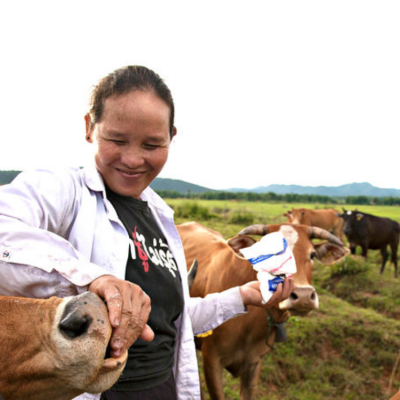
A smiling woman feeding her cows

Why the conversation about livestock and hunger needs to change

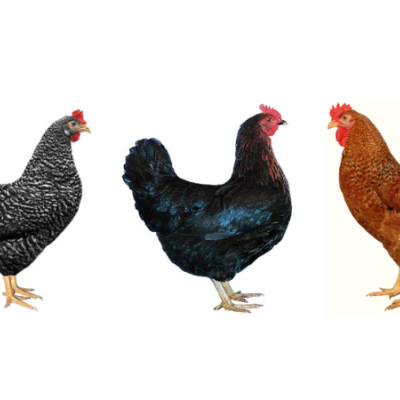
KALRO's dual-purpose chicken breeds

A roadmap for scaling improved indigenous chicken breeds across Kenya

Smallholder chicken farming in Nigeria

ILRI News

Solving the "last-mile problem" of Nigeria’s rural poultry farmers

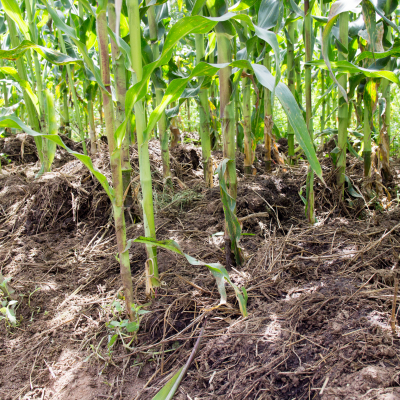
Manure directly applied to a smallholder maize field

ILRI News

Maximizing the value of manure: How local data can help African smallholder farmers recycle nutrients and reduce emissions

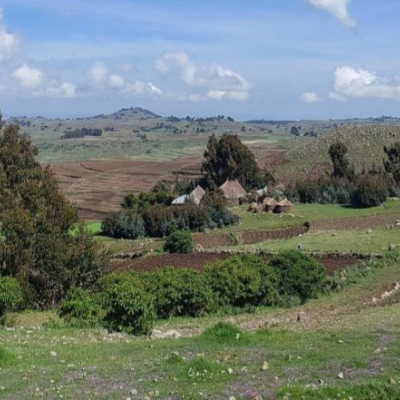
Mojana Wedera Woreda

ILRI News

Facilitative humility: Finding resilience in farmers’ own innovations

Related Publications

Progress_report_PAASS.pdf.jpg

Progress Report: Ethiopia’s Partnership for Accelerating Agricultural Solutions Scaling (PAASS)

  • Gebreyes, Million
Genetics Sel Evol.jpg

Spatial modelling improves genomic evaluation in Tanzanian smallholder admixed dairy cattle

  • Houaga, I.
BMC Genomics.jpg

Genome-wide association study of pre-indicative agronomic traits affecting malt quality in Ethiopian barley (Hordeum vulgare L.) germplasm

  • Babiye, B.
ILRI publication cover

Estimating the economic value of working donkeys in Ethiopia

  • Asteraye, Girma B.
SAAF-ETH-Afar Field Report.pdf.jpg

Collective governance and household-Level decision-making in Afar pastoral systems: Implications for Pioneer Positive Deviance

  • Worku, Tigist
AGENES.pdf.jpg

Africa GENetic Evaluation Service (AGENES)

  • Mekuriaw, Getinet