Rangelands cover more than half the planet's land surface, hold a third of its key biodiversity areas and generate benefits worth an estimated US$21–47 trillion a year (up to US$5,000 per hectare). Yet these landscapes remain almost invisible to the people who finance and govern the natural world. A new global report launched at the 17th session of the Conference of the Parties to the United Nations Convention to Combat Desertification (UNCCD COP17) makes the economic case for investing in rangelands, and recognizes the labor and stewardship of the 500 million pastoralists who manage them.
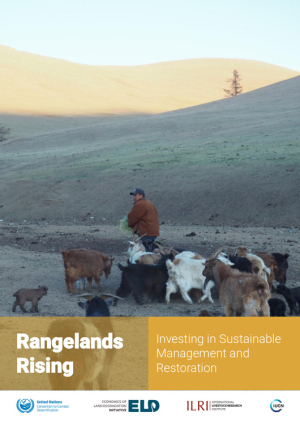
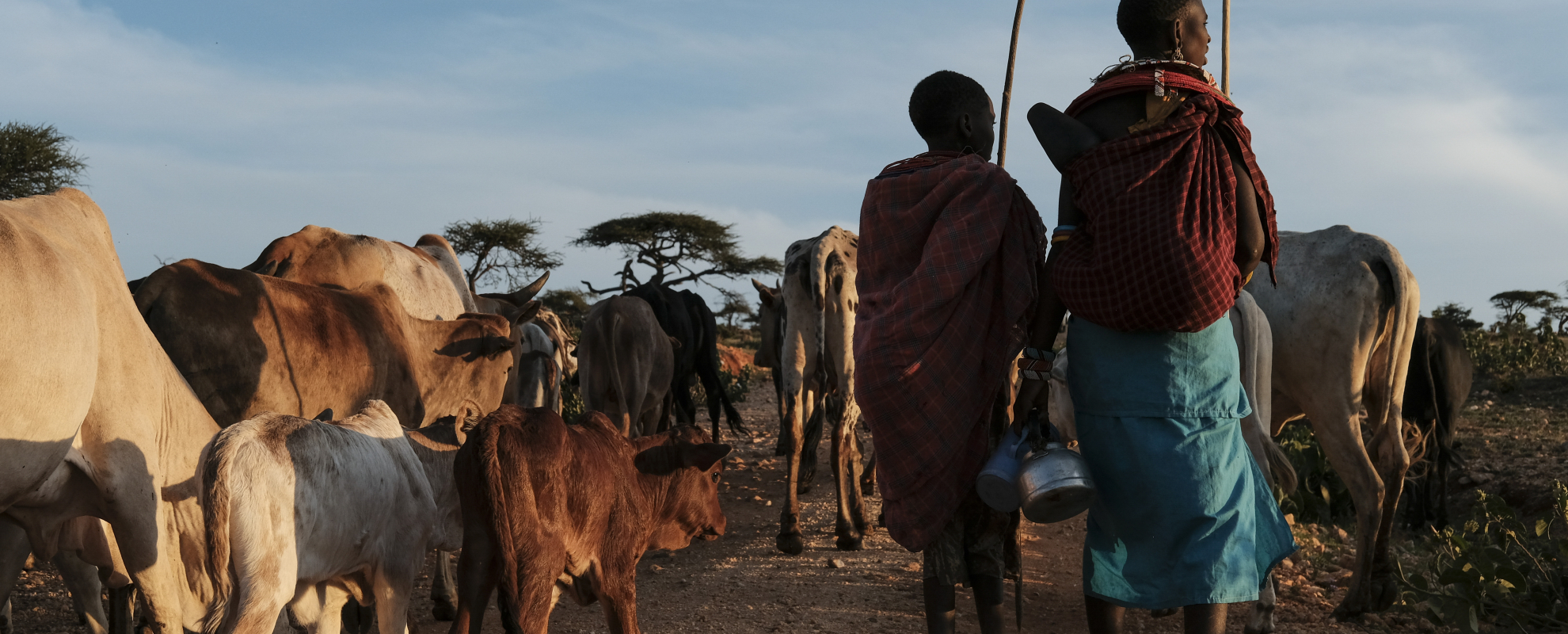
Rangelands Rising: Investing in Sustainable Management and Restoration is jointly published by the International Livestock Research Institute (ILRI), GIZ, the Economics of Land Degradation Initiative, UNCCD and the International Union for Conservation of Nature (IUCN). The report overturns a century-old assumption. Mobile livestock herding has long been blamed for driving land degradation. Research increasingly demonstrates that many rangelands have evolved with grazing and that well-managed pastoral systems have created and maintained some of the world's most biodiverse landscapes. Yet that stewardship is under growing strain, as drought intensifies and grazing land is lost to crop expansion, urban encroachment and fragmentation.
Far from being the wasteland they are often taken for, rangelands are a mainstay of the food supply, producing high-value animal protein — meat, milk and more — from land that could not support crops without heavy and costly inputs. In Sub-Saharan Africa, pastoralism contributes an estimated 5–10% of national GDP and accounts for 15–40% of the value added in agriculture. But their full worth — in water, carbon, biodiversity and protection against drought — stays invisible to markets. The cost of that neglect is steep. Land degradation drains trillions of dollars a year in lost services, while restoring rangelands typically returns US$4–6 for every dollar invested, and, where public benefits such as water supply are counted, as much as 36 to one.
The report's most striking economic finding is a mismatch between who does the work and who captures the value. In Jordan, reviving a traditional practice of resting grazing land returned just US$0.80 for every dollar the herders themselves spent. But the return to Jordanian society as a whole was 18 to one, driven mainly by groundwater recharge.
It is a vivid illustration of the report's central argument. Pastoralists are already the primary investors in rangelands, putting in labour, knowledge, livestock and generations of stewardship, yet they cannot capture the value they create for everyone else. Public investment is needed to reward that stewardship and unlock the private capital that follows.
The report’s launch comes during the International Year of Rangelands and Pastoralists and at UNCCD COP17 in Mongolia, one of the world's great pastoral nations, where the future of rangelands and the communities who depend on them is a major focus of the conference agenda. The findings bring new economic evidence to COP17 discussions on land restoration, drought resilience and sustainable rangeland management.
Read the full report here.