
Pangenome analysis and identification of selection signatures for conservation of Red Jungle fowl
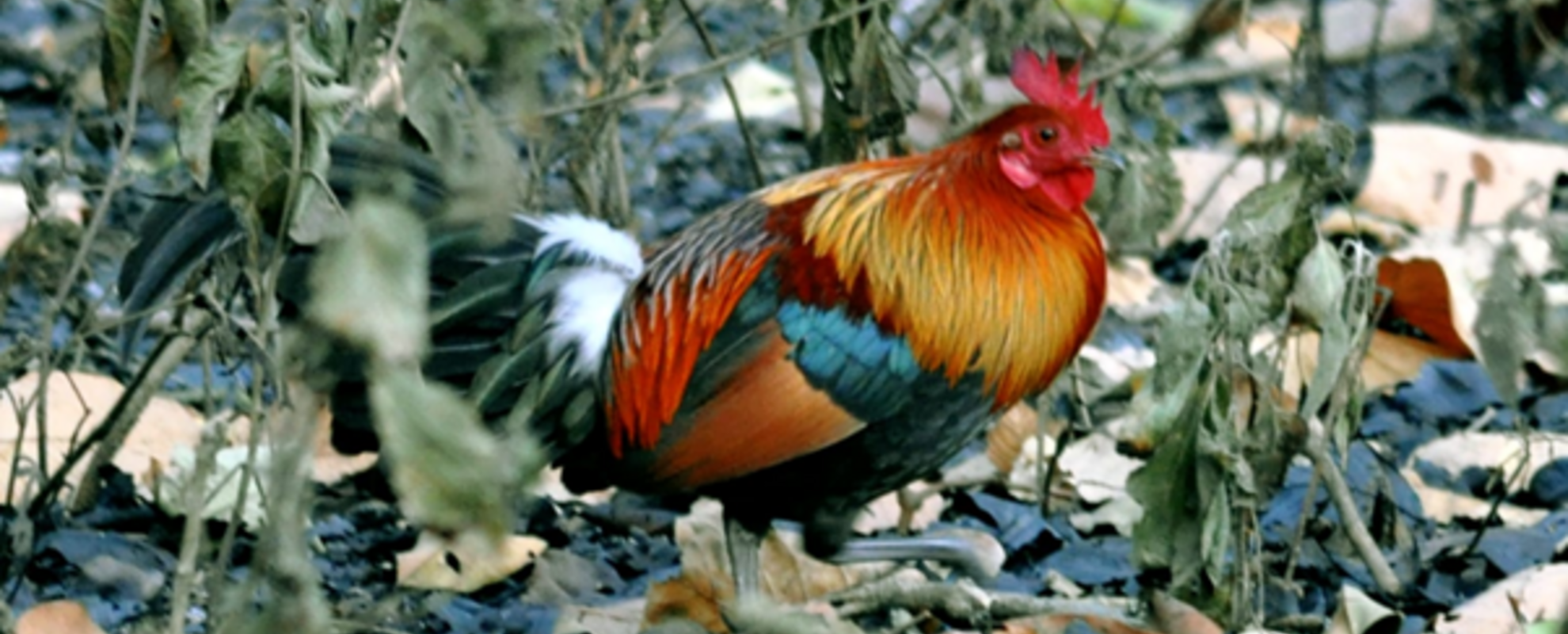
The Red Jungle fowl (RJF) is believed to be the wild ancestor of all domestic chickens in the world. Indian Red Jungle fowl G.g. murghi (Robinson and Kloss, 1920) occurs in India, Nepal, Bhutan, and Bangladesh. The present-day, multi-billion-dollar poultry industry is based on the RJF and may have to depend on it in the future. Concerns were raised about the genetic endangerment of RJF due to the introgression of domestic genes into the wild population. This admixture needs to be evaluated and addressed in the RJF population present in the wild and in captivity. Further, RJF is known for its characteristics viz. adaptability and disease resistance, etc. With the threat of global warming and climate change, conservation of RJF becomes all the more important. This demands for characterization and identification of selection signatures in RJF. Genomic technologies can aid these efforts by identifying biodiversity “hotspots” to prioritize for protection, using predictive models to help build natural communities that are resilient to environmental change, and informing management actions that attempt to mitigate threats to endangered species. Hence conservation of genetically pure wild forms or their representatives have great potential to make a significant contribution to the study of some economically important genetic traits.
Genome varies among different individuals of the same species/breeds/populations. Each breed has a unique history, and therefore unique patterns of genomic diversity, GWAS studies are of varying success in correctly identifying loci in different breeds or unique lineages (Björnerfeldt et al., 2008; Boyko et al., 2010; Quignon et al., 2007; Von Holdt et al., 2010). The SNP chicken arrays commercially available do not contain SNPs representative of native RJF. Therefore, for characterizing RJF there is a need for developing a high-density chip containing SNPs information specific to the native RJF. that will be used for selecting the elite native germplasm of India and other countries. This study is conceptualized to initially whole genome sequences the native RJF and further call variants against the genome developed for the RJF populations being maintained in five geographical locations in India. This study will help in conserving the native RJF and in identifying selection signatures specific to the RJF
Objectives:
- Assess the status and distribution of RJF in five different hot spots in India. Identification of pure RJF populations by molecular genetic studies.
- Whole genome sequencing and pan-genome analysis to identify accessory genome specific to Red Jungle Fowl
- Development of SNP chip for red jungle fowl and identification of selection signature responsible for adaptability
- Screening RJF birds maintained in captive environments and suggesting appropriate measures for their conservation
Expected Outcomes:
- A platinum whole genome of the native red jungle fowl will be assembled
- Accessory genome specific to RJF will be identified
- SNP chip for native Red Jungle Fowl will be developed
- The chip developed will be used to identify admixture in RJF being maintained in captive environment,
- Specific selection signatures in RJF will be identified