emerging
Local data support African countries to estimate and reduce livestock methane emissions
The Tier 2 cattle protocol uses local data to help countries estimate and report the methane that cattle release during digestion and find ways to reduce it.
Useful for
- Development programs and NGOs
- Funders and investors
- Governments
- Researchers
What’s the challenge?
Better access to milk and meat can help improve diets in African communities where people lack essential nutrients. However, increasing production by expanding cattle herds can release more methane, a gas that contributes to climate change.
Better feeding, breeding, and animal care can increase production while lowering methane emissions per liter of milk or kilogram of meat. Yet total emissions can still rise as cattle populations grow. Countries therefore need to understand how much methane their herds produce and which measures can reduce it.
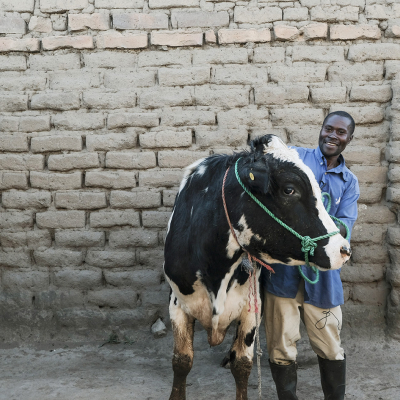
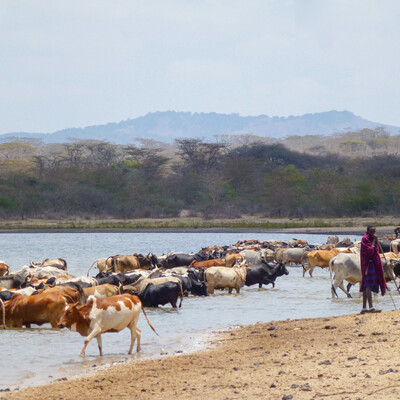
Countries with limited local data often rely on international averages that may not reflect their cattle breeds, feed quality, or seasonal conditions. These differences matter even within one country. A study of 1,486 cattle across three locations in southern Kenya found that locally calculated methane emissions estimates per animal ranged from 28 percent below to 18 percent above the international averages. Relying on those averages can overestimate emissions in some areas and underestimate them in others.
Reliable data that reflect local herds and seasons help countries report emissions more accurately and assess ways to meet nutritional needs while limiting livestock’s contribution to climate change.
What’s the solution?
The Intergovernmental Panel on Climate Change developed a basic method, called Tier 1, for estimating livestock methane emissions. It uses animal numbers and standard estimates of emissions per animal. These averages may not reflect local cattle, diets, or farming conditions.
The International Livestock Research Institute (ILRI) and its partners developed the Tier 2 cattle protocol to help countries produce estimates that better reflect their own farming conditions. This step-by-step guide explains how to:
- collect seasonal data on cattle weight, feed, and milk production,
- check the data for errors,
- calculate methane emissions.
Better estimates can improve national emissions reports and show how changes in feeding and management affect emissions.
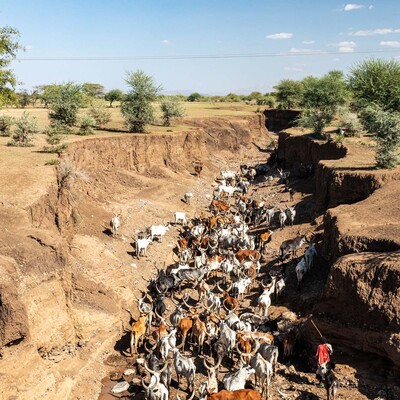
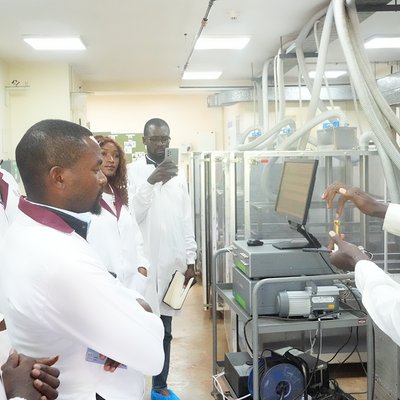
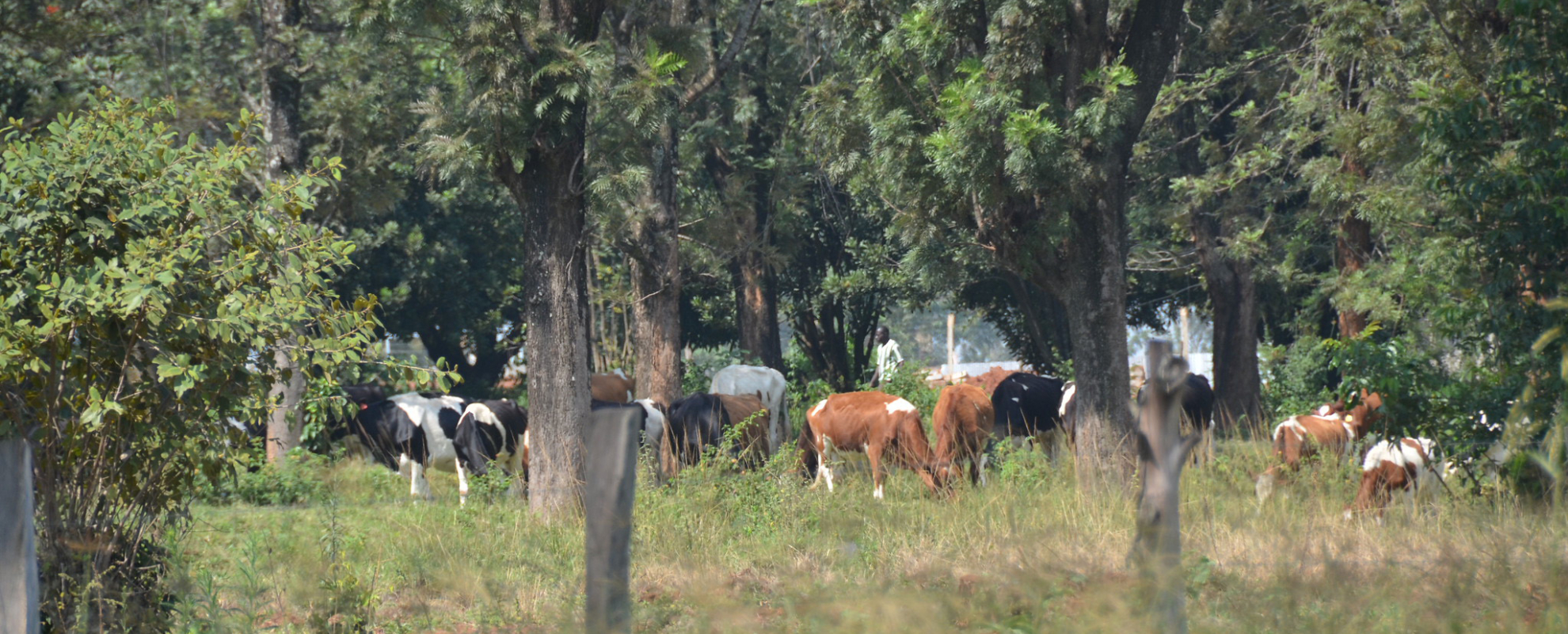
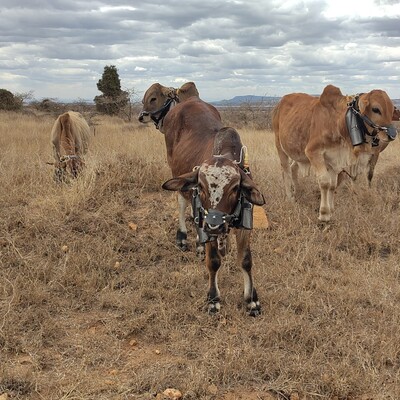
At ILRI’s Mazingira Centre, scientists also measure methane directly from animals and test feeds and other approaches to reduce emissions. The team was the first to measure methane and feed intake directly from free-grazing pastoral cattle in East Africa. These measurements help check calculated estimates and show which practices work under local conditions.
Want to use this in your work?
Contact our experts

Contributors
- Agroscope
- Alliance of Bioversity International and CIAT
- Basque Centre for Climate Change
- CGIAR Trust Fund (CGIAR)
- European Union (EC)
- Ethiopian Institute of Agricultural Research (EIAR) (EIAR)
- Federal Ministry for Economic Cooperation and Development (BMZ)
- Food and Agriculture Organization of the United Nations (FAO)
- Government of New Zealand
- International Livestock Research Institute (ILRI)
- Mekele University
- Maseno University
- New Zealand Agricultural Greenhouse Gas Research Centre
What impact has been achieved so far?
Research in southern Kenya shows why local evidence matters: methane estimates based on local cattle and feeding conditions differed substantially from international averages. This supports the case for wider use of the Tier 2 cattle protocol to produce estimates that reflect local farming conditions.
The next opportunity is to help more countries use the protocol. Investment could support training of researchers and government staff, field data collection, and direct methane measurements to check the estimates. Combining these estimates with information on milk and meat production, costs, and farmer incomes would help governments and funders compare livestock practices and decide where to invest.
Up to 35% lower
estimated daily
methane emissions
with feed supplementation in a cattle
study in Tanzania
Who can use, support, and scale this solution?
National emissions reporting teams can use the protocol to calculate cattle methane emissions from local data, improve the consistency of national inventories, and track changes linked to livestock management.

Government livestock, agriculture, and environment agencies can use locally relevant estimates to inform climate plans, assess options for reducing methane, and coordinate efforts to improve livestock production while managing emissions.

Research institutions, universities, and laboratories can apply consistent methods to collect seasonal cattle and feed data, compare emissions across farming systems, and check calculated estimates against direct methane measurements.
Livestock and climate programs and development organizations can use the protocol to estimate emissions in project areas, assess changes associated with feeding and management practices, and strengthen project monitoring.

Statisticians, field researchers, and data specialists can follow the protocol to plan seasonal data collection, check data quality, and produce consistent data sets that support more reliable estimates of cattle methane emissions.

Funders and climate finance institutions can use findings generated through the protocol to assess the credibility of emissions estimates, identify evidence gaps, and target investment in livestock research and national reporting capacity.

Livestock keepers and producer organizations can contribute farm records and local knowledge as research partners, helping identify feeding and management options that suit their herds and local conditions.
Related Publications

Protocol for a Tier 2 approach to generate context-specific enteric methane emission factors (EF) for cattle production systems using IPCC method

Beyond default estimates: developing system-specific Tier 2 enteric methane emission factors for rangeland cattle in Kenya
Comparison of Tier 1 and 2 methodologies for estimating intake and enteric methane emission factors from smallholder cattle systems in Africa: a case study from Ethiopia