mature
One Health Units bring integrated health services to pastoralist communities
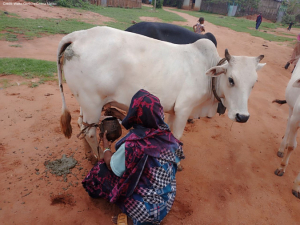
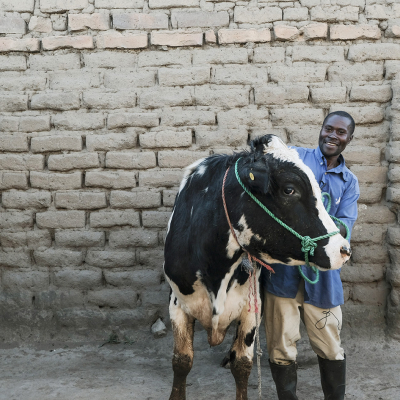
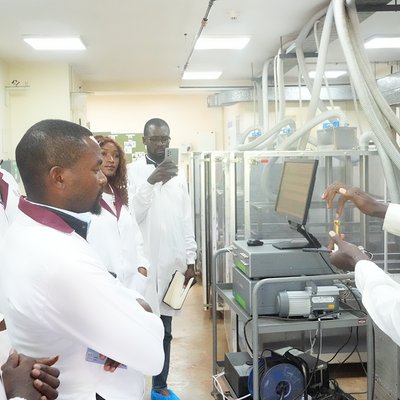
When human, animal, and environmental health providers come together through One Health Units, hard-to-reach pastoralist families can access care for themselves and their livestock in a single visit.
Useful for
- Development programs and NGOs
- Extension services
- Farmers and livestock keepers
- Funders and investors
- Governments
- Private sector
What’s the challenge?
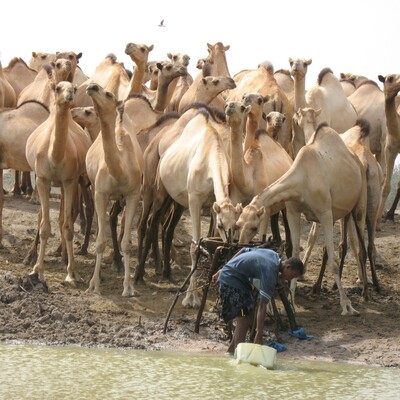
Across Africa’s rural and remote areas, millions of people struggle to access basic human and animal health services. Pastoralists are among the most underserved because traditional, centralized healthcare facilities are a poor match for their nomadic way of life.
While commitments to achieve universal health coverage have driven progress in reaching these populations, no equivalent efforts have been made to ensure the health of hard-to-reach animals. Diseased or at-risk livestock can ultimately jeopardize the welfare and livelihoods of pastoralist communities, while degradation of rangelands and climate shocks further undermine their resilience.
One Health approaches offer a framework for addressing these interconnected challenges. Yet despite growing recognition of One Health priorities in national policies and strategies, relatively few practical models exist for translating this awareness into routine service delivery at the community level.
What’s the solution?
One Health Units are locally governed coordination platforms that bring together human, animal, and environmental health providers with community actors to jointly plan and deliver services. The units also educate communities about issues such as zoonotic diseases, antimicrobial resistance, water, sanitation, hygiene, and rangeland health.
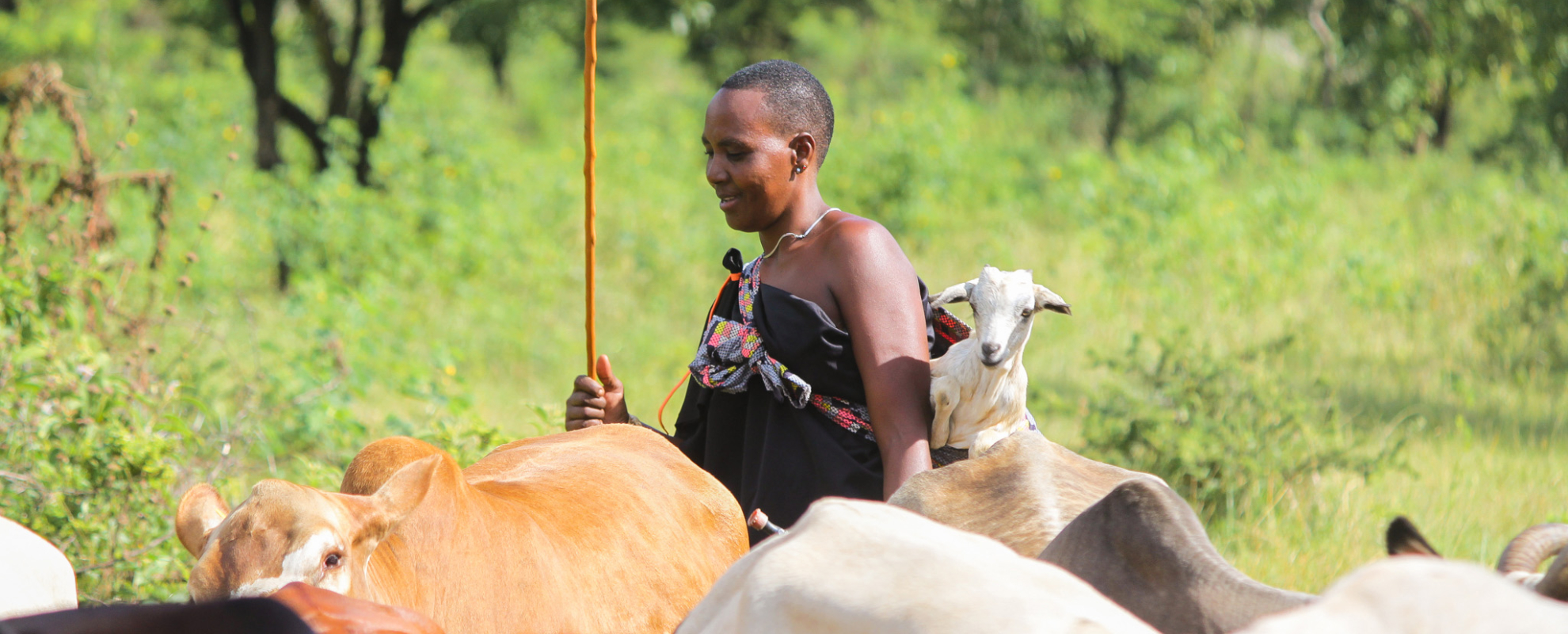
Rather than creating new institutions, these units strengthen coordination across services that already exist. This means the same model can be adapted to different contexts, from joint mobile outreach to fixed facilities offering both human and animal health services. Community structures and local government oversee each unit, ensuring alignment with local priorities and national programming.
A standard operating procedure provides step-by-step guidance for establishing and maintaining One Health Units, while a training package introduces frontline teams to One Health, gender-responsive approaches, and the new service delivery model.orients frontline teams to One Health, gender-responsive approaches, and the new service delivery model.
Want to use this in your work?
Contact our experts

Siobhan Mor
Jointly Appointed Principal Scientist, ILRI & Professor of One Health, University of Liverpool
Contributors
- Amref Health Africa
- CGIAR System Office (CGIAR)
- Government institutions and communities in HEAL project locations in Ethiopia, Kenya, and Somalia
- International Livestock Research Institute (ILRI)
- Translate into Meaning
- University of Liverpool (UoL)
- Swiss Agency for Development and Cooperation (SDC)
- Vétérinaires Sans Frontières Suisse (VSF-Suisse)
What impact has been achieved so far?
Exit surveys show high user satisfaction, with most users returning repeatedly. Stakeholders estimate that One Health Units have tripled access to services, including medical consultations and livestock treatment, pointing to better disease prevention as well as improved maternal and child health.
Increased livestock survival, productivity, and milk production have also been reported, along with better hygiene and safer handling of animal products. Emerging evidence points to environmental benefits, including reduced tree cutting and improved rangeland management.
By addressing multiple needs in a single visit, One Health Units reduce the time and costs that often deter households from seeking services.
25 One Health Units
across Ethiopia, Kenya, and Somalia
reached nearly 300,000 people and 2.5 million livestock
Who can use, support, and scale this solution?

Governments, particularly subnational governments, can establish One Health Units to reach remote and underserved communities. Institutionalizing the model, allocating sufficient budget, and aligning with local and national priorities can aid in their success.

Development programs and NGOs can adapt the One Health Unit model to local contexts — through mobile outreach, shared facilities, or coordination-based approaches — and support the training, supervision, and community engagement structures needed to embed One Health approaches into frontline practice.

Frontline human, animal, and environmental health providers and community-based actors can use the One Health Unit training package and community conversations guide to plan and deliver services together and raise community awareness of One Health hazards.

Pastoralist communities can help design, oversee, and monitor One Health Units through inputs to community-level multistakeholder innovation platforms, ensuring that services respond to their needs.

Funders and investors can prioritize investments that support coordinated delivery of human, animal, and environmental health services, including funding to scale validated One Health Unit models across additional subnational contexts and countries, advancing the health of humans, animals, and the environment.