World Milk Day 2026 | Celebrating the women who produce Africa's and Asia’s milk
Key Messages
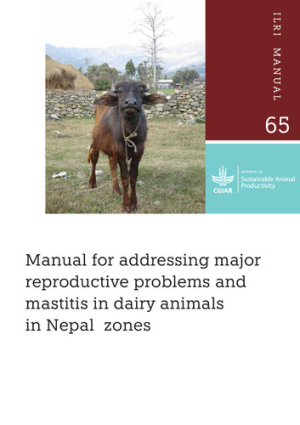
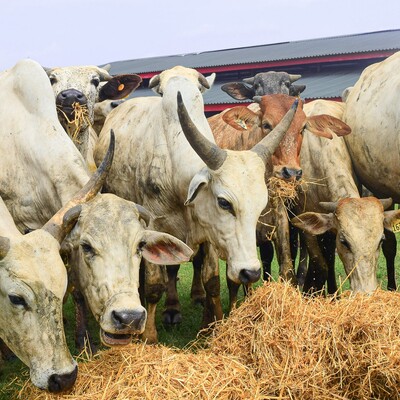
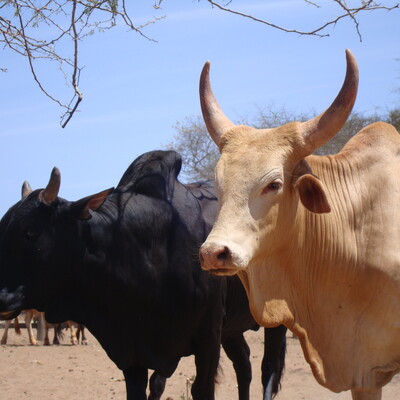
Smallholder dairy animals across Africa and Asia produce a fraction of their potential. In Tanzania, a local-breed cow yields around 400 litres of milk per lactation. A well-matched crossbred reaches 1,400. In Nepal, indigenous buffalo average less than 900 litres per lactation where improved Murrah crosses reach 1,500. ILRI's Africa-Asia Dairy Genetic Gains programme works across both regions to close that gap, getting better genetics to the smallholder farms where the difference means a child in school, not out of it.
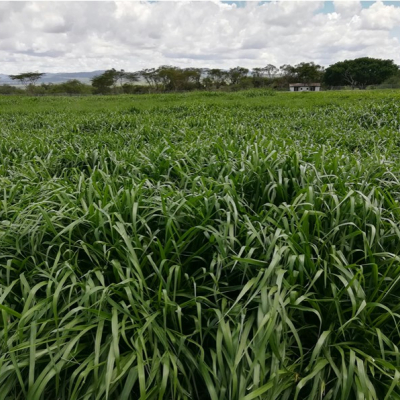
Dairy cattle in sub-Saharan Africa emit 8.7 times more methane per litre of milk than cattle in North America or western Europe. In South Asia, the figure is four times as high. The reason is low productivity, not large herds. A more productive animal converts feed more efficiently and emits less methane per litre produced. ILRI's work on breeding, animal health, improved forages, and feed efficiency across Africa and Asia show that closing the productivity gap is one of the most direct climate interventions available to both regions.
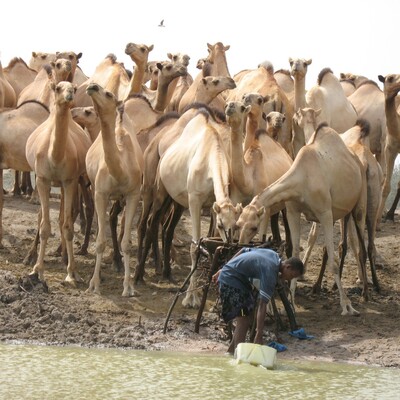
Heat and erratic rains are already cutting milk yields across East Africa and South Asia. Women dairy farmers, with less land, less credit, and fewer backup options, bear the heaviest cost when a herd dries up or animals fall sick in a hot season. ILRI is developing heat-tolerant breeds, drought-adapted forages, and climate-smart management tools for smallholder systems across both regions through its Livestock and Climate Solutions Hub.
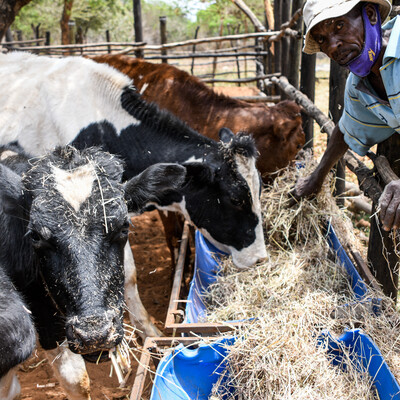
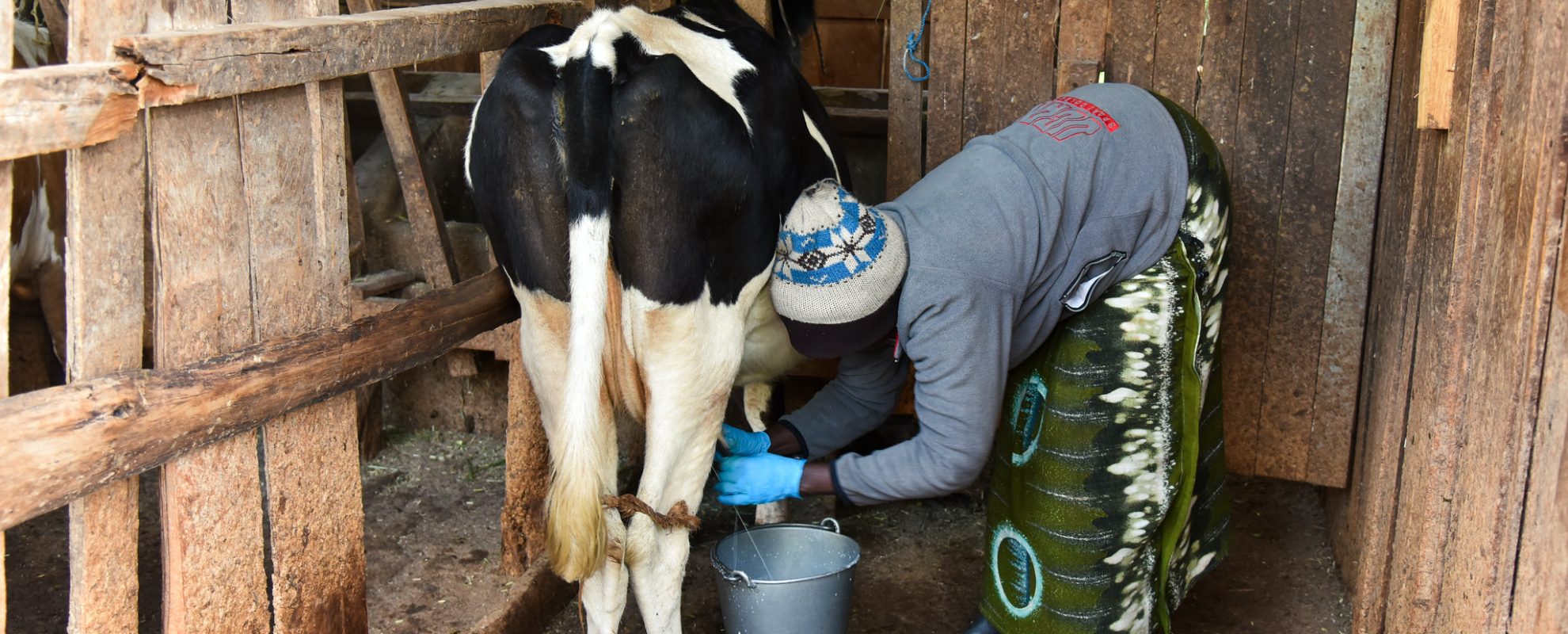
In Kenya, milk generates over 30 percent of smallholder household income, and it does so daily. In India, most milk comes from farmers with two or three animals, and the daily care of those animals falls largely on women. That daily income stream is what covers a medical bill without borrowing and keeps children enrolled through a difficult season.
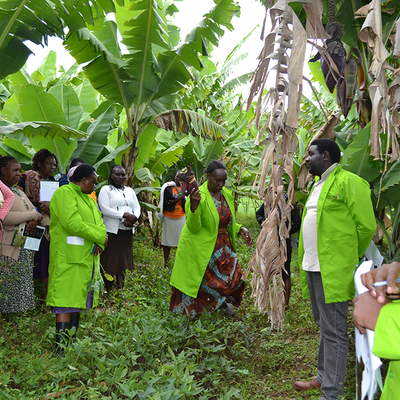
From Kenya's roadside milk bars to India's village cooperatives, women are present at every point in the dairy chain. They milk, they process, they sell. Yet ownership, profit and decision-making, thin out the further up the chain you go. ILRI's research across Africa and Asia works to change where women stand in that chain, not just how hard they work in it.