CGIAR supports Kenya’s reform of seed sector and plant genetic resources laws
A seed may be tiny, even barely visible between two fingers, but the laws that govern it can have far-reaching implications for Kenya’s agriculture and food systems. Seed and plant genetic resources laws influence how seed and other planting materials are developed, conserved, accessed, produced, exchanged and marketed, and how the genetic resources underpinning future crop improvement are governed. These laws affect farmers’ access to quality and diverse seed, communities’ conservation and use of farmer and indigenous varieties, incentives for breeding and seed-sector innovation, and the conservation and sustainable use of Kenya’s plant genetic resources.
Recognizing the importance of this legal framework, Kenya’s Ministry of Agriculture and Livestock Development (MoALD) is leading a review of the country’s seed and plant genetic resources laws. The review includes the draft Seeds and Plant Varieties Bill 2026, which is intended to replace the existing Seeds and Plant Varieties Act (Cap. 326) and strengthen regulation of Kenya’s seed sector. It also includes the draft Plant Genetic Resources Institute Bill 2026, which seeks to strengthen the conservation, access, and sustainable use of Kenya’s plant genetic resources. Together, the bills aim to preserve gains under the existing framework while addressing gaps and emerging needs in Kenya’s evolving seed system.
In the earlier stages of the review, several issues were identified for consideration, including farmers’ and breeders’ rights, more inclusive seed systems, quality assurance, access to and conservation of genetic resources, food security, and alignment with constitutional and international commitments. The reform process is considering how these varying interests, functions and responsibilities can be accommodated within a coherent legal framework.
Given the breadth of these issues, the review has drawn input from a wide range of stakeholders and areas of expertise. In response to the ministry’s request for evidence and technical input, CGIAR mobilized seed systems expertise through the CGIAR Policy Innovations Hub for Kenya and participating centers to support the nationally led process.
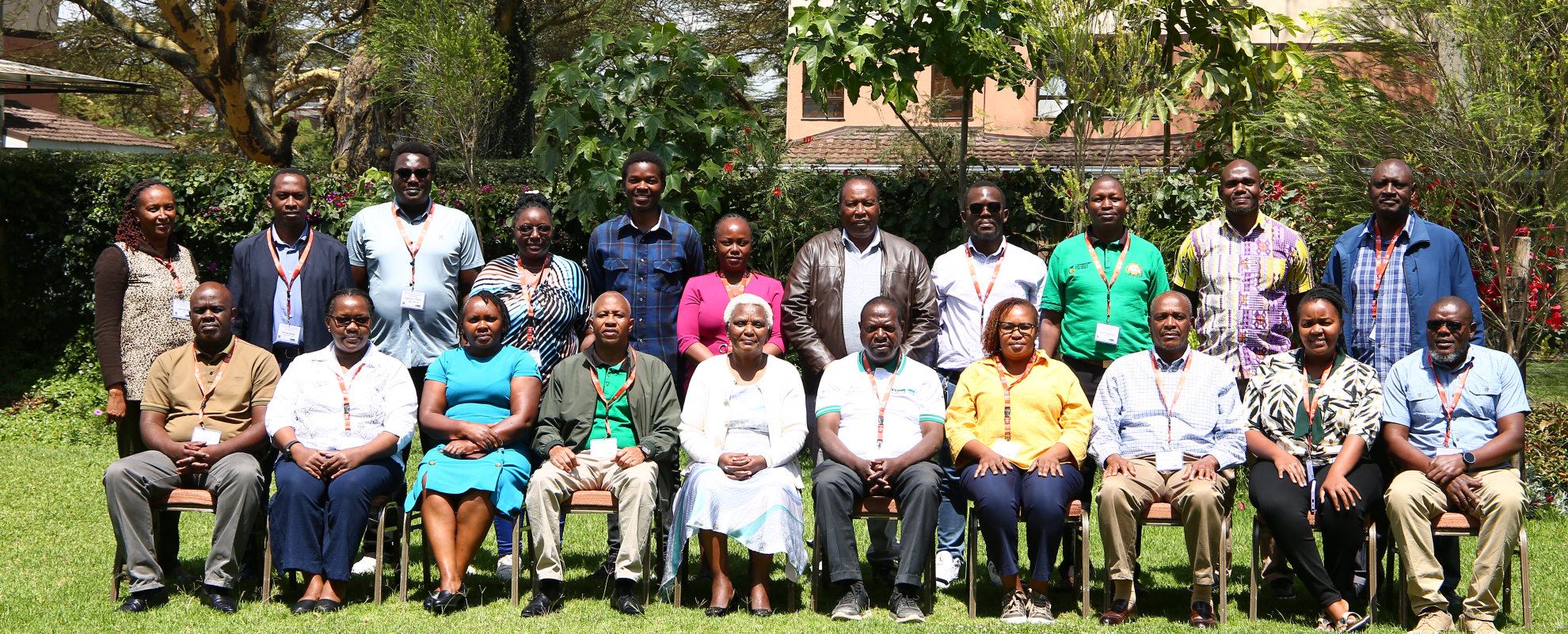
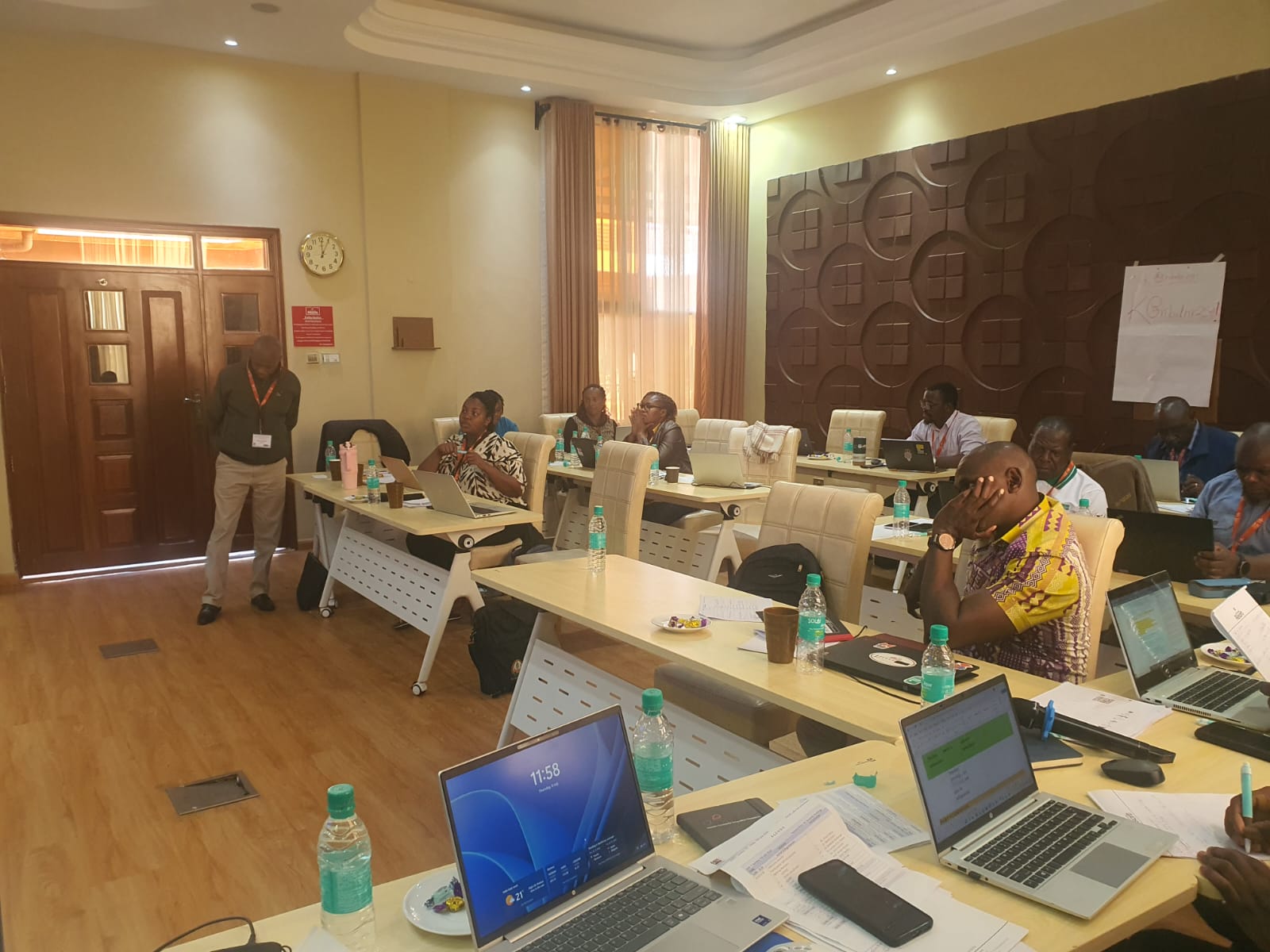
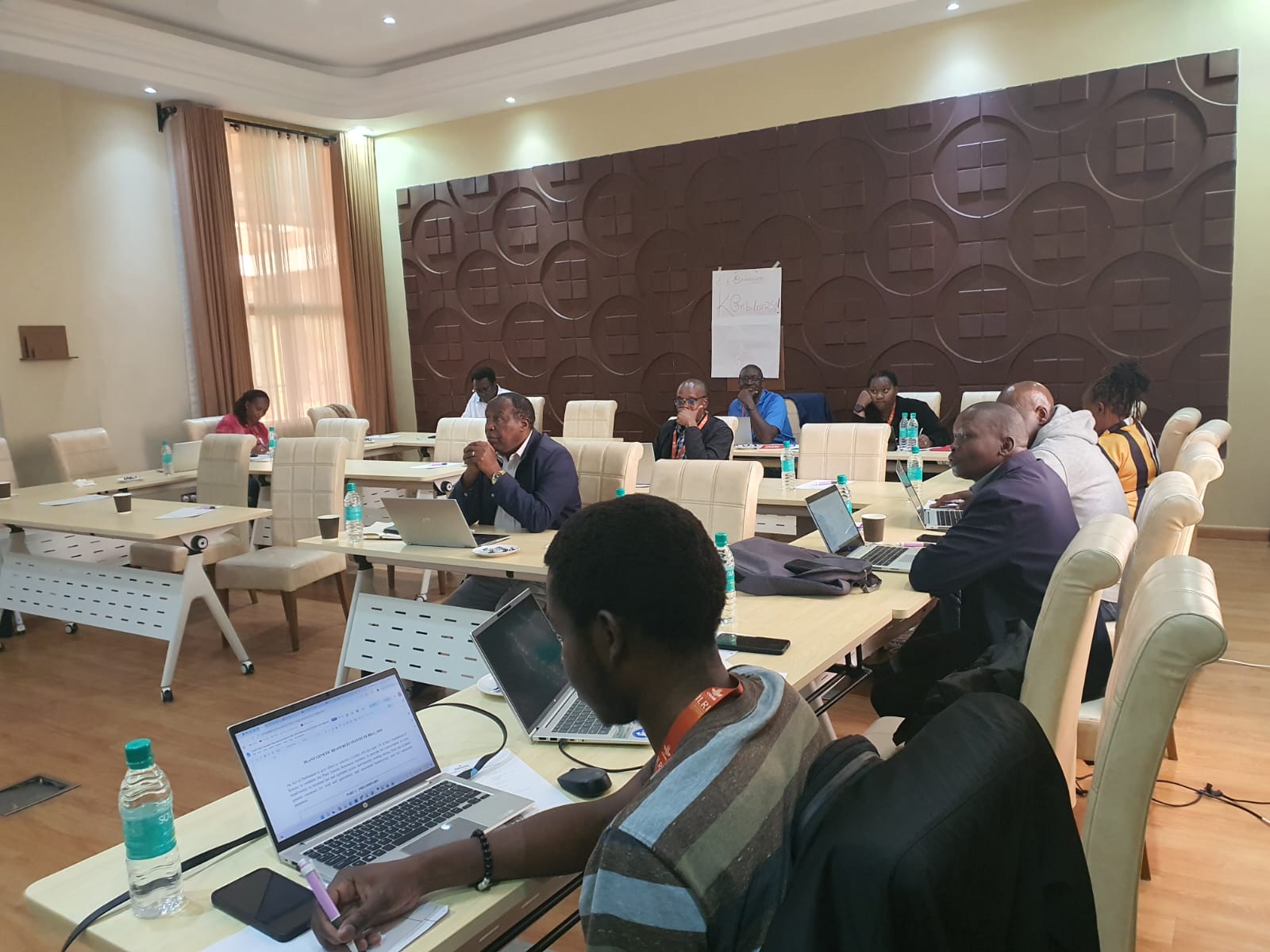
Against this backdrop, MoALD convened a four-day technical workshop at Lake Naivasha Resort from 7–10 July 2026 to advance the review of the two draft bills. Participants included the committee of experts and representatives of public agencies, research organizations, farmers, community seed actors, breeders, the private seed sector, and civil society.
At the workshop, Joseph Karugia from the International Livestock Research Institute (ILRI) encouraged the technical team to look beyond the immediate interests of farmers and breeders and consider the economic, livelihood, and food system implications of a well-functioning seed system across the value chain. In that context, he emphasized the contribution that research and policy engagement can make to nationally led reform.
“CGIAR, through its policy science and innovation work—including the CGIAR Policy Innovations Hub for Kenya, hosted by ILRI—is heavily invested in translating inclusive and progressive research gains into sustainable policies and policy action for social good,” he said.
From consultation to detailed drafting
The Naivasha technical workshop on the draft Seeds and Plant Varieties Bill 2026 and the draft Plant Genetic Resources Institute Bill 2026 marked a shift from gathering and consolidating stakeholder comments to collectively considering those inputs and working through draft legal text. It built on earlier consultations, including the 12 May 2026 MoALD–CGIAR dialogue at ILRI.
Following that dialogue, seed-systems policy experts from seven CGIAR centers consolidated technical inputs into a joint memorandum for the ministry and Kenya Plant Health Inspectorate Service (KEPHIS). The July workshop considered those recommendations alongside submissions from farmer and community- seed organizations, plant breeders, the private seed sector, research institutions and other stakeholders.
The secretariat had organized stakeholder submissions into clause-linked matrices. Technical groups considered the comments, recorded how they were treated—whether taken forward for drafting, modified, left for regulations or guidelines, or retained for further consideration—and reviewed proposed changes in plenary. This approach strengthened traceability by linking each issue to the relevant provision, drafting response and implementation considerations.
Kennedy Anahinga of MoALD placed the exercise within the wider objective of the review, describing the task as producing a document that benefits all the actors, not just those present at the workshop:
“This intervention underscores the importance of finding workable provisions across a diverse seed system and its many constituencies.”
Working through those diverse positions also required sustained consensus-building. Simon Maina of KEPHIS encouraged participants to remain constructive even when views diverged, echoing the collaborative approach that had characterized earlier engagements.
Key discussion areas of the technical review
The technical review covered a broad range of issues. Four interconnected areas capture much of the discussion and illustrate how stakeholder inputs were considered in relation to drafting, regulations, and issues requiring further consideration.
Inclusive seed pathways and quality assurance: Participants considered how conventional certification can coexist with proportionate quality-assurance approaches for farmer-managed and community seed systems. Quality Declared Seed (QDS)—a pathway through which seed meets defined quality standards under requirements adapted to local production systems—featured in discussions alongside the roles of counties, KEPHIS, community seed banks and the current Genetic Resources Research Institute (GeRRI), which the draft legislation proposes to transition to the Plant Genetic Resources Institute (PGRI). The detailed institutional and operational arrangements remain matters for the evolving draft provisions, regulations, and guidelines.
Farmer varieties, community interests and benefit-sharing: Discussions explored fit-for-purpose approaches for identifying, documenting, recognizing, and listing farmer and indigenous varieties while preserving evidence of community origin and prior use. They considered registration in relation to identity and traceability, recognition and protection of community custodianship and farmers’ rights, and, where appropriate, commercialization through applicable quality assurance pathways. The workshop also considered how commercial use of farmer-managed seed or associated knowledge relates to prior informed consent—agreement given before access—and mutually agreed terms setting out conditions of use and benefit-sharing. Detailed procedures and safeguards may be elaborated through regulations and guidelines.
Making the two bills work together: A recurring plenary theme was the need for the draft Seeds and Plant Varieties Bill 2026 and the draft Plant Genetic Resources Institute Bill 2026 to operate coherently, including through compatible definitions, institutional mandates, and cross-references. Participants also considered access to plant genetic resources for research and breeding, confidentiality, and the boundary between ordinary commercial seed trade and access to genetic resources. Martin Oulo of the Inter-sectoral Forum on Agrobiodiversity and Agroecology (ISFAA) captured the relationship between the instruments in a phrase that resonated in plenary: “They are twins, and we agree to treat them as ‘conjoined’.”
Balancing inclusion, quality, conservation, and innovation: The workshop considered how the evolving framework can accommodate farmer access to diverse and quality seed, farmer-managed systems, conservation and sustainable use of plant genetic resources, and predictable conditions for breeding and seed enterprise. This balancing challenge was reflected in interventions from different parts of the seed system. Joyce Karanja of the Seed Trade Association of Kenya emphasized an enabling environment for innovation and efficient seed markets alongside seed quality and farmer confidence, while Miriam Kinyua of the Plant Breeders Association of Kenya emphasized accommodating different perspectives while keeping farmer access to quality seed at the centre of the review.
The discussions also sat within a wider regional policy context. Gloria Otieno of the Alliance of Bioversity International and CIAT noted that alignment with the emerging African Union Seed Policy Framework could position Kenya to showcase “a progressive, inclusive and forward-looking seed regulatory framework.” Her observation linked the national review to ongoing efforts to strengthen seed policy coherence across the region.
Maintaining momentum and next steps
CGIAR’s contribution has remained facilitative, bringing evidence and comparative experience into the review, helping organize technical inputs so they could be considered against specific provisions, contributing expertise during group work and plenary review, and supporting engagement around a nationally-led process. Colleagues from ILRI, the International Potato Center (CIP), and the Alliance of Bioversity International and CIAT participated directly in the Naivasha technical review, building on the wider CGIAR contribution consolidated after the May dialogue.
The ministry has since circulated the workshop report, revised draft bills, and actioned stakeholder comment matrices to workshop participants. Further technical work is expected as the instruments are aligned with the draft national seed policy and move through the ministry-led review, consultation and public-participation processes. In closing the Naivasha convening, Anahinga acknowledged the technical and financial support provided through the CGIAR Policy Innovations Hub for Kenya and encouraged participants to sustain the collaborative spirit demonstrated during the review.
As the reform moves forward, continued evidence, dialogue and stakeholder participation will be key to building a stronger, more inclusive and forward-looking seed and plant genetic resources framework for Kenya.
Acknowledgements and further reading
The ministry acknowledges the CGIAR Policy Innovations Hub for Kenya, co-hosted by ILRI, and the Inter-Sectoral Forum on Agrobiodiversity and Agroecology (ISFAA) for financial and technical support. CGIAR participation also drew on longer-term regional engagement. In Kenya, a related regulatory instrument on vegetatively propagated seed, separately co-facilitated by CIP, International Food Policy Research Institute (IFPRI), and KEPHIS, was awaiting gazettement at the time of the Naivasha workshop. Seed-system teams led by Kwame Ogero at CIP have supported policy development and related products in Kenya, Uganda and Tanzania, while Gloria Otieno has led the Alliance’s agrobiodiversity and seed-policy work across several countries in sub-Saharan Africa and with the African Union Commission. The Alliance also committed follow-on support to align the draft bills with the draft national seed policy.
Further reading: Evidence-Informed, Locally Led: Advancing Seed Sector Legislative Reform in Kenya.