AFSF 2026

Africa Food Systems Forum 2026

Livestock support more than 70 percent of rural livelihoods in Africa and contribute up to 40 percent of agricultural gross domestic product (FAO 2021). Investment in the sector has never matched that contribution. As the Africa Food Systems Forum marks 20 years and meets in Kigali under the theme, Investing in Africa’s Agri-Food Systems: Nourishing Nations, Growing Jobs, Building Resilience, ILRI brings evidence on where investment in livestock pays back — in diets, in jobs, and in resilience to climate and market shocks.

The size of the opportunity is easiest to see in what is currently lost. An average African cow produces just 6 percent of the annual milk yield of a cow in an OECD country. Closing that gap through better feed, genetics, animal health, and husbandry means more milk, meat, and eggs from the animals farmers already keep — more food, more income, more jobs, and lower emissions for every litre of milk and kilogram of meat produced. ILRI’s dairy genetic work has already raised milk yields by 30 to 50 percent for more than 250,000 farmers across Africa and Asia.

Rwanda is one of four countries that have adopted a Livestock Master Plan, alongside Ethiopia, The Gambia, and Tanzania, with plans under way in Nigeria and Madagascar. These plans are what turns evidence into budget lines. In Dakar in 2025, the Forum programmed around livestock for the first time. In Kigali, the question is no longer whether livestock belong in Africa’s food systems, but what investing in them returns.

Conference website

Meet us at the Forum

ILRI brings evidence, tools and partnerships to the Africa Food Systems Forum, making the case that investing in livestock is investing in nutrition, jobs and climate resilience, all at once. Come and talk with our researchers about what works, and what it takes to scale.

10:30 - 11:30
Accelerating Africa's Blue Transformation
MH1 –Investment Room Deal Room 1

Organized by: WorldFish, CGIAR SAAF, ILRI , IRRI , GIZ , BMZ, Aquatic Blue Food Coalition

Africa’s aquatic food systems have an enormous potential to fuel local economies and create jobs for women and youth, while also strengthening resilience, nutrition and public health. This session will explore how investing in sustainable fisheries and aquaculture can accelerate sustainable transformation of Africa’s food systems. Bringing together perspectives from nutrition, farming, research, policy and private sector, it will examine how aquatic food systems can create thriving value chains and resilient livelihoods, while promoting human and environment health. Drawing on practical examples from across Africa, including women-led enterprises, rice-fish systems, school meal programs, climate-smart aquaculture and scalable business models, the session will explore what is needed to unlock investment, strengthen partnerships and scale successful approaches, while highlighting women’s contributions across aquatic food systems during the International Year of the Woman Farmer.

16:00 - 18:00
2nd Ministerial Deep Dive on Livestock
AD12

Invitation only

Scaling What Works through Regional Value Chains, Partnership and Investment

The 2nd Ministerial Deep Dive on Livestock builds on the inaugural 2025 session. The Platform takes a systems-wide view of Africa's livestock sector, examining one subsector each year through the full livestock ecosystem. The session will open with welcome and framing from AU-IBAR and ILRI, followed by a scene-setting presentation on Integrated Livestock Value Chains, Partnerships and Investment, highlighting the need to move towards delivery. This will be followed by two case studies, one on scaling, using Ethiopia's dairy growth as an illustrative country case, followed by a private sector perspective on delivery. Dairy is this year's illustrative example, not the subject.

Ministers responsible for livestock will then hold an hour of facilitated dialogue, focusing on regional collaboration and co-operation, while applying lessons shared to their contexts to identify practical actions for strengthening integrated regional livestock value chains.

The Ministerial is co-convened by the African Union InterAfrican Bureau for Animal Resources (AU-IBAR) and the International Livestock Research Institute (ILRI), in partnernhip with GALVmed, GIZ, Gatsby Africa, Heifer International, Mercy Corps, SNV, Strathmore University, and the CGIAR Science Program on Sustainable Animal and Aquatic Foods.

18:00 - 20:00
Growing Partnerships for Sustainable Food Systems: Connecting Livestock with Nutrition, Climate, Trade and Investment
Rooftop Space A

Following the 2nd Ministerial Deep Dive on Livestock, this invite-only reception widens the circle of livestock champions in a relaxed, informal setting. After a welcome and short opening remarks, the MC introduces the partners in the room and what each has to share, so guests know who to seek out — then the evening opens up for networking over drinks and food. Closing reflections from core partners pick up on how this broader coalition keeps working together, before a final toast. 
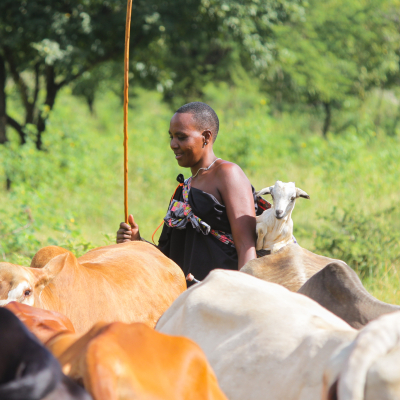
Five things you need to know about livestock and food systems

The case for livestock in Africa's food systems, in brief 

1. Livestock are how millions of Africans eat well

More than a billion Africans — two-thirds of the continent — cannot afford a healthy diet. Milk, meat and eggs are the most reliable sources of the iron, zinc and vitamin B12 that prevent stunting and protect children’s growth in the first 1,000 days of life. Without livestock, Africa cannot close its nutrition gap.

2. Livestock are how millions of Africans earn

Livestock support 1.3 billion livelihoods worldwide and up to 40% of agricultural GDP. In Africa they are a leading route into work and enterprise for young people and women, who already drive much of the activity in poultry, dairy and small-ruminant value chains. For rural families, animals are savings, insurance and a buffer when times are hard.

3. Closing the productivity gap helps turn livestock into growth and jobs

African livestock are among the least productive in the world — and that gap is the opportunity. Better feed, genetics and animal health mean each animal produces more, without larger herds. ILRI’s dairy genetics work has lifted milk yields by 30 to 50% for a quarter of a million farmers, while turning cassava peel waste into feed has cut costs and created jobs. More food, more income, lower emissions — from the animals farmers already keep.

4. Productivity is only half the story

Gains on the farm reach people’s plates only when systems connect farms to markets — through processing, food safety and the informal markets that supply most animal-source foods in Africa. Strengthening these markets, rather than bypassing them, is what turns better production into better food for everyone.

4. Climate action on livestock means transformation, not elimination

Livestock produce around 15% of global greenhouse gas emissions, but in Africa, low productivity means each litre of milk or kilo of meat carries a heavier climate cost than it needs to. Better feeds, forages, genetics and veterinary care could cut that emissions intensity by up to 30% while raising output, and well-managed pastoral and rangeland systems store carbon and sustain biodiversity on top. The goal isn't to take livestock out of food systems, but to invest in climate-smart systems that cut emissions and build resilience at the same time.

5. Women and youth are the ones who'll transform it

Young people make up 60% of Africa’s population and are already active across livestock value chains; women are central to managing animals and dairy. Give them access to technology, finance and climate information, and they become the engine of more efficient, more resilient livestock systems.

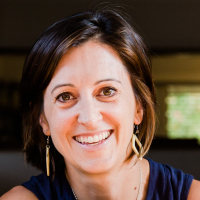
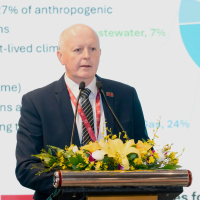
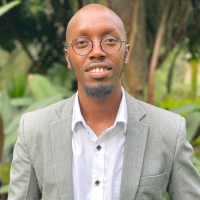
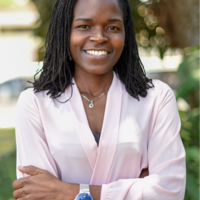
Our delegation

Appolinaire Djikeng

Appolinaire Djikeng

Director General

Siboniso (Boni) Moyo

Siboniso (Boni) Moyo

Deputy Director General - Research, Partnerships and Impact

Anne-Marie Schryer-Roy

Anne-Marie Schryer-Roy

Team Leader, Strategic Communications and Outreach

Sally Katee

Sally Katee

Research Officer - Research Compliance, Policy and Engagement

Anthony Whitbread

Anthony Whitbread

Program Director, Livestock, Climate and Environment (LCE)

Nathan Ronoh

Nathan Ronoh

Communications Officer

Vivian Atakos

Vivian Atakos

Global Engagement and Policy, CGIAR GENDER Platform

Karen Marshall

Karen Marshall

Principal scientist, Animal breeding and genetics

Geoffrey Luis Njenga

Geoffrey Luis Njenga

Communications Specialist

John Recha

John Recha

Scientist, Climate-Smart Agriculture and Policy

Million Gebreyes

Million Gebreyes

Social Scientist

Getachew Feye Legese

Getachew Feye Legese

Scientist - Agricultural Economist : Director General’s Representative Office, Ethiopia

Ann Mureithi

Ann Mureithi

Head of Coordination, Planning and Engagements , Director General's Office

Rita Muriuki

Rita Muriuki

Project Management