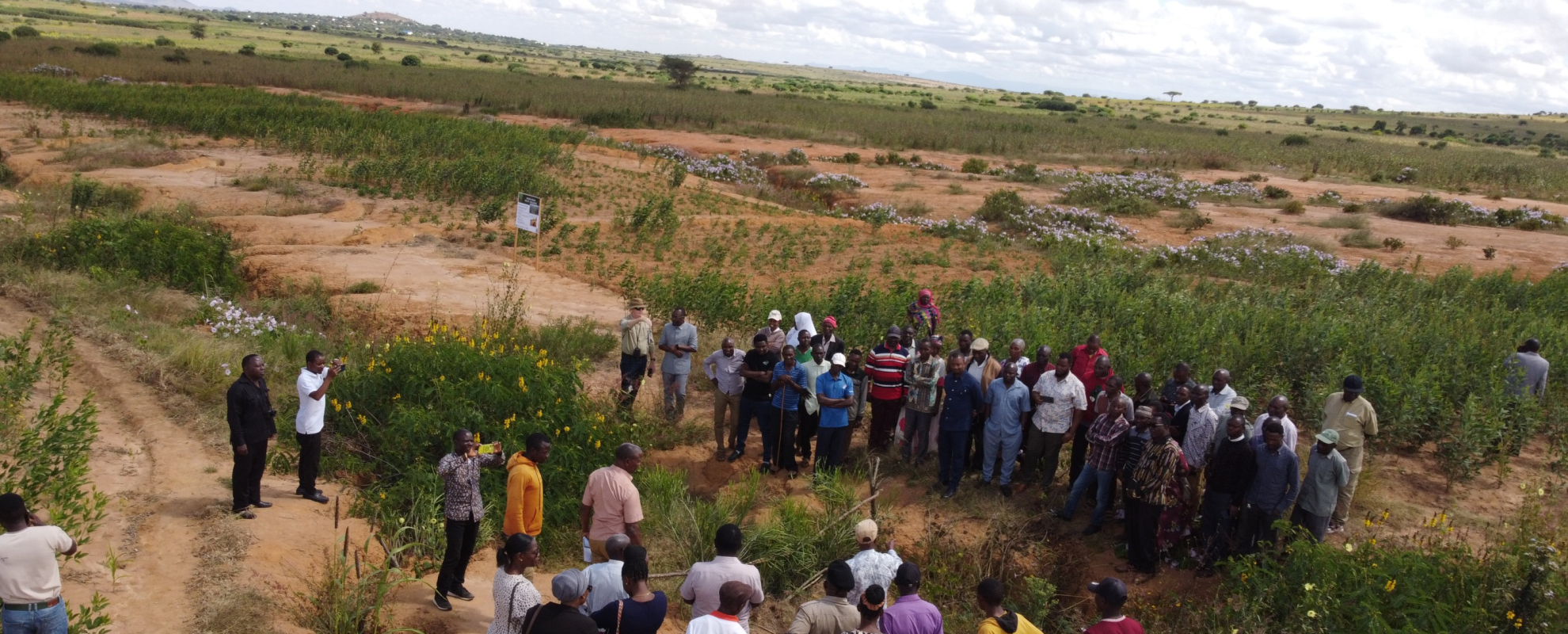
Landscape Innovation Symposium
Overview
The Landscape Innovation Symposium brings together government representatives, farmers, researchers, development partners, and private sector actors to reflect on over a decade of integrated landscape and livelihood interventions in Kongwa and Mpwapwa districts. These efforts have been implemented through partnership with the Tanzanian Government (especially TARI and TALIRI), through USAID’s decade long support of the Feed the Future programming of Africa RISING, and more recently the Biovision Foundation for Ecological Development, the Liechtenstein Development Service (LED), and the Rainier Climate support of the ResComm (Enabling a resilient and prosperous community through participatory agroecological practices in the semi-arid region of central Tanzania) projects. All along, CGIAR (IITA, ICRISAT, ILRI, CIMMYT and ICRAF) have been providing technical, training and financial support via CGIAR science programming.
Together, these initiatives have generated strong evidence on how participatory and integrated approaches, combining soil and water management, crop–livestock integration, and community-driven landscape restoration, can improve productivity, strengthen resilience, and enhance livelihoods in semi-arid systems. For example, the ResComm project promotes agroecological practices, improves livestock productivity, strengthens market linkages, and supports inclusive participation of women and youth to build sustainable and resilient farming systems.
Building resilient rural communities through sustainable landscapes and integrated crop-livestock systems
The event is designed as a working platform, moving beyond knowledge sharing to focus on scaling what works. Through structured dialogue, technical discussions, and stakeholder engagement, participants will identify key lessons, address constraints to scaling, and align on practical actions. The symposium ultimately aims to translate this accumulated evidence into broader impact by informing policy, guiding investments, and strengthening partnerships that support the expansion of integrated landscape approaches across Tanzania and beyond.
08:00 - 16:00
Symposium sessions and stakeholder dialogue
Rafiki Hotel, Dodoma
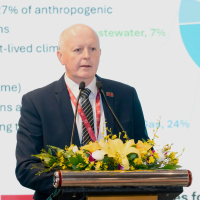
The first day of the Landscape Innovation Symposium will bring together government leaders, researchers, farmers, development partners and private sector actors to reflect on more than a decade of integrated landscape restoration and livelihood transformation in Kongwa and Mpwapwa districts.
Discussions will highlight evidence generated through partnerships among the Government of Tanzania, CGIAR centres and development partners, demonstrating how integrated approaches to soil and water conservation, crop–livestock systems, agroecology and community-led restoration have improved productivity, resilience and livelihoods in semi-arid landscapes.
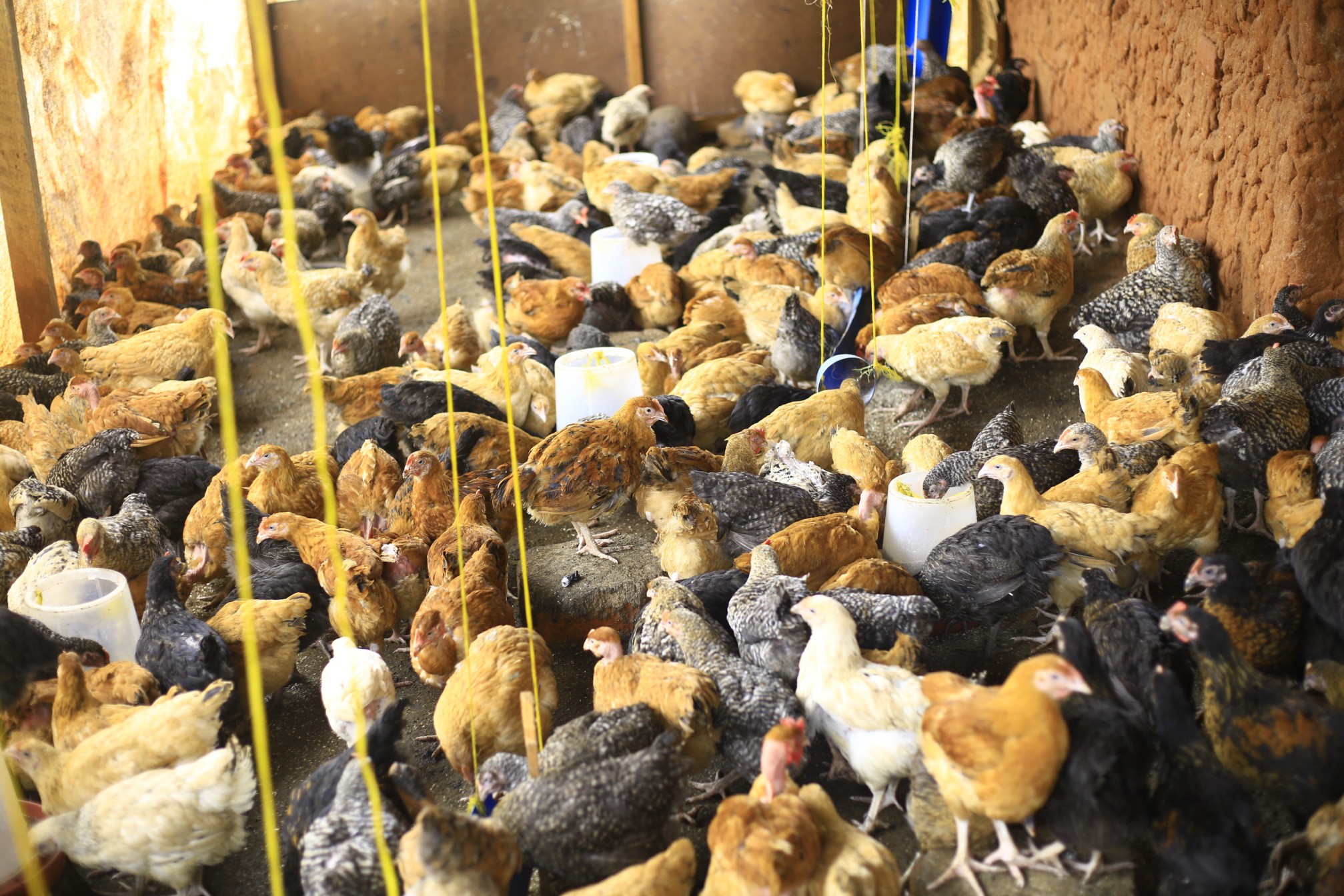
Participants will explore key barriers preventing successful innovations from reaching scale through a high-level panel discussion and thematic breakout sessions on landscape restoration, crop–livestock intensification, and policy and institutional enablers.
The day will conclude with a synthesis of lessons learned, identification of evidence gaps and scaling priorities and agreement on priority actions, institutional roles and partnerships needed to accelerate the adoption of sustainable landscape approaches across Tanzania and beyond.
07:00 - 13:10
Guided field visit to Kongwa (learning site demonstration)
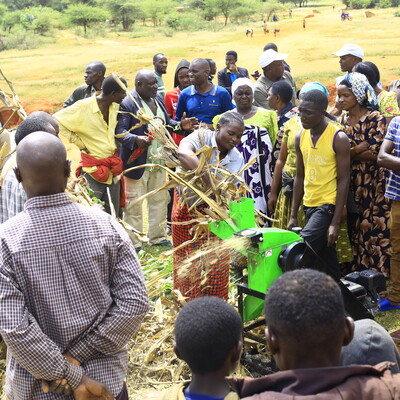
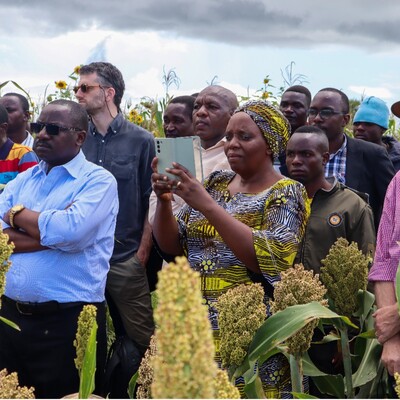
The second day will translate dialogue into action through a field visit to Kongwa District, where participants observed successful landscape restoration and integrated farming interventions firsthand.
The learning tour will showcase practical innovations including gully rehabilitation, cereal–legume integration, organo-mineral fertilizer use, fodder tree establishment, Fanya Juu and Fanya Chini terraces, farmer-managed natural regeneration (FMNR), shelter belts, fodder banks, improved dairy feeding systems and silage conservation techniques.
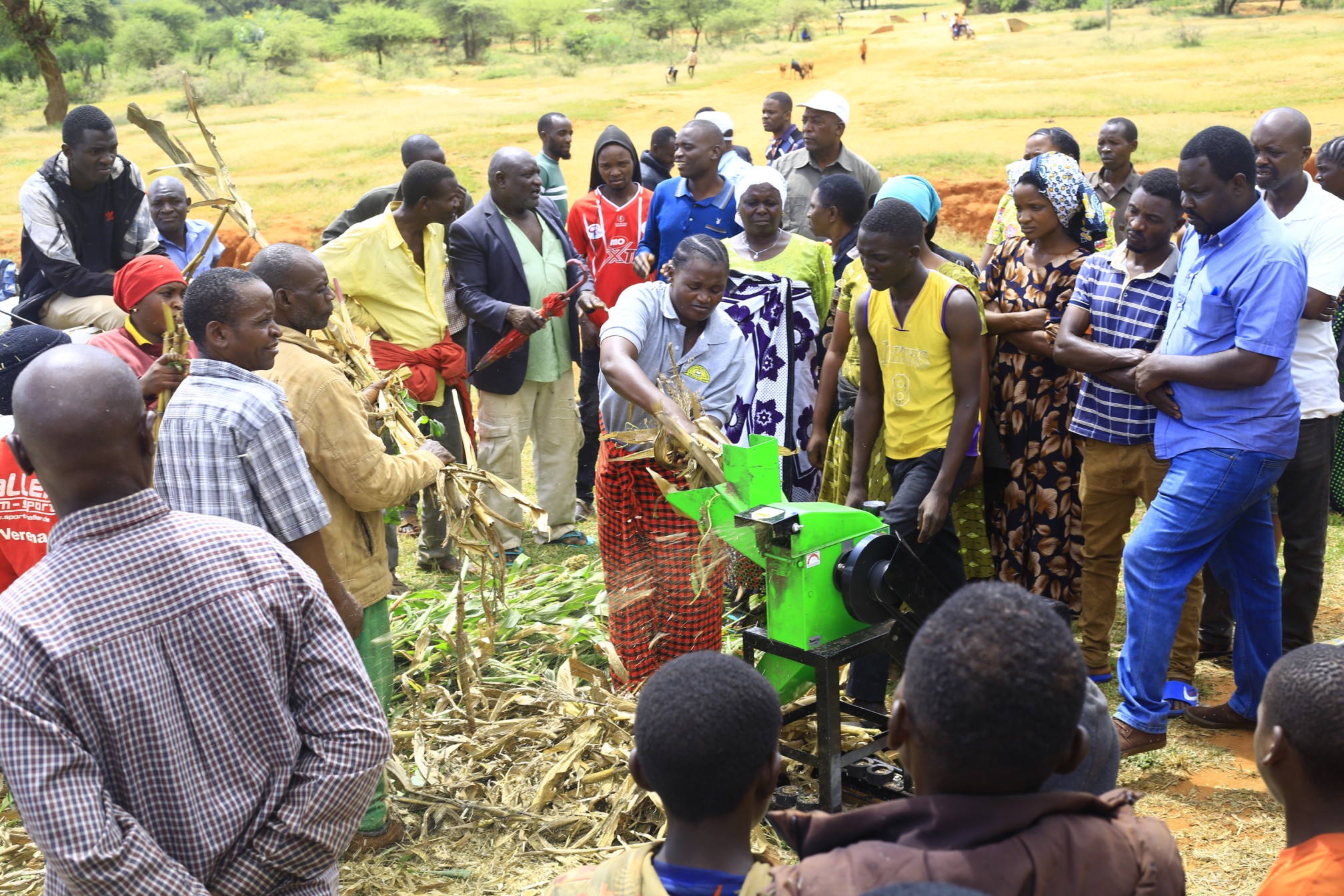
Hosted by local farmers and technical partners, the visits will demonstrate how participatory agroecological practices are restoring degraded landscapes while improving livestock productivity, feed availability and household livelihoods.
The field experience aims to provide participants with tangible examples of scalable solutions and to reinforce the importance of sustained partnerships, local leadership and evidence-based investments in building resilient rural communities and sustainable crop–livestock systems.
Acknowledgement
From 2011 to 2023, farmers and district authorities in Babati and Kiteto districts (Manyara Region) and Kongwa District (Dodoma Region) played a critical role in supporting this work. We sincerely thank them for their collaboration, generosity, and dedication. The achievements reported here were made possible through partnerships with the Government of Tanzania, particularly district councils and the National Agricultural Research and Extension System (NARES), including TARI and TALIRI and USAID’s decade-long support through the Feed the Future Africa RISING program.
Since 2021, the Biovision Foundation for Ecological Development, the Liechtenstein Development Service (LED), and Rainier Climate have supported the ResComm I and II projects. Throughout this period, CGIAR centers—including International Institute of Tropical Agriculture (IITA), International Crops Research Institute for the Semi-Arid Tropics (ICRISAT), International Livestock Research Institute (ILRI), Alliance of Bioversity International and CIAT, International Maize and Wheat Improvement Center (CIMMYT), and World Agroforestry (ICRAF)—which provided technical, capacity-building, and financial support through CGIAR research programs.
Implementing partners

Funding partners