ResComm II showcases farming innovations to grow resilience in Tanzania's semi-arid regions
Enabling resilience through participatory agroecological practices
In the dry heartlands of central Tanzania, smallholder farmers have long battled poor soils, scarce water, low livestock productivity and unpredictable weather. These challenges, made worse by climate change and weak market systems, have left families struggling to grow enough food and earn a reliable income.
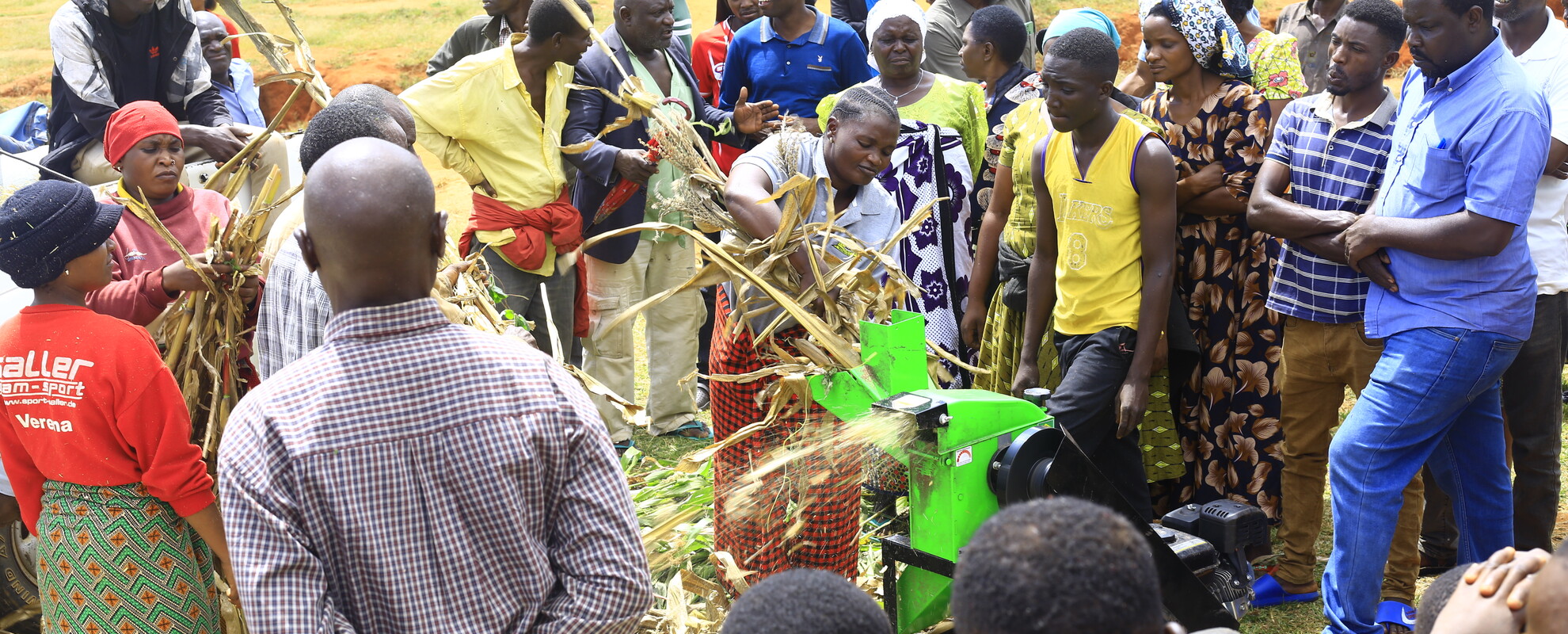
To help mitigate these challenges, the ResComm II project, short for ‘Enabling Resilient and Prosperous Communities through Participatory Agroecological Practices’, is working to promote agroecological practices, improve livestock productivity, strengthen market linkages, build capacity and share knowledge. At its core, is a simple idea: bring farmers together, listen to their knowledge, introduce sustainable farming techniques and build solutions that work for their land, livestock and lives. The project has established farmer-managed demonstration plots in each village in Kongwa and Mpwapwa districts to showcase soil and water conservation techniques, agroforestry, organic soil amendments, and mixed cropping.
Through implementing partners, Sustainable Agriculture Tanzania (SAT) and Tanzania Livestock Research Institute (TALIRI) the project has introduced dual-purpose improved chicken breeds and support farmers with high-quality forage varieties, including Napier grass (Juncao), Brachiaria grasses (Cayman, Cobra, and Mulato II), and Sugargraze. These interventions aim to improve livestock productivity and specifically boost the production of milk, eggs, and meat.
Market linkages and capacity building for lasting impacts
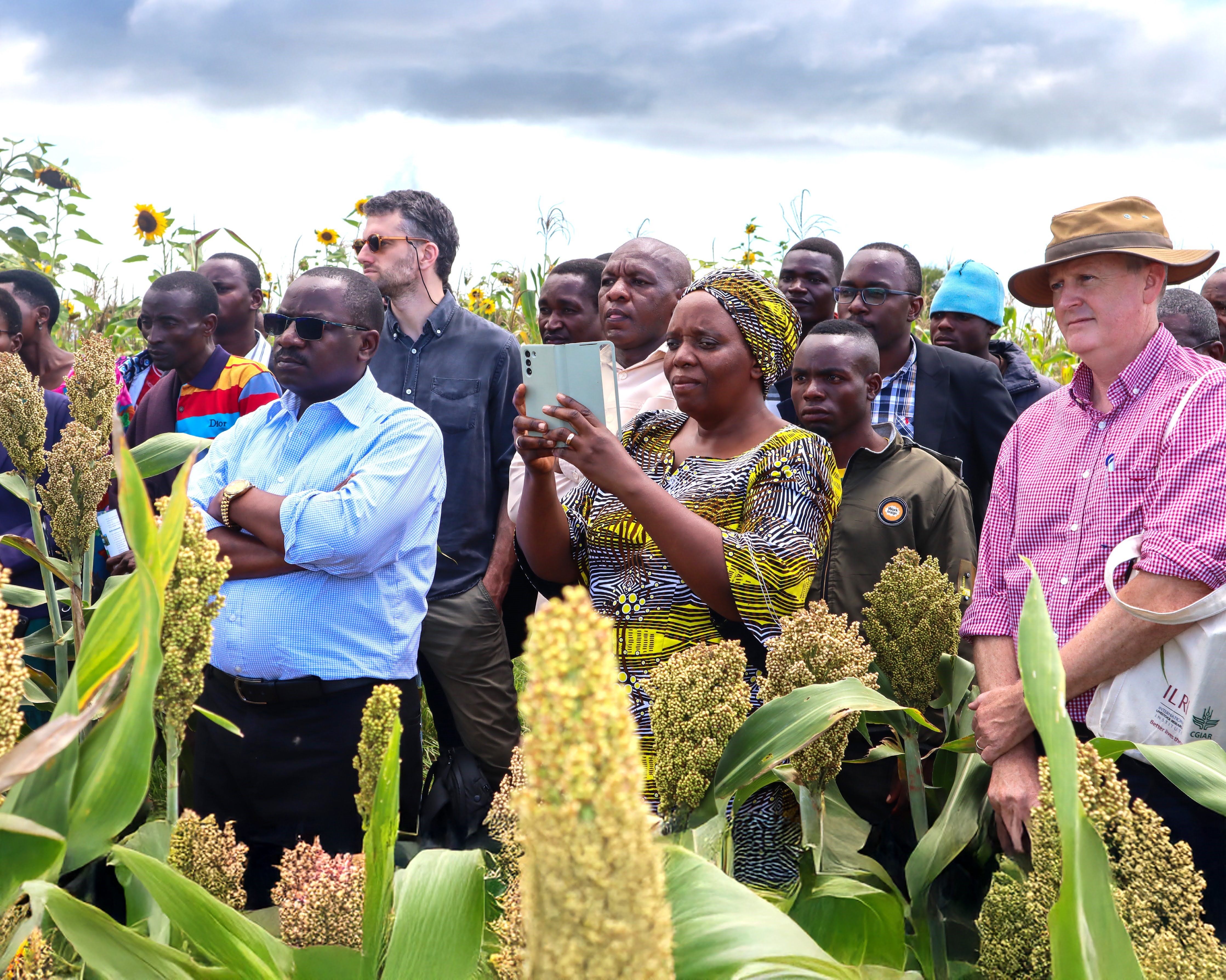
ResComm strengthens market linkages by connecting lead farmers who produce Quality Declared Seeds (QDS) with buyers and linking poultry keepers to consumer markets. The project promotes capacity building and sharing knowledge by conducting training and use of community-based learning as uptake to strengthen long-term adoption of the sustainable agroecological technologies. Led by the International Livestock Research Institute (ILRI), the project runs through 2026, but ILRI researcher Jacob Emmanuel Joseph says the goal is for its impact to last far beyond that:
‘By 2026, we hope that these innovations that protect the environment, improve diets and bring in income will grow beyond the current villages, spreading across other semi-arid areas.’
Farmer field days
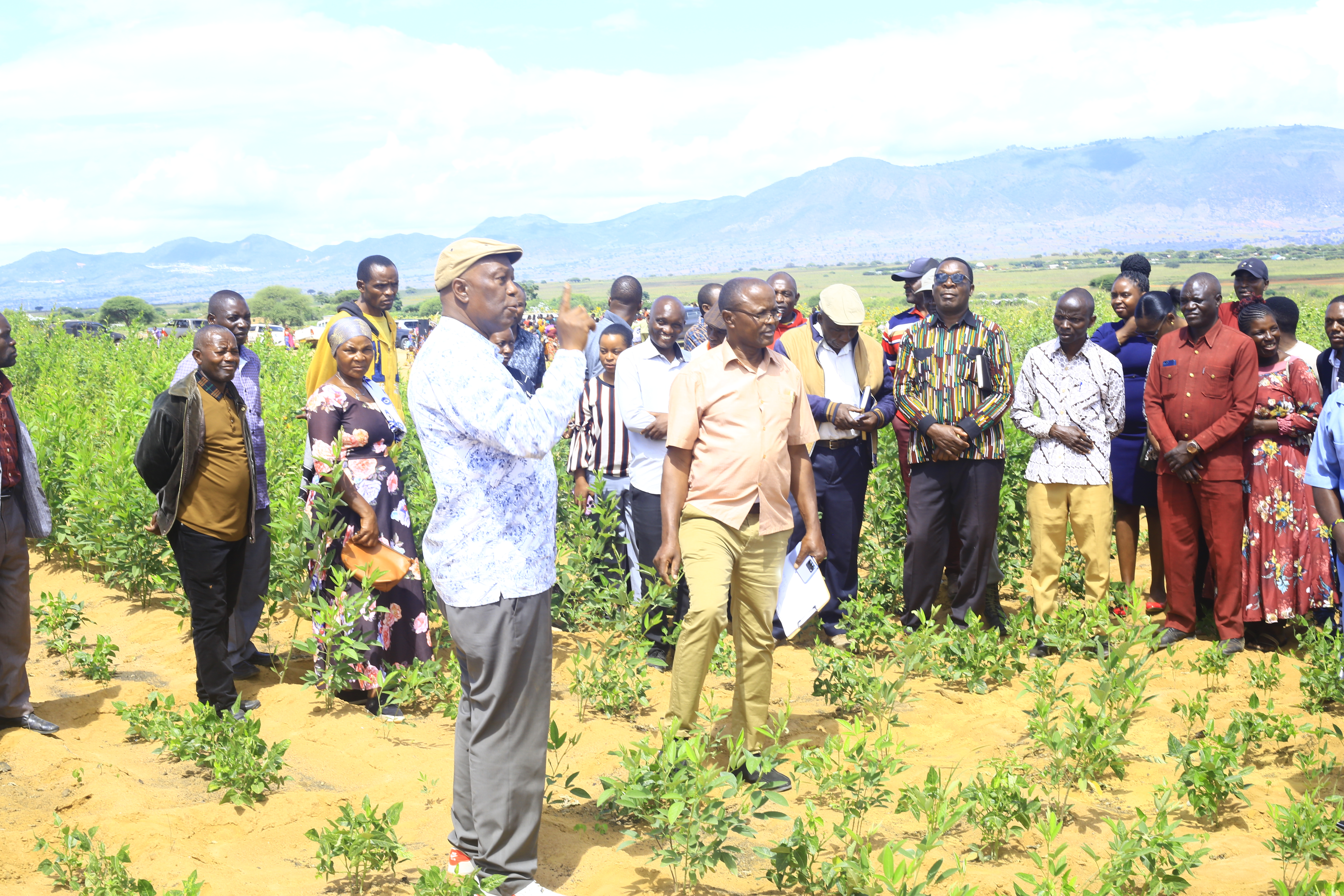
In May 2025, the ResComm project held series of farmer field days in Kongwa and Mpwapwa districts where the project operates. Organized by the Tanzanian government, ILRI and several development partners, the field days showcased technologies and practices developed under ResComm II that enhance climate resilience. These field days fostered dialogue and co-learning among farmers, project implementers and policymakers to increase awareness and uptake of agroecological innovations.
For nine days (14-21st May) the project organized a series of farm visits in 10 villages across six wards in the two districts. More than 2,000 people attended the farm visits, half of whom were women. During the farm visits, farmers who have received various technologies through the project showcased among others improved crops, forage varieties, and soil management techniques, livestock management and fodder production. The agroecological innovations displayed, included improved crop varieties, high-quality forage options, and sustainable soil management techniques. The attendees were given the opportunity to observe production of Quality Declared Seeds (QDS), such as sorghum (variety Macia) and pigeon pea (variety Mali), alongside practical demonstrations on livestock management and fodder production. Farmers shared the positive impact of climate-informed agro-advisories as well as sustainable agroecological practices implemented through the project.
‘This land, where the demo plot stands, was once so poor that even grass could not grow. We had given up on it and turned it into a football ground. But today, we have seen the transformation and learned about the agroecological technologies used. I am inspired and ready to apply these techniques on my own farm,’ said Jonas Mwiga Mgogo, a farmer from Laikala B village, Kongwa District.
‘I am now economically independent, because my crop yields have increased. The project advised us to plant Gliricidia trees, which have improved fertility of our farms. I use Glaricidia leaves to feed my cows, and when I prune the trees, I get firewood, so I no longer need to cut down trees. I have also planted certified sorghum seeds, which I sell to other farmers,’ said Mwajabu Seifu, lead farmer from Sagara B Village, Kongwa District.
About the ResComm II Project
ResComm II project aims to scale its impact beyond individual villages, inspiring a broader shift in food security, livelihoods, and environmental sustainability in Tanzania’s semi-arid regions through the adoption of participatory agroecological practices.
To learn more about the ResComm II project, visit the project page on ILRI website.
Acknowledgments
The Biovision Foundation and the Liechtenstein Development Service (LED) fund the ResComm II project. ILRI in collaboration with key partners, including Tanzania Agricultural Research Institute (TARI), Tanzania Livestock Research Institute (TALIRI), International Crops Research Institute for the Semi-Arid Tropics (ICRISAT) and Sustainable Agriculture Tanzania (SAT) are implementing the project.
We thank the Tanzanian government and all stakeholders for their contributions toward improving livelihoods and promoting sustainable agriculture in Tanzania.