mature
Improved production of livestock feed enables women and men farmers to manage climate risks
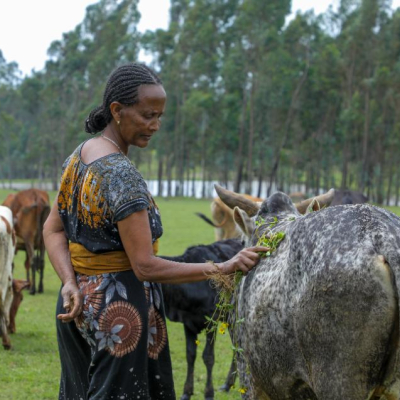
With better access to seeds and training, both women and men can feed their livestock long into the dry season, benefiting from increased milk yields.
Useful for
- Development programs and NGOs
- Extension services
- Farmers and livestock keepers
- Funders and investors
- Governments
- Private sector
- Researchers
What’s the challenge?
Many farmers in sub-Saharan Africa do not have enough nutritious feed for their livestock. Instead, they rely on grazing and crop leftovers, such as stalks and straw, which barely provide enough sustenance to support their animals. Drought, unpredictable rainfall, and degraded land make even these meager feed supplies unreliable.
Cultivating fodder crops would be a viable alternative, but farmers struggle to find the right seeds, and support is often fragmented. While separate projects may promote fodder crops, they often fail to ensure that farmers can get and store seeds or access information on how best to grow them.
Women, more so than men, are cut off from such resources. Although they often play important roles in feeding livestock, they face unequal access to land, inputs, training, and finance, making it harder for them to produce the feed their animals need.
What’s the solution?
The International Livestock Research Institute (ILRI) and its partners are combining improved fodder crops, seed supply, and training on feed production and grazing management. This approach connects relevant interventions to overcome the challenges that prevent farmers from maintaining reliable feed supplies throughout the year.
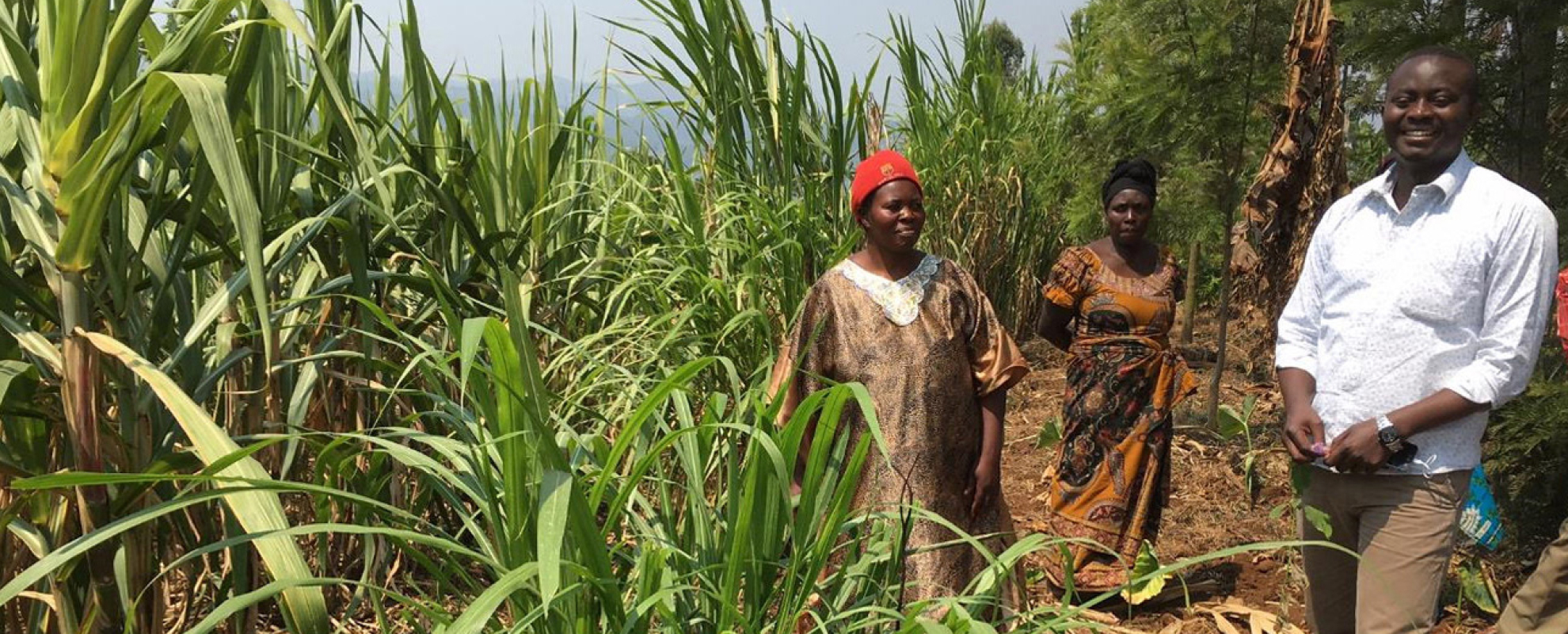
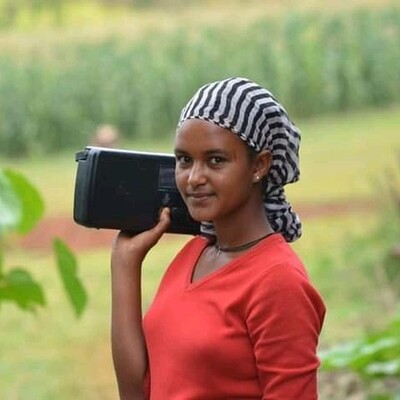
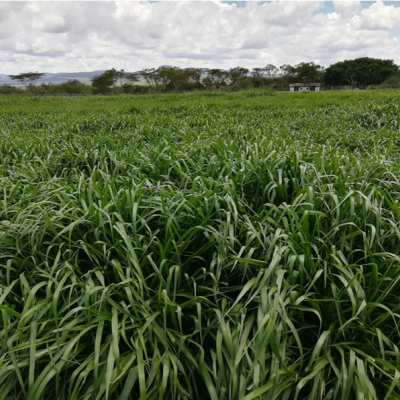
Combining improved grasses and legumes with haymaking, feed preservation, and better use of crop leftovers helps farmers both produce more and stretch their feed supplies. Local seed production and seed businesses enable farmers to access planting material. Better grazing management, advice delivered via radio and mobile phones, demonstrations, and practical training support adoption of these practices.
ILRI and partners design their support to match women’s and men’s roles and needs, intentionally seeking to improve women’s access to fodder crops, training, and information services.
Want to use this in your work?
Contact our experts


Contributors
- Accelerating Impacts of CGIAR Climate Research for Africa (AICCRA)
- Alliance of Bioversity International and CIAT
- CGIAR Trust Fund (CGIAR)
- Community organizations and forage seed actors
- International Livestock Research Institute (ILRI)
- National agricultural research and extension systems
What impact has been achieved so far?
ILRI and partners support climate-smart feed initiatives across East Africa.
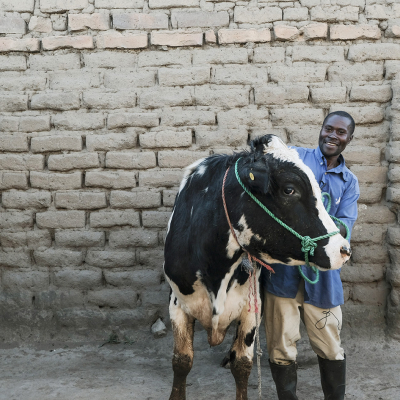
In Ethiopia, combined forage initiatives reached 50,000 farmers since 2023. Farmers received better fodder crops alongside seed access, training, and demonstrations, while radio and mobile services disseminated advice on growing and storing feed. Farmers reported that they had adopted better feeding practices and had experienced increased milk yields.
Earlier ILRI-partnered evaluations in Kenya and Rwanda found higher milk production and feed availability lasting up to three additional dry months.
50,000 farmers reached
through combined feed and forage initiatives
in Ethiopia
since 2023
Who can use, support, and scale this solution?

Farmers and livestock keepers can grow nutritious forage and improve how they store and use feed. This can reduce shortages and waste, support animal health, and increase milk production and incomes.

Governments, extension systems, and development organizations can connect farmer training with reliable seed supplies and practical feeding advice, helping livestock programs address several causes of feed shortages and reach more farming families.

Forage seed enterprises and cooperatives can multiply locally suitable seed, coordinate production, and connect growers with buyers. This can improve local seed supplies and create business opportunities for producers and cooperative members.

Nongovernmental organizations, climate-smart livestock programs, and funders can support coordinated investments in seed access, feeding practices, and training that together help to address farmers’ needs and reach women and other underserved groups.

Private feed and seed businesses can supply suitable seed, feed, and equipment through partnerships with researchers and farmer groups. These relationships can help businesses understand farmers’ needs and develop local markets.