Radio and mobile voices cultivate climate-smart farming changes in Ethiopia
As climate change intensifies, Ethiopia's vital livestock sector, a cornerstone of livelihoods for millions, faces escalating pressure. Persistent challenges, including limited access to quality feed, inadequate animal health, and marketing services compound this. These challenges significantly hinder the country from fully realizing its livestock potential. In response, the International Livestock Research Institute (ILRI) and its partners have developed innovative communication solutions that use radio frequency broadcasting and mobile network platforms to facilitate targeted behavioral change among livestock producers.
Through a three-year initiative across Amhara, Sidama and Central Ethiopia regions, over 91,000 farmers have accessed information on the production and utilization of climate-smart forage innovations. This digital-first approach demonstrates how accessible technology can bridge knowledge gaps where conventional extension models struggle.
The challenge
A baseline study of 360 farmers revealed critical barriers:
- Nearly all (98%) relied on crop residues as primary livestock feed; only 33% used cultivated forages.
- Half of the farmers lacked awareness of improved feeding troughs or forage storage.
- Sixty-five per cent (65%) hesitated to allocate >¼ of land for forage, fearing trade-offs with crops.
Prevailing cultural perceptions further complicated forage adoption efforts. Many farmers dismissed forages as 'just grass,' undervaluing their economic potential, or saw forage-selling as a marker of poverty. Cultural perceptions also hindered progress in some communities, as selling forage carried stigma, while gender norms restricted men from livestock product markets.
Radio waves and mobile voices
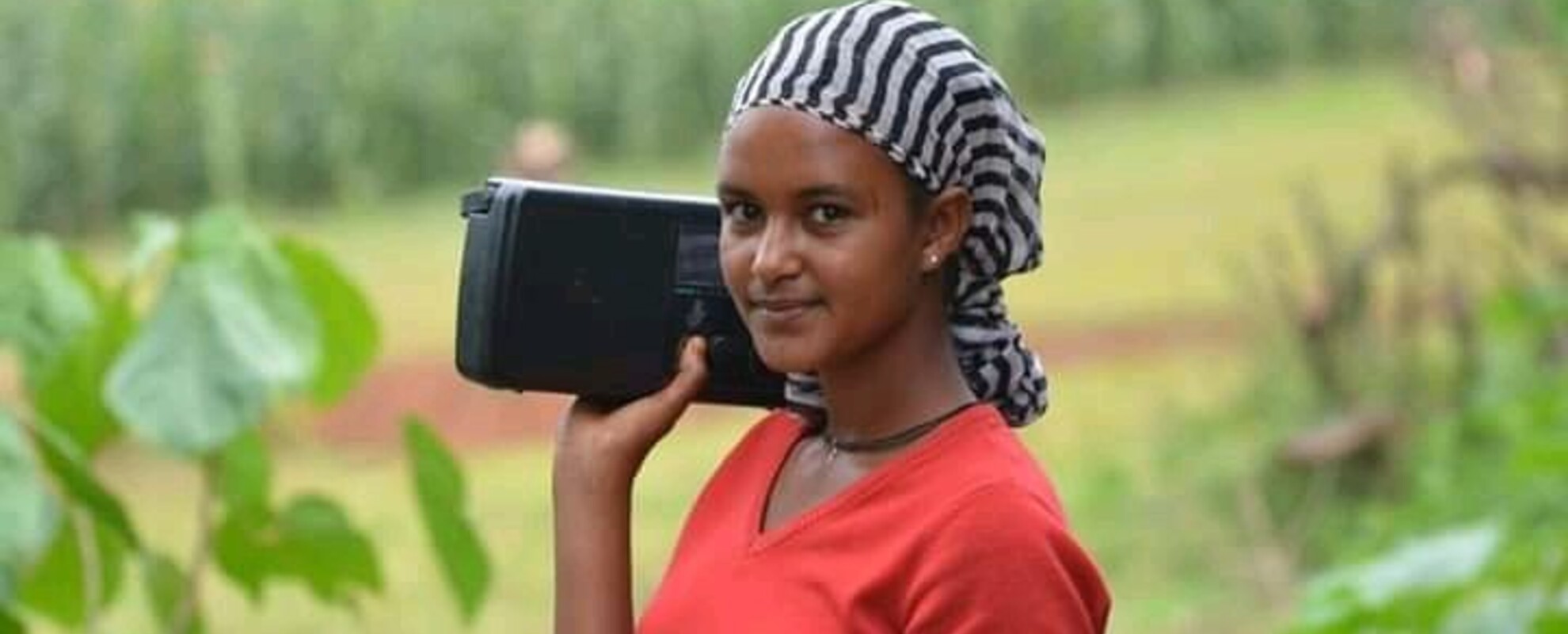
The climate-smart feed and forage innovations initiative leverages Ethiopia’s high mobile penetration (85% phone ownership) and radio listenership. It partnered with three regional stations – Debre Birhan Fana FM, Hossana FM, Shashemene Fana FM – and Ethio Telecom in deploying a multimedia toolkit:
- Weekly radio programs: 39 episodes (20-min each) on forage varieties, storage, and climate resilience.
- Mobile voice messages: 47,936 one-minute audio tips in local languages (Amharic, Hadiyisa, Sidama), listened to by 29,157 farmers.
- Journalists' training: Workshops to equip the media with livestock feed and forage expertise.
'Before this project, we had never created standalone programs on livestock feed,' says Abebe Yeshewaleul, a journalist at Debre Birhan Fana FM 94.0. 'Now farmers constantly call asking, ‘How do I grow Oat-Vetch? Where can I get seeds?’ This has changed how we serve rural communities.'
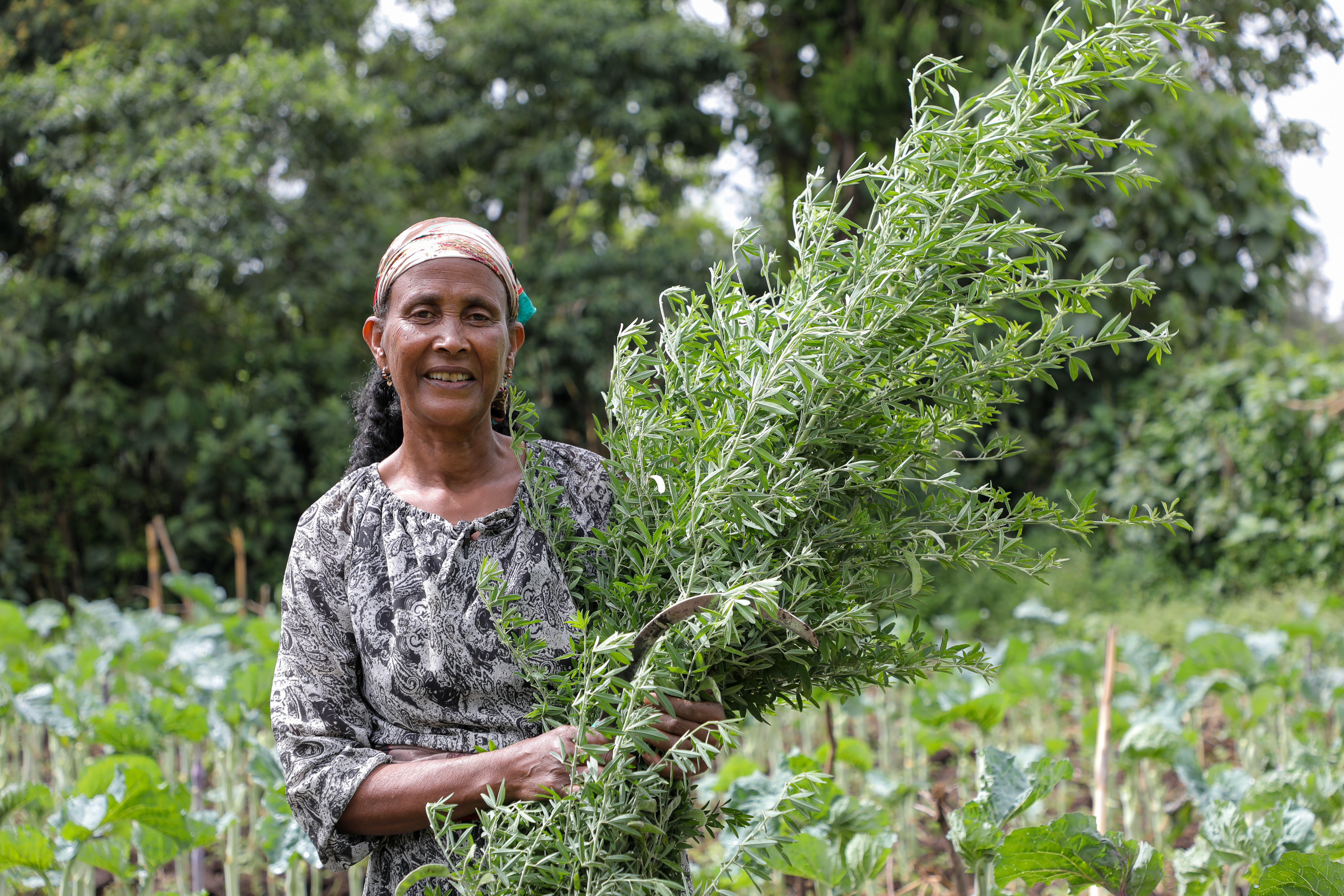
The results, measured through endline surveys with 355 farmers, reveal significant shifts. Radio and mobile voice messages emerged as top three information sources alongside extension agents, reaching an estimated 91,671 farmers across project areas. Demand surged for innovations like alfalfa and maize-legume intercropping, with mobile messages achieving a 61% listen-through rate.
Extension officers observed cascading effects. 'After broadcasts, farmers from non-project villages started calling us,' noted Hawassa Zuria’s Nadew Lalamoya. In Debre Birhan, early adopter, Wubishet Wolde Mikaela, became a local mentor as neighbours replicated his forage plots.
Lessons from the field
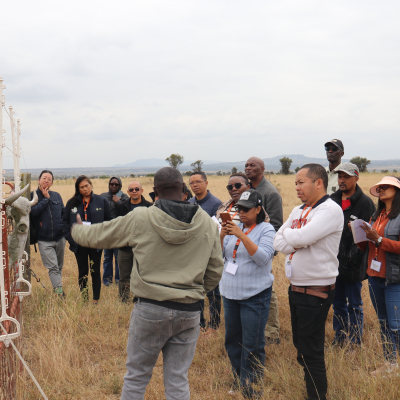
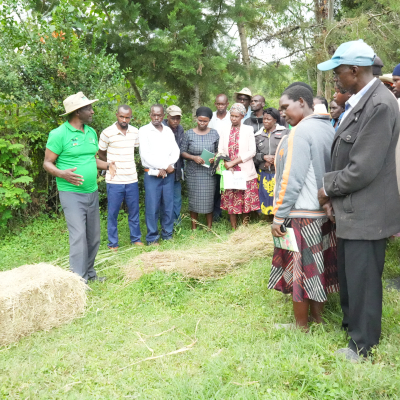
While radio and mobile proved powerful awareness tools, the initiative revealed complementary needs. Field days and parallel training for farmers, seed suppliers and extension workers addressed systemic bottlenecks.
Changing perceptions requires sustained effort. 'We have shifted radio’s focus from crops to livestock transformation,' reflected Shashemene Fana FM’s Tamene Arega, 'but attitudes evolve through consistent messaging.'
Building on this success, the initiative will strengthen the engagement with the national seed system and policy advocacy, scaling the reach of radio and mobile approach to more farmers.
'This initiative demonstrates how accessible technologies can effectively deliver critical livestock feed production and utilization information at scale,' says Kindu Mekonnen, senior scientist at ILRI.
'We have documented measurable behavioral shifts with farmers reallocating land to drought-tolerant forages, adopting feed troughs and storage practices, and reporting increased milk yields. Our priority now is ensuring these gains are sustained through reliable input access systems.'
This initiative was a collaborative effort, supported by the AICCRA and TAAT projects, and the Sustainable Farming and Scaling for Impact programs under the ILRI Livestock, Climate and Environment (LCE) program. It was implemented in partnership with regional agricultural research centres, local media and Ethio Telecom.