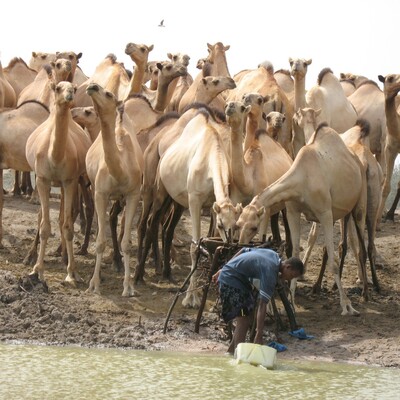
Livestock value chains play a crucial role in the livelihoods of over 1.3 billion people globally, particularly impacting 600 million among the world's impoverished. Despite this, the socio-economic significance of the livestock industry often goes unrecognised in national and regional economic systems. To address challenges faced by livestock-dependent households—ranging from climate shocks to poverty—focused investments, policy reforms and institutional changes are crucial.
However, insufficient funding persists in the livestock sector of developing nations, partly due to a lack of capacity for evidence-based policy analysis and critical data. CIRAD, FAO and ILRI developed the Livestock Sector Investment and Policy Toolkit (LSIPT) to address this gap. Although effective, it has limitations, leading to adopting a more flexible multi-market economic model (LSS-RDSEM) for forthcoming Livestock Master Plans (LMPs).
The objective of the upcoming workshop is threefold:
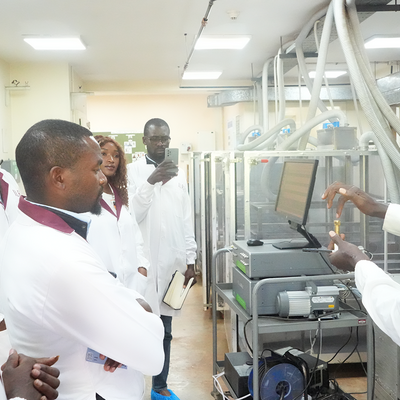
- Capacity building: Training sessions for participants from diverse regions of Africa and South Asia to familiarize them with LSIPT and tLSS-RDSEM, enabling them to support LMPs and contribute to livestock sector strategy in their respective sub-regions.
- Tool dissemination: Providing tools for socio-economic analysis to aid in strategic decision-making and prioritise investments in the livestock industry.
- Knowledge sharing: Sharing practical experiences and insights on developing and implementing LMPs.
The workshop targets individuals from Kenya, Tanzania, Zimbabwe, Nigeria, Senegal, Benin, Tunisia, Egypt, India and Nepal—key regions with a stake in the livestock sector. Participants will gain valuable expertise to contribute effectively to livestock sector planning and development in their respective areas.