ILRI in East and Southeast Asia has chosen Vietnam as its regional hub for research and investment. ILRI has several research projects targeting the Mekong region, making Vietnam a logical choice for the location of its regional office, and ILRI’s long-term plan and commitment to sustain the gains from its engagement with its local partners makes Vietnam one of its important action area countries.
ILRI has been working with partners in Vietnam since 1999. By 2006, the institute had already established its presence in the country and was hosted by the Ministry of Agriculture and Rural Development (MARD). In 2007, ILRI established its own office and gradually increased its research portfolio and personnel in Vietnam.
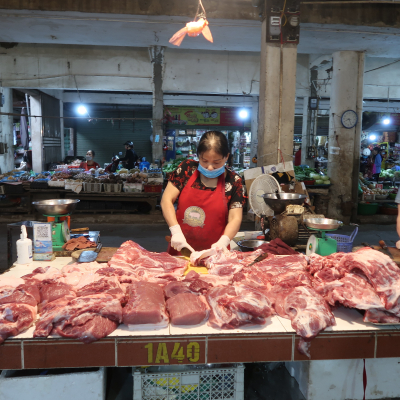
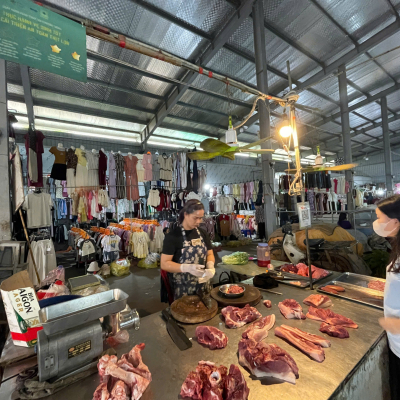
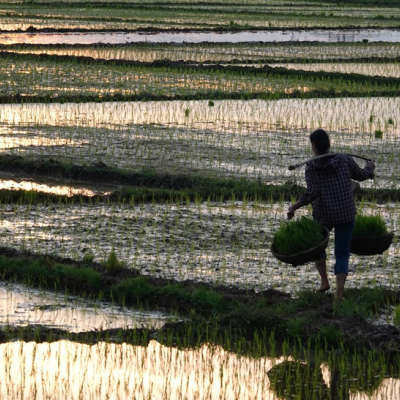
ILRI in Vietnam works on significant research topics that include animal health and food safety, adaptation to risks of climate change, emerging infectious diseases, improved feeds and forages, animal genetics and livestock value chains. ILRI in Vietnam focuses on two priority research areas: (1) sustainable intensification of mixed crop-livestock systems and (2) mitigation of risks inherent in changing agricultural systems.
A CGIAR research centre, ILRI participates in three CGIAR research programs in Vietnam and the Mekong region: Livestock; Climate Change, Agriculture and Food Security (CCAFS); and Agriculture for Nutrition and Health (A4NH).
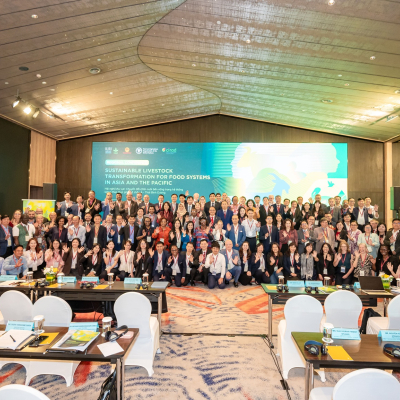
In Vietnam, ILRI partners with a number of institutions, such as the government ministries, universities, national research institutes, development agencies and the private sector, to plan and implement the research programs.