Regional dialogue on diets, nutrition and animal-source foods in African food systems: Contextualizing the EAT-Lancet 2.0 report
To register go here
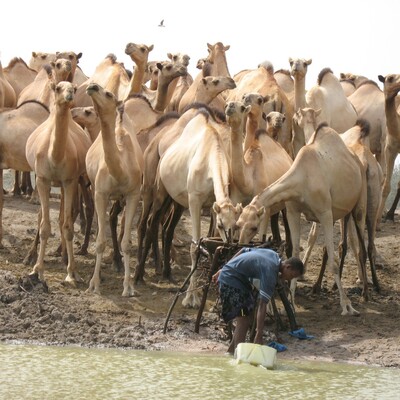
Livestock systems are a cornerstone of African food systems and play critical roles in nutrition, livelihoods, national economies and resilience. Animal source foods (ASFs) such as milk, meat and eggs provide high-quality, proteins and essential micronutrients that are often lacking in predominantly plant-based diets, especially for children, pregnant women and vulnerable populations. Beyond nutrition, livestock underpin national and rural economies, supporting an estimated 1.3 billion people globally and up to 70% of rural households in sub-Saharan Africa. Livestock is also deeply embedded in cultural traditions, dietary preferences and social status, influencing consumption patterns and market demand. At the same time, over consumption of meat globally is has large impacts on human health and the environment.
As Africa’s population and urban demand grow, the challenge will be to sustainably increase ASF production and equitable access whilst ensuring production stays within the planetary boundaries.
In early October, the 2025 EAT-Lancet Commission released its Report on Healthy, Sustainable, and Just Food Systems, presenting the most comprehensive global scientific evaluation of food systems to date and opportunities for food systems transformation around the world.
The EAT-Lancet Commission calls for substantial shifts in diets by 2050: globally doubling consumption of fruits, vegetables, legumes and nuts; reducing red meat and sugar by more than 50%. Such shifts would yield both health benefits and reduced environmental pressures. It also recognized that some regions are under the thresholds and need different strategies.
At the same time, the commission report finds responsibility for unsustainable food systems is not equal: the diets of the richest 30% of the global population contribute to more than 70% of the planetary pressures from food systems. Just 1% of the global population is in a safe and just space. The report recognizes the large inequalities in the distribution of both benefits and burdens of current food systems.
The report emphasizes that universal dietary prescriptions must be adapted to local food culture, resource constraints, and existing malnutrition burdens. The report recognizes animal source foods as nutritionally valuable in moderation, particularly where diets are dominated by starches and malnutrition persists.
Focus of the dialogue
The International Livestock Research Institute’s (ILRI) new strategy focuses on ‘better lives and a better planet’ through livestock in low- and middle-income countries. ILRI is hosting this dialogue to understand the findings and implications of the EAT-Lancet report on African livestock systems and identify pathways for further collaboration to ensure healthy and sustainable food systems.
This dialogue will bring together key actors in livestock and food systems transformation from across Africa to highlight key findings of the report and engage in context-specific dialogue. This dialogue will have a hybrid format with a face-to-face convening in Nairobi.
The objectives of the meeting are to:
- Highlight relevant EAT-Lancet findings on the role of livestock in Africa’s food systems transformation.
- Unpack and contextualize these findings and recommendations for policy, investment, and practice in Kenya and other African countries.
- Define clear pathways and priority actions for future research, evidence generation, and policy analysis to accelerate the adoption and implementation of EAT-Lancet recommendations.