CapDev program builds skills to better position livestock development in African national priorities
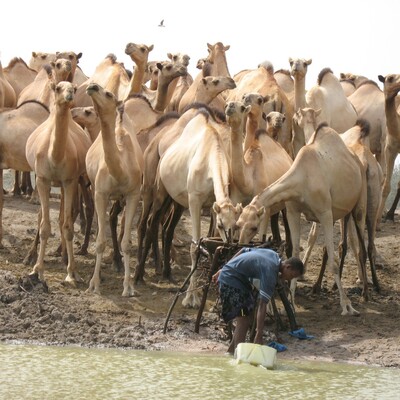
Across sub-Saharan Africa, agriculture, including livestock keeping, supports a large share of livelihoods and remains the backbone of rural economies. Beyond providing meat, milk, and income, livestock systems support cultural identity, social stability, and the sustainable use of the continent’s vast rangelands. But these livestock systems are increasingly under pressure from climate change, environmental degradation, biodiversity loss, and growing demand for food. At the same time, the livestock sector is often viewed as a major greenhouse gas emitter, while its potential contribution to climate adaptation, land restoration, and economic resilience remains under-recognized in policy and financial circles.
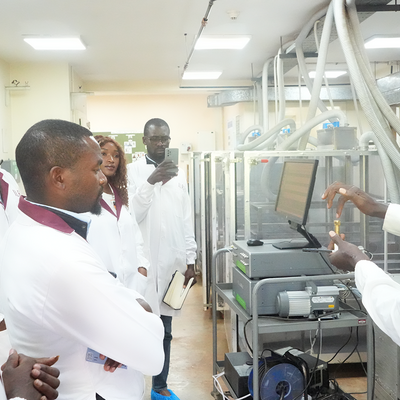
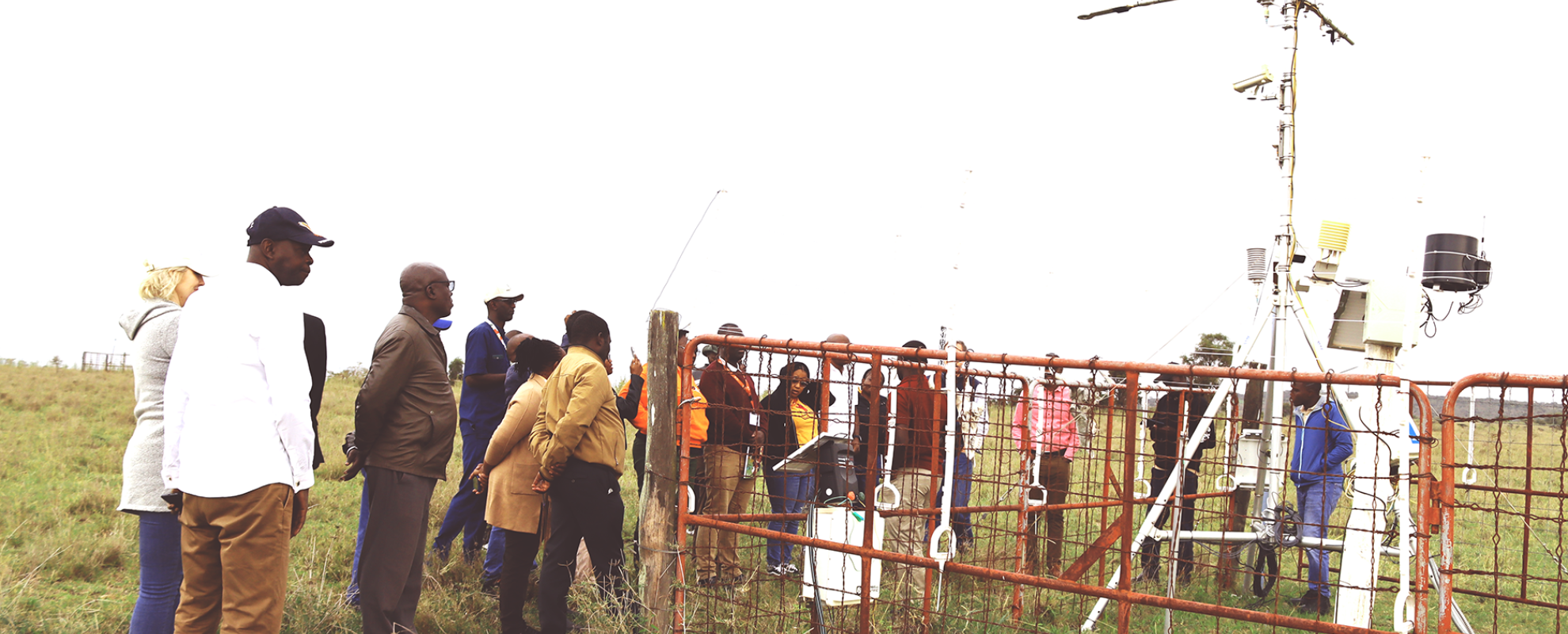
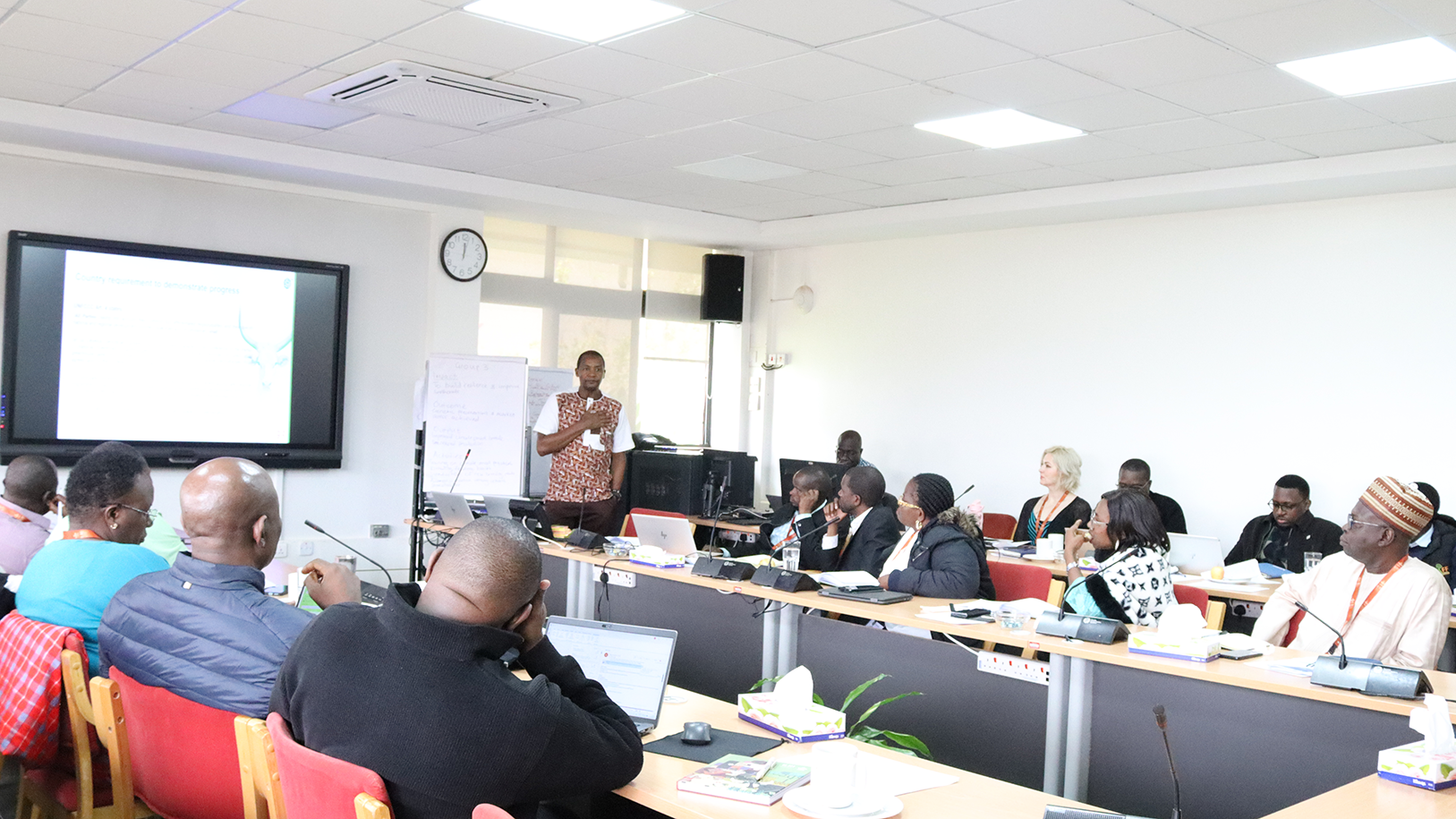
A 2025 a continental policy and capacity stocktaking exercise by the International Livestock Research Institute (ILRI) revealed significant gaps in the ability of Africa’s institutions and professionals to integrate climate-smart practices, biodiversity conservation, greenhouse gas monitoring, and climate finance into livestock development planning. To address this gap, the LiveSys project has developed a capacity development (CapDev) training program to equip African Union member states with skills to advance climate-resilient livestock development. It will do this by strengthening understanding and use of climate risk assessment, policy design, and evidence-based decision-making tools. The first module of the training was delivered in February 2026 at ILRI Campus Nairobi with a one-day field visit to Kapiti Research Station and Wildlife Conservancy by GIZ, ILRI, the African Union Inter-African Bureau for Animal Resources (AU-IBAR) — lead parters of LiveSys — the Kenya State Department for Livestock Development, and the African Group of Negotiators Expert Support (AGNES). The module covered the intersections between livestock systems, climate change and gender. It was attended by more than 38 policymakers, government officials, farmer organizations, and civil society actors from Kenya, Zambia and Nigeria.
Building practical skills for transformation
“Improving livestock systems requires stronger institutions, better policies, and professionals who can connect climate, agriculture, finance, and social inclusion,” said Laura Cramer, ILRI Scientists.
The CapDev program will address this need through a six-module course covering climate change and livestock systems, sustainable rangeland management, biodiversity conservation, the Rio Conventions, policy engagement, and the development of bankable projects. The curriculum examines the risks, constraints, practices and incorporate gender considerations that are needed for long-term sustainability of livestock development in Africa. The first module explored the links between climate change, the sustainable development goals, and livestock systems, as well as the multifunctional role of livestock, climate-resilient practices, gender and social inclusion, and monitoring and evaluation. Through expert-led sessions, case studies, and field-based learning, participants connected theory to practice. At the ILRI Kapiti Conservancy, they saw first-hand how climate, gender, and socio-economic factors interact in real livestock systems. The visit demonstrated the role of livestock as a key entry point for climate adaptation, land restoration, and biodiversity conservation.
Integrating climate, gender, and evidence into livestock policy
Otiteh Mercey, assistant director at the Federal Ministry of Livestock Development in Nigeria, noted the practical value of the training, especially in providing knowledge on climate and livestock systems, as well as gender and social inclusion.
“Providing this knowledge can significantly improve lives in Nigeria by increasing household income by 10–12%, enhancing food security, and boosting the climate resilience of smallholder farmers,” said Otiteh Mercey.
Other participants expressed greater confidence in integrating these dimensions into program development, and institutional planning. They praised the communication and advocacy aspects of the training saying it would help them ensure the broader benefits of livestock systems are incorporated in development discussions in their countries.
“I plan to apply these skills within my department to implement projects and potentially establish a new sub-unit focused on livestock and climate change,” noted Nkole Mampa, forage development and rangeland manager from the State Department of Livestock Development in Zambia.
Hillary Chege, a livestock economist from the State Department of Livestock Development in Kenya said he would “include the climate concept in concept papers, project documents and in training at the county level.”
Unlocking finance for livestock development
The LiveSys CapDev program also explores ways of strengthening the design of credible, evidence-based investment proposals to attract funding for climate-resilient production, rangeland restoration, and sustainable value chains. It supports this through training in project design, monitoring, and evidence-based planning that will be integrated into climate considerations for institutional and national livestock structures.
Looking ahead
February training is the start of a broader learning journey for livestock sector stakeholders in Africa. LiveSys will deliver five additional training modules through 2026––2027, covering:
1. biodiversity/rangeland conservation in livestock landscapes;
2. Rio 3 and climate governance;
3. evidence-based policy development;
4. advocacy and communication; and
5. climate finance for the livestock sector.
Participants who complete the full program will join a LiveSys alumni network—a peer learning community supported by ILRI, AU-IBAR, and GIZ technical advisors. The network will support continued learning, collaboration, and access to funding opportunities. Crucially, the program includes follow-up. LiveSys advisors will conduct remote coaching sessions with participants' home institutions to support the integration of training insights into policies, investment plans, and program designs. Course materials will also be made available in African countries free of charge.
A model for long-term transformation
LiveSys is a five-year initiative (2024–2028) funded by BMZ and implemented by GIZ in partnership with ILRI, AU-IBAR, CIAT, AGNES and other partners. It is designed to strengthen the capacity of key actors, including government officials from African Union member states, regional economic communities, livestock producer organizations, and national focal points for the Rio Conventions, to develop policies and financing mechanisms for climate-resilient, biodiversity-friendly, and gender-responsive livestock systems. This initiative reflects a broader understanding that transforming livestock systems requires more than technology. Lasting change requires capable institutions, informed policies, and professionals who can navigate climate science, agricultural practice, finance mechanisms, and social inclusion. By investing in the people shaping Africa's agricultural future, the CapDev program will unlock the livestock sector's potential as a climate solution while securing livelihoods for millions of rural families. The experience from the first module shows that combining practical learning, peer exchange, and real-world experience can build both the knowledge and the confidence needed to drive lasting change.