CGIAR and national plant protection organizations strengthen collaboration for healthier forage landscapes in eastern and southern Africa
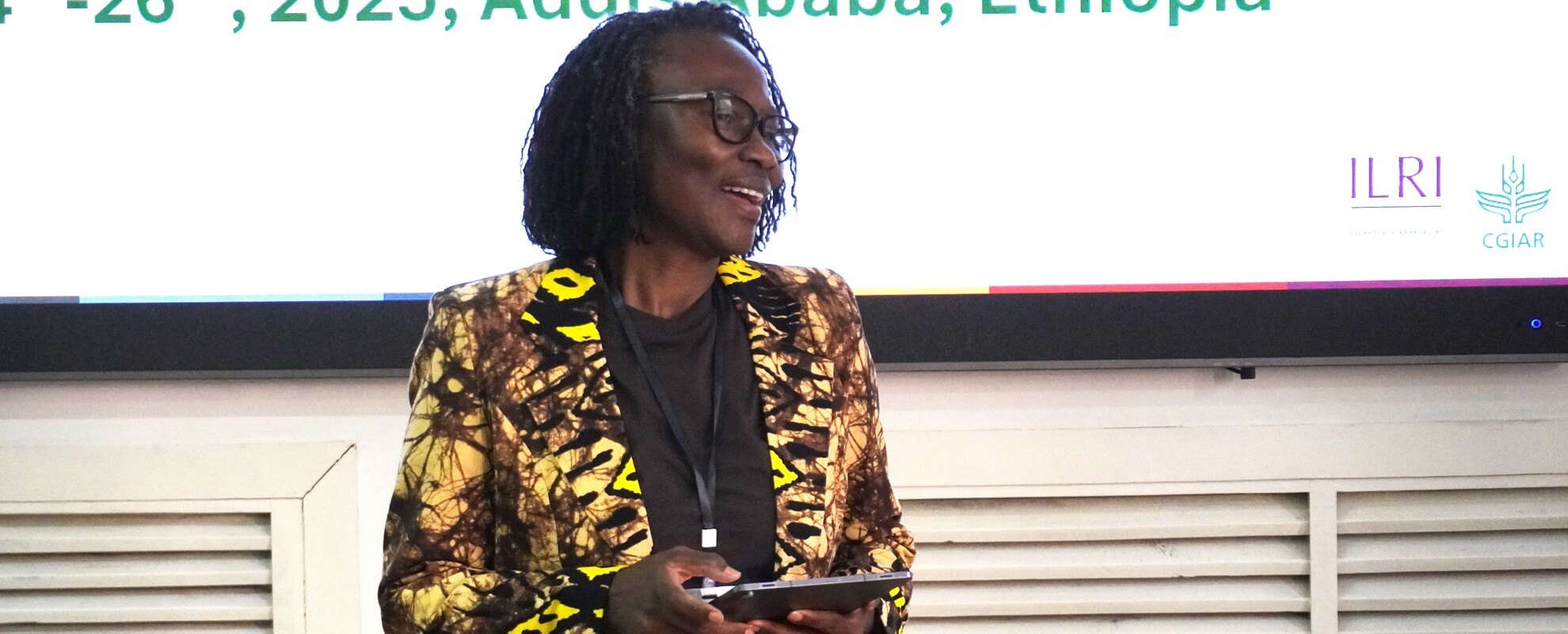
Speaking at the opening session of the regional forage disease workshop held in Addis Ababa, Ethiopia, on 24 June 2025, Namukolo Covic, ILRI Director General’s Representative to Ethiopia and CGIAR Ethiopia Country Convenor, emphasized the urgent need for action in response to the growing complexity of climate-related challenges in the face of a changing climate.
"We are living in a climate crisis, and the patterns of crop and livestock diseases are shifting. Our task is clear: we must understand the current disease landscape to better anticipate and manage emerging threats," she said.
Here we provide her full opening remarks at the ‘Training workshop on strengthening capacity and networking for forage disease identification and surveillance in eastern and southern Africa: a source for hope’.
"Welcome to this important training workshop on strengthening capacity and networking for forage disease identification and surveillance in eastern and southern Africa: a source for hope. It is an honour to gather with you today, representing seven countries, to begin a shared journey toward stronger surveillance systems and healthier forage landscapes in our region.
This is more than a workshop; it is a commitment to progress, a platform for collaboration and a beacon of hope. In the face of a changing climate, we do not wait: we act. Together, we strengthen our collective ability to detect, understand and manage forage diseases that threaten food security and livelihoods across eastern and southern Africa.
We are living in a climate crisis, and the patterns of crop and livestock diseases are shifting. Our task is clear: we must understand the current disease landscape to better anticipate and manage emerging threats. Scientific research plays a central role in this effort, helping us build resilience across our agricultural systems as we navigate the growing complexity of climate-related challenges.
It is a privilege to welcome participants from Kenya, Zambia, Zimbabwe, Ethiopia, Tanzania, Uganda, and Rwanda, each representing their country’s national plant protection organization (NPPO). These institutions safeguard plants and plant products from pests and diseases, regulate the safe movement of germplasm, conduct pest risk analysis and surveillance, issue phytosanitary certificates and inspect consignments in compliance with international standards.
We also welcome two researchers from the Ethiopian Biodiversity Institute (EBI), who share their experience in conserving and distributing forage and forestry germplasm. Their insights enrich our dialogue and expand our understanding of genetic resource management in the region.
The workshop is built on five core objectives, which serve as pillars for strengthening forage disease surveillance in eastern and southern Africa. I invite you to internalize these objectives and let them guide your actions well beyond this week’s sessions.
1. Strengthening technical capacity
We can collectively imagine the power these participants hold in their hands if they could identify and address all forage diseases, old and new, effectively as they arise. Taking the Napier grass stunt disease as an example and reflecting on Napier as a lifeline for many livestock farmers in the eastern and southern Africa region, imagine their relief if forage professionals could pinpoint the problem and offer solutions to manage this disease and incorporate Napier grass successfully as part of landscape management practices. The ability to identify diseases is the first step towards managing them and ensuring the prosperity of agricultural communities
2. Promoting regional collaboration and networking
Collaboration is the heartbeat of progress. My hope is that through this workshop you will forge professional friendships that will last a lifetime and that ideas will be shared to enrich capabilities while creating a network of support that transcends borders. Indeed, it is my hope that strong personal friendships will emerge from this training collaboration to become the foundation of our collective success in the region and beyond, on identifying and conducting forage disease surveillance in the region.
3. Hands-on training on diagnostic tools and techniques
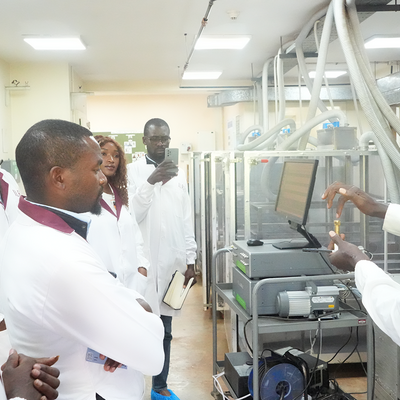
As we move through the sessions, you will engage directly with the tools and methods essential for diagnosing forage diseases. The difference between theory and practice is vast and this workshop closes that gap. Embrace the hands-on work, learn actively and enjoy the opportunity to apply your skills in a collaborative setting.
4. Developing a framework for baseline data collection
We are living in an ongoing and accelerating climate crisis, and the patterns of crop and livestock diseases are changing. This means your work and that of others beyond the workshop is certainly cut out. It is important to know the current status to anticipate and manage new diseases. Developing a framework for data collection is essential and implementing it once you return home is equally critical. This is foundational work that builds regional resilience.
5. Sharing best practices and innovative solutions
Each of you brings valuable experiences from the field. Don’t keep that knowledge to yourselves; share your challenges, your successes, your innovations so we can all grow stronger together. All must be inspired by the potential impact of effective disease management solutions for Napier grass stunt disease or others being shared widely so that together we win and move towards greater sustainability!
I am inspired by the given objectives of this workshop and wish the participants a very fruitful training workshop and collaborations that will last throughout their professional careers and beyond."
This workshop took place on 24–26 June 2025 at ILRI in Addis Ababa. It was a joint effort between ILRI and the CGIAR science programs on Sustainable Farming and the Genebank Initiative Accelerator. The workshop was attended by 14 participants from seven countries, along with four representatives from the ILRI Genebank.
https://www.cgiar.org/cgiar-research-porfolio-2025-2030