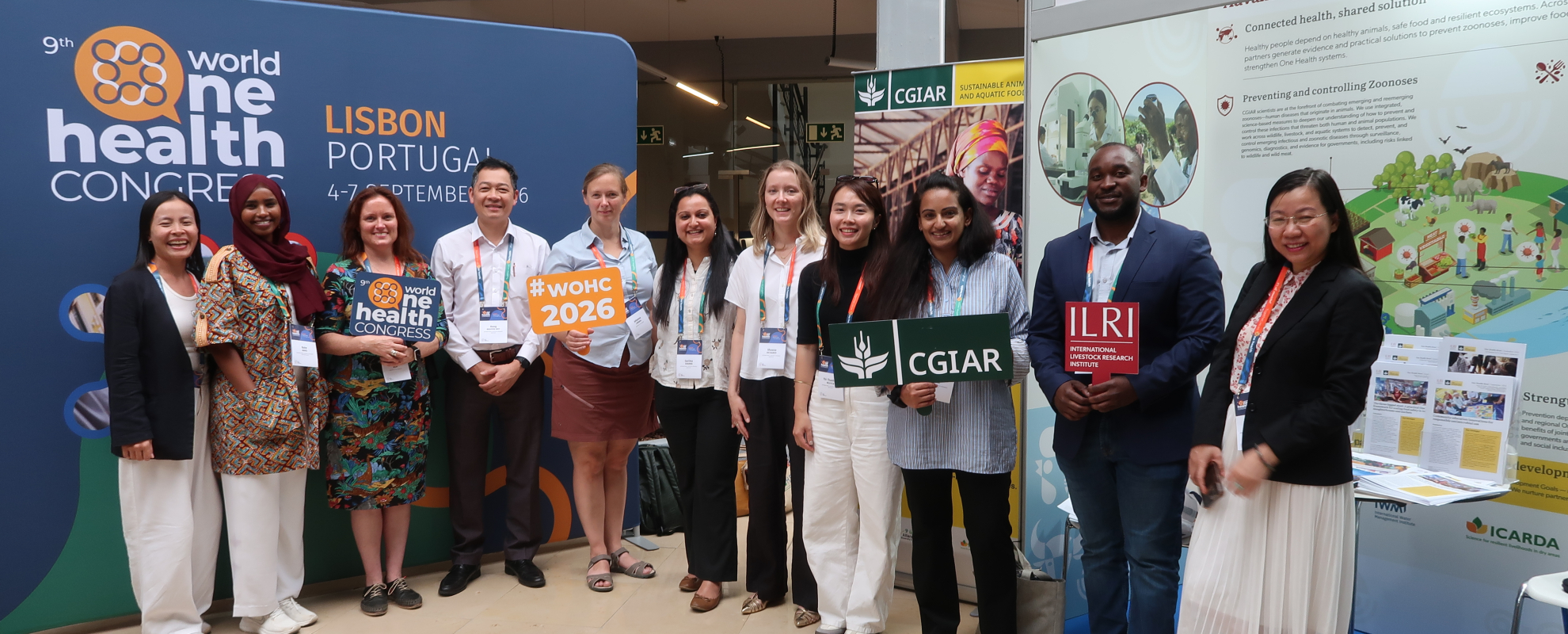
ILRI and CGIAR partners showcases One Health solutions at the 9th World One Health Congress
More than 1,300 One Health experts from around the world gathered in Lisbon, Portugal, from 4–7 September 2026 for the 9th World One Health Congress (WOHC 2026), sharing the latest science, policy approaches and implementation experience across human, animal and environmental health.
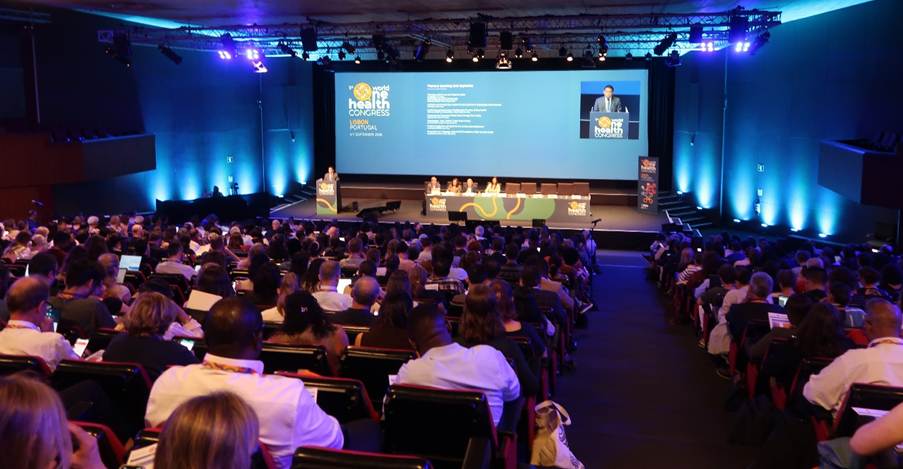
The International Livestock Research Institute (ILRI), together with CGIAR partners, contributed to the congress through scientific sessions, panel discussions, research presentations, posters and engagement at the ILRI–CGIAR exhibition booth, sharing evidence and practical One Health solutions from Africa and Asia.
A key message running through ILRI’s engagement was clear: One Health science has advanced significantly, but the next challenge is to turn that knowledge into investment, policy and measurable impact at the ground level.
Putting communities at the centre
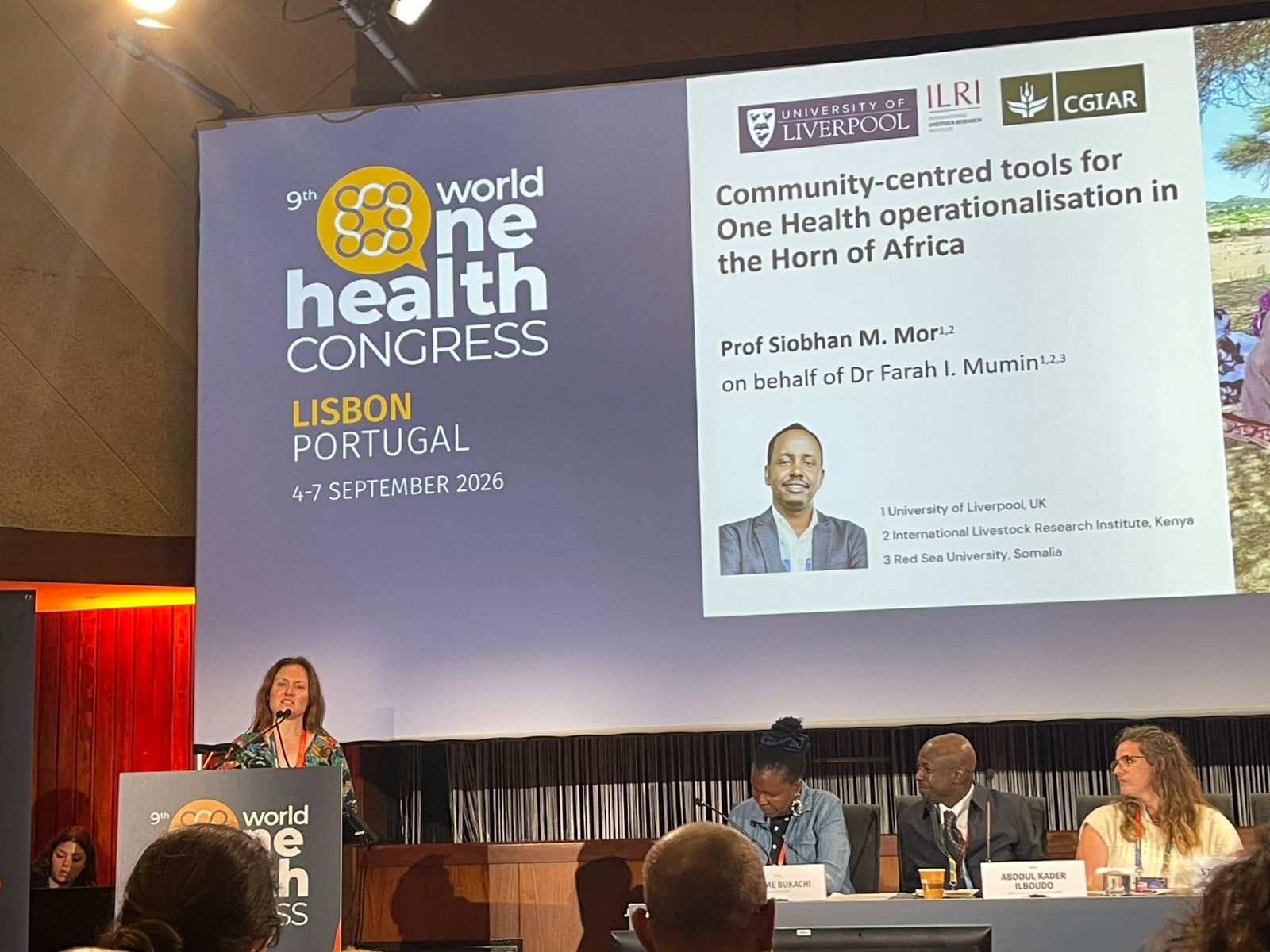
How do we move One Health from principles to action? This question was central to the Knowledge, Education & Communities session, where participants stressed that operationalising One Health requires more than technical evidence. It needs community voice, capable institutions and practical mechanisms that connect knowledge with action.
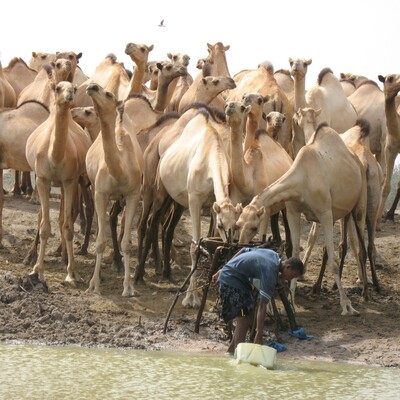
Siobhan Mor, Professor of One Health at the University of Liverpool and Jointly Appointed Principal Scientist at ILRI, presented on community-centred tools co-developed and applied in the Horn of Africa with PhD student, Farah Issue Mumin,
Their work addresses a particular challenge in One Health: communities are often treated as recipients of interventions rather than active partners in identifying priorities, generating evidence and shaping solutions.
Mor presented three practical tools to overcome this challenge: a framework for community-based prioritisation of zoonotic diseases; a tool for measuring community One Health knowledge, attitudes and practices; and an approach to community conversations that turn dialogue and learning on One Health hazards into community-led action.
“Communities living with zoonotic disease, AMR and food safety hazards already hold the knowledge and priorities that should guide One Health action,” Mor emphasized. “These tools give that knowledge a structured route into planning.”
Strengthening preparedness and reducing risk
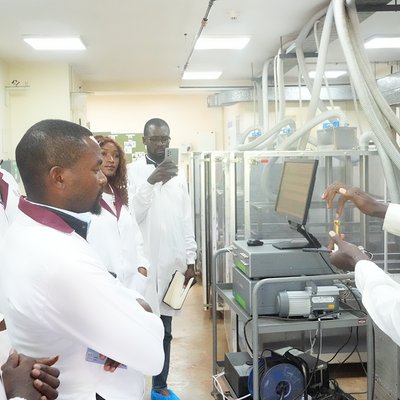
Preparedness was another major focus of ILRI’s engagement. ILRI led the Science Policy Interface session “From Indicators to Preparedness – Strengthening Operational One Health Systems through Food, Agriculture, and Security Integration,” with Ekta Patel, ILRI scientist, contributing as a presenter and panellist.
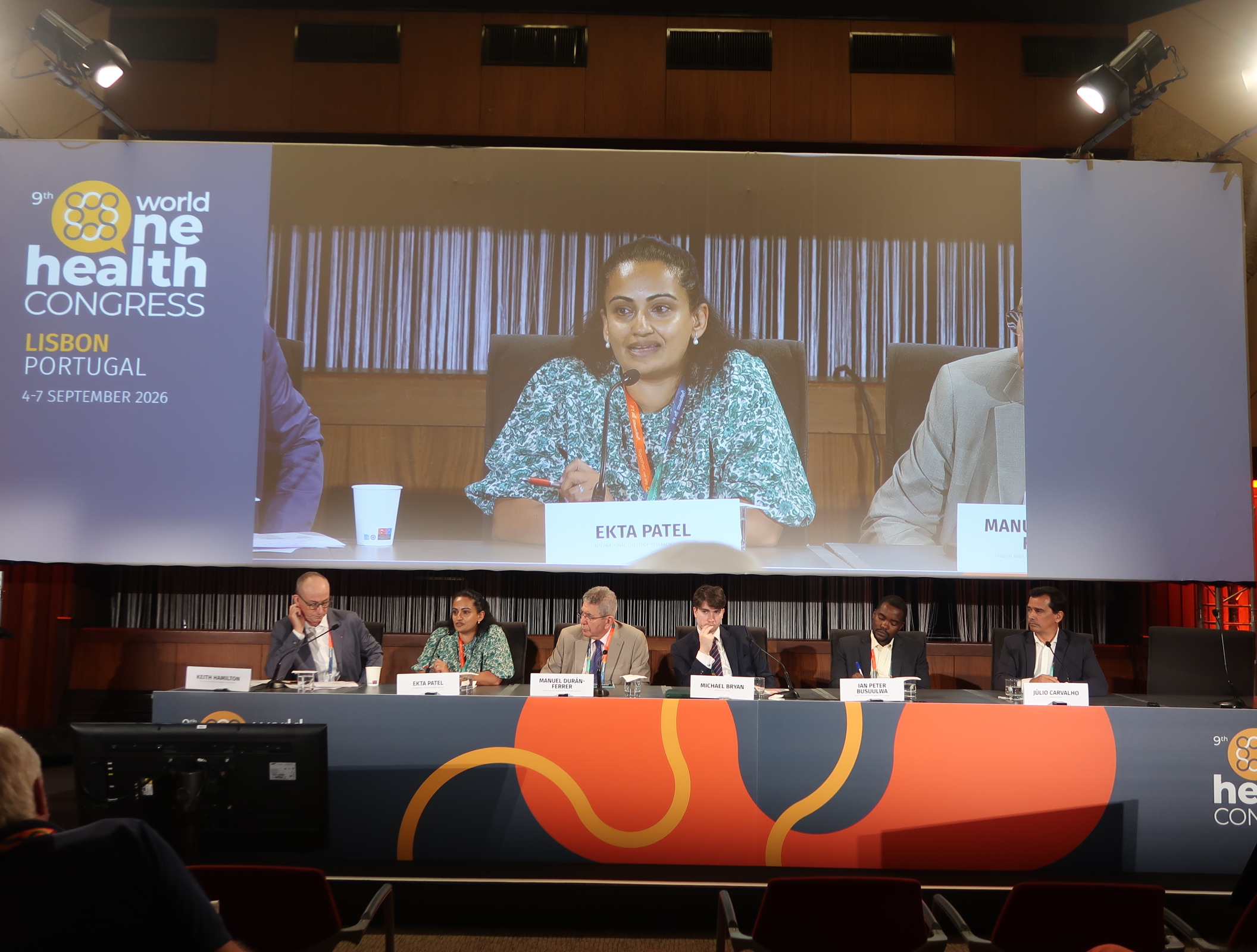
The session explored a critical challenge: how can fragmented signals from animal health, laboratories, food systems and other sectors be turned into timely, coordinated action?
“How do we move from fragmented signals to coordinated action before a biological event escalates?” Patel asked in framing the discussion.
The session highlighted that preparedness depends not simply on generating more indicators, but on building institutions capable of interpreting information across sectors, managing uncertainty and acting in time.
Turning decades of CGIAR One Health evidence into action
ILRI and CGIAR partners drew lessons from three decades of CGIAR and partners’ One Health research and implementation at WOHC2026. Hung Nguyen, ILRI Regional Director for Asia, presented “From Evidence to Action: A 30-Year Synthesis of CGIAR One Health Implementation Models.”
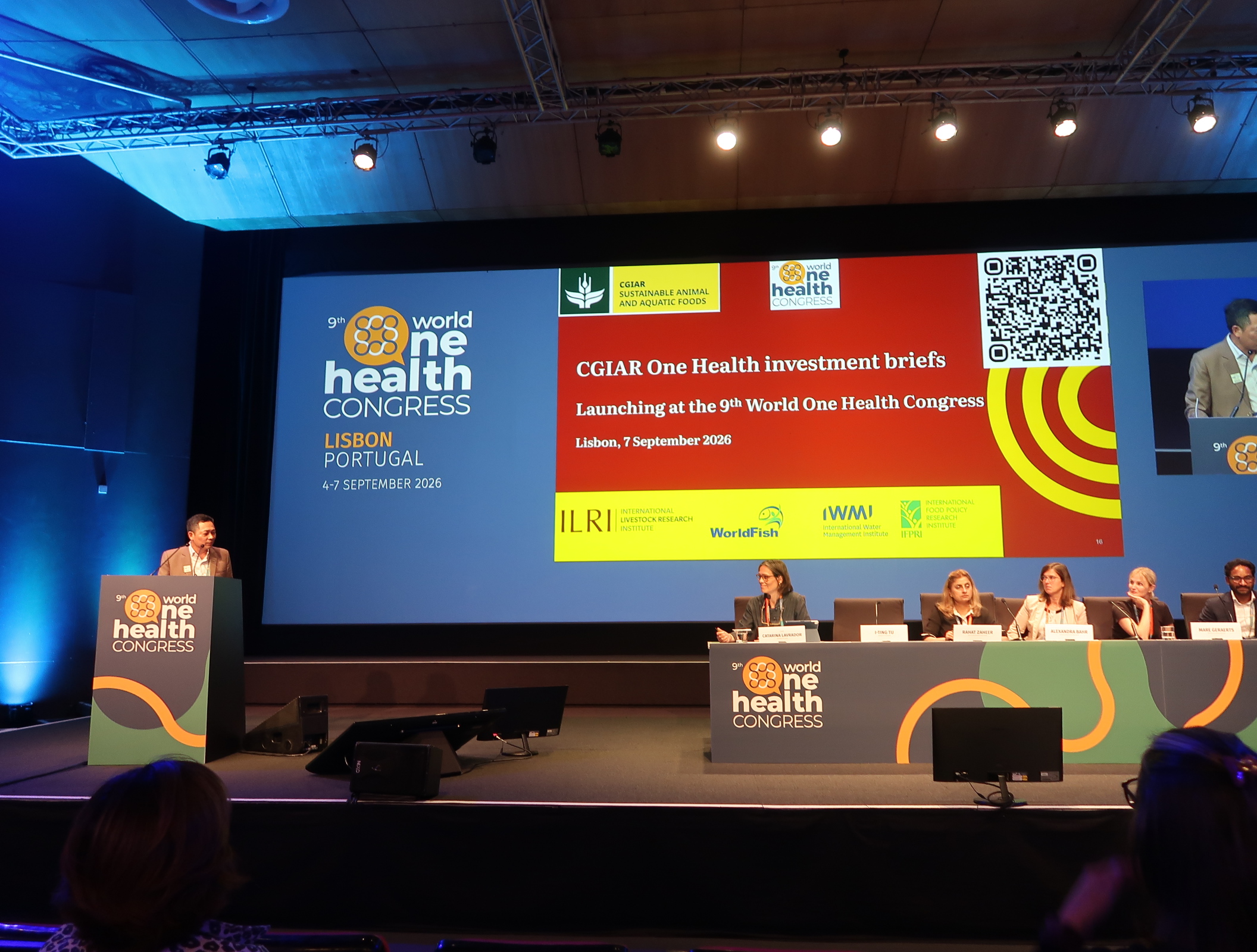
The synthesis brought together experience from work on food safety, zoonotic diseases, antimicrobial resistance, emerging infectious diseases, community participation, governance and One Health capacity development across Africa and Asia.
Rather than focusing only on research findings, it examined what has worked across different programmes and settings, the conditions that enabled success and what is required to adapt or scale promising approaches.
“The science is advancing,” Hung Nguyen said. “The next challenge is to turn that knowledge into investment, policy and impact on the ground.”
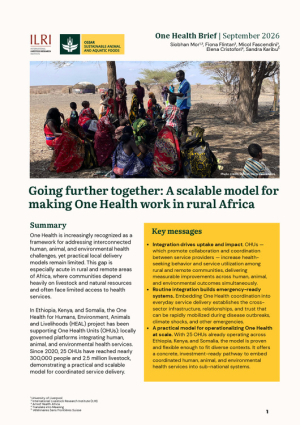
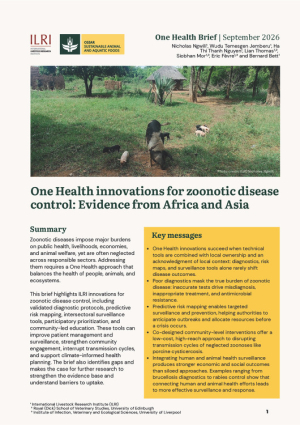
That transition from evidence to implementation was also reflected in a series of One Health solution briefs showcased by ILRI and CGIAR at the congress.
The briefs are designed to translate research and implementation experience into practical options for governments, donors and development partners.
Connecting science with real-world systems
Across the congress, ILRI researchers also shared evidence from Africa and Asia on food safety, antimicrobial resistance, zoonotic diseases, wildlife health and community behaviour in a poster session.
The ILRI–CGIAR exhibition space provided opportunities to exchange these ideas with researchers, policymakers and development partners and to explore potential collaboration around practical One Health solutions.
Watch the recap video on ILRI contributions at the event: https://youtu.be/xsNHV8FimXE
Related Publications
Impact evaluation of a small ruminant flock health intervention on animal health, welfare, and farmer income in Ethiopia
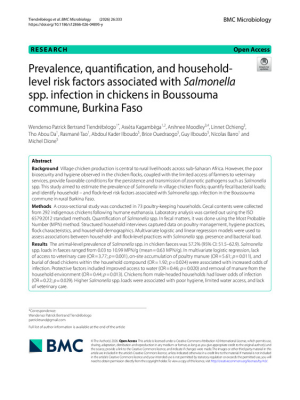
Prevalence, quantification, and household-level risk factors associated with Salmonella spp. infection in chickens in Boussouma commune, Burkina Faso