The CIRNA project achieves impact with tailored communication
The CIRNA project (CIRcularity of Nutrients in Agroecosystems and co-benefits for animal and human health) develops and promotes scientifically sound, farmer-approved and field-tested manure management practices for smallholder pig and dairy farmers in Uganda and Kenya. These practices ensure better organic fertilizer quality, better human, animal and environmental health and safety, and improvements in people’s livelihoods.
The first step of the project strategy is the co-development of tailored manure management practices, followed by creating an enabling policy, legal and institutional framework. The final step is the adoption of practices by farmers.
Communication is key for a research project to achieve its objectives. Farmers need to be reached through extension services and various other communication channels. In turn, awareness generates responsive action and adoption through enabling markets, policies and interventions.
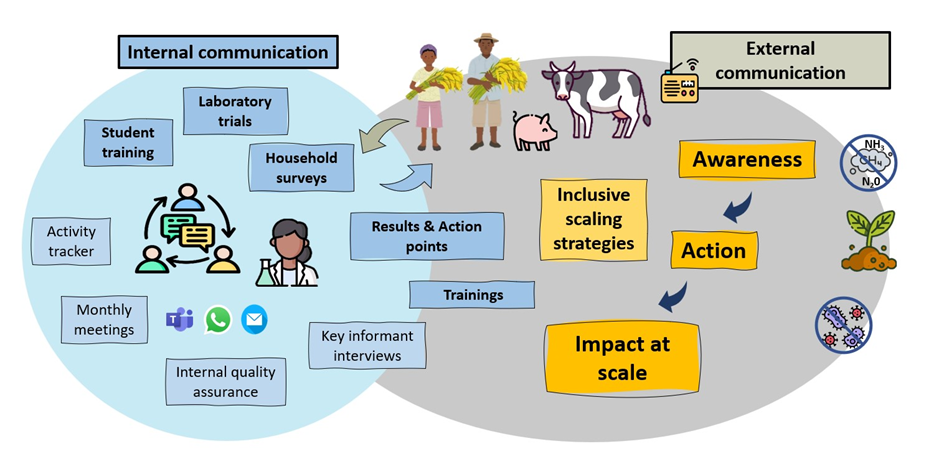
The CIRNA project, led by ILRI and Agroscope and comprising a multidisciplinary team, has set up several internal and external communication channels with the following objectives:
- To effectively team up with project partners
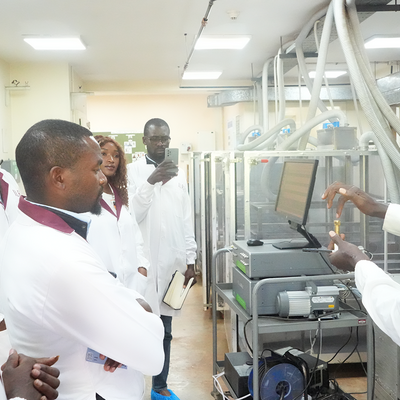
- To plan and implement farm data collection and laboratory trials
- To work with and train farmers, students and extension agents
- To engage policy makers and other enabling actors for scaling and complementary impact investments.
Internal communication

The CIRNA project's internal communication channels include an MS Teams channel and a WhatsApp Group chat for joint planning, progress tracking, and data storage. Additionally, the core management, lab and field teams communicate quickly via direct messaging (WhatsApp, Signal, SMS).
Once a month, the entire project team meets virtually, and each partner shares achievements and challenges. To ensure planned activities advance effectively and collaboratively, issues are addressed and resolved jointly wherever needed. Bilateral and multilateral emails complement the exchanges.
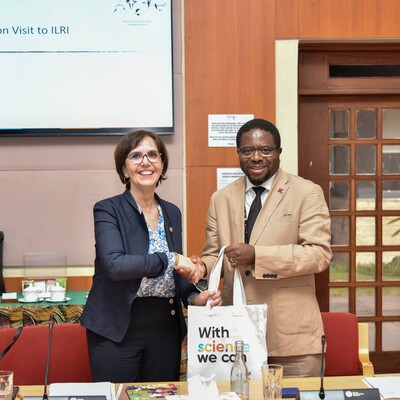
The project also holds internal webinars and in-person meetings twice per year in Kenya or Uganda. This strengthens mutual learning and team spirit, and allows deep dives into relevant subjects. Smaller in-country group meetings take place upon need and availability.
The various communication channels thus serve to align our methods and data collection efforts, to provide feedback as part of an internal peer-review process, to update each other on progress and outputs, including publications and social media posts, and to plan ahead.
External communication

The CIRNA project engages several audiences:
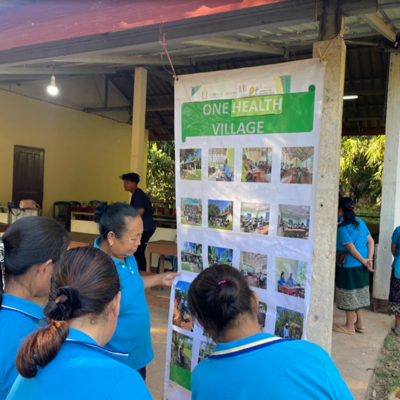
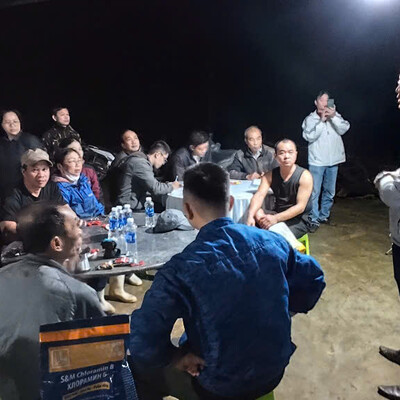
- Smallholder farmers are the key stakeholders of the project. The CIRNA team consults approximately 1200 farmers in Kenya and Uganda on current manure management and agroecological practices. Project actors and farmers, farmer-based organizations, and extension agents are in close contact for learning and information sharing. We pay particular attention to the perspectives, needs and motivations of women and youth who are engaged in manure management. As a result, the project can identify farmer-led innovations and test improved practices, and disseminate knowledge of these through targeted and inclusive awareness campaigns, trainings, extension pathways, and outreach materials.
- Policy makers are interested in the many positive impacts of improved manure management practices, since these are public goods that deserve public attention, regulation and investments. Positive impacts range from improved farm household heath, crop and livestock productivity, decreased dependency on imported fertilizers, prevented pollution of ground- and surface water, and lower greenhouse gas emissions. The benefits of improved manure management go beyond individuals, fostering the production of healthy and safe food, protecting the environment, and stimulating local markets.
- Scientists are involved as collaborators, providing feedback and additional input to the ongoing research activities. They ensure that proposed manure management practices and results are evidence-based and scientifically robust. Those scientists who do not directly provide inputs can learn from the CIRNA methodology and findings. The CIRNA project team is publishing methodological reports, peer-reviewed articles, and shares news and updates on the CIRNA LinkedIn Group. All project outputs are archived on ILRI’s CGSpace Platform and are accessible to everyone without fees.
- Development actors, multilateral organizations and NGOs are either actively involved in the project and/or are provided with information materials. The CIRNA project shares experiences and is open to collaborations to jointly improve extension services around manure management. The project members use and extend their professional network to learn, collaborate, and disseminate information.
- The general public is being informed and sensitized about the importance of proper manure management and agroecological farming practices. This can increase consumer demands for sustainable, healthy and safe agricultural products. The CIRNA project aims to communicate its findings broadly using inclusive language, so that anyone, including rural and urban consumers, school children or 'leisure time farmers', understand the main messages and good practices.

Become part of our research and action network and join our CIRNA LinkedIn group to follow our activities and outputs.
Related Publications
Impact evaluation of a small ruminant flock health intervention on animal health, welfare, and farmer income in Ethiopia
Prevalence, quantification, and household-level risk factors associated with Salmonella spp. infection in chickens in Boussouma commune, Burkina Faso