Mucuna gains ground as a dual solution for forage availability and soil fertility in Madagascar
In southeastern Madagascar, a legume is emerging as a reliable ally for smallholder farmers: Mucuna (Mucuna pruriens). This slender vine offers a practical solution to persistent challenges in the country’s predominantly mixed farming systems, particularly how to maintain soil fertility, boost crop yields, and secure enough quality livestock feed.
With around 70–80% of the population relying on agriculture for their livelihoods, constraints in farming systems have far-reaching effects in Madagascar. The shortage of high-quality forage, driven by climate variability, climate-induced droughts and land degradation, weakens livestock productivity and, in turn, reduces the availability of manure and draft power essential for crop production. This cycle contributes to low overall productivity and limited income for smallholder households.
Addressing livestock feed constraints can therefore generate significant multiplier effects. Improved forage options such as Mucuna enhance animal nutrition and health while contributing to better soil fertility and crop performance, ultimately strengthening the resilience of farming systems and rural livelihoods.
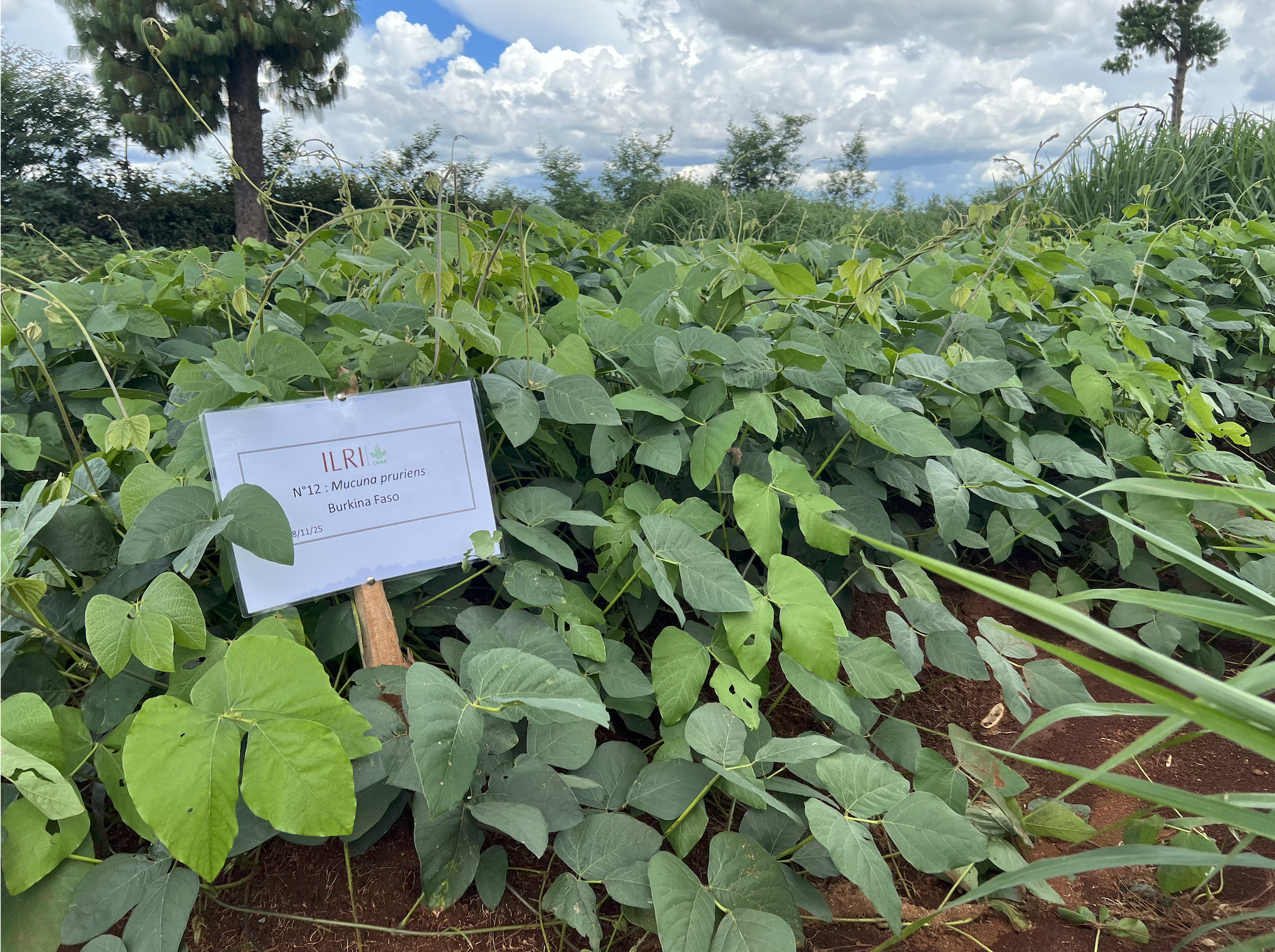
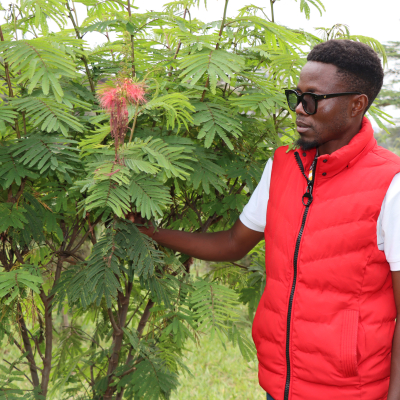
In Vatovavy and Fitovinany regions, the International Livestock Research Institute, in partnership with the Direction Régionale de l’Agriculture et de la Sécurité Alimentaire (DRASA), is introducing farmers to Mucuna as a dual-purpose solution. This fast-growing legume produces abundant, protein-rich biomass for animal feed while improving soil fertility through ground cover, weed suppression, and erosion control. It also enhances the performance of companion crops such as maize.
Peer learning pathways
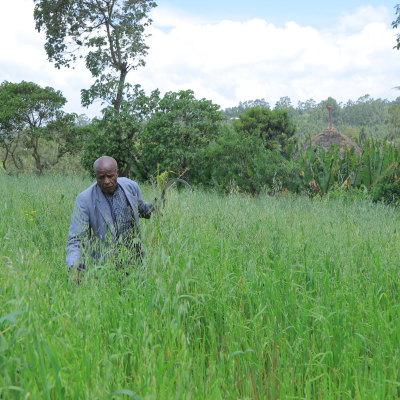
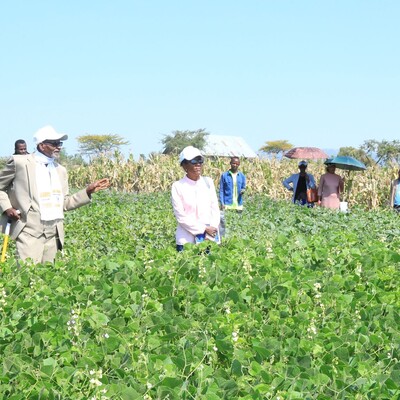
Early field trials are already generating promising results and sparking interest across villages. Just months after the first sowing in January 2026, farmers are reporting visible improvements in crop performance and increased biomass production in their fields.
Charline Razafindravola from Vatovavy, an early adopter, shares: "I am very satisfied with Mucuna. I’ve noticed a clear improvement in my field, especially when I follow the technical recommendations. Next year, I plan to expand the area under cultivation."
Her success has inspired other farmers in her village. This farmer-to-farmer exchange is accelerating the spread of Mucuna across villages, supported by field demonstrations, training, and regular technical guidance from ILRI and DRASA.
"At first, I received the seeds but did not plant them. I started with a small test plot, and seeing how well Mucuna performed in Charline’s field and mine convinced me to plant the remaining seeds," says Aina, another farmer.
And Armand Razafimandimby harvested higher yields of maize while also producing feed for his animals, thanks to intercropping. Next year, he too plans to expand his Mucuna farming.
Partnerships for scaling
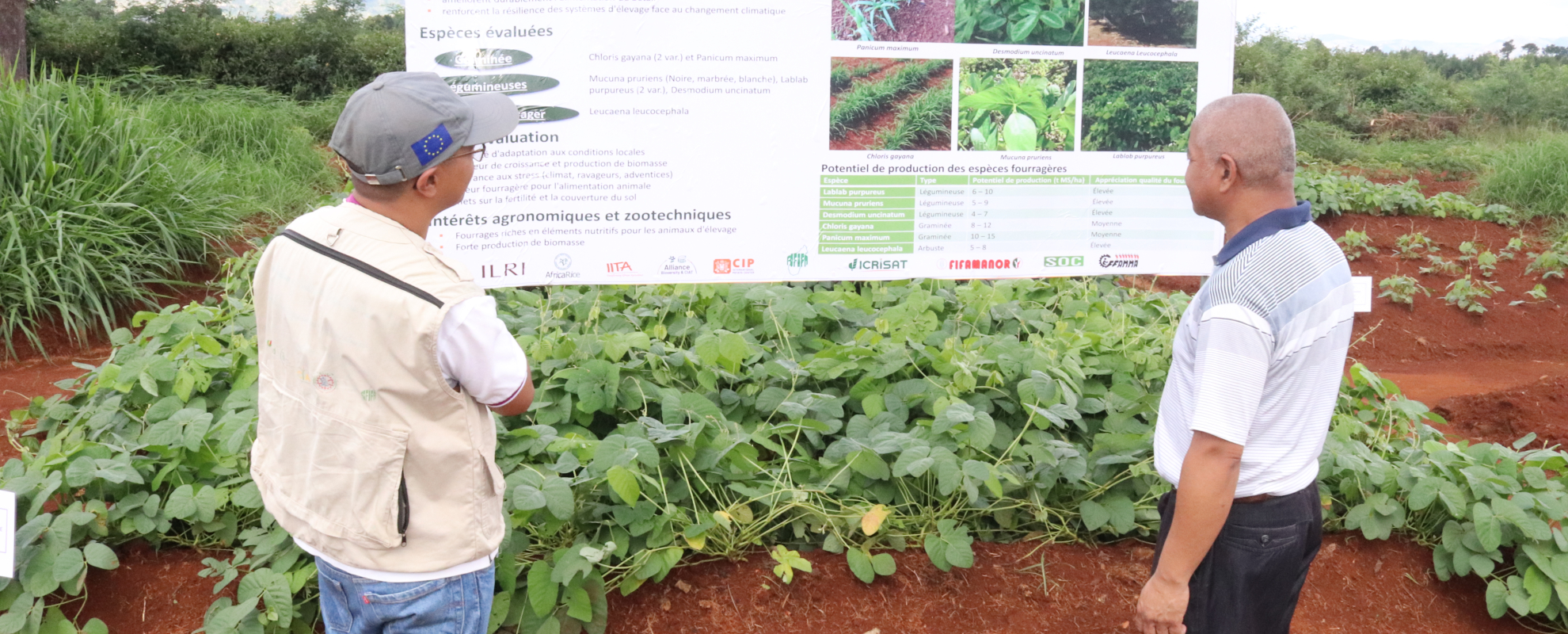
Mucuna is part of a broader portfolio of forage crops being studied by researchers to sustainably improve livestock feeding and soil health in tropical farming system in tropical farming systems.
These efforts are grounded in an integrated crop–livestock systems approach, where forage crops are not promoted in isolation but embedded within existing farming systems. In practice, this includes intercropping legumes with cereals such as maize, using crop residues for livestock feeding, and recycling manure to restore soil fertility. Such integration enables farmers to optimize resource use, reduce external inputs, and strengthen the resilience of their production systems.
“In this region, a variety of forage crops have been tested, including Mucuna, Panicum maximum, Chloris gayana, and Pennisetum purpureum. Among these options, Mucuna stands out as the most promising and farmer-preferred, due to its adapt and rapid biomass production and multiple benefits for both crops and livestock,” said Raharison Joséa, a livestock technician supporting the implementation of ILRI activities in Madagascar.
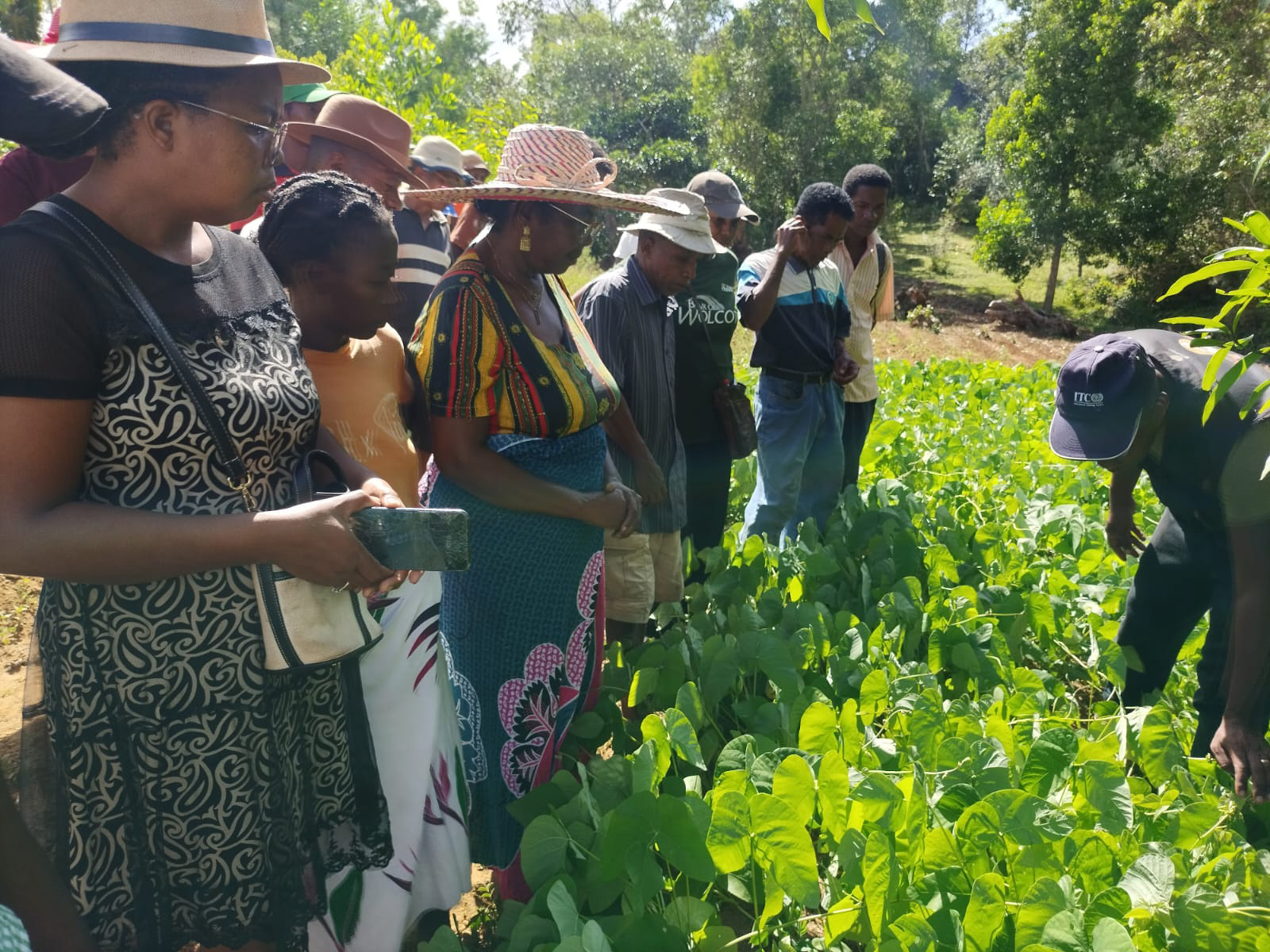
With encouraging results from the pilot plots, the focus is now shifting toward scaling adoption in the rest of southeastern Madagascar. This will involve strengthening partnerships with regional institutions such as DRASA, improving access to quality seeds, strengthening local technical capacity, and supporting farmer-led dissemination.
By simultaneously improving livestock nutrition, soil fertility, and overall farm productivity, Mucuna contributes directly to the Madagascar Food Systems Resilience Project (FSRP) and CGIAR objectives of building more productive, resilient, and sustainable food systems.
This work is being implemented under the FSRP–CGIAR initiative (2024–2026), as part of the FSRP program funded by the World Bank in Madagascar.