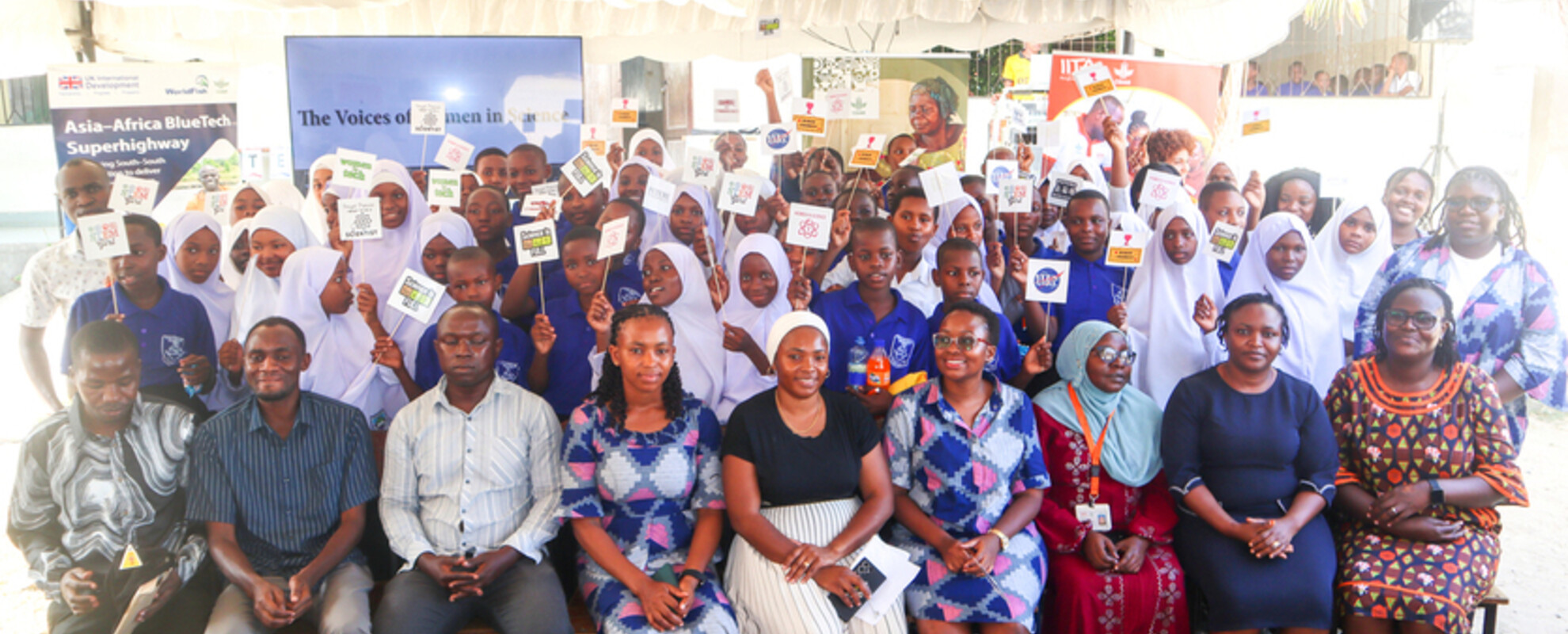
Demonstrating a practical solution to these challenges, women staff from CGIAR centers in Tanzania visited Mikocheni Secondary School in Kinondoni Municipal Council to commemorate the day. The outreach aimed to inspire young girls to pursue STEM careers by combining mentorship, hands-on learning, and real-life exposure to scientific work.
"CGIAR centers join the world in observing this day through education and actions that inspire girls in our neighboring secondary schools to pursue STEM careers, thus contributing to a more inclusive and sustainable future," said Mwantumu Omary, on behalf of the IITA Tanzania country representative.
The initiative reinforced responsive learning environments for girls, complementing the government's efforts to improve teaching and learning infrastructure. Central to this effort is harnessing teachers' potential to inspire and support girls in overcoming socio-cultural and psychological barriers to STEM engagement, fostering gender equity in STEM education and empowering girls to pursue science-related careers.
To support the need of making the science subjects interesting and engaging, the CGIAR Tanzania young women scientists shared their career trajectories in scientific research, while highlighting the subject combinations they took which necessitated their entry into the science pipeline.
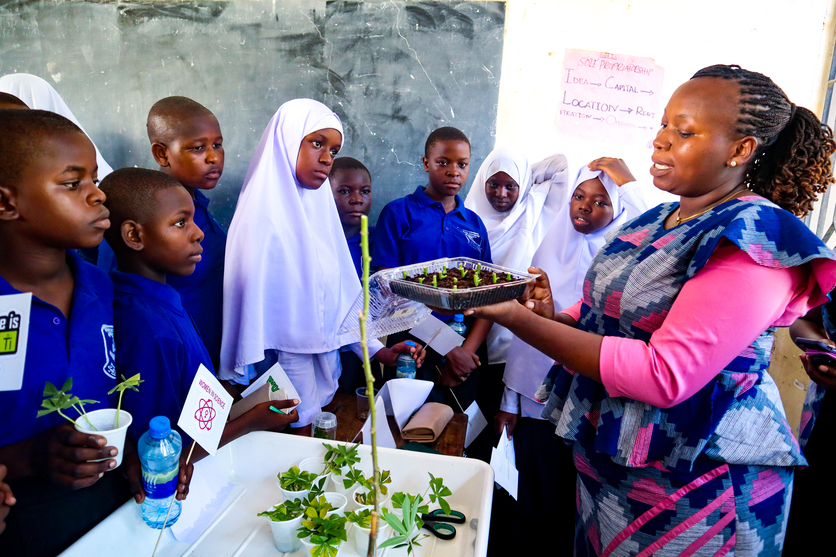
They also held practical sessions where they demonstrated daily science activities they perform at work, including the use of digital diagnosis tools for plant diseases, soil health and fertility using soil testing kits, tissue culture, propagation techniques, value addition, and sustainable marine-based nutrition solutions.
Teachers and students were curious and excited about the new knowledge they gained during the visit. Both expressed interest in starting a science club, with the support of CGIAR Tanzania, that will provide more learning opportunities for school members.
The CGIAR women staff that participated in this initiative include those from the International Institute of Tropical Agriculture (IITA), the International Livestock Research Institute (ILRI), the International Rice Research Institute (IRRI), and WorldFish. The initiative aligns with Tanzania's efforts to close the gender gap in STEM and contribute to international goals for gender equity in science education. By connecting young girls with women scientists and providing practical exposure to scientific work, CGIAR centers are supporting the government's commitment to creating inclusive learning environments that empower girls to pursue science-related careers.