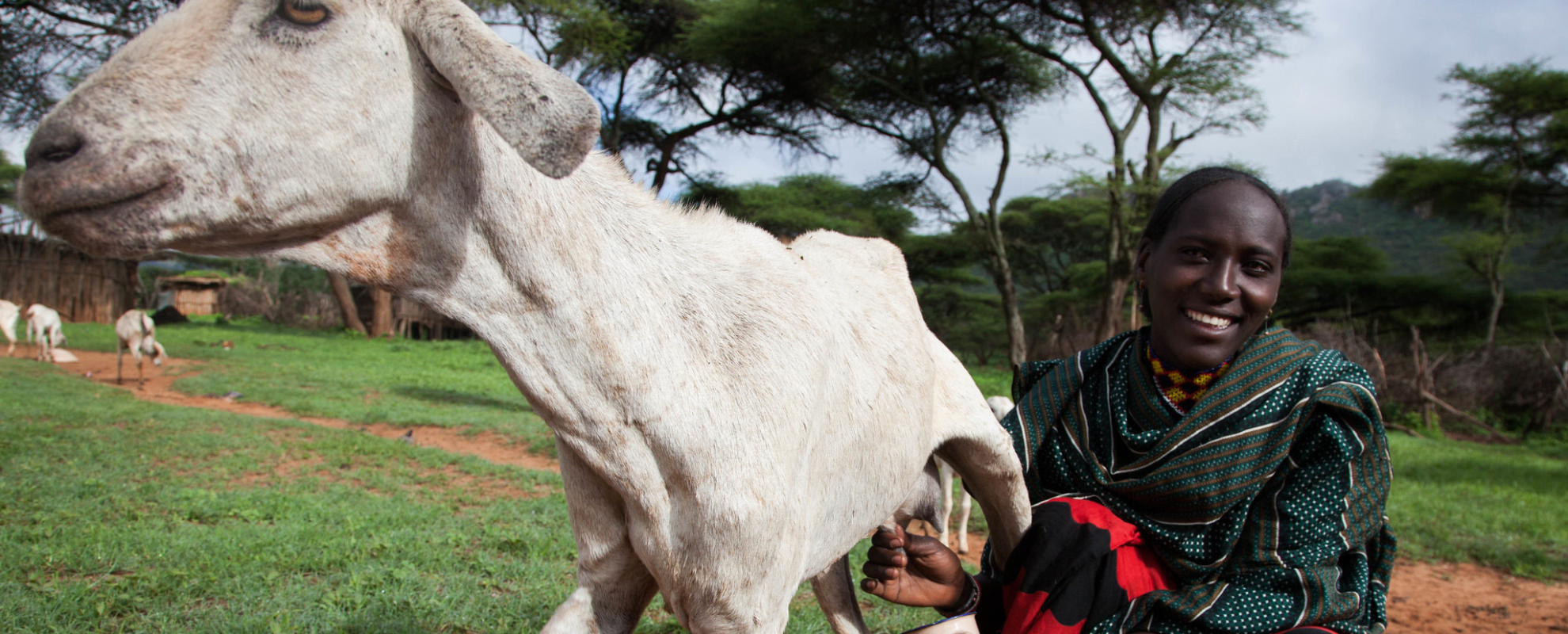
Ethiopia is rewriting its livestock future with science at the center
Across low- and middle-income countries, animal-sourced foods are a nutritional foundation. Meat, milk, and eggs deliver protein, micronutrients, and calories that are difficult to replace, particularly for children, women of reproductive age, and rural populations.
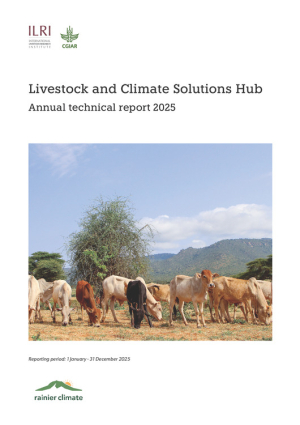
In Ethiopia, as across much of sub-Saharan Africa, strengthening the food systems that produce and deliver these foods is inseparable from reducing malnutrition and building long-term resilience. Ethiopia holds the largest livestock population on the African continent, with over 70 million cattle, 52.5 million goats, 42.9 million sheep, and 8.1 million camels. But although its potential to contribute to productive food systems is immense, the sector has historically been significantly underutilized. Now, that is in the process of changing, as Ethiopia is in the middle of an ambitious transformation.
The country's 10-year Agricultural Transformation Plan sets targets that would see the country producing 28.4 billion liters of milk, 1.7 million tons of meat, 5.5 billion eggs, and 260,000 tons of fish annually. Its Food Systems Transformation and Nutrition pathway spans 16 ministries. Its dairy sector — one of the largest in Africa by herd size — is restructuring around a new national strategy. Achieving these targets requires building the institutional infrastructure to match the ambition.
That is where the work of the International Livestock Research Institute (ILRI) in Ethiopia has been most consequential.
Measuring a transformation
Livestock do not sit apart from food systems. For hundreds of millions of smallholder farmers, animals are simultaneously a source of food, income, draught power, and financial resilience, making them central to any serious effort to transform how food is produced, distributed, and consumed.
At the broadest level, ILRI has spent two years helping Ethiopia answer a question that is easy to overlook but impossible to avoid: how do you know if a food systems transformation is working?
As knowledge partner to Ethiopia's Food Systems Transformation and Nutrition pathway, ILRI led the development of a comprehensive monitoring and evaluation framework spanning all 16 implementing ministries. The process ran from October 2023 to July 2025 and involved systematic review of global indicators, iterative stakeholder consultations, and a national validation workshop. The framework was formally endorsed by the Inter-Ministerial Steering Committee, and the Ministry of Agriculture has already mainstreamed its indicators into the 2025/2026 fiscal year planning cycle. Other ministries are following.
Fikru Regassa, State Minister of Agriculture, described the significance plainly:
"Effective monitoring and evaluation are the cornerstones of our efforts to transform Ethiopia's food systems. By systematically tracking progress, we ensure that our strategies are not only effective but also sustainable."
Building the tools for investment
In May 2025, the Ethiopian government launched the Ethiopian Livestock and Fisheries Investment Handbook— a practical guide mapping business opportunities across the full livestock and fisheries value chain, from ranch-based beef and dairy production to cage fish farming, poultry hatcheries, and feed processing. The handbook was developed by the Ministry of Agriculture in collaboration with ILRI, the Ministry of Trade and Regional Integration, and national research institutes. ILRI coordinated the review and editing process, ensuring investment options are grounded in scientific evidence and practical field experience.
The handbook is anchored directly in national targets and designed to catalyze the private investment needed to reach them. It lays out Ethiopia's investor-friendly regulatory environment — tax incentives, duty-free capital imports, competitive land lease rates — alongside the sector-specific opportunity data that investors and policymakers need to act.
As Namukolo Covic, ILRI's Director General Representative to Ethiopia, noted at the launch:
"Research must continue to develop new production approaches that improve efficiencies. Let this handbook be a living document that must be updated regularly as you generate innovations, technologies, and production practices across entire value chains."
Reshaping how the dairy sector governs itself
That same year, ILRI partnered with the Ministry of Agriculture to establish and launch the Ethiopian Dairy Innovation and Development Platform (EDIDP) — a national multi-stakeholder initiative designed to coordinate investments, scale innovations, and drive implementation of the National Dairy Development Strategy. It is the first platform of its kind in Ethiopia's dairy sector.
EDIDP operates through five technical working groups covering dairy genetics and breeding, feed and nutrition, animal health, extension and husbandry, and processing and marketing. ILRI scientists are embedded in all five. The platform's governance structure — a steering committee chaired by the state minister of agriculture, with ILRI and the Ethiopia Dairy Association as co-chairs — reflects the depth of ILRI's institutional integration.
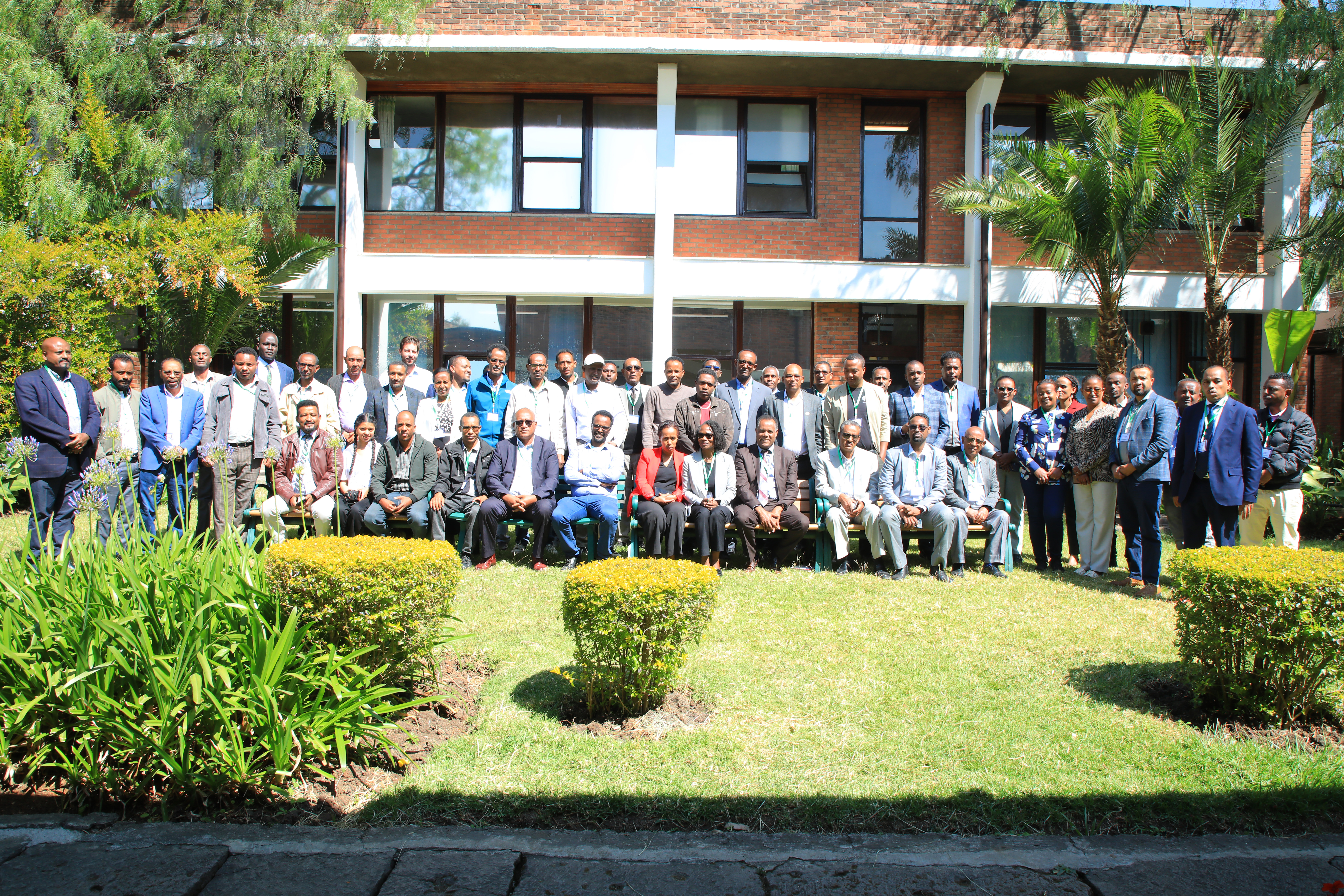
This is not a research program running parallel to government. It is ILRI helping to build the architecture through which government, researchers, the private sector, and farmers work toward shared dairy sector goals. EDIDP lays the groundwork for a future National Dairy Board — a long-term institutional milestone that will anchor sector governance and accountability. This work is all the more important at a time when demand for milk and dairy products is rising faster than supply can keep pace.
Science embedded in the system
Taken together, these three contributions — a national monitoring framework, an investment guide, a sector platform — reflect something beyond conventional research impact. They show ILRI operating as a sustained institutional partner: shaping the instruments through which Ethiopia plans, invests, governs, and measures its livestock and food systems transformation.
The science matters. So does the capacity to move it from evidence into policy, and from policy into practice.