World Food Safety Day 2026 highlights One Health solutions for safer food in Viet Nam
7 JUNE, THAI NGUYEN, Viet Nam – The International Livestock Research Institute (ILRI), the Food and Agriculture Organization of the United Nations (FAO), the World Health Organization (WHO), the Mekong Institute (MI), the Institute of Environmental Health and Sustainable Development (IEHSD), Thai Nguyen University of Agriculture and Forestry (TUAF), and partners are celebrating the World Food Safety Day 2026 through a communication initiative promoting practical solutions for safer food systems in Viet Nam.
Under the theme “From burden to solutions – safe food everywhere,” the initiative brings together government authorities, researchers, businesses, local communities and students to promote the One Health approach and demonstrate actions that can reduce food safety risks.
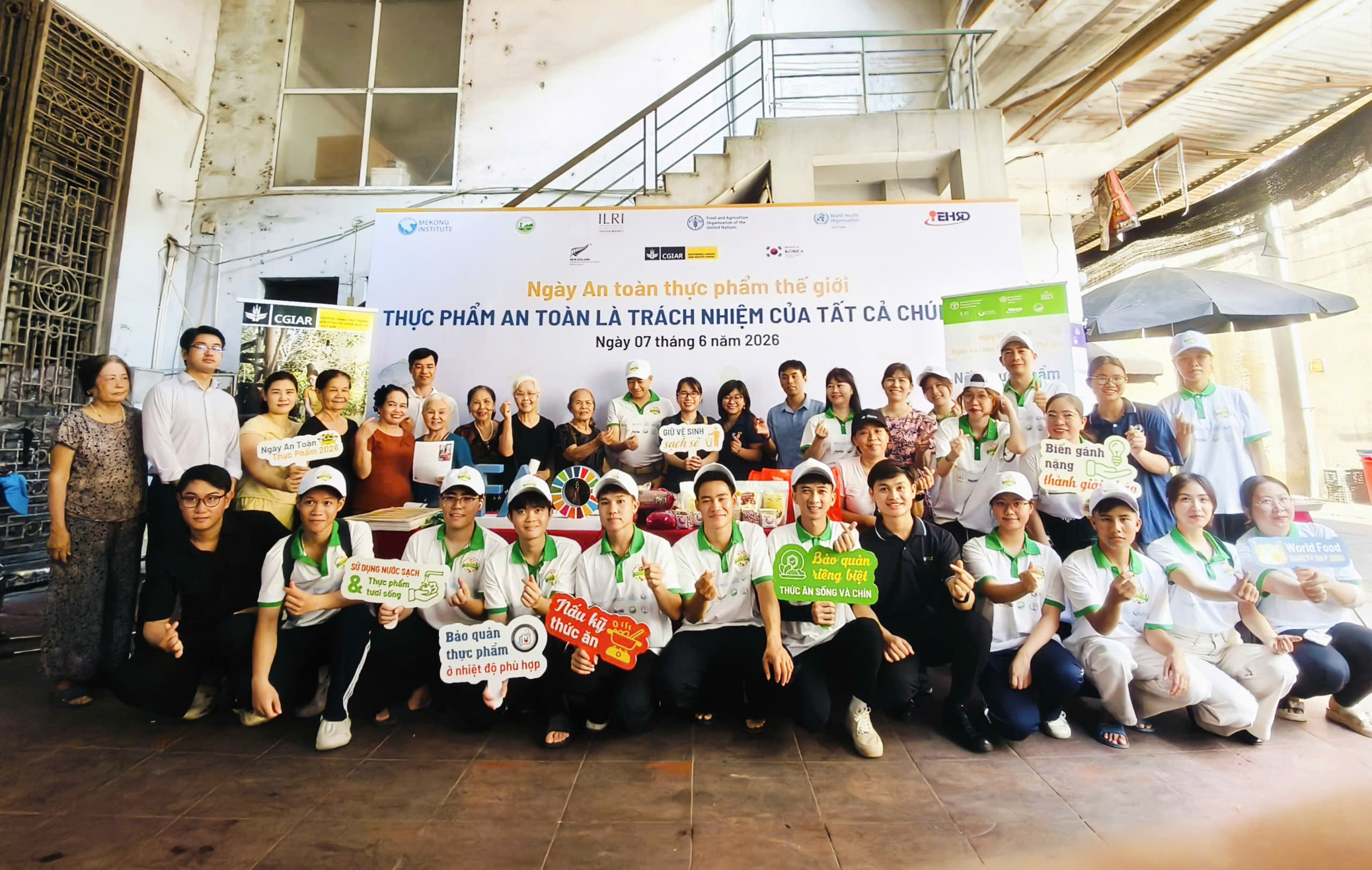
"Food safety is a public health priority," said Angela Pratt, WHO Representative in Viet Nam. "Preventing foodborne diseases requires coordinated action across the food system."
In Viet Nam, continued efforts are needed to strengthen food handling and hygiene practices, increase consumer awareness, expand food traceability technologies, generate evidence through research and support stronger policies.
Flagship activities are taking place in Thai Nguyen Province, a One Health field site where partners are strengthening collaboration across the animal health, human health and environmental sectors. These efforts also contribute to advancing the One Health approach promoted through the Viet Nam One Health Partnership (OHP), under which ILRI currently co-chairs the Food Safety Working Group in Vietnam.
"Safe food is important for food security, nutrition and sustainable agrifood systems," said Vinod Ahuja, FAO Representative in Viet Nam. "This initiative demonstrates that practical solutions already exist, but ensuring safer food for all requires action across the food systems, from farmers to consumers, from policymakers to retailers. By working together across sectors, we can help ensure these solutions reach the people who need them most."
A nationwide digital campaign is also promoting the Five Keys to Safer Food, encouraging consumers and food handlers to adopt simple practices that reduce risks.
"Progress in food safety happens when research, policy, and community action come together," said Hung Nguyen, Regional Director for Asia at ILRI. "Research helps us identify where food safety risks occur and which interventions are most effective, but lasting impact requires partnership and collaboration. This campaign provides a platform for bringing together diverse stakeholders to share knowledge, align efforts, and translate evidence into practical solutions."
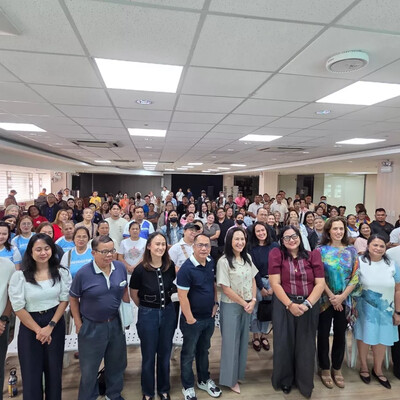
As part of the campaign, the Food Safety for Agrifood Systems Forum 2026 is bringing together authorities, researchers, universities, development partners, businesses and communities to discuss emerging food safety risks and practical solutions. Discussions highlight policy and technical perspectives on food safety governance and emerging risks while showcasing practical solutions and innovations and emphasizing the importance of translating knowledge and evidence into scalable actions.
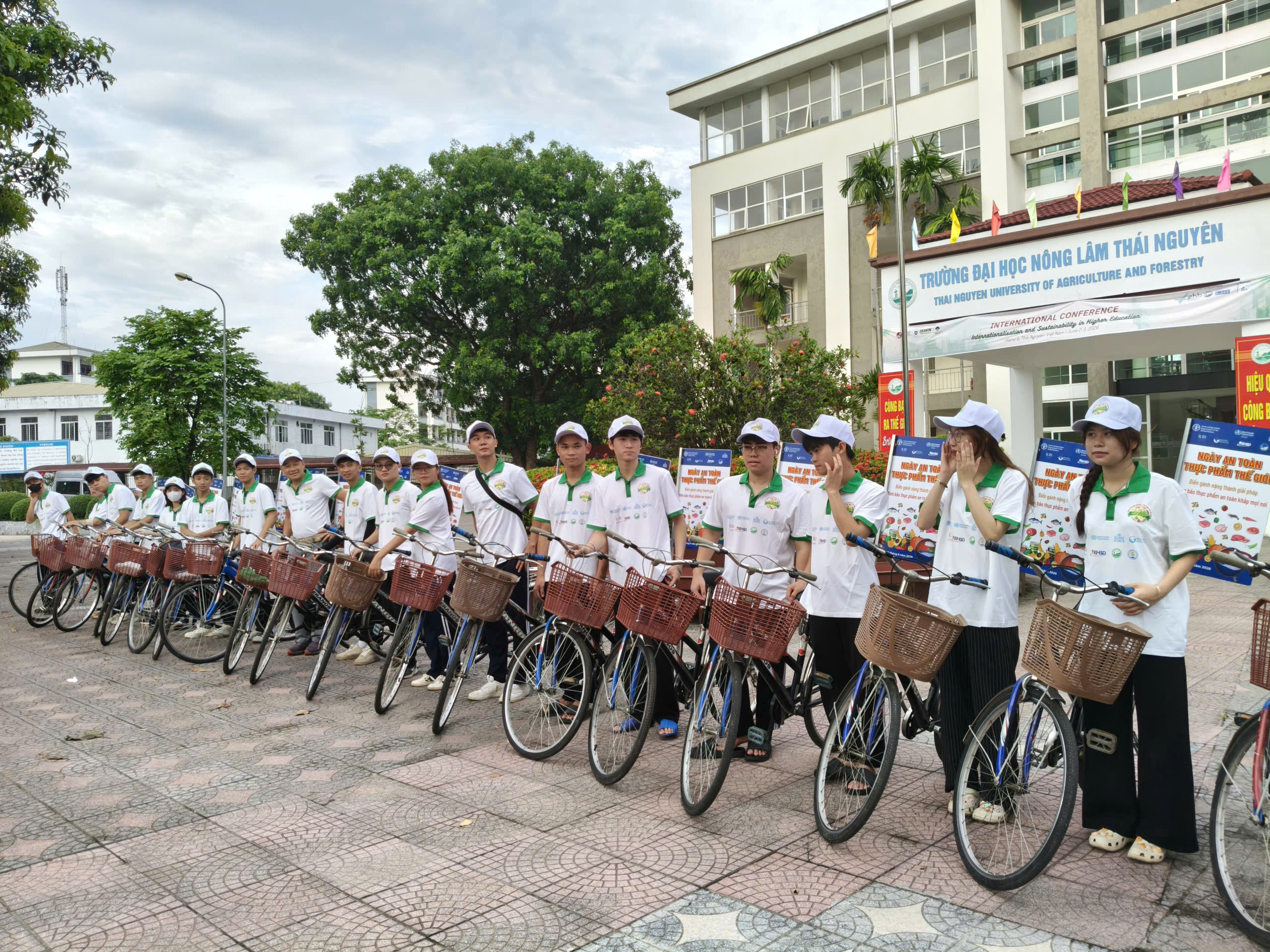
"Food safety challenges do not stop at national borders, and neither should the solutions," said Ornuma Polpanich, Director of the Green Transitions and Nexus Solutions Department, Mekong Institute (MI). "We are supporting knowledge exchange and collaboration like this forum so that successful practices, innovations, and lessons learned can be shared and adapted across Mekong communities and countries.”
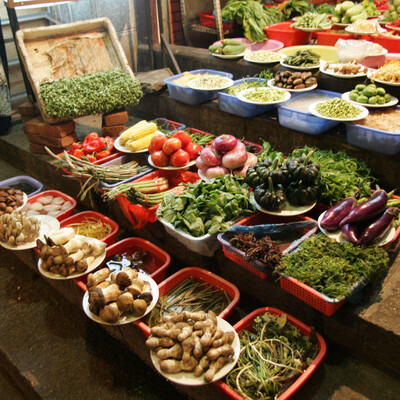
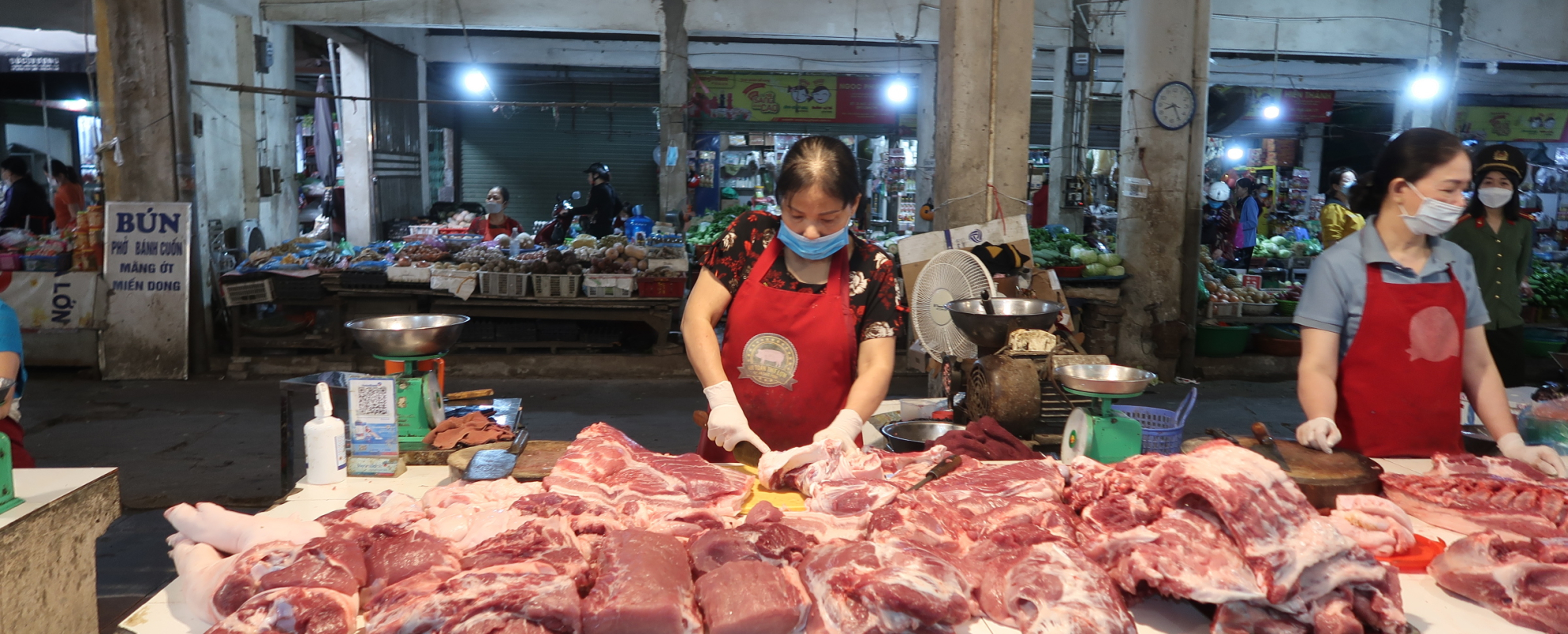
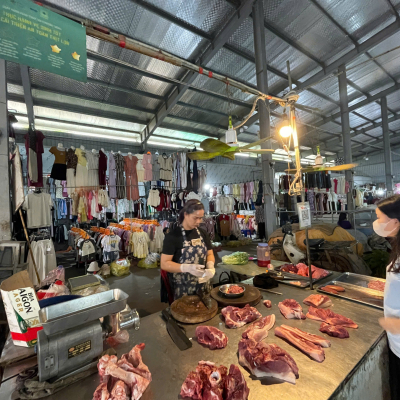
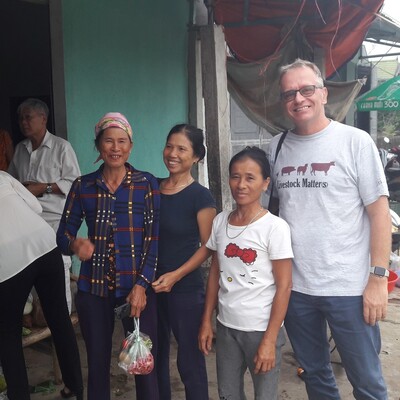
At the community level, students, food safety experts, market vendors and consumers gather at Dong Quang Market in Thai Nguyen City for food safety demonstrations. Around 200 students from Thai Nguyen also participated in a poster and video competition, with winning teams presenting their ideas during the forum.
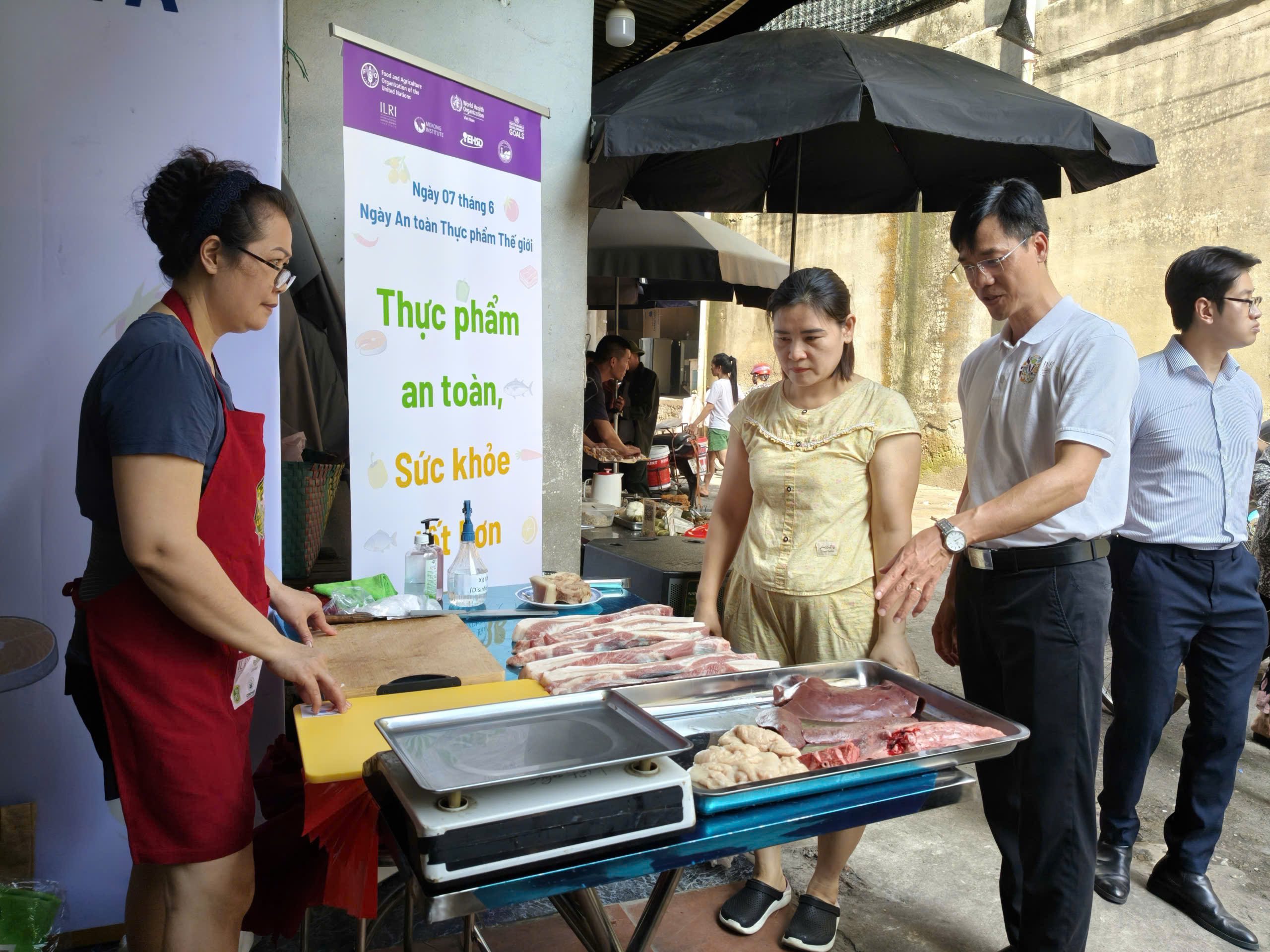
"Universities play an important role in developing future leaders," said Phan Thi Hong Phuc, Vice Rector of Thai Nguyen University of Agriculture and Forestry (TUAF). "By engaging students in research and community activities, we are helping build a generation that can contribute solutions for safer food systems."
Earlier activities engaged nearly 400 students from RMIT University in a food safety communication challenge, demonstrating how young people can help translate technical food safety messages into engaging, creative content for wider audiences.
The initiative was made possible with support from the New Zealand Ministry of Foreign Affairs and Trade, the Ministry of Food and Drug Safety, Republic of Korea and the CGIAR Science Program on Sustainable Animal and Aquatic Foods (SAAF).
-30-
Related Publications
Spatial and temporal risk mapping of human and porcine Taenia solium infections in Malawi: a systematic review and geostatistical approach
The three-legged stool: A practical One Health framework for scaling food safety in informal slaughterhouses and markets