Indigenous chicken breeding innovation in Southeast Asia gains international recognition
An innovative approach to improving indigenous chickens through the ACIAR-supported Asian Chicken Genetic Gains (AsCGG) project has received international recognition, highlighting its potential to strengthen smallholder poultry production across Southeast Asia and beyond.
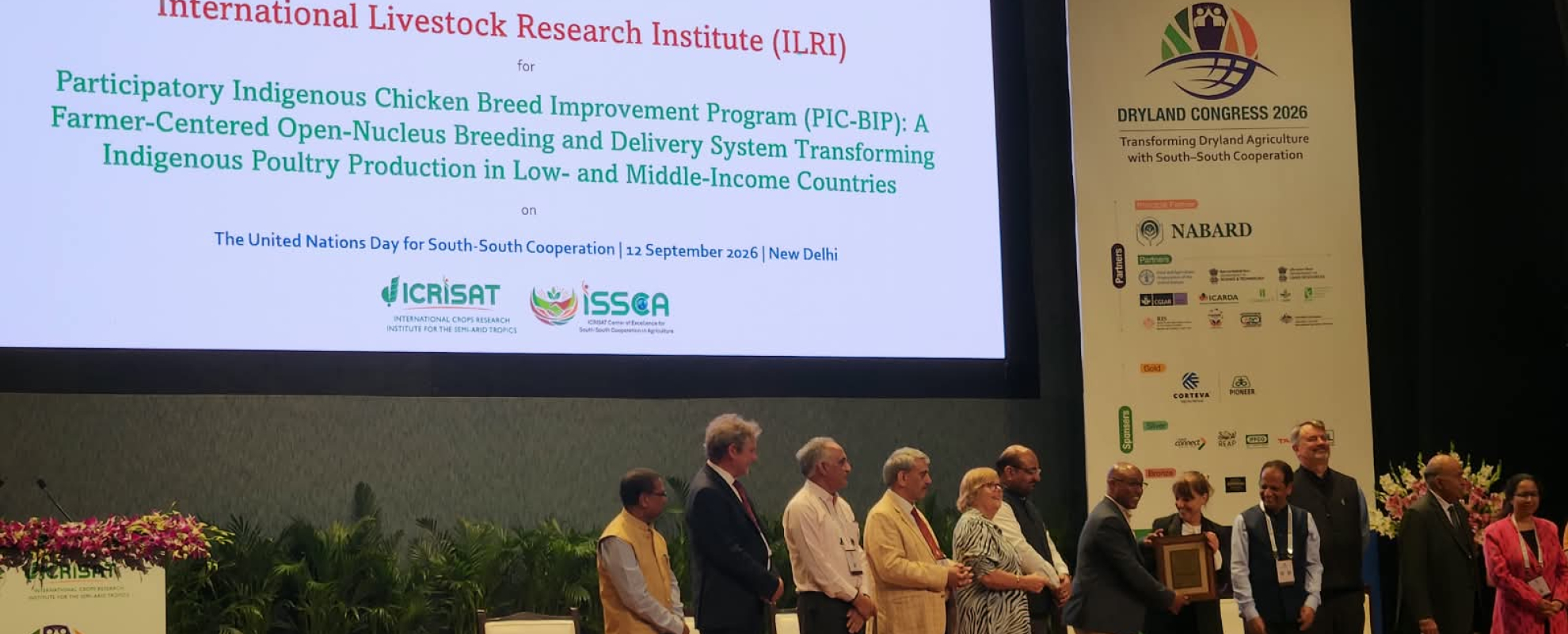
The Participatory Indigenous Chicken Breed Improvement Programme (PIC-BIP) received an ISSCA Global Award 2026 in Livestock Improvement & Production Technologies at the Dryland Congress in New Delhi, India, in September 2026. Wondmeneh Esatu, poultry geneticist at the International Livestock Research Institute (ILRI), received the award on behalf of the research team and partners.
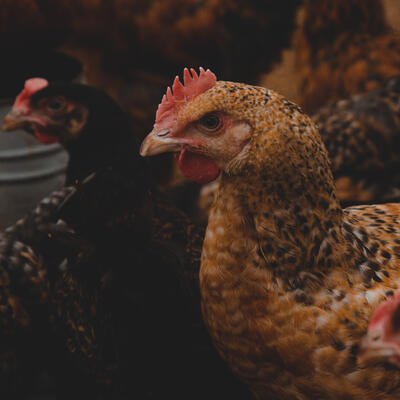
Developed by ILRI with national research partners and farming communities, PIC-BIP takes a different approach to conventional poultry development. Instead of simply distributing improved chickens, it establishes a breeding and delivery system that can continue generating genetic gains while retaining the characteristics local farmers and consumers value.
Farmers are directly involved in defining breeding priorities, evaluating birds and supporting their multiplication and delivery. The approach combines this participation with performance and pedigree recording, genetic evaluation and community-based breeding systems.
Demonstrating impact in Cambodia
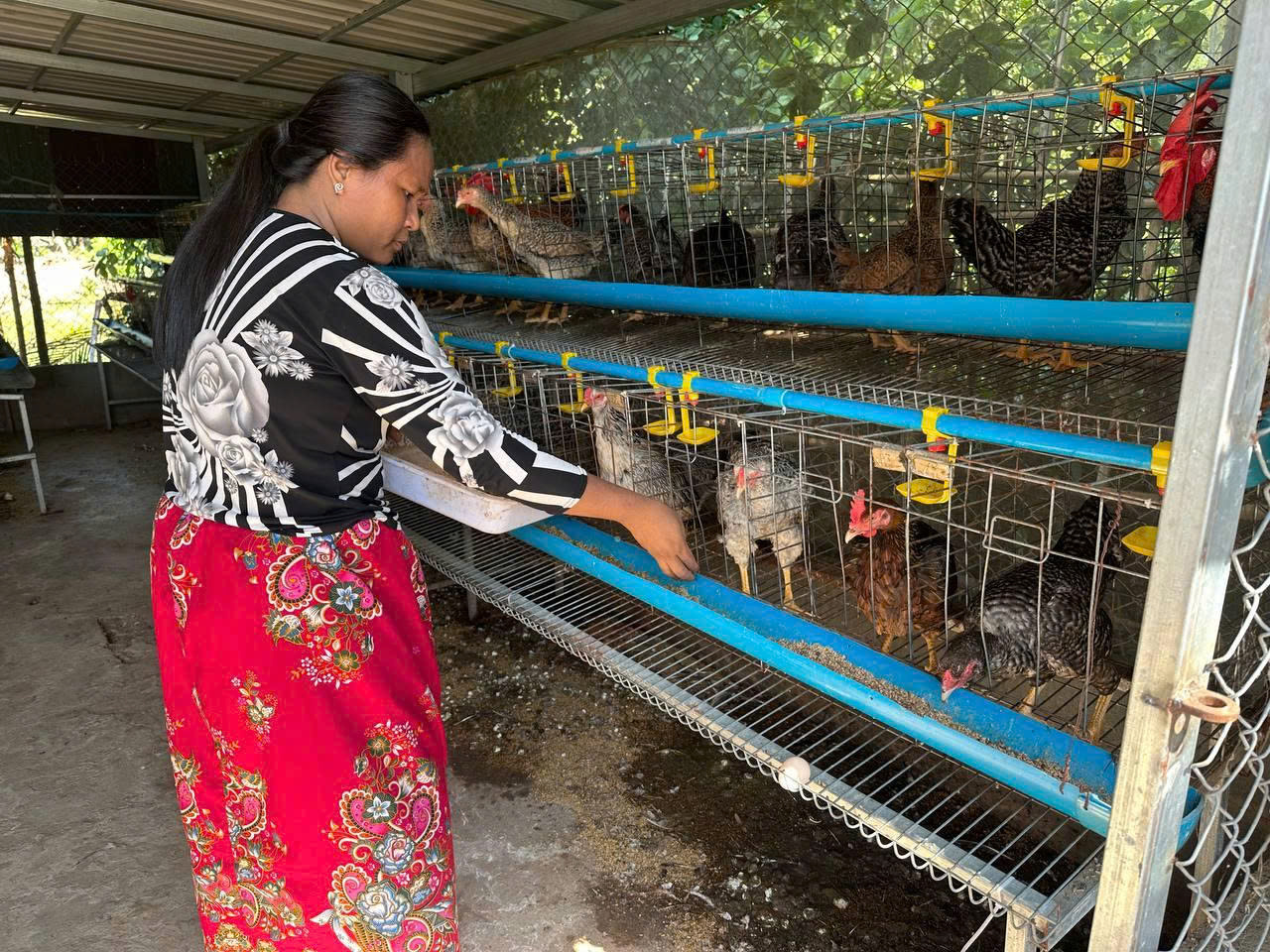
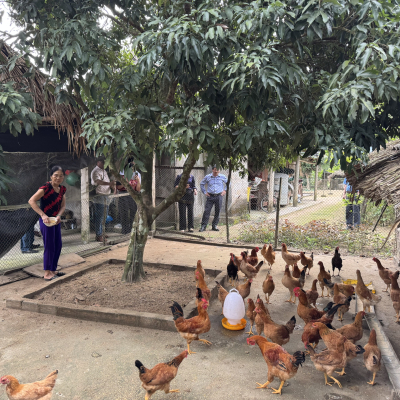
The approach has been implemented in Cambodia through AsCGG in close collaboration with the National Animal Health and Production Research Institute (NAHPRI) and the Livestock Development for Community Livelihood Organisation (LDC), working with provincial authorities, farmer groups and village-level chicken multipliers.
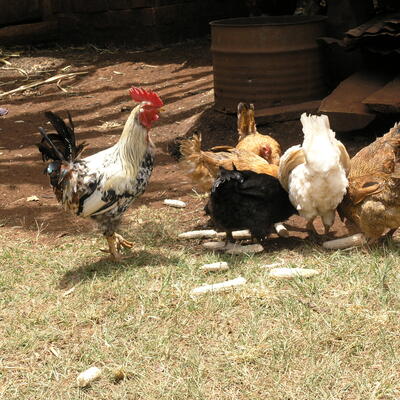
Indigenous chickens are an important source of food and income for rural Cambodian households, but limited access to quality breeding stock and sustainable breeding systems has constrained productivity.
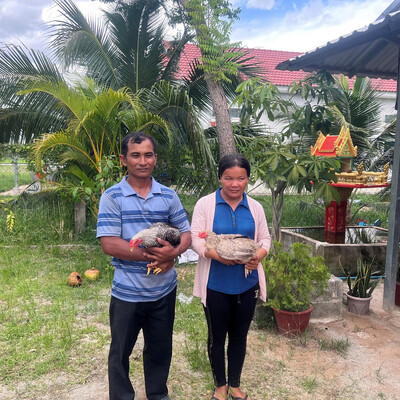
AsCGG has helped establish four nucleus breeding farms and community-based systems for multiplying and delivering improved Skuoy indigenous chickens. To date, more than 190,000 improved Skuoy day-old chicks have been produced and disseminated, while around 500 farming households have participated directly in breed evaluation, multiplication and distribution.
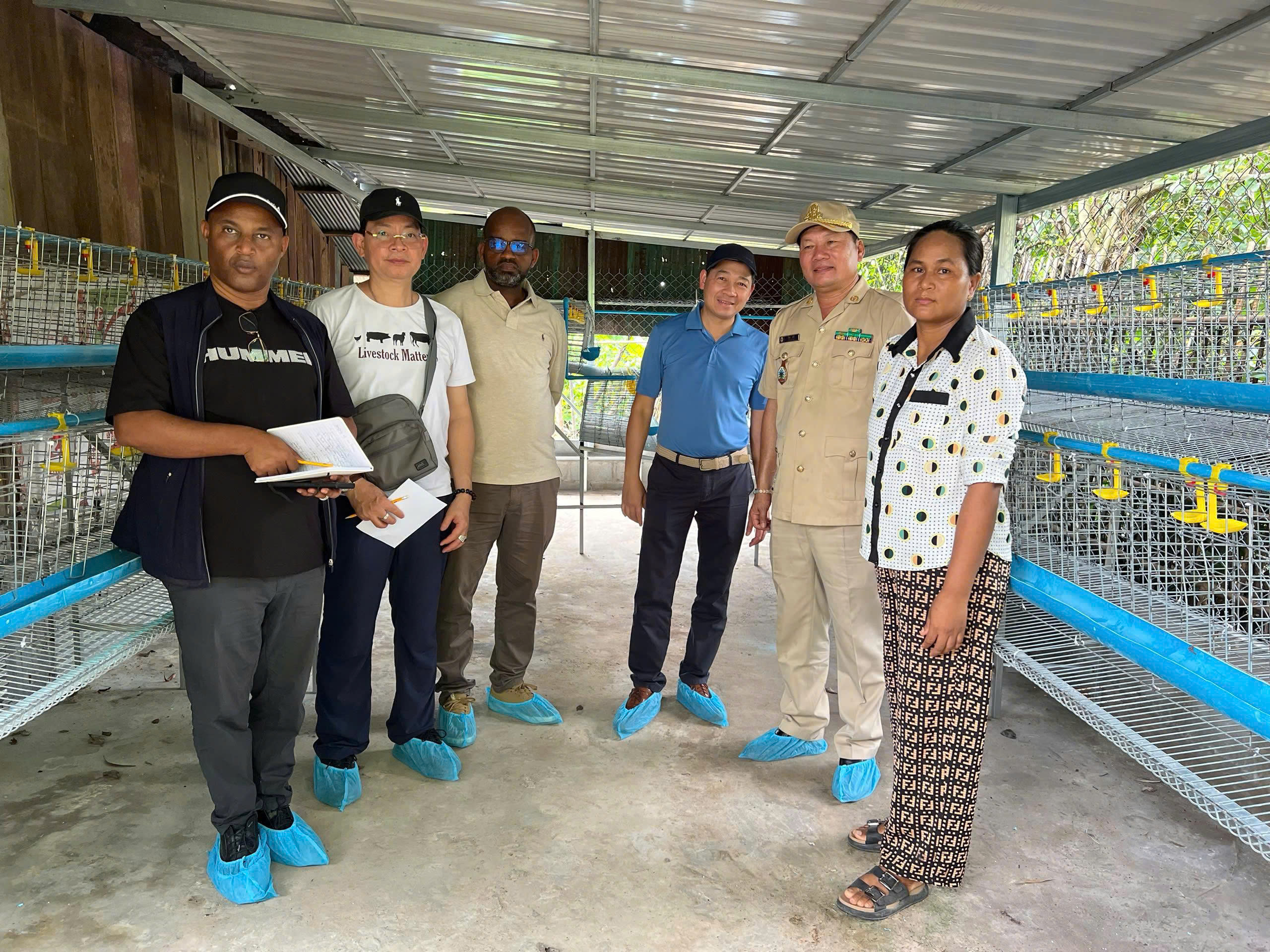
Alongside these practical results, the project has strengthened national capacity in poultry breeding. Researchers, technicians and extension personnel have gained experience in breeding program management, data collection, artificial insemination, genetic evaluation and participatory breeding approaches.
‘This recognition belongs to the many partners and farming communities who have worked with us to demonstrate that indigenous chickens can be systematically improved without losing the characteristics that make them valuable to farmers,’ said Esatu.
‘Farmers are partners in the process, from defining what should be improved to evaluating the chickens and participating in multiplication and delivery.’
From Cambodia to the region
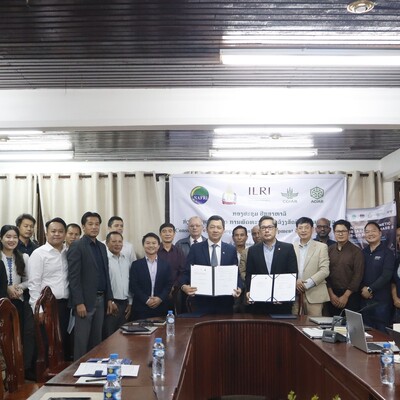
Building on experience and lessons from Cambodia and earlier work in Viet Nam, AsCGG entered a new phase in 2025 to strengthen and scale sustainable smallholder poultry systems across Cambodia, Lao PDR and Viet Nam.
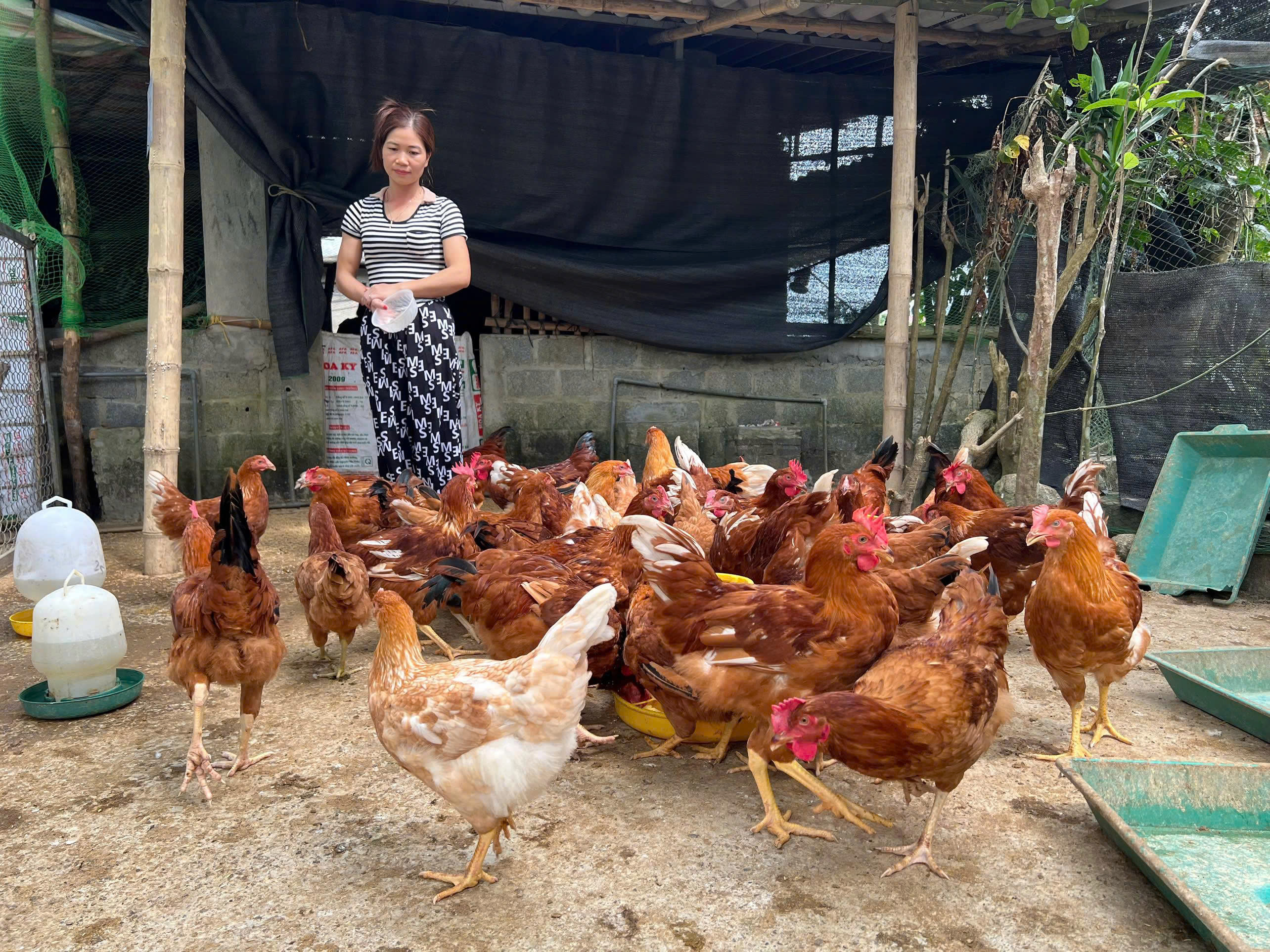
The regional partnership brings together ILRI with NAHPRI and LDC in Cambodia; the National Agriculture and Forestry Research Institute (NAFRI) and National University of Laos (NUoL) in Lao PDR; and the Vietnam Institute of Animal and Veterinary Sciences (VIAVS) in Viet Nam, with financial support from the Australian Centre for International Agricultural Research (ACIAR).
In Viet Nam, the project is building on on-farm and on-station testing of chicken breeds to identify productive, locally adapted options for smallholder farmers. In Lao PDR, the new phase is establishing the evidence, partnerships and breeding capacity needed to develop locally appropriate approaches to improving village chicken production.
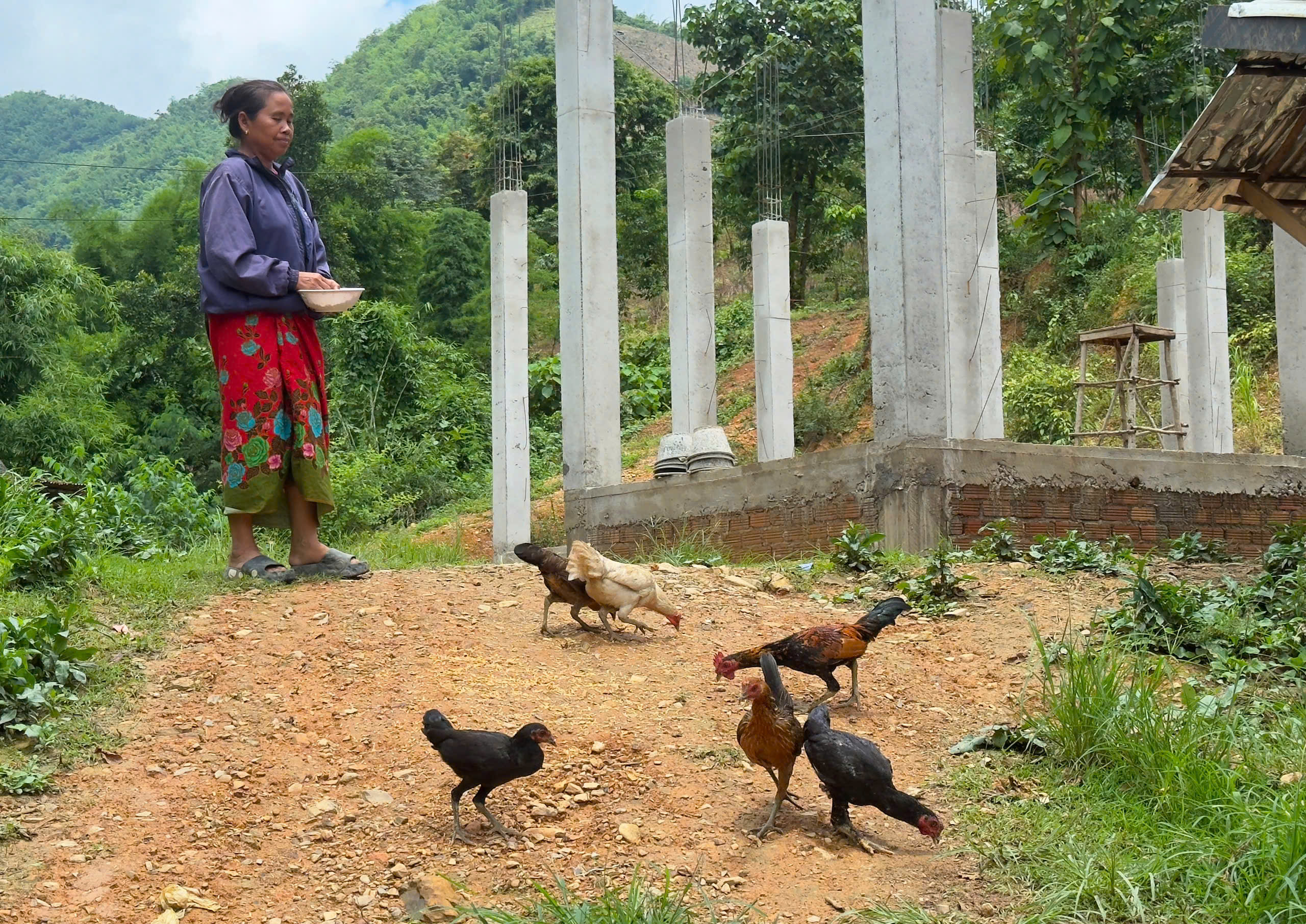
Across the three countries, the next phase will combine genetic improvement with stronger value chains, farmer participation, nutrition and gender considerations, institutional capacity development and engagement with public and private sector actors.
The ACIAR-supported Asian Chicken Genetic Gains is a platform for testing, delivering and improving chickens for enhanced livelihood outcomes in South-East Asia. The project is led by ILRI in partnership with national research and development institutions in Cambodia, Lao PDR and Viet Nam.
Read more:
AsCGG enters Phase II to scale poultry genetics gains in Southeast Asia
ILRI supports development of Lao National Poultry Strategy 2026–2035
Developing profitable chicken production systems for Southeast Asian farmers
Successful improved smallholder poultry systems in Cambodia and Vietnam spur expansion
Related Publications
Prevalence, quantification, and household-level risk factors associated with Salmonella spp. infection in chickens in Boussouma commune, Burkina Faso