AsCGG enters Phase II to scale poultry genetics gains in Southeast Asia
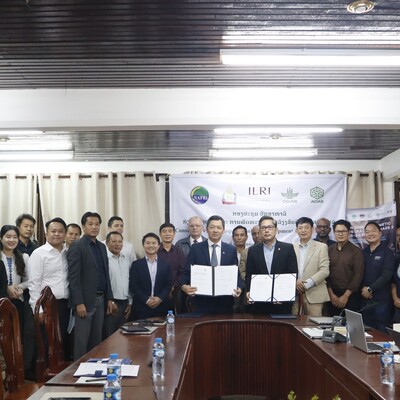
In October 2025, the Asian Chicken Genetics Gains (AsCGG) project entered a new chapter with the official launch of its costed extension phase (2025–2029) through two inception workshops—first in Vietnam on 24 October, followed by Cambodia on 27 October. The events brought together national authorities, research institutions, development partners, and farmers to reflect on achievements from phase 1 and to collectively shape the next phase of action for sustainable poultry development in Southeast Asia.
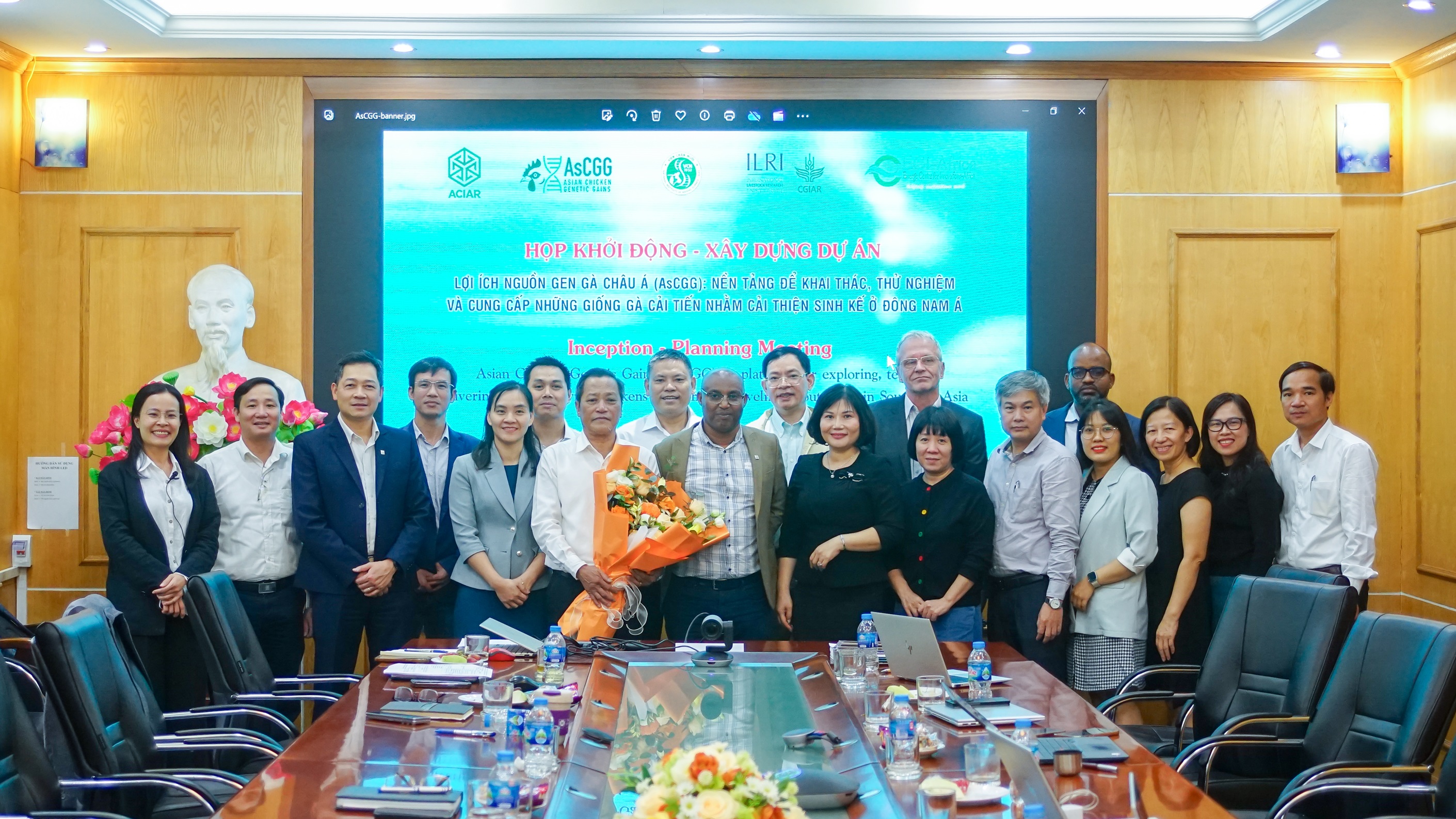
Vietnam: proven results, ready to scale
Opening the Vietnam workshop, Nguyen Cong Thieu, director general of the National Institute of Animal Science (NIAS) of Vietnam, emphasized that poultry plays an important role in Vietnam’s rural economy. He noted that the first phase of AsCGG (2022–2025) delivered validated results, particularly through systematic on-station and on-farm performance testing of chicken breeds.
Implemented in Hoa Binh, Ha Nam and Quang Binh provinces, the project compared imported, tropically adapted breeds with indigenous chickens under smallholder conditions. Imported breeds such as Novogen Tinted and Tetra Tint consistently outperformed local breeds in egg production while maintaining comparable body weight and strong adaptability. Farmers reported not only higher productivity, but also better market prices.
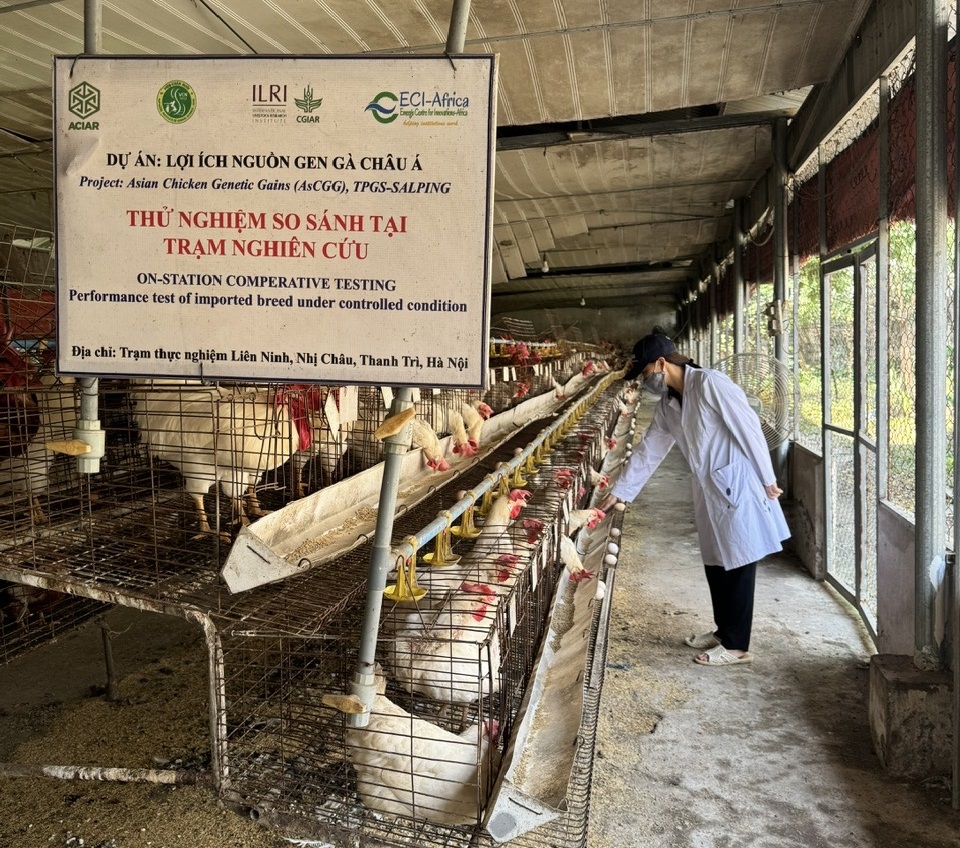
Reflecting on these outcomes, Hung Nguyen, regional director for the International Livestock Research Institute (ILRI) in Asia, remarked during the workshop: “What we achieved in Phase I proves that improved genetics can work for smallholders when they are tested under real farm conditions and supported by strong partnerships.”
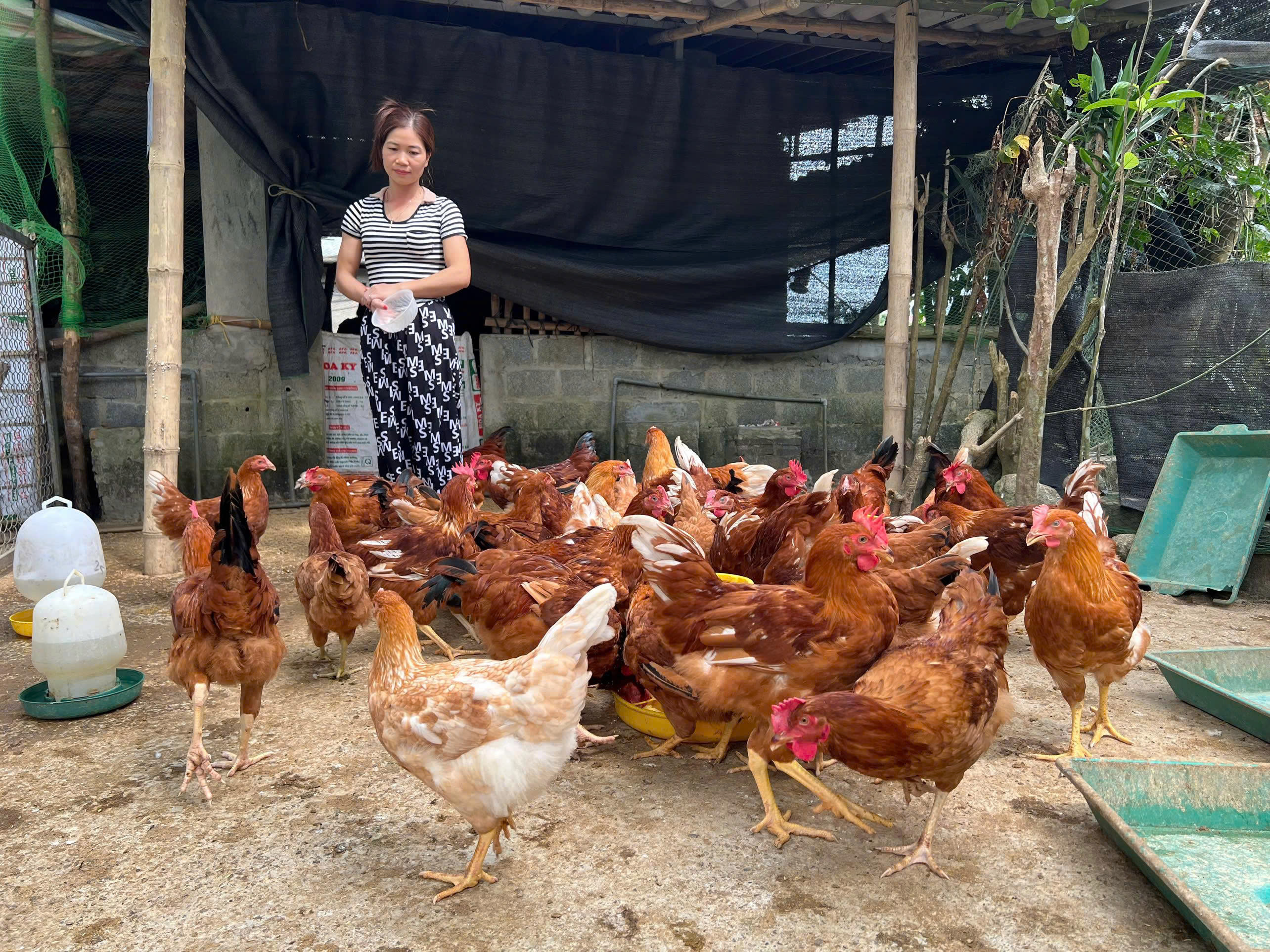
Phase I also focused on systems change. Innovation platforms established at national and community levels connected farmers with researchers, extension officers, and private actors. These platforms became spaces for co-learning, problem-solving, and long-term ownership of poultry development initiatives.
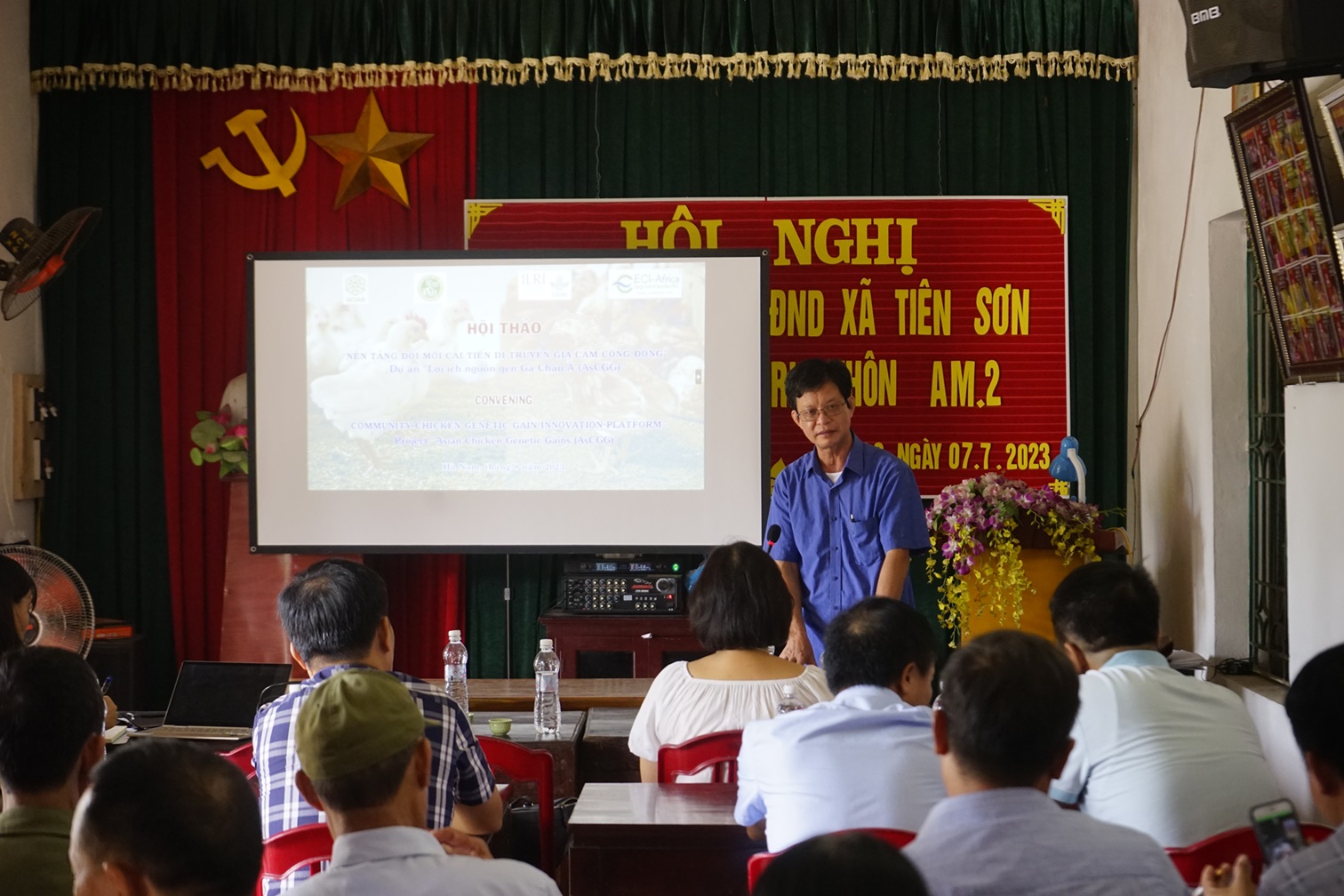
For local authorities, the impact was clearly visible. Joining online, a representative from Quảng Bình Province shared that participating households experienced improved livelihoods and greater interest from neighboring farmers. Another provincial representative highlighted how access to improved breeds, combined with training, had helped farmers stabilize egg production and plan their enterprises more effectively.
Vietnam Phase II: deepening impact, strengthening sustainability
Building on these successes, the costed extension phase in Vietnam will shift from testing to consolidation and scaling. Rather than introducing many new breeds, Phase II will focus on improving and conserving locally adapted chickens, particularly the Lạc Sơn breed, through structured breeding programs and genotype-by-environment studies under smallholder conditions.
The new phase will also strengthen links with nutrition, environmental sustainability, and One Health initiatives, while expanding collaboration with universities and the private sector to better quantify economic impacts and inform policy. As discussions during the workshop highlighted, sustaining gains will depend not only on genetics, but also on farmer skills, market access, and institutional integration.
Cambodia: Community breeding at the heart of change
Opening remarks by Tay Li, director of Livestock Production and Health Department in Takeo Province, highlighted how the project had transformed poultry farming through the Participatory Indigenous Chicken Breeding Improvement Program (PICBIP).
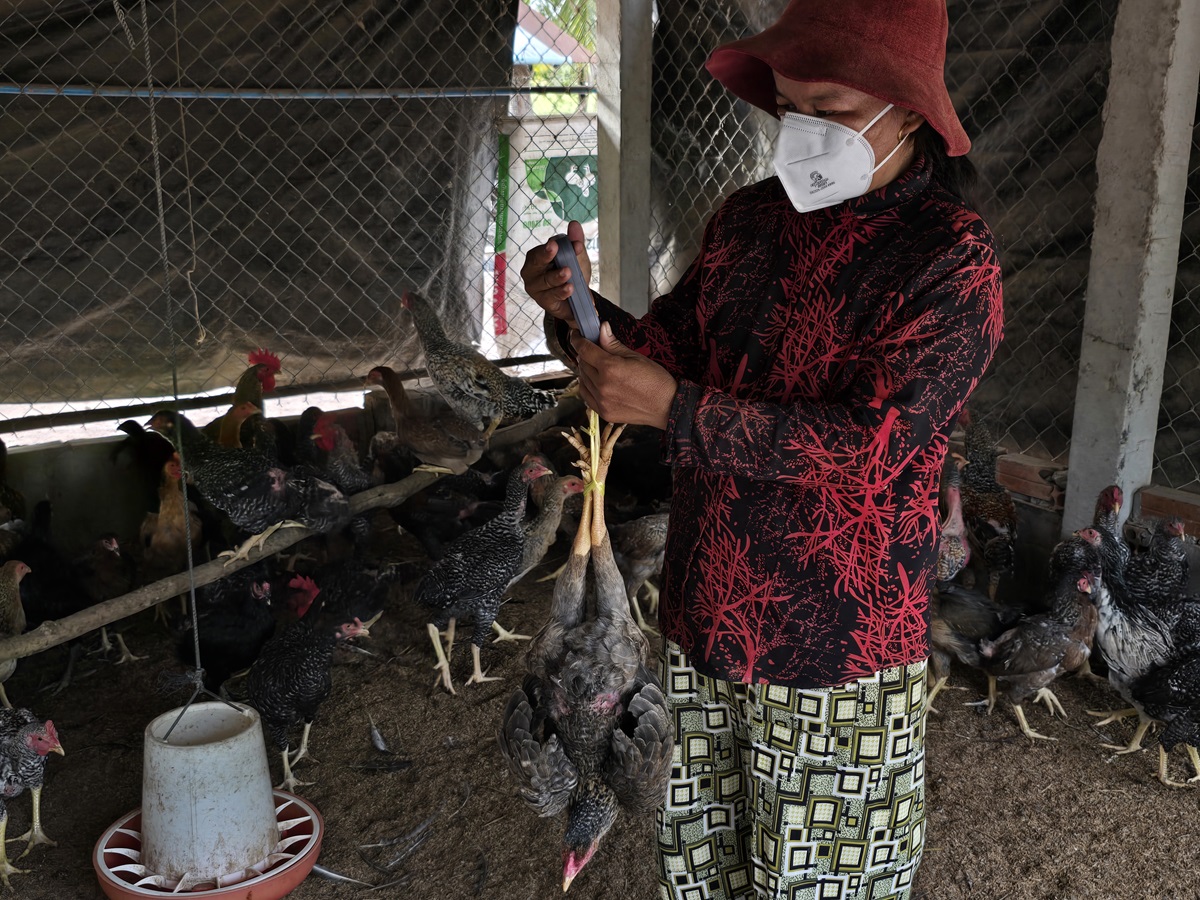
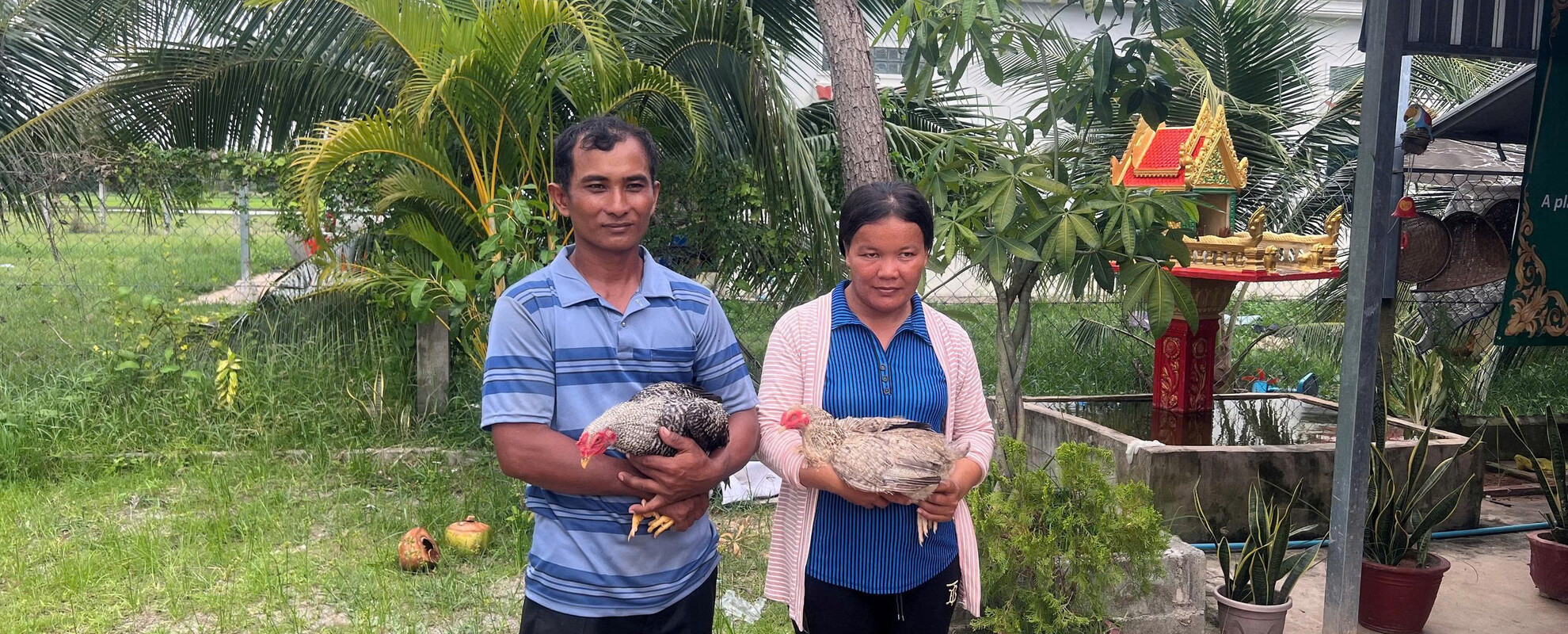
Since its establishment in 2023, the community-based breeding program targeting the indigenous Skouy chicken has demonstrated impressive progress. Now in its second generation across three nucleus farms, improved Skouy chickens show higher survival rates, better growth, and strong egg production compared to the base population. These results have translated directly into better incomes and food security for participating households.
“The Skouy chicken has become a symbol of what farmers can achieve when science and community knowledge come together,” Tay said, proposing that the improved breed be recognized as “Skouy–Takeo” in honor of the province’s leadership.
From knowledge to markets
Phase I in Cambodia also laid a strong foundation of evidence and capacity. Baseline surveys, breed characterization studies, and value chain analyses provided a clear picture of smallholder poultry systems and market dynamics. At the same time, innovation platforms and farmer trainings strengthened skills in breeding, biosecurity, data recording, and farm management.
As Sothyra Tum, director of National Animal Health and Production Research Institute (NAHPRI) Cambodia noted during the workshop, capacity building was central to the project’s success because it “turned farmers from passive recipients into active partners in genetic improvement.” Several farmers have already begun selling improved chicks and adult birds within their communities, creating new income streams and strengthening local poultry supply chains.
A farmer from Takeo shared during informal discussions: “People now come to us to buy chicks and ask for advice. Poultry is no longer just tradition—it is becoming a business.”
Cambodia Phase II: Scaling participation and value chains
Phase II in Cambodia will focus on accelerating genetic progress of the Skouy chicken, including the introduction of artificial insemination to improve reproductive efficiency. At the same time, the project will deepen market linkages, explore branding opportunities for indigenous chickens, and expand partnerships with development and private sector actors interested in scaling up poultry production and processing.
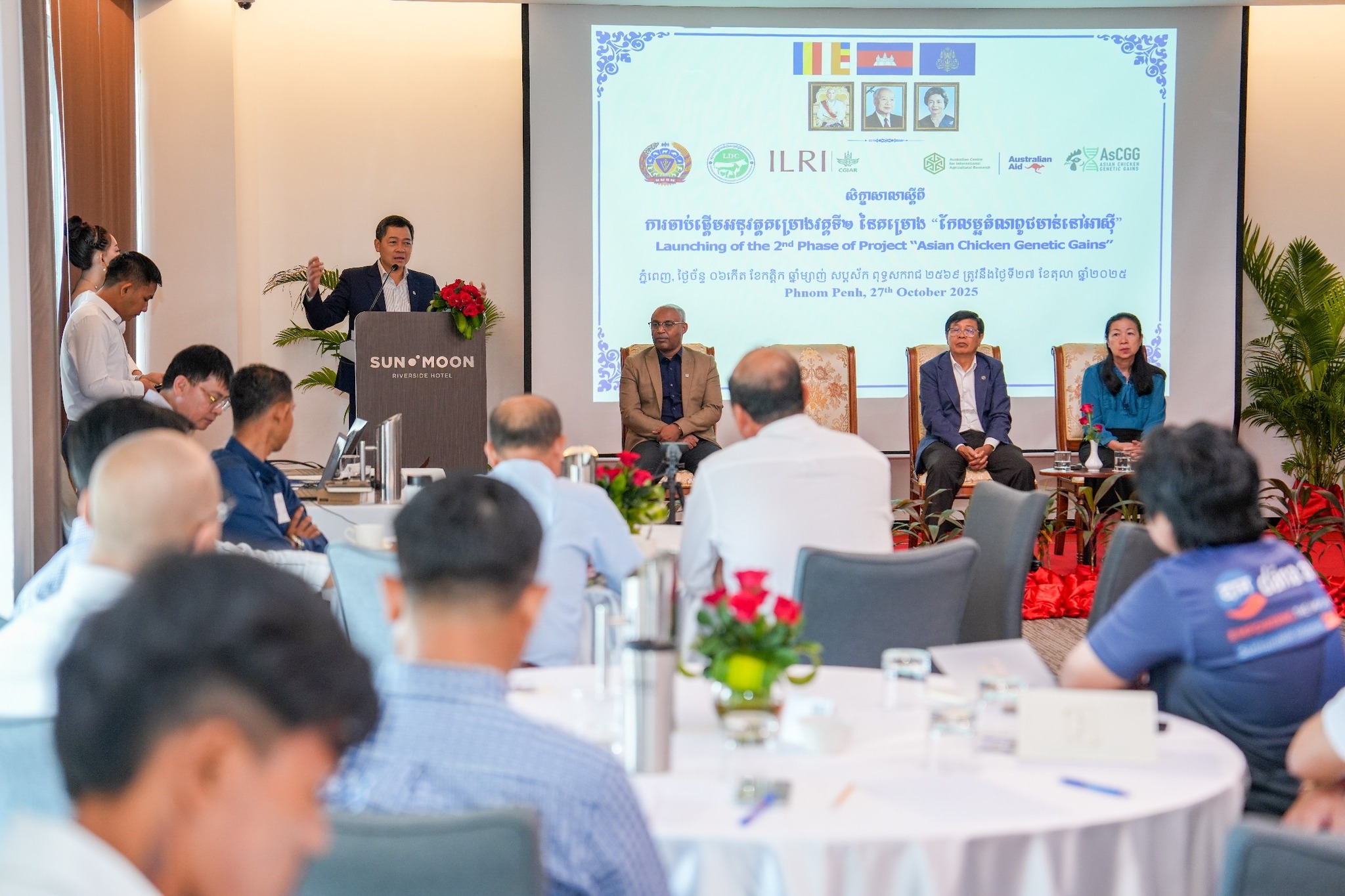
Funded by the Australian Centre for International Agricultural Research (ACIAR), the AsCGG costed extension phase (2025–2029) will be implemented in Vietnam, Cambodia, and Lao PDR, building on Phase I achievements to support sustainable smallholder poultry systems across the region.
Read more:
ILRI supports development of Lao National Poultry Strategy 2026–2035
Related Publications

Genome-wide association study of pre-indicative agronomic traits affecting malt quality in Ethiopian barley (Hordeum vulgare L.) germplasm
Genomics-led leapfrogging as a sustainable scaling alternative to sequential conventional livestock breeding models