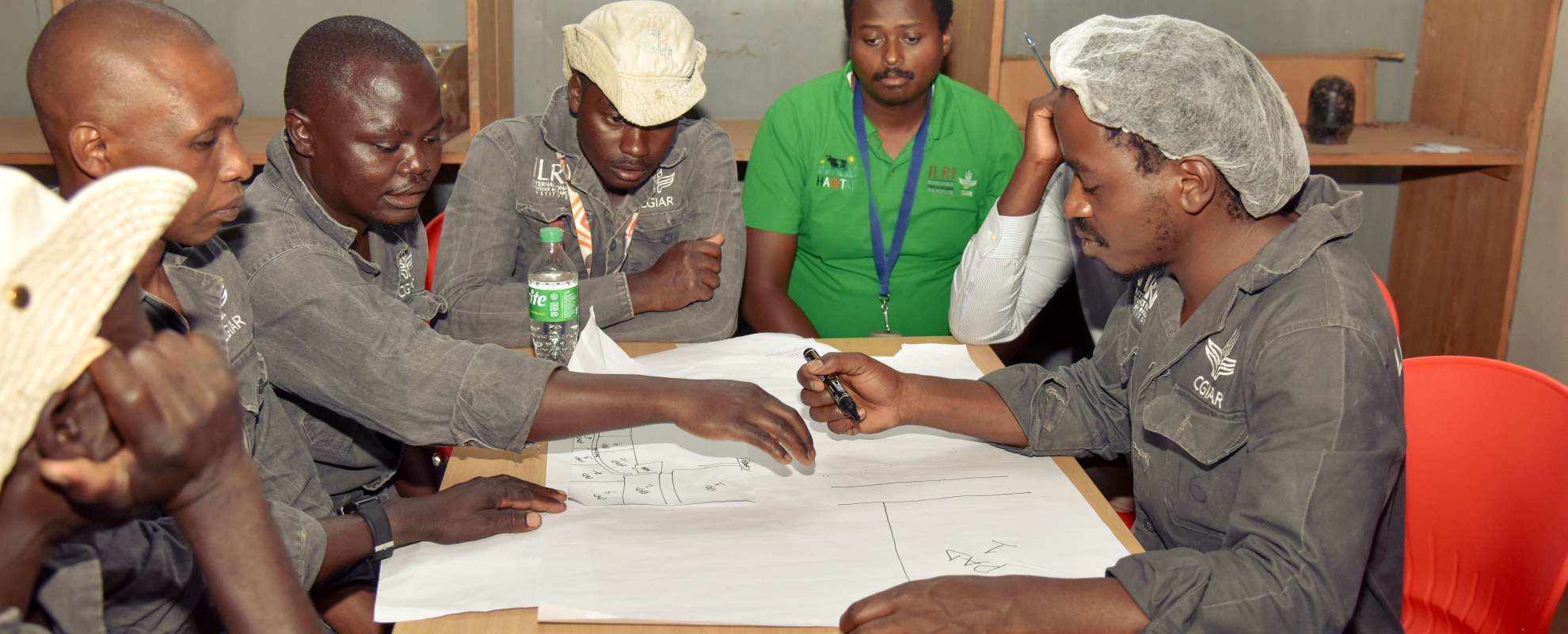
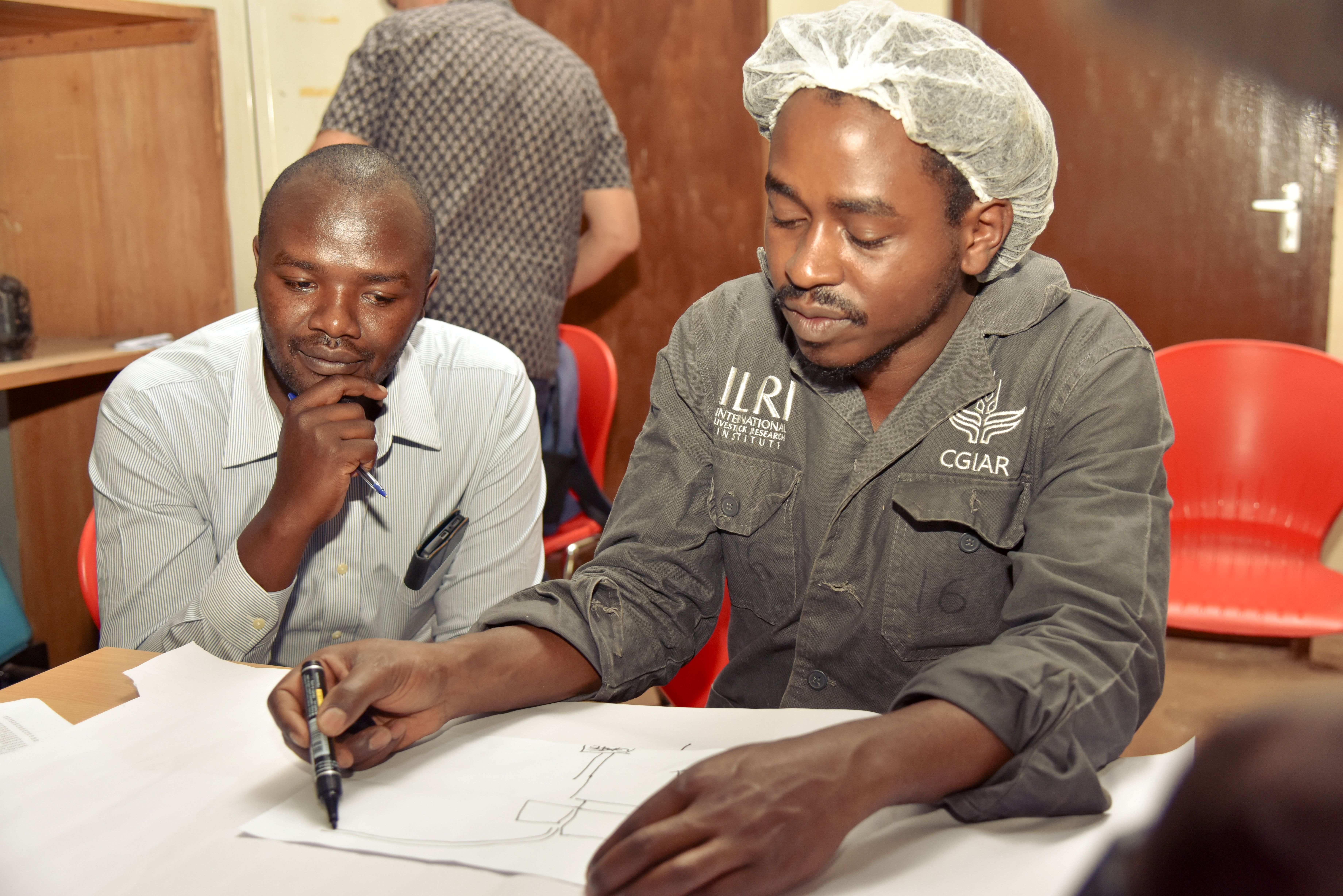
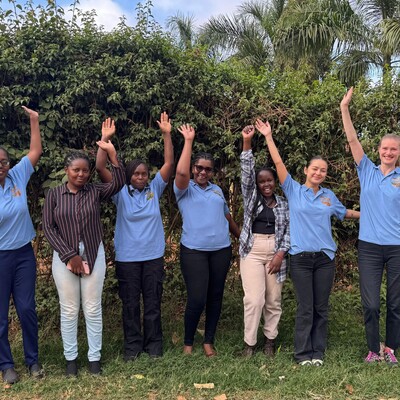
Nairobi, Kenya — When we think of livestock research, we often picture labs and vaccines. However, a crucial part of the puzzle is understanding the people who care for the animals. From March 9–13, 2026, the International Livestock Research Institute (ILRI) held a unique training on Cultural Domain Analysis (CDA) to bridge the gap between science and local traditions.
Led by Rajindra K. Puri, this training was part of the HABITAT project. The goal? To help scientists see the world through the eyes of the farmers they serve.
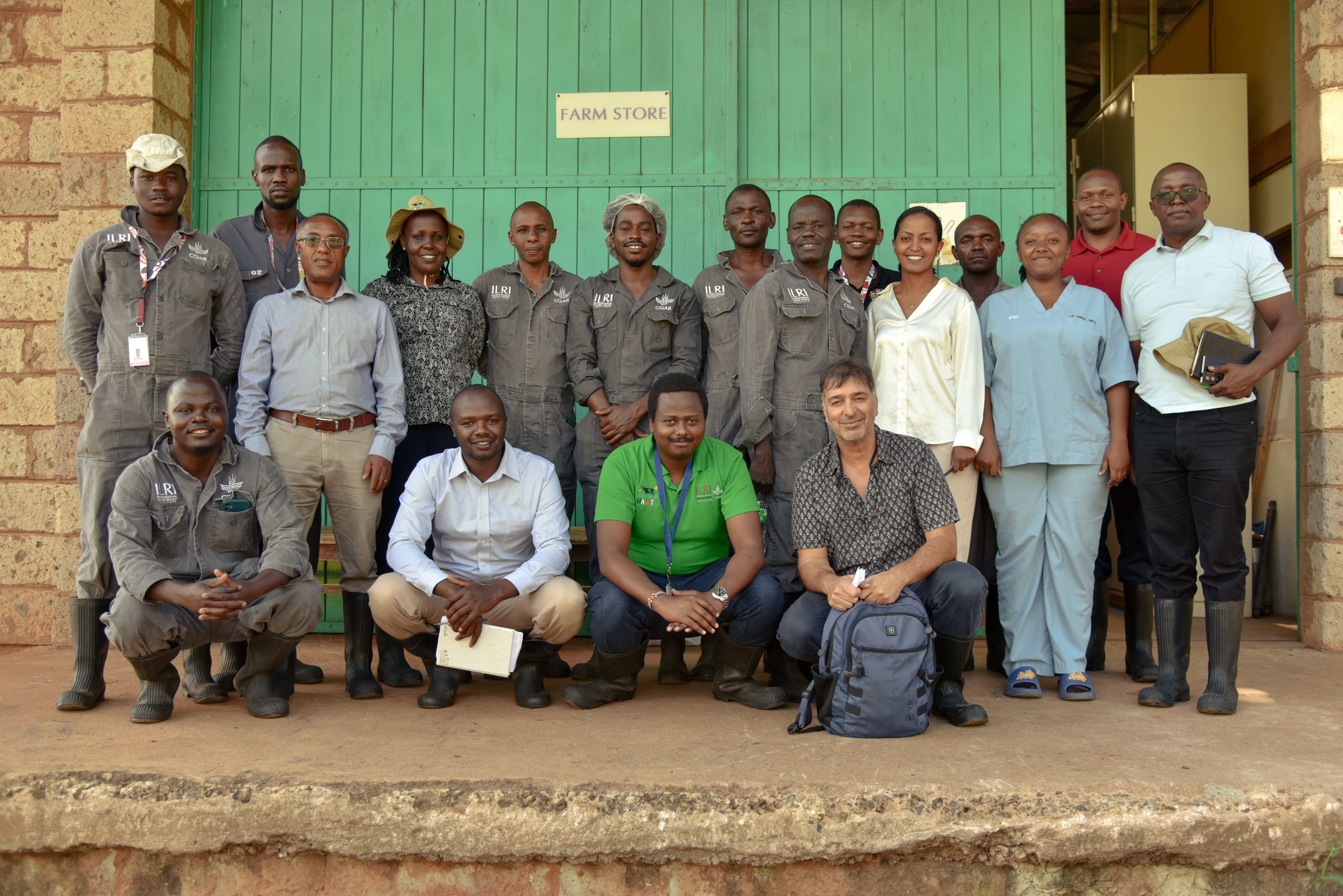
CDA Farm Visit (Frank Mwangi/ILRI)
Learning the Language of Farmers
To help farmers adopt better practices, researchers first need to understand how those farmers categorize their world—whether they are identifying different types of fodder plants, crop pests, or animal diseases. During the week, participants learned several "hands-on" techniques:
Listing and Naming: Using a method called "freelisting," researchers learn what items (like specific plants) are most important to a community.
Identification Tasks: Researchers practiced asking farmers to identify local plants or preserved animal specimens to document deep-rooted local knowledge.
Sorting and Ranking: Using "pilesorts" and "triads," scientists can see how farmers group different items together, which reveals their preferences and how they make daily decisions on the farm.
Into the Field
CDA Farm Visit (Frank Mwangi/ILRI)
The training wasn't just in the classroom. Researchers spent two days visiting local farms to talk directly with farmers. They mapped out local resources and created seasonal calendars to understand how the availability of animal feed changes throughout the year.
By understanding these "cultural domains," ILRI can ensure that new agricultural tools and ideas actually fit into the daily lives and traditions of Kenyan farmers.
This training was proudly sponsored by the GCBC Technical Assistance Fund (TAF) for Capacity Building to project grantees.
Partners:UKRI | GCBC | Bangor University | ILRI | University of Eldoret
You may also like
ILRI News
The CIRNA project achieves impact with tailored communication
ILRI News
Using gendered assessment to promote sustainable livestock feed management in Dodoma, Tanzania
In the field: Listening to adaptation pioneers
ILRI News
Ukama Ustawi field days: Sharing the best livestock-crop production systems
ILRI News
ILRI’s feeds and forages program trains Ethiopian agricultural researchers on forage seed production
ILRI News
The Africa Dairy Genetics Gains team trains service providers and farmers on breeding practices and provides data capture tools
Related Projects
Surveillance and early-warning systems for climate-sensitive diseases in Vietnam and Laos (Pestforecast)
Identification and implementation support of mitigation priorities and opportunities in rice-dominated landscapes