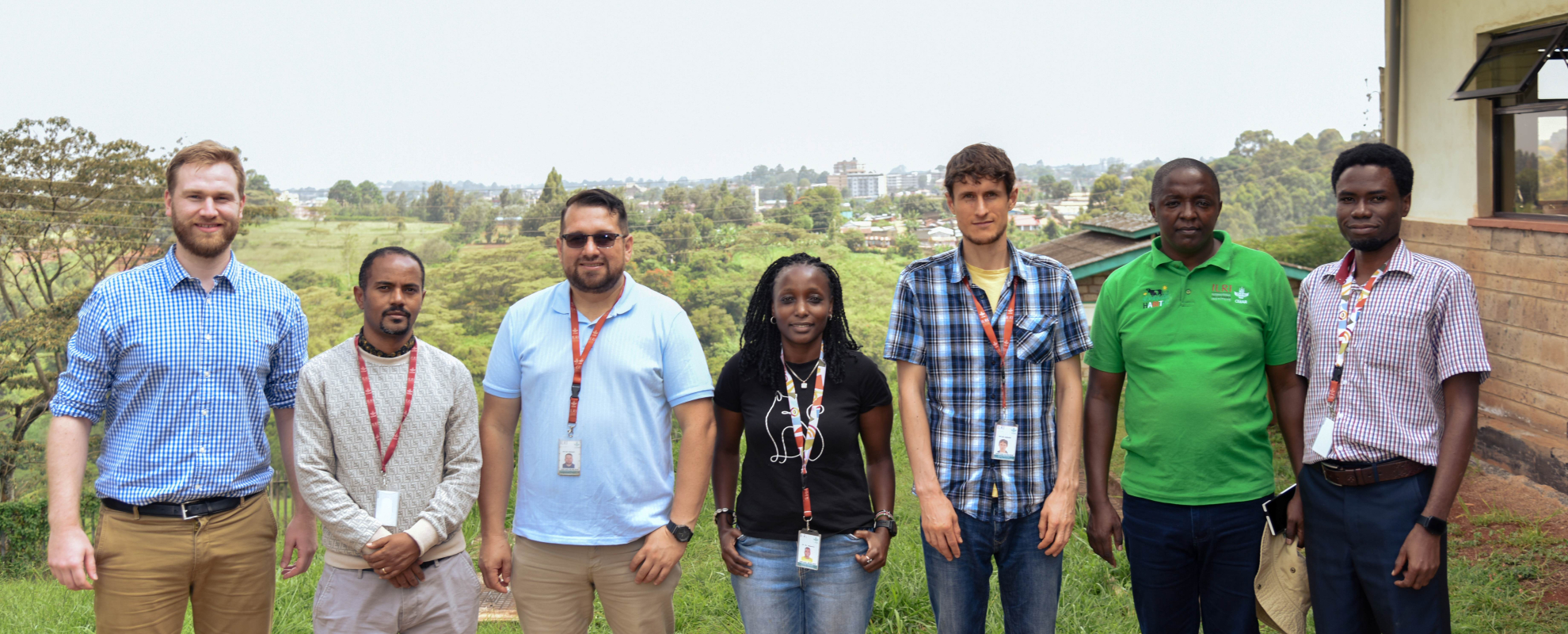
Nairobi, Kenya — How do we produce enough food for a growing population while still protecting our environment? This is one of the biggest questions facing livestock researchers today. From March 16–20, 2026, ILRI’s Mazingira Centre hosted a workshop on Life Cycle Assessment (LCA) to find the answers.
Supported by the Global Center on Biodiversity Climate (GCBC) Technical Assistance Fund (TAF) for Capacity Building, this workshop trained researchers from ILRI and Bangor University to measure the environmental "footprint" of farming.
What is a 'Life Cycle Assessment'?
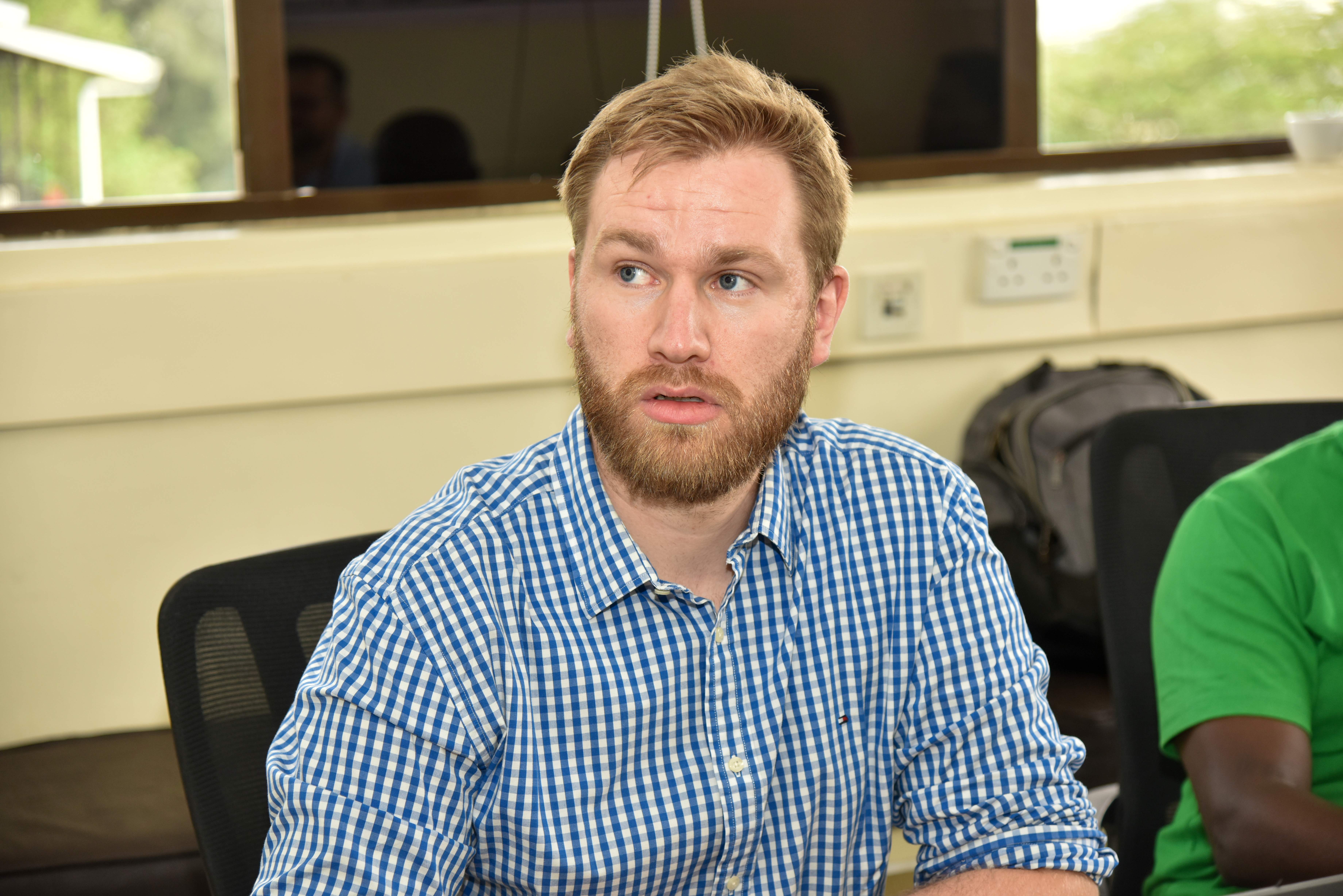
Daniel Henn, University of Galway, during LCA training (Saleef Nyambok/ILRI)
Think of an LCA as a detailed "environmental audit." It looks at every stage of a cow’s life—from the feed it eats to the methane it produces—to calculate its total impact on the planet.
Facilitated by Daniel Henn from the University of Galway, the training focused on how small changes on a farm can lead to big wins for the environment:
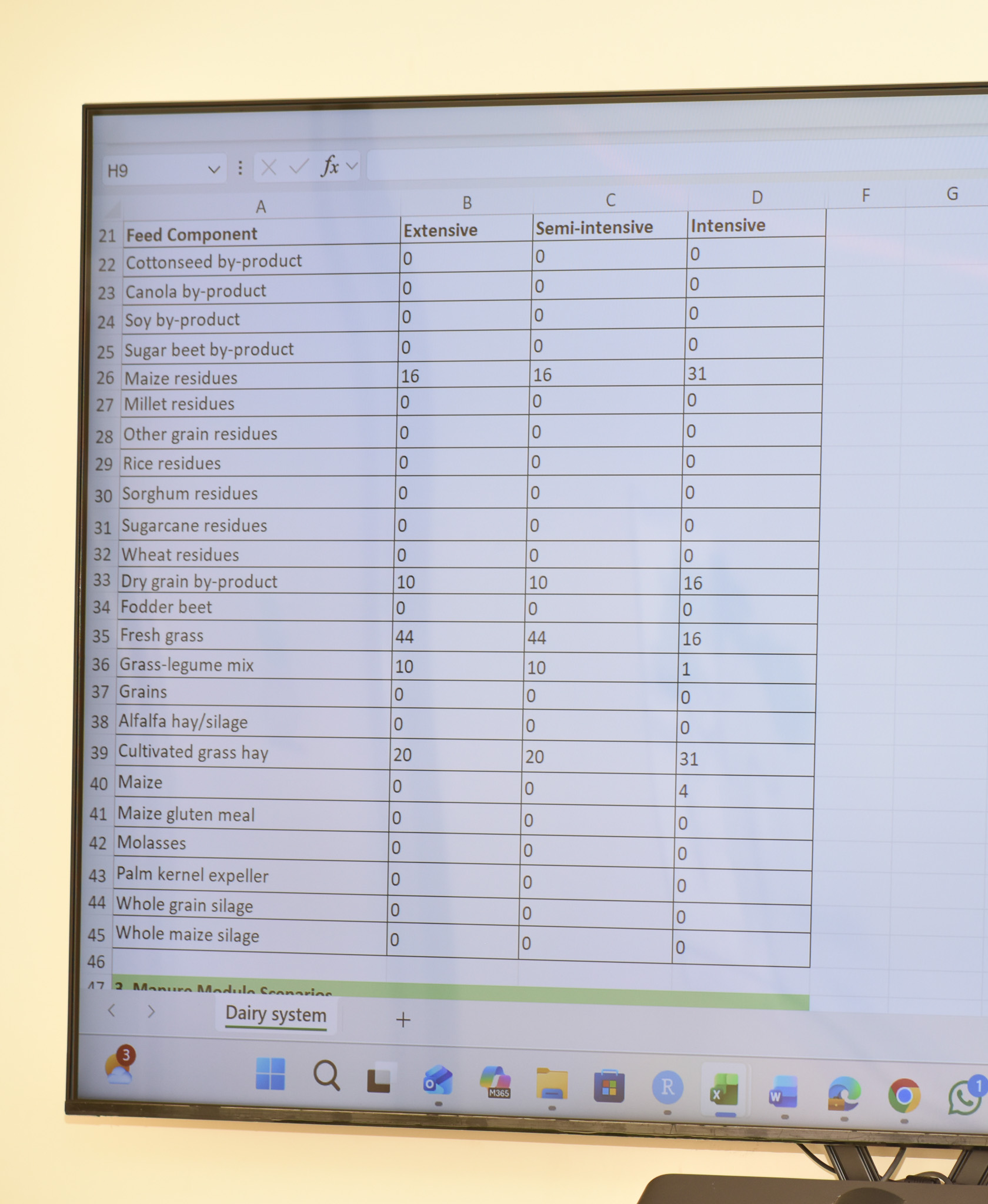
Life Cycle Assessment (LCA) Excel Tool
Smart Tools: Researchers used specialized Excel tools and software (like openLCA) to model how different types of feed or better herd management can lower greenhouse gas emissions.
Local Data: A major focus was using data specifically from Kenya to ensure the results are accurate for African livestock systems.
Trade-offs: The team looked at how to balance the need for high productivity (more milk and meat) with the need to reduce environmental "hotspots".
A Greener Future for Kenyan Farming
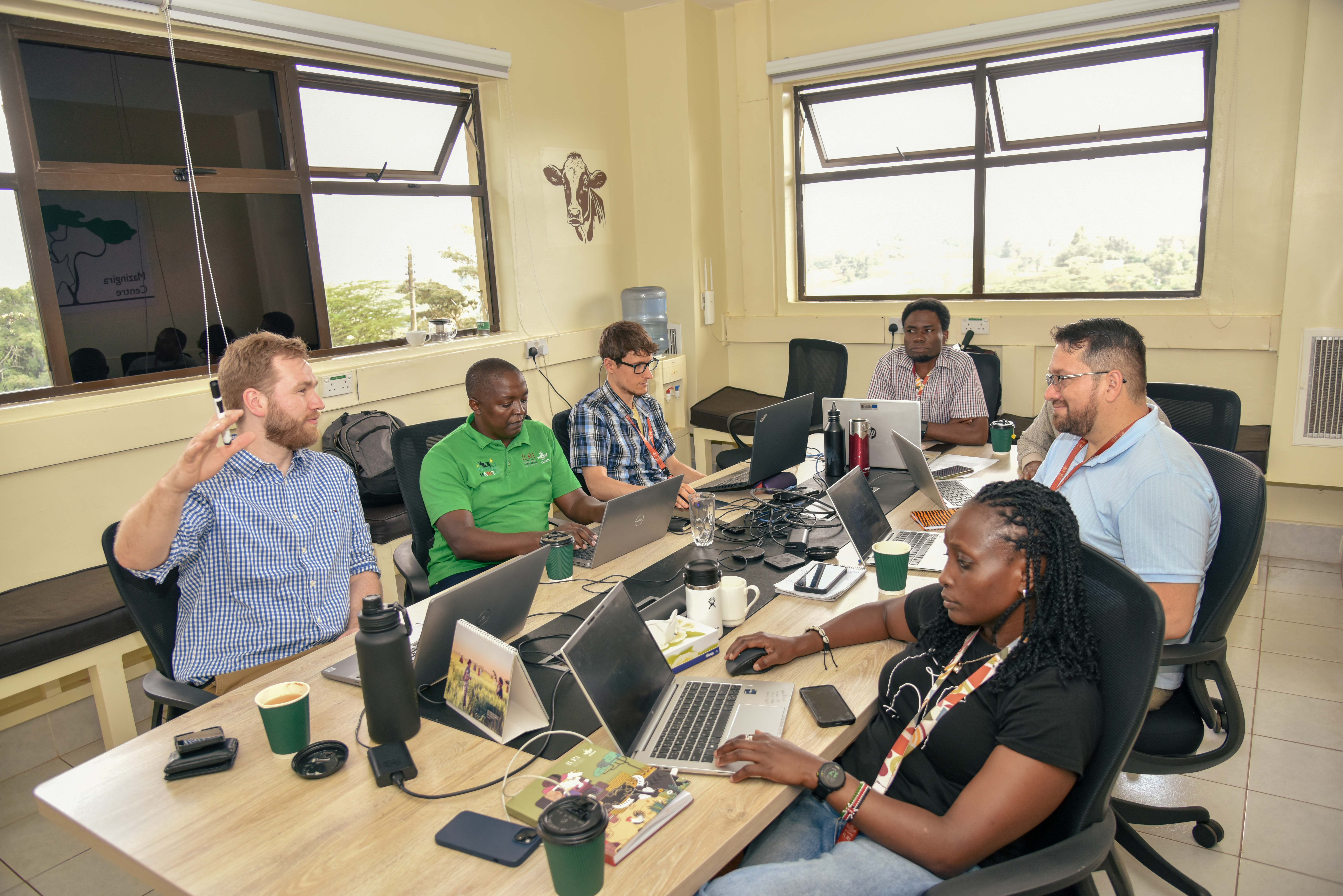
Life Cycle Assessment (LCA) Training (Saleef Nyambok/ILRI)
The ultimate goal of this training is to support "climate-smart" farming. By strengthening the team's ability to use these high-tech tools, ILRI can help provide evidence-based advice to policymakers and farmers alike. This ensures that as the livestock sector grows, it does so in a way that is sustainable, resilient, and better for the Earth.
This training was proudly sponsored by the GCBC Technical Assistance Fund (TAF) for Capacity Building to project grantees.
Partners:UKRI | GCBC | Bangor University | ILRI | University of Eldoret