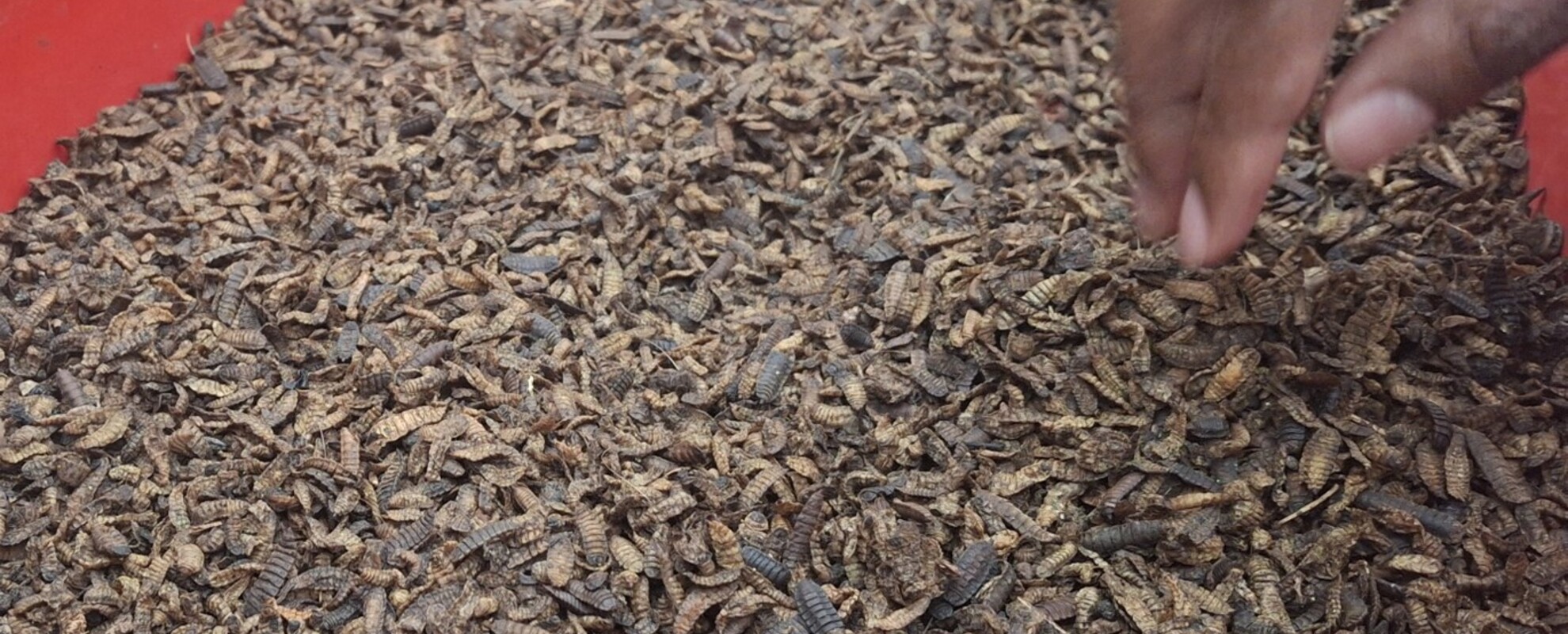
Transforming livestock feed production in Africa through black soldier fly larvae innovations
Black soldier fly larvae (BSFL) are a promising, sustainable high-protein feed ingredient for poultry, pigs, and fish. They offer an alternative to high-cost commercial livestock feeds, whose price is driven by reliance on expensive plant-based protein ingredients such as soybean, thus inhibiting smallholder farmers’ access to quality feeds and consequently limiting livestock productivity.
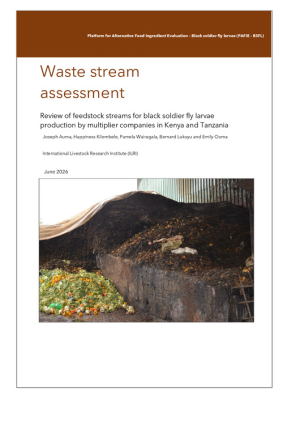
However, despite the growing interest and increasing private sector investment, the BSFL value chain in East Africa remains underdeveloped, with most producers operating on a small scale, using organic waste streams to cultivate larvae. The bioconversion efficiency (the proportion of the substrate's nutrients that are converted into biomass) of the larvae under such systems remains low (less than 10%) compared to specialized companies. Production is also affected by fluctuations in BSF egg production due to climatic factors and logistical costs associated with quality waste collection, sorting and transport.
To address these challenges among small-scale producers, the Platform for Alternative Feed Ingredients Evaluation (PAFIE) – BSFL project launched in 2024, will explore the potential of producing larvae at scale. Together with private sector feed producers, the project will develop BSFL-based formulations for fish and poultry to be trialed on select farms and will also work with farmers to explore the impact of using frass, a BSFL by-product, as a fertilizer on forages. Thus, the business model will enhance linkages upstream and downstream along the value chain.
Emily Ouma, a senior scientist at ILRI and the BSFL project principal investigator, says the project aims to generate evidence of BSFL innovations that reduce dependency on soybean as a protein source in commercial feed production by 10 - 15% by
developing a scalable model for reducing costs while improving operational and bioconversion efficiency’.
BSFL feed on organic waste, thereby significantly reducing waste and lowering greenhouse gas emissions. This sustainable approach provides a consistent, year-round source of protein, which helps mitigate cost fluctuations in commercial feed production. Furthermore, utilizing waster lowers overall feed costs. Frass, a by-product of BSFL production, is a nutrient-rich fertilizer high in nitrogen, phosphate, and potassium, which can improve crop yields.
Promoting collaboration
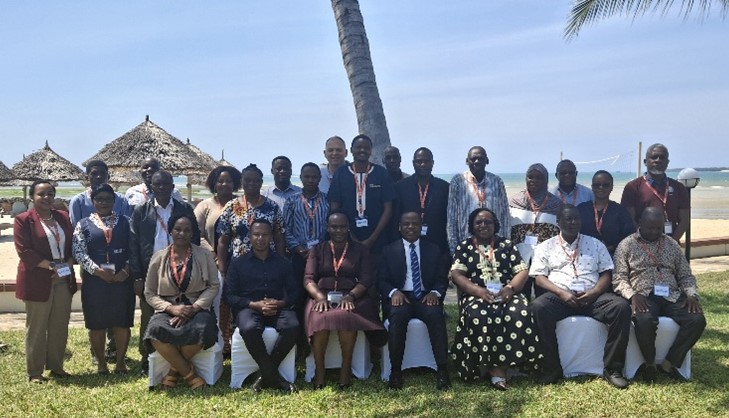
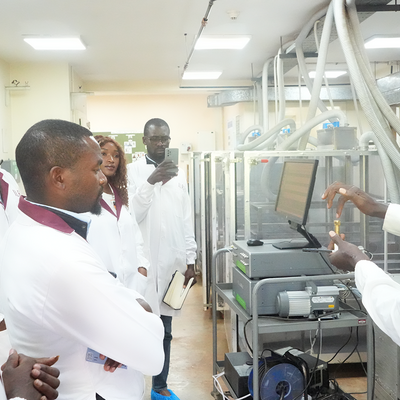
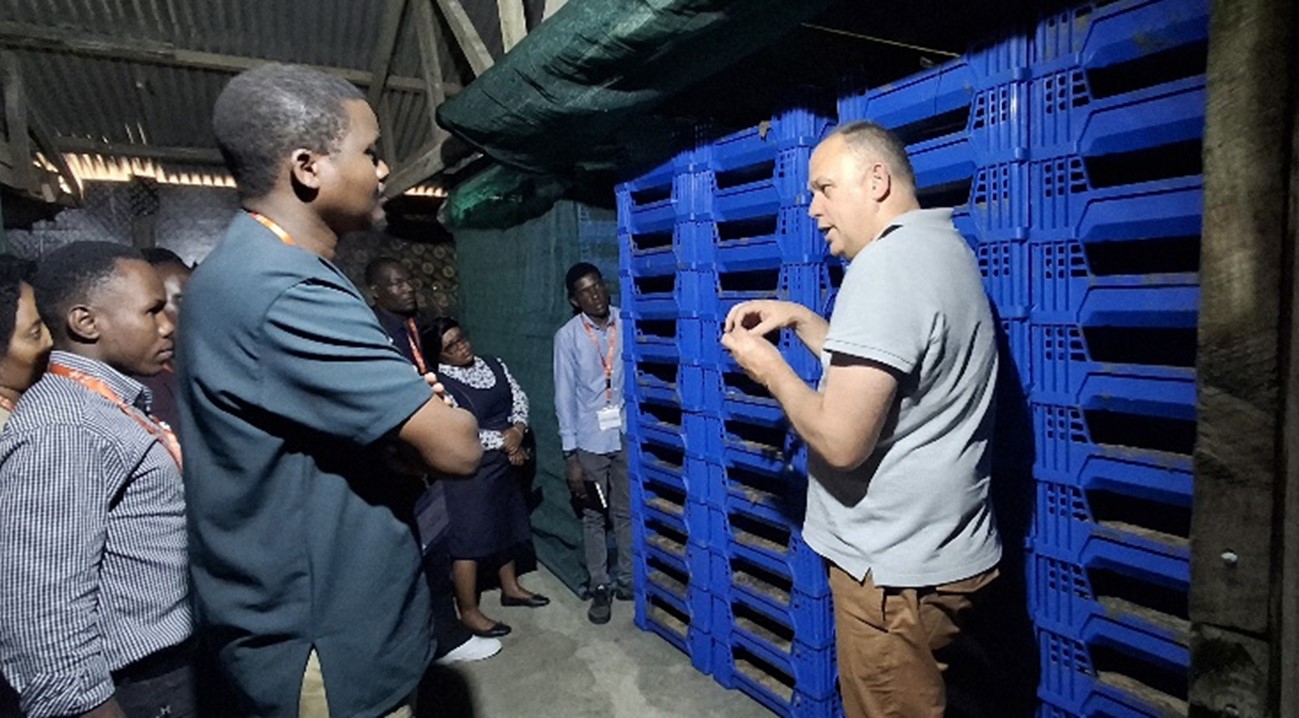
In July 2025, two meetings were convened in Limuru, Kenya, and Dar er Salam, Tanzania, to introduce the BSFL project and receive input from partners and stakeholders. Together, the inception meetings in both countries convened about 60 participants from research, academia, central and local governments, private sector feed producers, BSFL producers, and regulators. Activities included project site visits to observe the technologies that are being trialed and see sample products.
At the meeting in Limuru, ILRI director general Appolinaire Djikeng noted the importance of the project, as it aims to address one of the major challenges in livestock productivity.
Poor animal health, poor genetics and limited access to affordable and good quality feed are the key barriers to optimal livestock production in Africa” he said.
In Dar es salaam, Edwin Mhede, deputy permanent secretary in the Ministry of Livestock and Fisheries, noted the high cost of animal feeds and significant shortfall of supplementary feeds by approximately seven million tonnes of per year. A stakeholder analysis conducted in both countries revealed several ongoing activities in the BSF sector at different levels such as research, production and supply of neonates as well as production of larvae for human and livestock feed production.
Testing innovations
The project will be implemented in three phases. Phase 1 involves generating evidence on whether the BSF technologies (neonates from BSF breeding and pocket technology) work in the local production systems of the multiplier companies; phase 2 will focus on expansion of BSFL production by BSF breeding to supply neonates to the selected multiplier companies based on the lessons from phase one; while phase 3 will entail feed trials to assess impact of BSFL diets on livestock and fish productivity; frass trials to assess impact of BSFL frass on forage yields and exploration of a joint venture with BSF breeding.
To optimize BSF production, the pocket system/technology developed by the South African-based BSF Breeding company will be trialed and compared with the current systems used by the multiplier companies under controlled experiments - i.e. deep litter system in Tanzania and crate system in Kenya. The organic waste streams (substrates) currently being used by the multiplier companies to grow the larvae will be used during the trials.
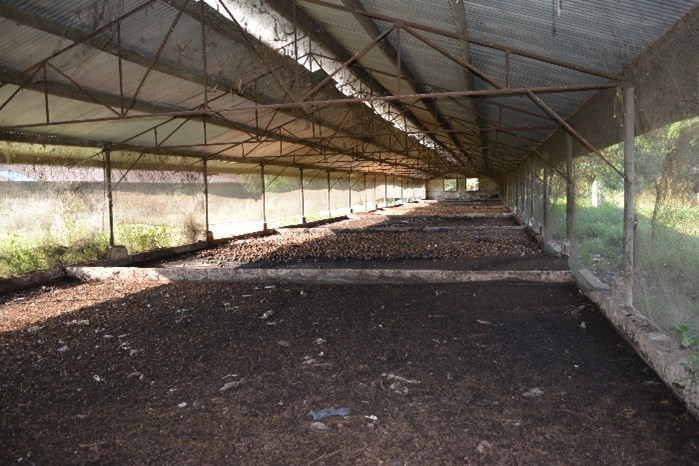
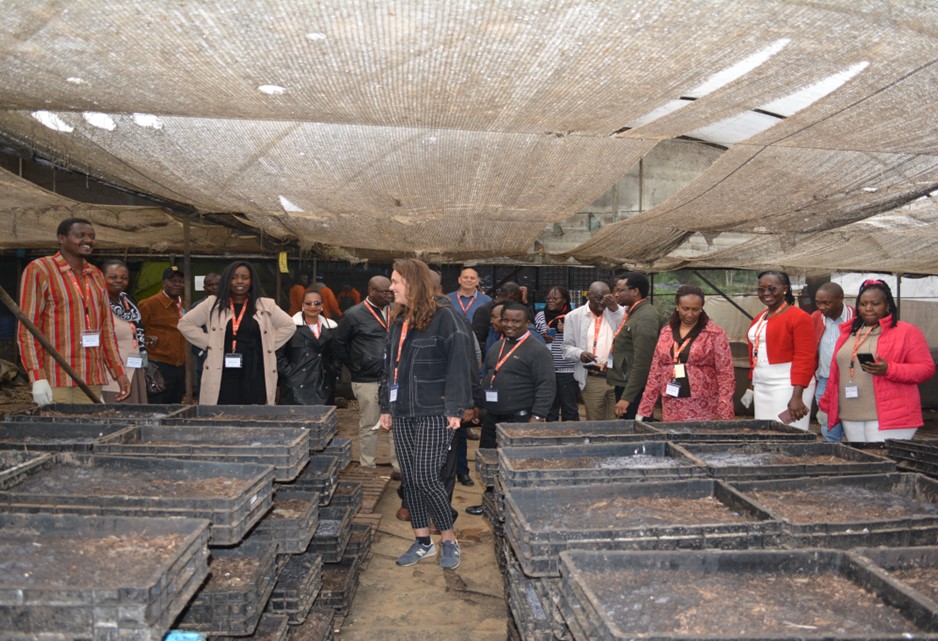
The collaborative four-year project is being implemented in Thika, Kenya (with Insecti-Pro), and Dar es salaam, Tanzania (with Chanzi Limited), and is led by the International Livestock Research Institute (ILRI). The PAFIE- BSFL project is funded by The Gates Foundation.


Related Publications
Effects of Thymus vulgaris, Euphorbia hirta, and Allium sativum as phytogenic feed additives on nutrient digestibility, gut microbiota, and performance of Kabir chickens in Cameroon
Qualitative identification of Pioneer Positive Deviant households for animal health and feed/forage management in Afar, Ethiopia