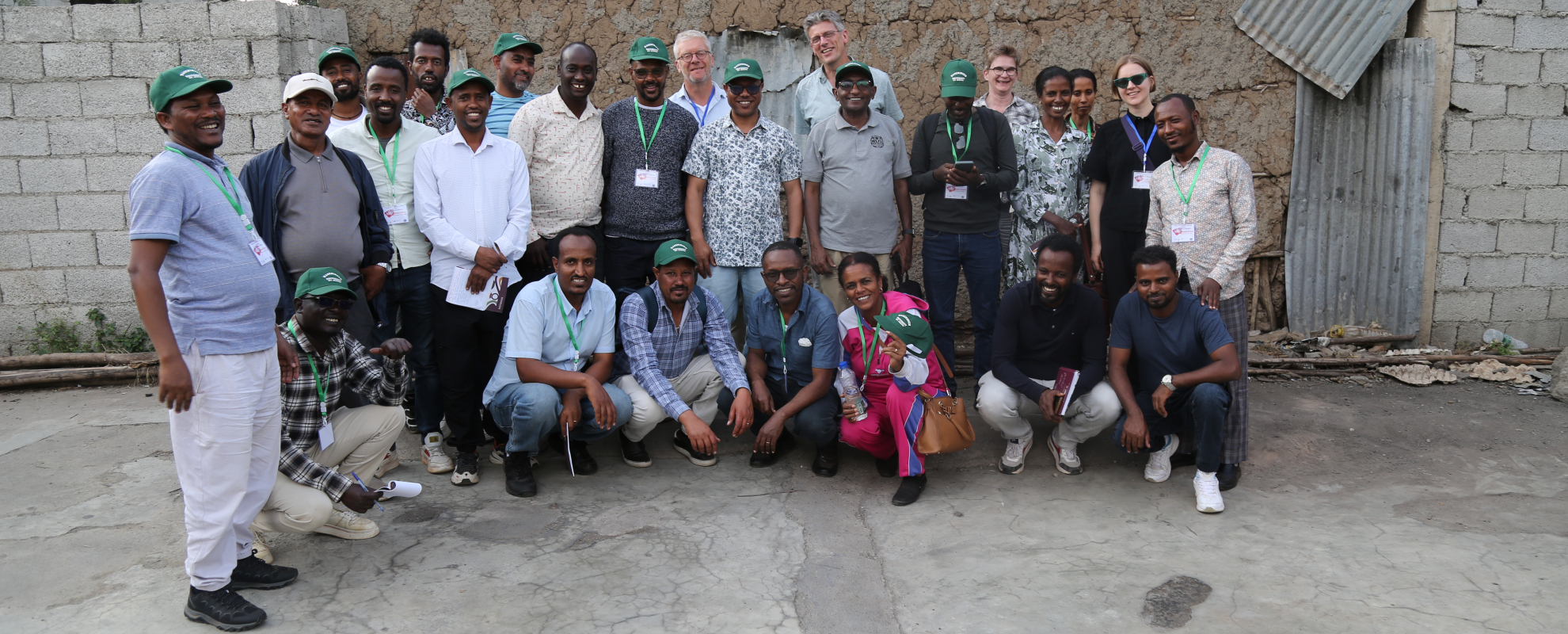
Tropical livestock systems course equips researchers to advance Ethiopia’s dairy sector
Kefale Eniyew, a PhD candidate at the University of Gondar, is studying agroecological transition pathways in dairy systems under Ethiopia's extension services. These pathways are the steps farmers and communities take to shift from conventional livestock production toward more sustainable systems, balancing the need for food security and improved livelihoods with the long-term goals of climate resilience.
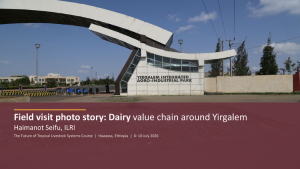
When Kefale joined an international course on tropical livestock systems in Hawassa, Sidama Region, the lessons complemented his academic focus. A field visit to the dairy value chain around Yirgalem in southern Ethiopia made that connection tangible, linking classroom theory with the realities of milk production, processing, and marketing.
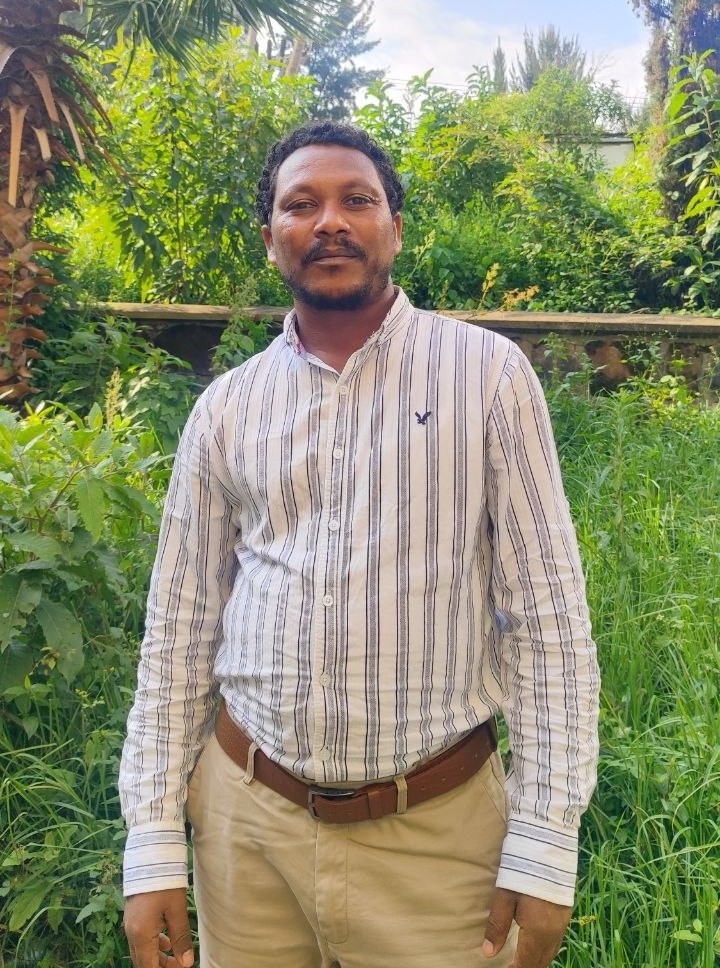
“We visited a commercial farm, a milk processing factory, a smallholder cooperative, and an agro-livestock input dealer. All these stops offered a clear picture of how the dairy value chain operates in practice, showing both the opportunities for growth and the challenges faced every day,” Kefale said.
Laying out a strategy
Ethiopia has the largest livestock population in Africa. The sector feeds families, creates jobs, and generates export earnings. Yet it stands at a crossroads. Expanding production to meet rising demand for animal-source foods risks increasing emissions and straining resources. At the same time, millions of smallholder households depend on livestock for their livelihoods.
Designing a way forward requires more than technical fixes. It calls for systems thinking; understanding how economic, environmental, and social drivers interact, and which priorities shape the response. This was the central theme of the weeklong course, “The future of tropical livestock systems”, held in Hawassa on 6–10 July 2026.
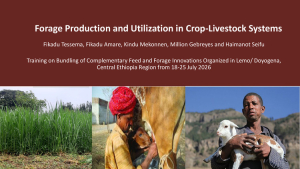
Over the five days, Kefale was one of 18 PhD candidates selected from universities across Ethiopia along with one postdoctoral researcher from Germany who engaged with lectures, expert talks and case studies covering five broad subject areas: mixed crop–livestock systems, sustainable transition pathways, integrated sustainability assessment, and social inclusion, with a focus on gender and youth.
The program opened with an introduction to systems thinking, system boundaries, components, interactions, and feedback loops. Other sessions examined dairy development at farm, value chain, and sector levels, reflecting on colonial legacies in livestock development. Climate interventions, scaling approaches, and system modeling rounded out the curriculum. Alongside lectures, participants worked in groups to analyze real livestock systems, debated sustainable development pathways, and reflected on how the material applied to their own research.
Exploring the dairy value chain
The field visits brought theory to life. JoJo, a milk processor in Yirgalem’s industry park, was the first stop. The Chinese-owned factory sources its milk locally but relies on imported sweetening ingredients. Despite having the capacity to process more than 10,000 liters of milk per day, the factory collects only around 1,200 liters daily due to the current fuel shortage.
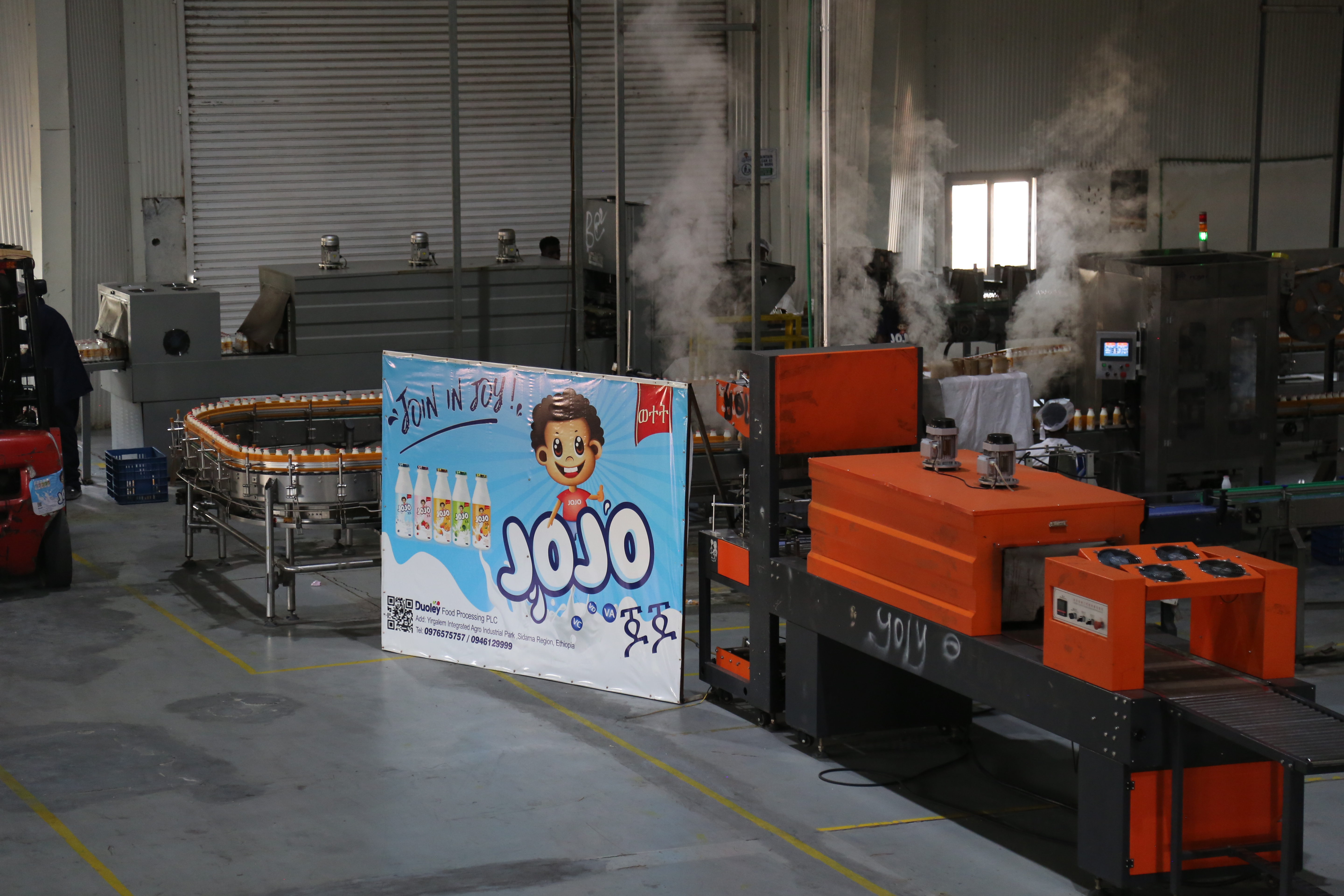
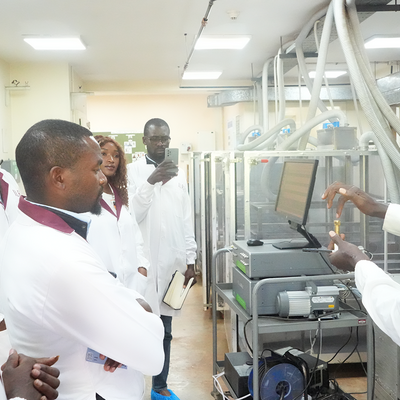
Inside JoJo's milk processing plant. Photo credit: Haimanot Seifu/ILRI
At Sina Hara Cooperative, 450 members, including 175 women, supply milk that is quality-tested twice; at collection and again on arrival at the cooperative. With support from the government, USAID, and SNV, the cooperative provides processed feed, milk containers, cooling facilities, training of milk collectors, and links to artificial insemination (AI) and animal health services. Previously, it supplied Shola Milk, a major dairy processor in Addis Ababa, but the contract was cancelled due to the fuel shortage. Sina Hara now supplies around 500 liters a day to local restaurants and hotels.
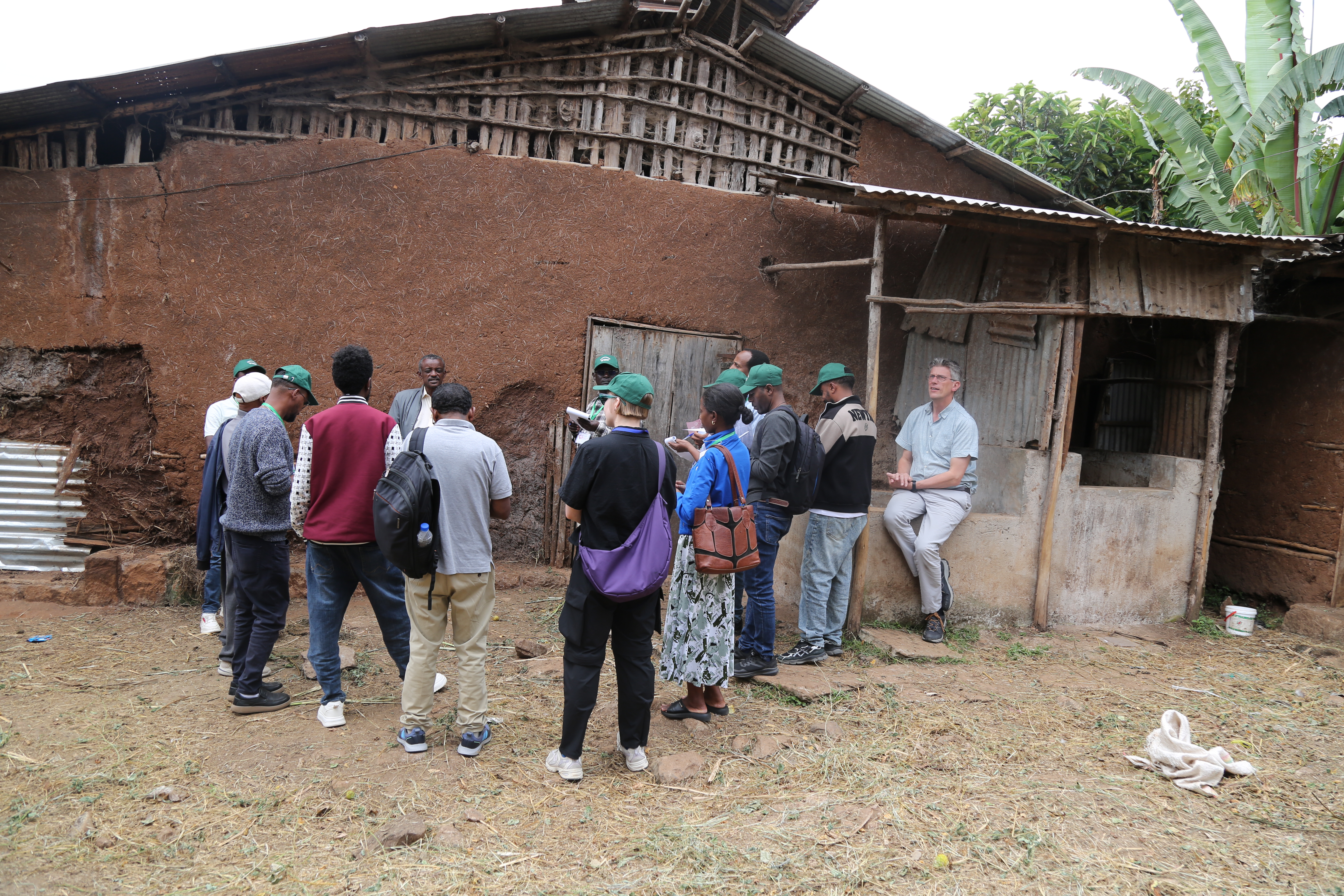
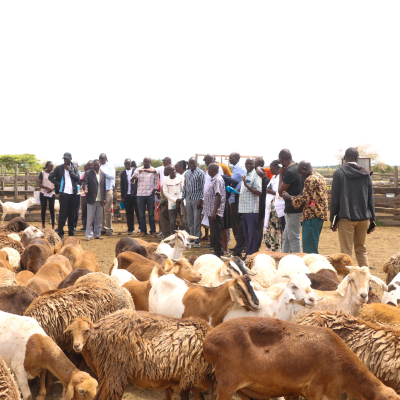
Participant speaks with Desalegn Tilahun, a commercial dairy farmer. Photo credit: Haimanot Seifu/ILRI
Participants then visited Ato Desalegn Tilahun, a commercial dairy farmer who started with two calves and two Holstein cows in the early 1990s and has grown his flock to 22 Holstein cows, each averaging 18 liters of milk a day. Feed is his largest production cost, at USD 1,290-1,935 a year, with prices ranging from USD 41.9 to 48.4 per 0.1 ton of compound feed depending on the supplier.
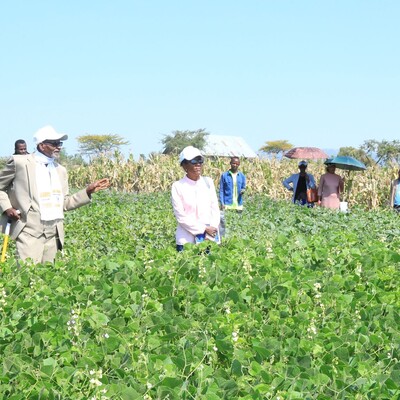
At a dairy farmers' school in Mesincho Kebele, around 18 farmers meet monthly to work through a 14-topic curriculum covering cow comfort, watering, reproduction management, calf and colostrum management, and clean milk production. Their sessions are complemented by home visits and voice message reminders.
The field visit ended at a livestock input dealer on the outskirts of Hawassa, run by a Hawassa University animal science graduate supplying mixed rations, silage-making materials, and veterinary products across the Sidama region and parts of Oromia. Across the value chain, participants heard recurring concerns: rising feed and forage costs, water scarcity, low farm-gate milk prices, demand fluctuation (particularly during fasting periods), fuel shortage affecting transportation of milk to the market, and the rising cost of improved dairy cows (over USD 1,800).
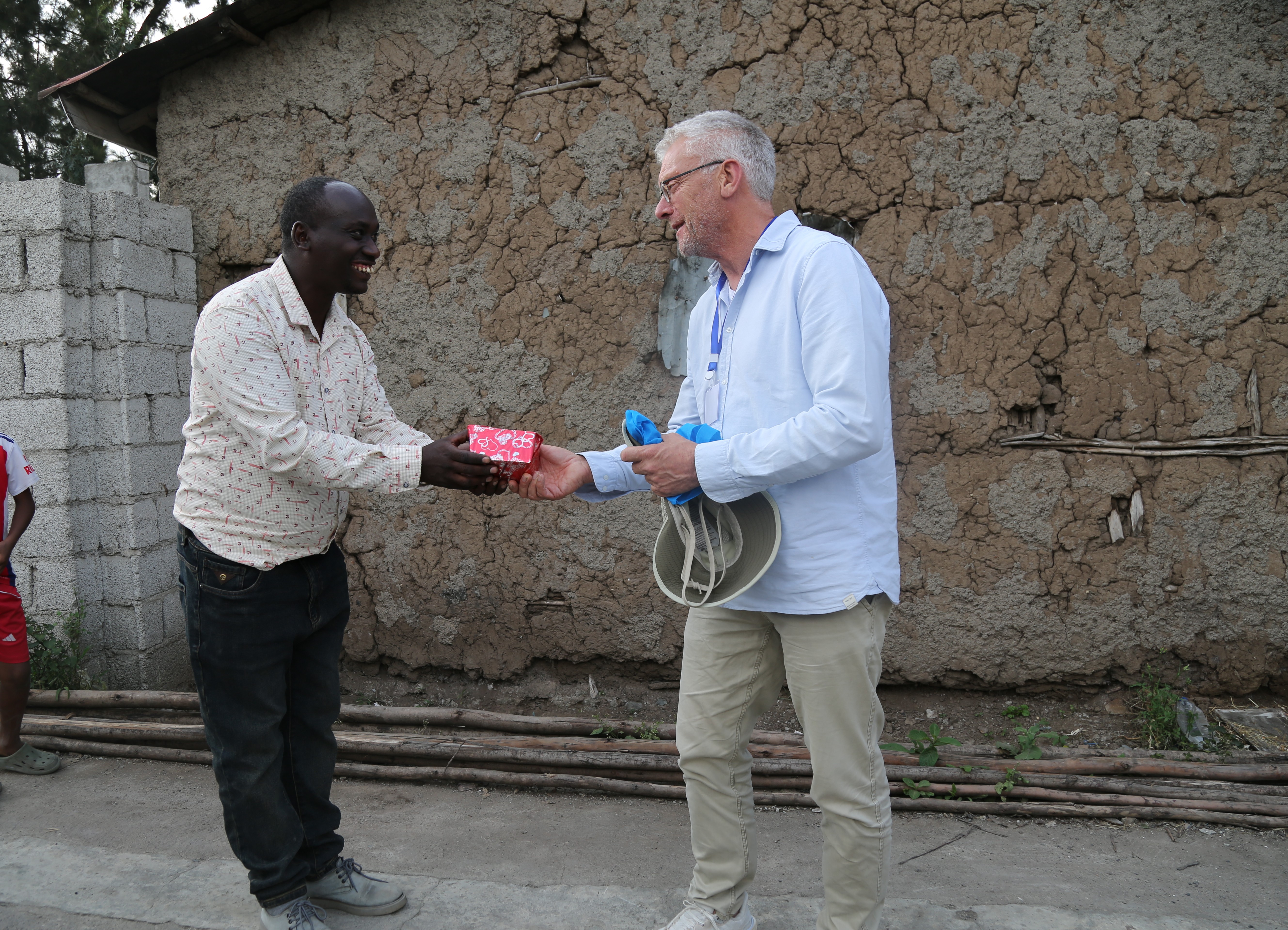
The visiting delegation and the local agro-dealer exchange a token of appreciation at the close of the visit. Photo credit: Haimanot Seifu/ILRI
Strengthening capacity and collaboration
For Hawassa University, hosting the course reinforced an existing partnership with co-organizers Wageningen University & Research and the International Livestock Research Institute (ILRI). It also underscored the university’s role in nurturing talent, with three of the 19 selected PhD candidates coming from Hawassa.
“The course also revealed gaps in Ethiopian PhD and MSc curricula, particularly around livestock system modelling. Organizers are discussing whether to make this course an annual offering, paired with joint research projects on priority livestock issues,” said Sintayehu Yigrem, associate professor at Hawassa University and one of the resource experts.
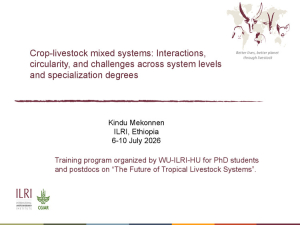
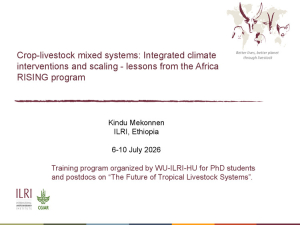
The course aligns with ILRI’s 2024–2030 strategy on partnership, capacity development, and scaling research into impact. Kindu Mekonnen, a senior scientist at ILRI who led sessions on concepts central to mixed crop–livestock systems and crop–livestock integration for climate action, noted: “Crop–livestock integration lies at the heart of climate-smart transitions in tropical livestock systems. Training the next generation of researchers with systems thinking is key to translating science into impact.”
By bringing researchers face to face with farmers, cooperatives, and businesses, the course showed how knowledge and community can work hand in hand. This training is vital for Ethiopia’s dairy industry, equipping the next generation of scientists to strengthen a sector that sustains livelihoods and food security across the country.
Acknowledgment
The Future of Tropical Livestock Systems course was organized by Wageningen University & Research, the International Livestock Research Institute (through Livestock, Climate and Environment (LCE) and Policies, Institutions and People (PPI) programs) and Hawassa University.
Further readings
https://hdl.handle.net/10568/183918
https://hdl.handle.net/10568/183918
https://hdl.handle.net/10568/183921
https://hdl.handle.net/10568/183922
https://hdl.handle.net/10568/183912