Viet Nam outlines food safety priorities for 2026–2030 under One Health framework
Viet Nam has outlined key food safety priorities for the 2026–2030 period at the 4th meeting of the Food Safety Technical Working Group (FSTWG), a specialized coordination mechanism operating under the Vietnam One Health Partnership for Zoonoses (OHP).
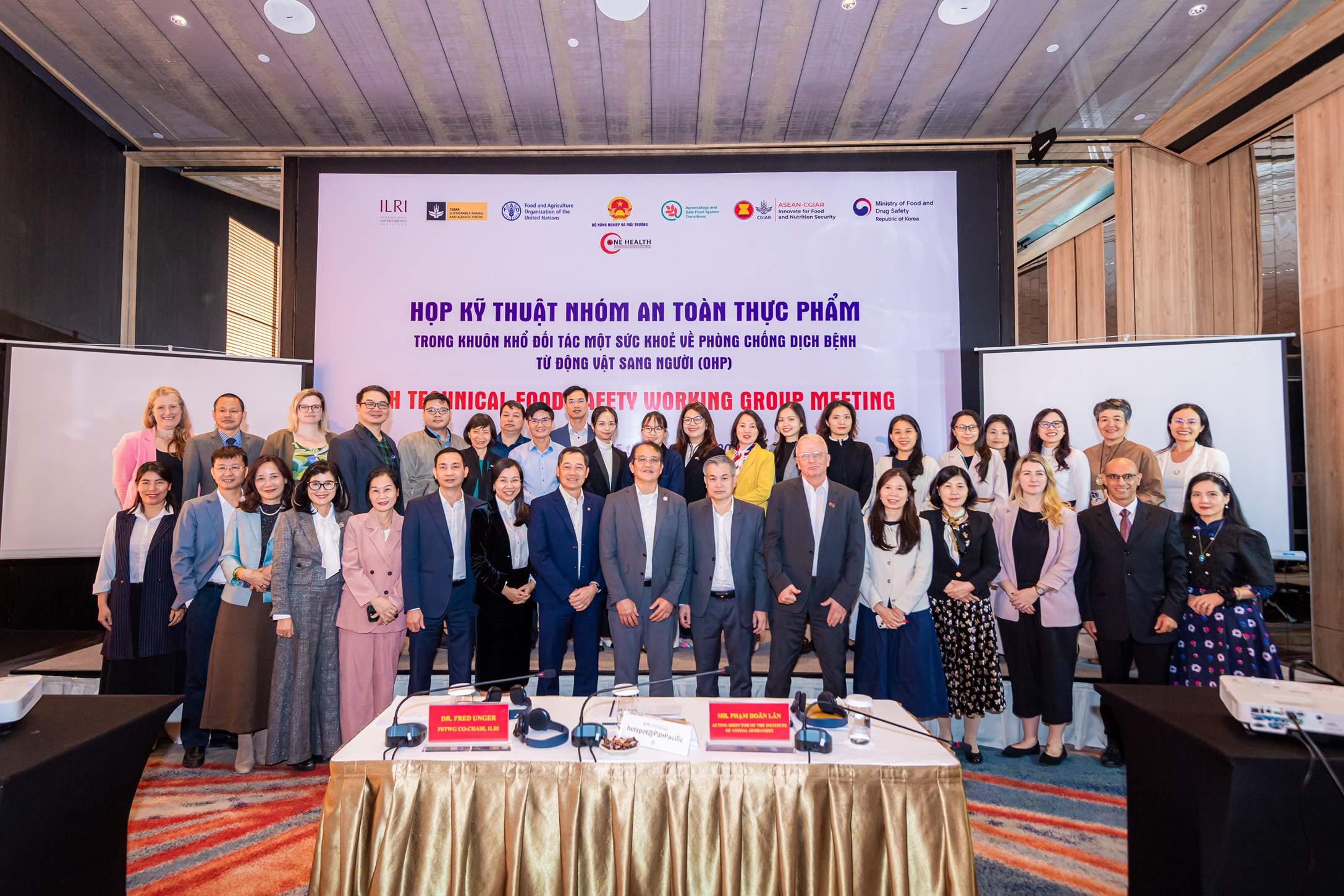
The meeting, organized on 5 December 2025 in Hanoi, brought together representatives from the Ministry of Agriculture and Environment, the Ministry of Health, the Ministry of Industry and Trade, international organizations, research institutes, development partners, private sector actors, and Departments of Agriculture and Environment from 21 provinces and cities. The event took place in the context of the 10th anniversary of the FSTWG, Viet Nam’s first multi-sectoral technical platform dedicated to food safety within the One Health framework.
Food safety reaffirmed as a key priority
Discussions reaffirmed that food safety remains a key priority within Viet Nam’s One Health agenda because of its direct impact on public health, trade, and the long-term sustainability of food systems. Participants noted that foodborne illnesses are on the rise, while antimicrobial resistance (AMR), stricter food safety requirements from major export markets such as the EU, Japan, and the United States, and rapid changes in food supply chains are creating growing challenges for food safety management.
Participants agreed that these challenges call for a more risk-based and science-driven approach, with better coordination and stronger monitoring and actions across the entire food chain, from farm to table.
A decade of progress and cooperation
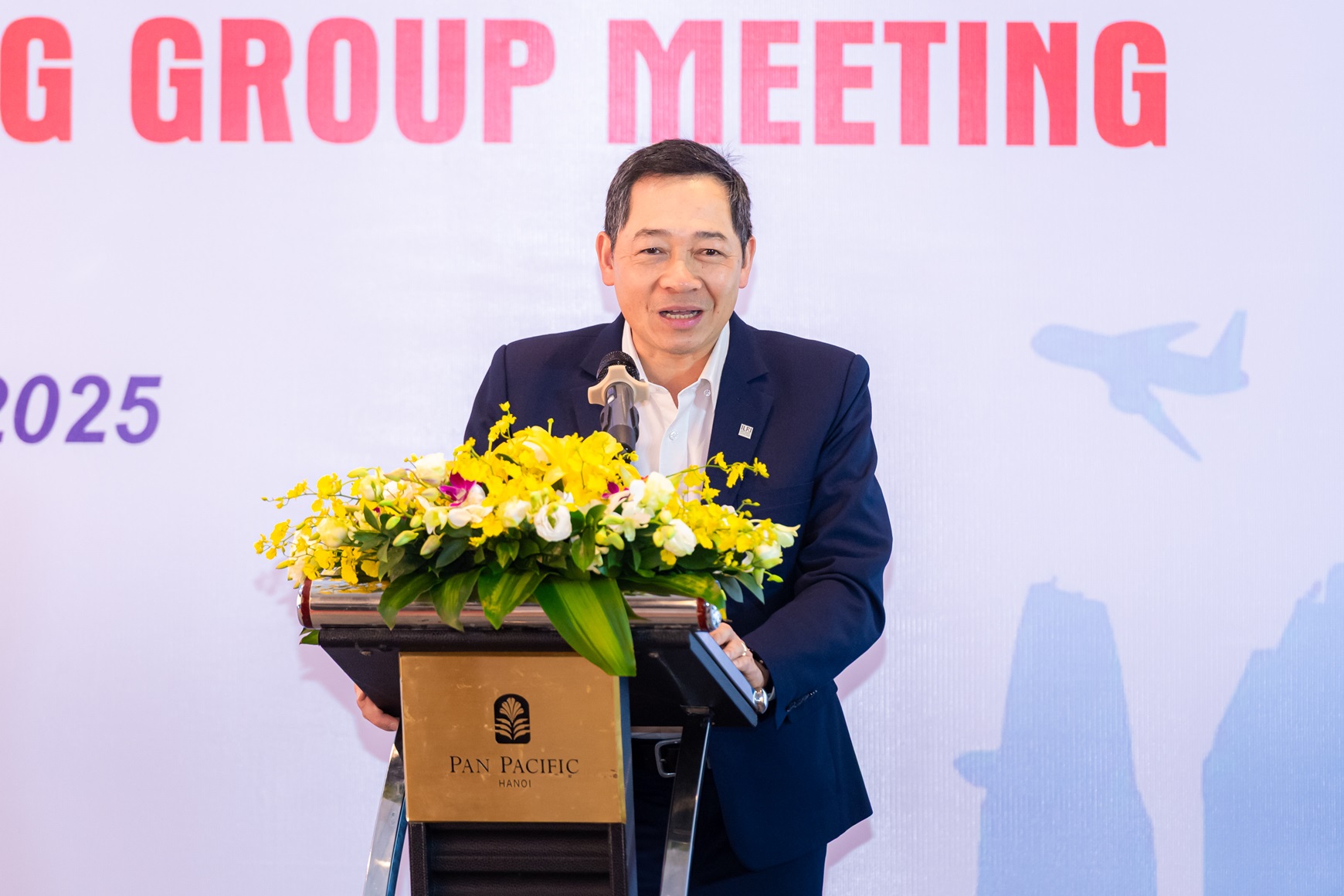
Speaking at the meeting, Hung Nguyen, regional director of the International Livestock Research Institute (ILRI) in Asia, highlighted the FSTWG’s development over the past decade into an important national forum for information sharing, intersectoral coordination, and policy dialogue on food safety.
He linked this progress to several key milestones, including the Vietnam Food Safety Risk Management Report published in 2017 by the World Bank with technical support from ILRI; major donor-funded initiatives supported by Canada, IFC, and New Zealand; the Livestock Competitiveness and Food Safety Project (LIFSAP); large-scale food safety research programs; reforms in food safety governance; and, most recently, the establishment of the Vietnam Food Safety Risk Assessment Center (VFSA) under the National Institute for Food Control (NIFC).
According to Hung Nguyen, the 4th meeting provided an important opportunity to define priorities for the next phase of the FSTWG, with a focus on improving the legal framework, strengthening surveillance and laboratory systems, expanding value chain interventions, improving data sharing, and enhancing public–private cooperation.
Five priorities for the 2026–2030 period
Based on a review of current challenges and implementation experience, FSTWG members agreed on five priority areas for the 2026–2030 period. These include modernizing the food safety legal framework in line with international standards; strengthening surveillance and laboratory capacity for foodborne pathogens, antimicrobial resistance (AMR), and whole genome sequencing (WGS); expanding risk-based and value chain-based management models, particularly in traditional markets and small-scale slaughterhouses; enhancing communication and awareness to build a stronger food safety culture; and promoting public–private partnerships while mobilizing international resources.
Strengthening science, data sharing, and partnerships
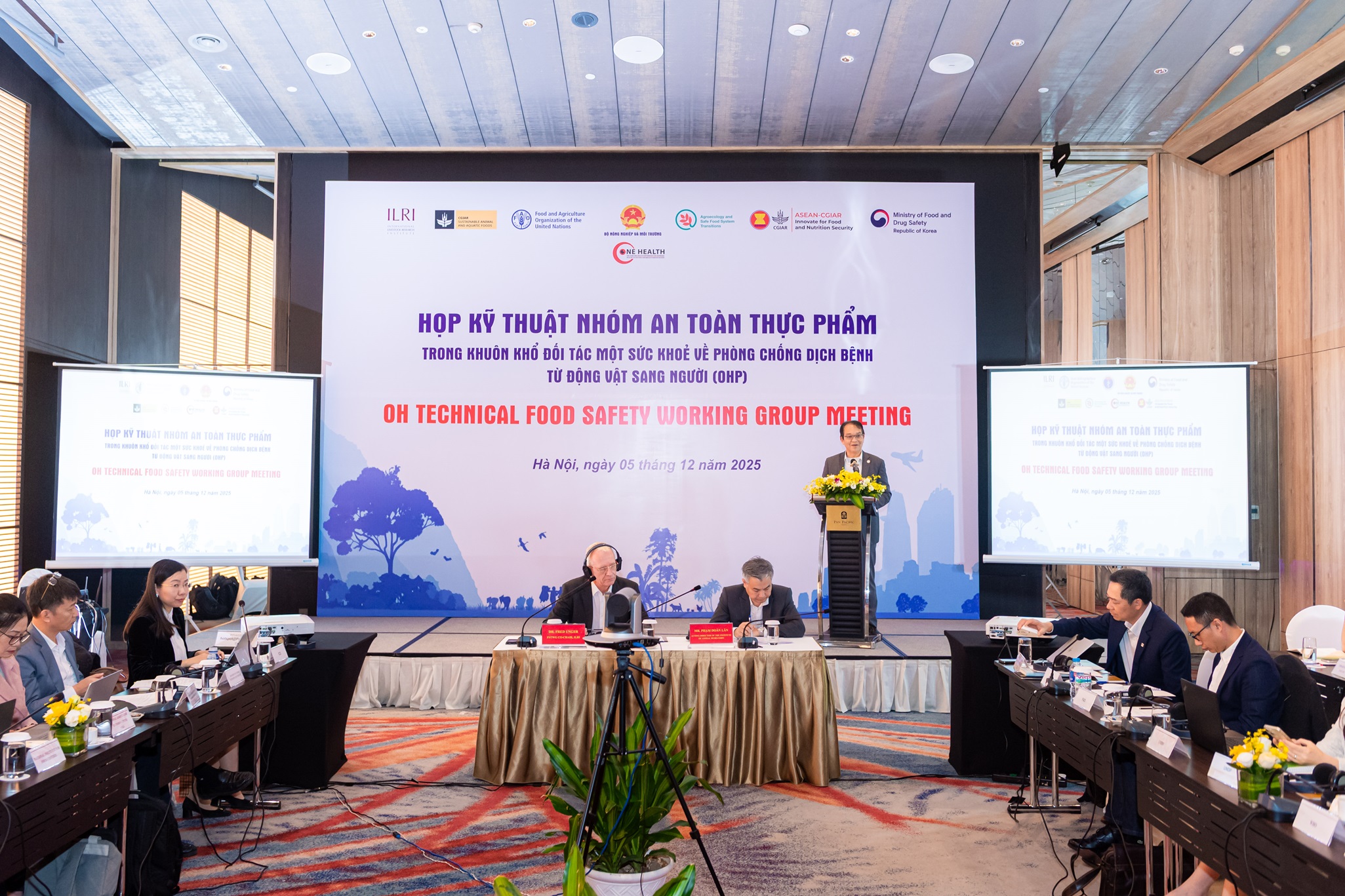
Presentations at the meeting highlighted the increasing role of science and evidence in food safety management. Representatives from the NIFC reported that the VFSA has officially begun implementing national food safety risk assessment projects in 2025, providing scientific evidence to support regulatory decision-making.
From FAO, Pawin Padungtod, senior technical coordinator, assessed that the FSTWG has grown from a modest coordination mechanism into a dynamic, multi-stakeholder technical community with clear influence on Viet Nam’s food safety policies. While acknowledging progress in adopting risk-based approaches and strengthening surveillance, he pointed to emerging challenges related to AMR, climate change, urbanization, and changing production patterns. FAO reaffirmed its continued cooperation with the Vietnamese Government to improve food safety and hygiene in pork and poultry supply chains, strengthen hazard assessment and management, and enhance risk communication.
Next steps
In his closing remarks, Pham Doan Lan, acting director general of the National Institute of Animal Sciences (NIAS) and co-chair of the meeting, emphasized that the discussions had identified priority directions for the coming period and reaffirmed food safety as a core pillar of the One Health Partnership.
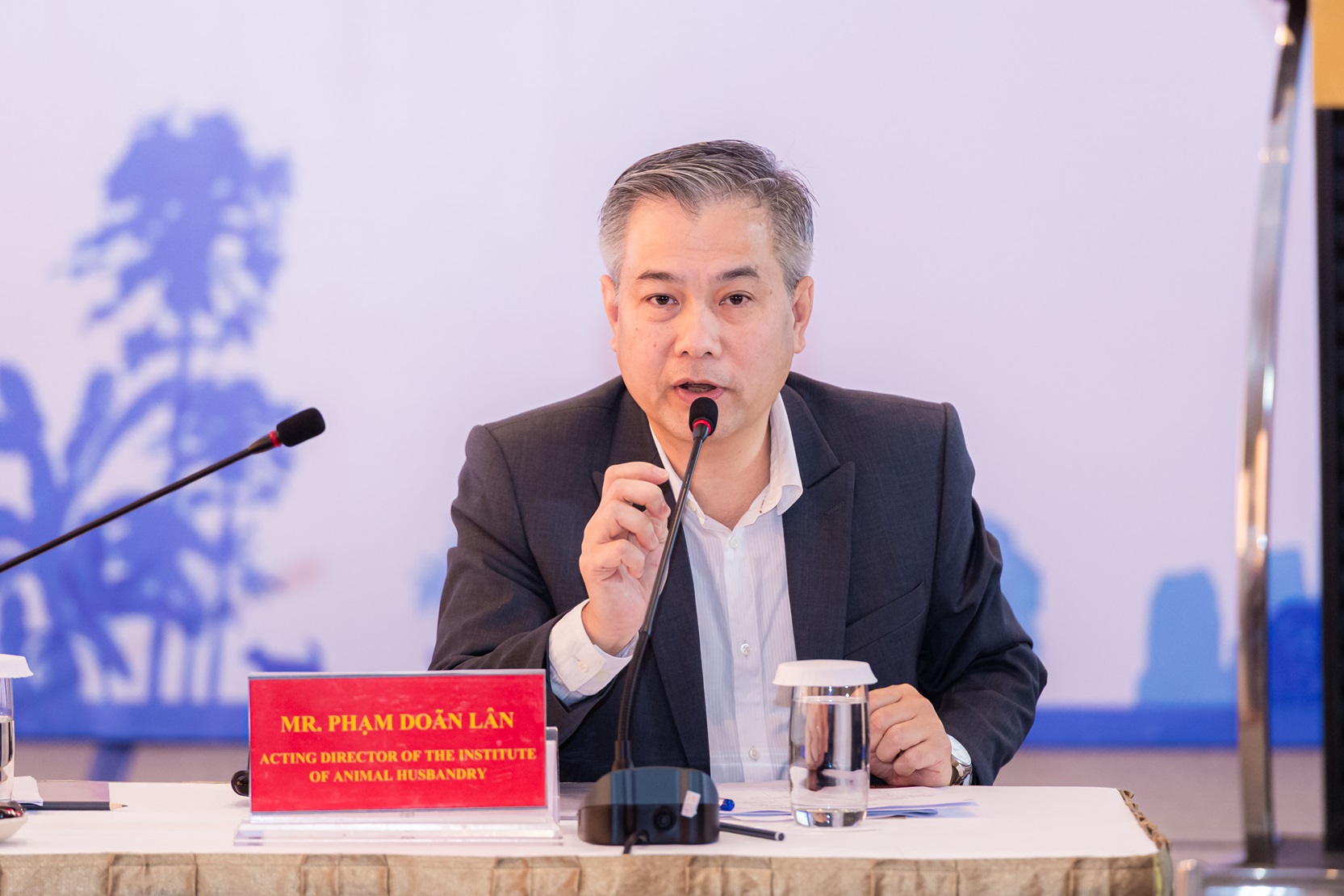
“In the 2026–2030 period, food safety efforts must be more strongly based on risk assessment, science, and data, with close coordination among sectors and along the entire food chain,” he said.
He also stressed the importance of stronger public–private cooperation, greater engagement of local authorities, and continued support from international partners to ensure that food safety interventions are practical, sustainable, and scalable.
Participants agreed that the 5th FSTWG meeting is expected to be convened between January and June 2026, focusing on reviewing the implementation framework for the 2026–2030 food safety plan and selecting priority technical topics aligned with practical needs at both national and sub-national levels.
The meeting was supported by funding from the Agroecology and Safe Food Systems Transition in Southeast Asia (ASSET) Project, the ASEAN–CGIAR Innovate for Food and Nutrition Security Regional Programme, the CGIAR Science Program on Sustainable Animal and Aquatic Foods (SAAF), and the Ministry of Food and Drug Safety of the Republic of Korea.
Read more
Integration of a technical working group to strengthen food safety framework in Vietnam
Lack of standards for Salmonella control in livestock production