When Science Meets Climate Resilience: Reimagining the Future of Livestock Farming
As droughts get longer and temperatures rise, livestock keepers need animals that stay productive under stress and feed that holds up when the rains fail. At the International Livestock Research Institute (ILRI)'s Kapiti Research Station and Wildlife Conservancy in Kenya, researchers are working on both.
ILRI's Livestock Genetics, Nutrition, and Feeds Resources team is developing hardier sheep and nutritious, climate-resilient forages such as alfalfa (lucerne) and sorghum. The goal is to increase productivity, keep animals healthy, and secure a reliable feed supply. At the same time, the work helps farming systems adapt to climate change and shrink their environmental footprint.
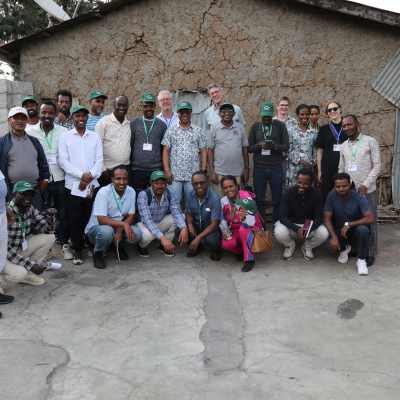
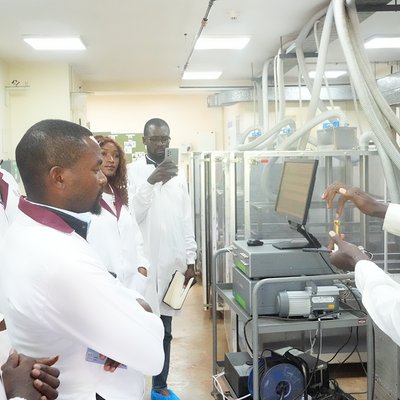
During a visit to Kapiti, Dr. Samuel Thevasagayam, Director of Livestock at the Gates Foundation, underscored the timeliness of these innovations. As weather becomes increasingly unpredictable, a resilient future for livestock production will depend on sustained investment in improved breeds, climate-resilient feed varieties, and practical solutions for farmers.
“Genetic work on small ruminants and feed is super exciting,” he said. "Combining genetics and animal nutrition together is optimizing return on investment.”
Testing feeds at scale
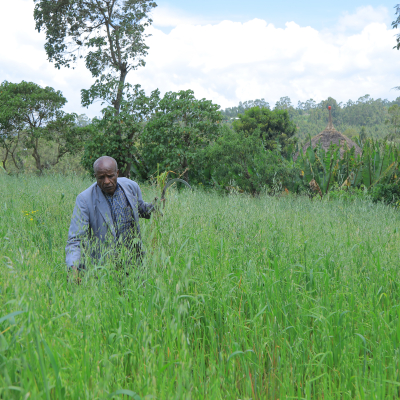
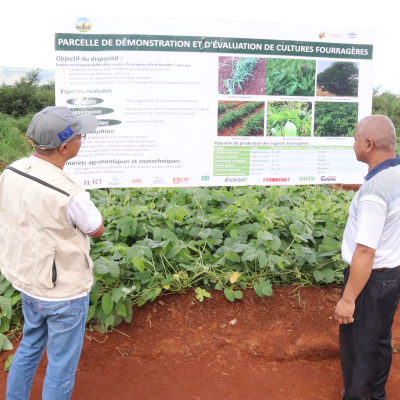
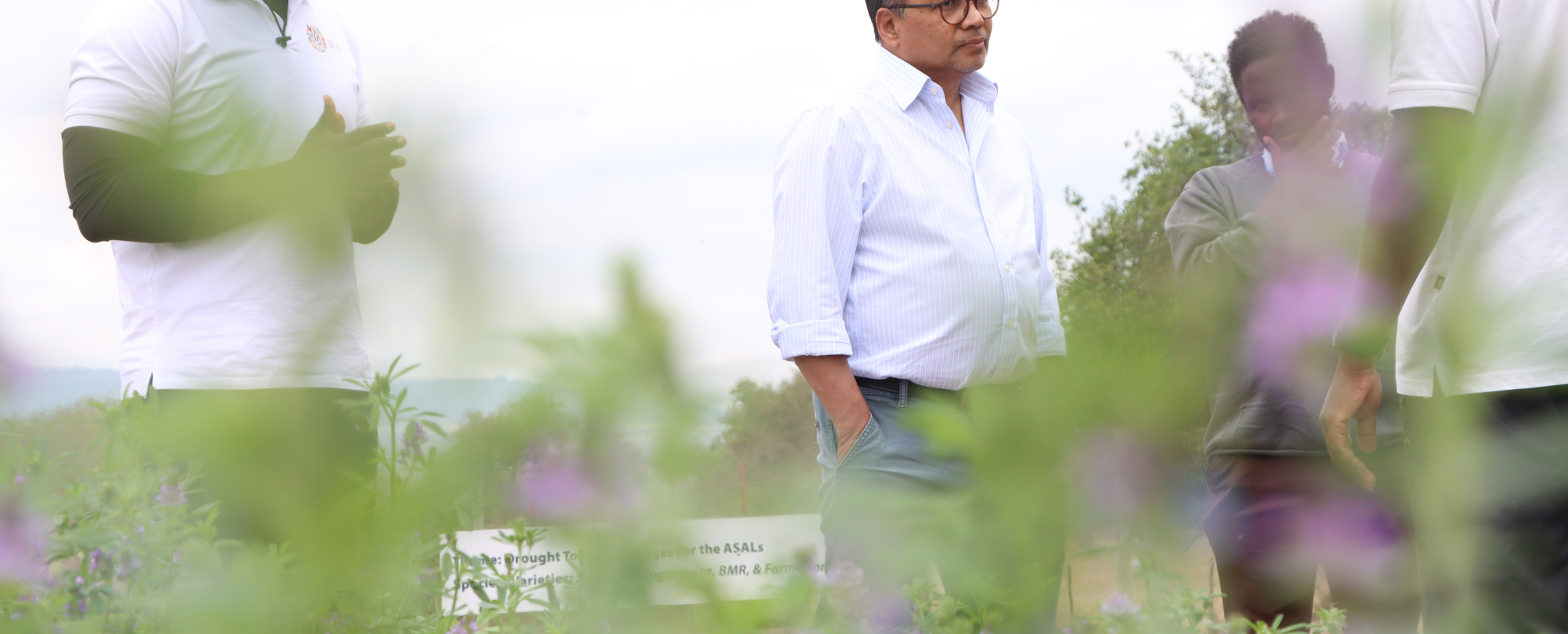
Kapiti’s forage demonstration plots let researchers work out what improved varieties need at scale: the agronomic and economic requirements and the machinery involved.
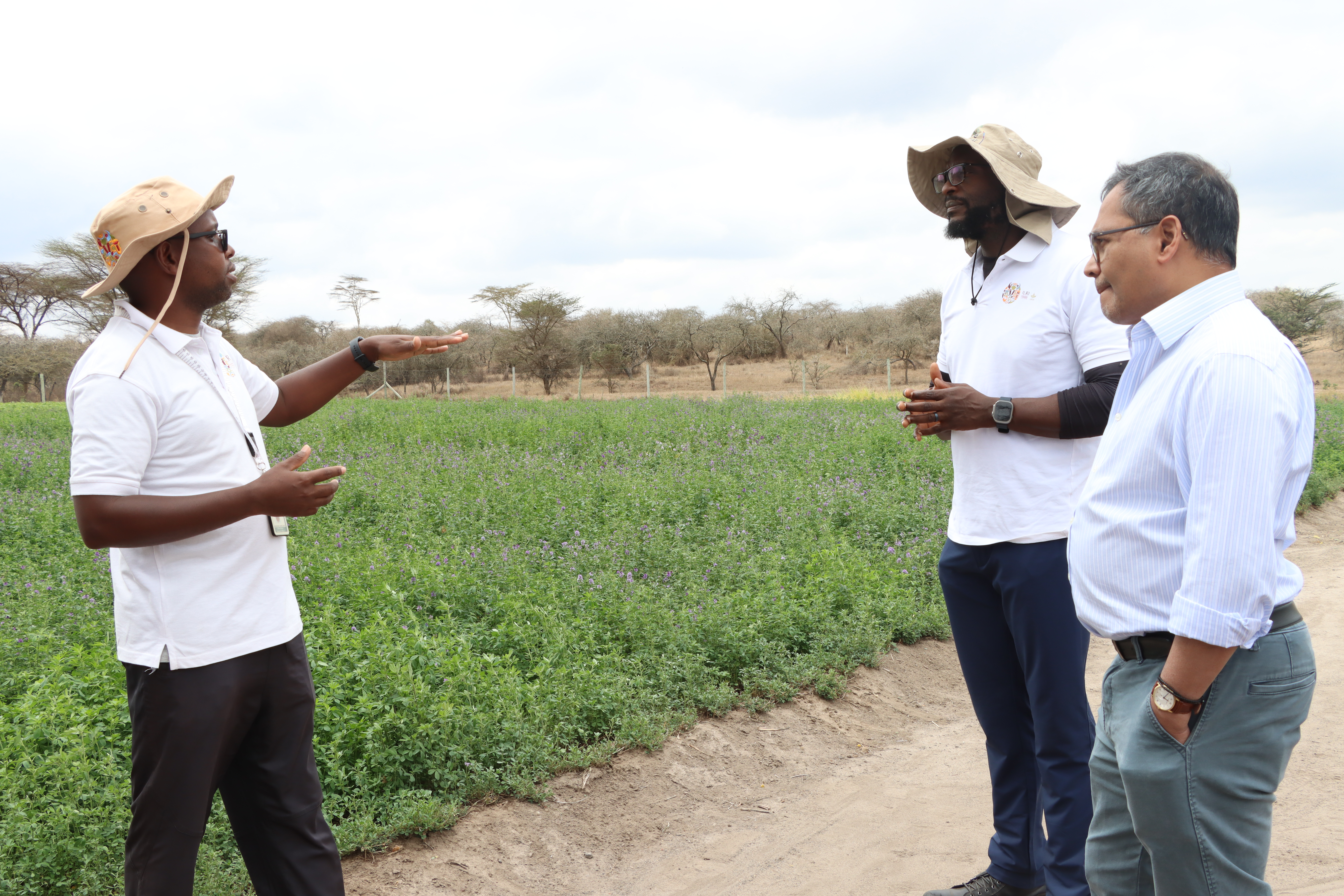
“Data from the demo plots helps to advice all those who adopt these varieties what works for their environments, and how to take care of the variety that a farmer, aggregator or cooperatives chooses to work with," said Collins Mutai, research officer at the International Livestock Research Institute.
Breeding a hardier sheep
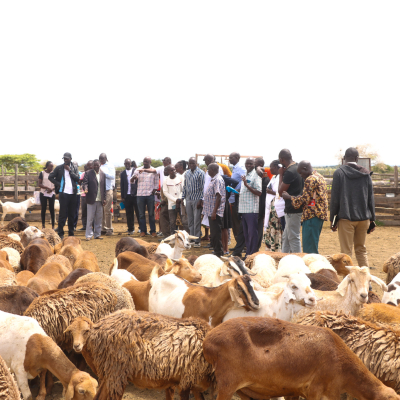
Beyond improved feeds, another promising development at Kapiti is the effort to combine the best traits of two sheep breeds to strengthen livestock productivity and resilience. It is a cross breed between the Dorper and the Red Maasai.
The Dorper is a sheep was developed in Southern Africa in the 1940s by crossing the Dorset Horn and the Blackhead Persian breeds. Dorper sheep have a striking appearance, with black heads and white bodies. The breed features a thick, well-muscled carcass and a long period of fertility, which comes from its Dorset forebears.
The Red Maasai is native to East Africa. Red Maasai flocks are kept by both pastoralists and smallholder farmers in Kenya, Tanzania, and Uganda. The breed is a fat-tailed hair sheep, which does not produce wool and is mostly raised for meat. Though less prolific than some other East African breeds, they are prized for their dry resilience and relative strength against internal parasites.
By combining the traits of these two breeds, the Dorper-Red Maasai achieves faster growth rate and weight gain. It produces more meat and has better carcass quality. It also enjoys a significantly improved resistance to internal parasites and diseases and has better adaptability to harsh and dry environments. Increased lamb survival rates, better feed utilization and hardiness as well as improved reproductive performance are other wins associated with the Dorper-Red Maasai.
Getting the breeding strategy right
According to Edwin Oyieng, an ILRI small ruminant expert, crossbreeding offers an opportunity to produce heavier sheep and increase meat production, but success depends on choosing breeds suited to local conditions.
"The challenge is to improve productivity without compromising the animals’ ability to survive and reproduce in harsh environments," he say. "This requires combining better breeding with good nutrition, animal health care, and management to deliver lasting benefits for farmers."
From research station to farm
As he concluded his tour at Kapiti, Dr. Thevasagayam raised the need to invest in both the science and distribution of this knowledge to everyone along the entire livestock value chain.
“Ultimately, the promise of climate-resilient livestock farming lies not only in developing better breeds and more nutritious feeds, but in ensuring that these innovations reach the farmers who need them most. By combining scientific evidence, sustained investment, and effective knowledge sharing, ILRI and its partners are working to bridge the gap between research and real-world impact."
For livestock keepers facing increasingly unpredictable weather, the goal is clear: healthier animals, more reliable feed supplies, improved productivity, and stronger livelihoods. Investing in livestock science today can help farming communities do more than survive climate pressures; it can help them thrive.