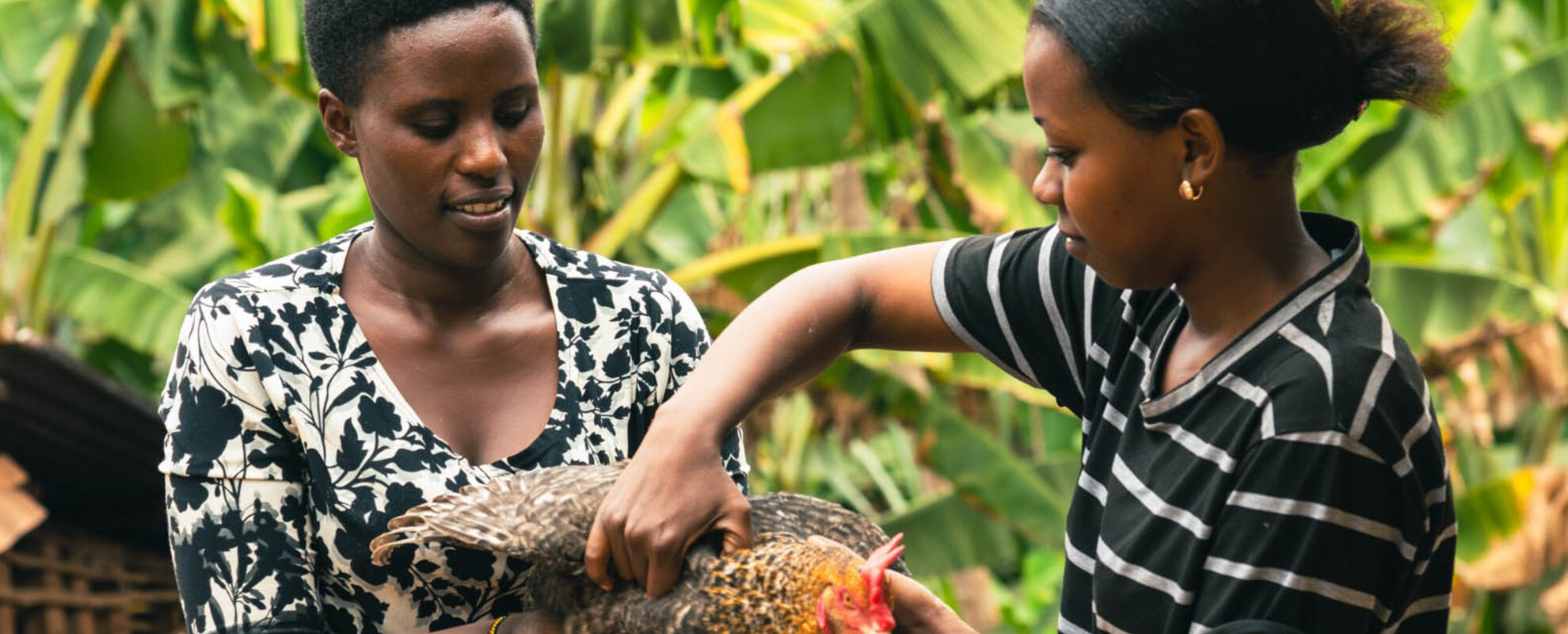
Gender dynamics and norms affect livestock development. They shape the division of labour needed in a household to rear livestock; who can engage in a given job or training opportunity; who has assets or decision-making power needed to adopt livestock innovations or respond to disease outbreaks or economic shocks; and who can benefit from new income-generating opportunities. Gender dynamics and norms affect the effectiveness of a livestock intervention and the equity of its impact. Women generally, are the least empowered farmers: they have limited resources, decision-making, and access to inputs and markets compared to their male counterparts. They are often not recognized as farmers or livestock keepers in the same way as their male counterparts. At the same time, they are the majority of poor livestock keepers. If women in livestock systems remain disempowered, then livestock systems will not progress. We need women’s empowerment for livestock systems to thrive. We need livestock in turn, to support women’s empowerment.
This subtheme identifies, designs, and tests interventions that make livestock systems accessible and beneficial for everyone (across gender and other individual chacteristics) by responding to gendered needs and opportunities. Our team collaborates with livestock and forage geneticists, animal health and climate experts among others, to integrate gender considerations in their work so that their innovations benefit everyone in the household and communities and are therefore adopted. At the same time, our team studies what interventions - that intentionally address gender-based disadvantage - effectively support the empowerment of women and ensure that women and men have the same means to engage in and benefit from livestock development. Addressing gender norms that restrict the ability of livestock keepers to thrive in the system (by for example, discouraging women to engage in livestock business) is central to our work. To ensure sustainable progress towards gender equity we also engage with policy makers for public investments and regulations to support everyone’s needs.
In addition, countries in most of Africa have high youth populations, the majority of which are unemployed or working in vulnerable, low-paying positions. Livestock may offer rewarding job options for the youth, especially if they are supported to innovate. This area will identify and test meaningful opportunities for youth employment across various parts of the livestock value chain, including advisory support, input supply, linking farmers to niche markets, and the production of high-value products.
These activities will lead to the identification of context-specific solutions that mitigate unintended negative consequences of livestock interventions and promote gender and social equity in livestock systems.