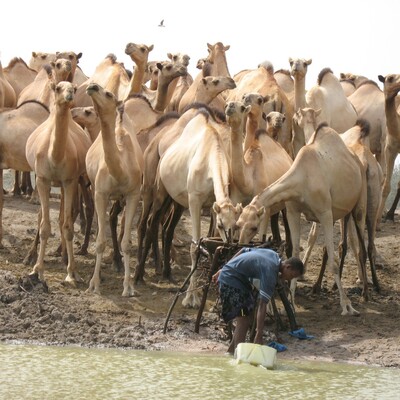
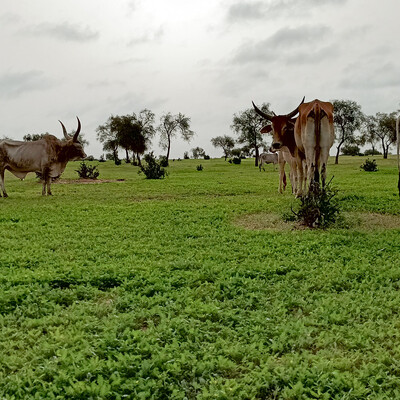
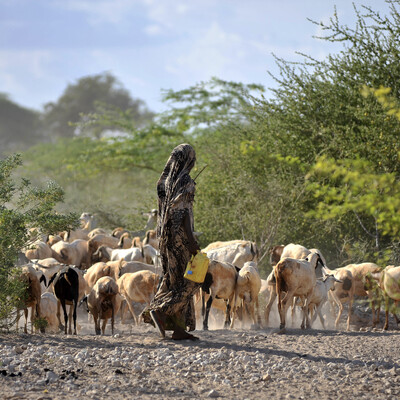
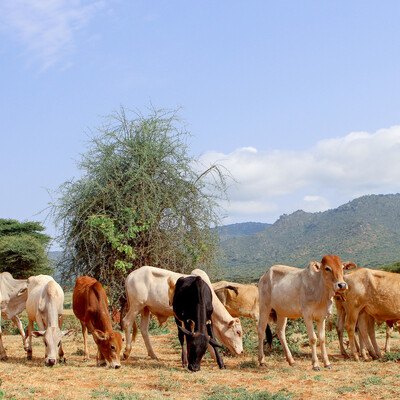
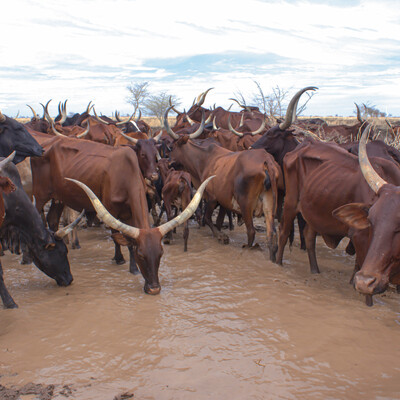
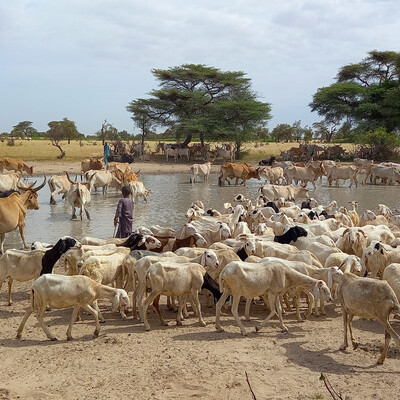
Livestock systems are integral to Africa’s food systems, shaping livelihoods, nutrition, and resilience across diverse geographies. From the drylands of the Sahel and Horn of Africa to mixed farming systems in humid zones, livestock underpins rural economies, providing income for millions of smallholders, contributing to trade, and delivering essential animal-source foods. Beyond nutrition, livestock plays a central role in resilience—acting as a buffer against shocks, a store of wealth, and a driver of adaptation in the face of climate change.
As Africa grapples with climate crises, livestock systems are increasingly recognized as both a challenge and a solution. They offer opportunities for low-emission development, climate adaptation, and biodiversity stewardship when managed sustainably. Policy recognition is growing: the African Union’s CAADP 2026–2035 Strategy places sustainable livestock at the center of efforts to strengthen resilience, nutrition, and market integration. Globally, the UN Food Systems Summit +4 and the upcoming International Year of Rangelands and Pastoralism underscore the importance of pastoralists and livestock keepers as custodians of food security and ecosystems.
For the first time, the 2025 African Food Systems Forum recognises the critical role livestock systems play through the commitment of programming through the week around livestock, particularly in pastoralist systems in West Africa. A number of events are on tap for the week both from ILRI and its partners.