Ethiopia’s chicken frying stalls provide youth employment and improve poultry consumption
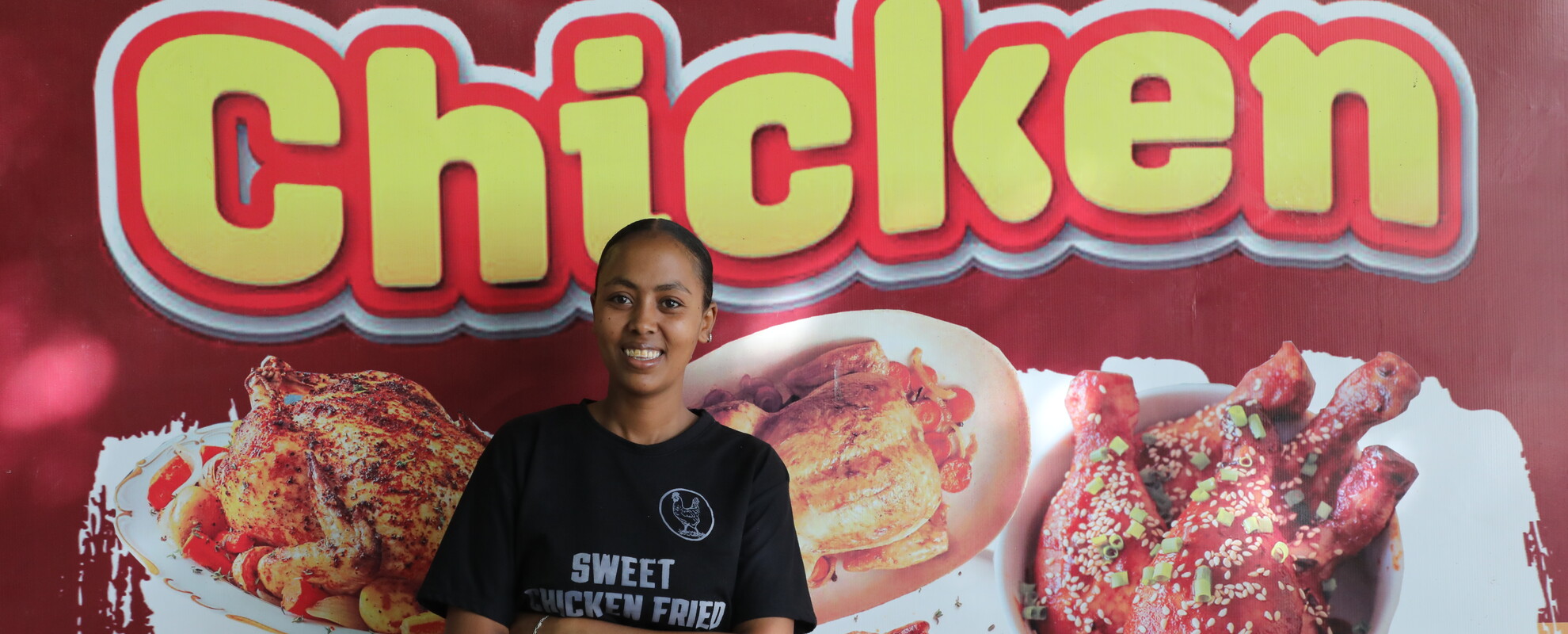
In Adama, a city just an hour from Ethiopia’s capital Addis Ababa, Ibso Kemal and Eden Samuel sell fried chicken in their street stalls. The two vendors are part of a new initiative to reduce youth unemployment and increase meat consumption.
These chicken frying businesses, established through the support of the International Livestock Research Institute’s Tropical Poultry Genetics Solutions (TPGS) project in partnership with the Ministry of Labour and Skills (MOLS), are also boosting the local economy, culinary culture and entrepreneurship. So far, 43 previously unemployed youth—like Kemal and Samuel—are successfully running stalls in three Ethiopian cities: Addis Ababa, Adama and Hawassa.
According to Sime (2022), Ethiopia has one of the world’s lowest per capita poultry and poultry product consumption rates, with overall animal-source food consumption also remaining very low compared to regional and global averages.
Changing the culinary culture
Street food is cheap, convenient and tasty, and can significantly improve energy and protein intake. This is especially important in low- and middle-income countries like Ethiopia, where underconsumption of animal-source foods and malnutrition are significant issues.
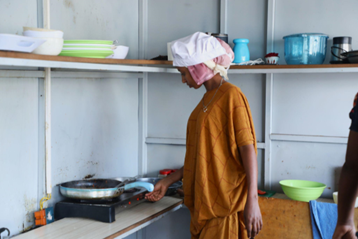
The stalls have contributed to increased consumption of chicken, which is a good source of lean protein and essential nutrients, and thus positively impact public health. By increasing demand for poultry from farmers and other supplies from local markets, these businesses have also stimulated growth in the agricultural sector and contribute to the strengthening of local supply chains.
Developing entrepreneurship and food safety skills
Through the partnership with MOLS, 43 youth (25 women and 18 men) from the three cities were offered theoretical and practical training for 11 days. From August 2 to 12, 2023, the training, titled ‘Developing entrepreneurial skills for training chicken meat frying businesses', taught participants:
- Soft skills for business success, including creative thinking, self-assessment for business readiness, validation and testing of business feasibility, and information seeking.
- Business expansion options;
- Basic components of a business plan; and
- How to start, run and manage a new business.
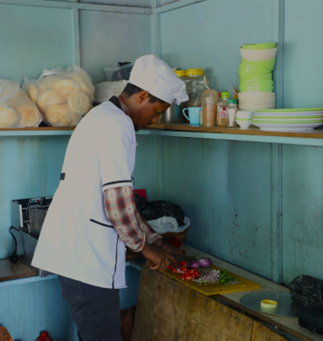
The training, held in Addis Ababa, Ethiopia, also covered an overview of broiler production and practical cooking demonstrations. Another key focus was food safety, including proper food storage, preventing cross-contamination, and the importance of regular equipment and workstation sanitation. By adhering to these practices, participants build credibility while contributing to a healthier community and raising overall standards in food preparation and handling.
To promote the chicken frying businesses in the cities, ILRI donated 10 gas and 10 electric stoves to MOLS to be used in the stalls.
Adapting to new markets
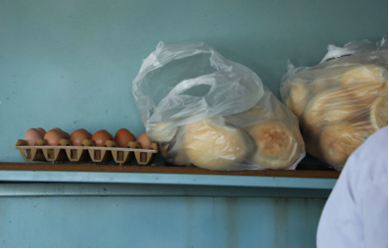
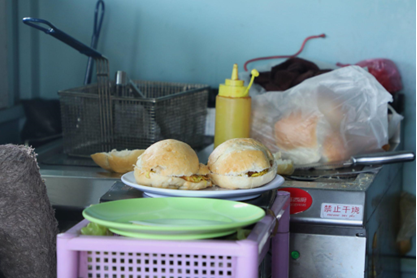
Street food businesses are usually agile and can quickly adapt to changing market trends and consumer preferences. Using the skills acquired in their training, the youth can experiment with new flavours, cooking techniques and menu items to stay competitive and relevant. In addition to the fried chicken, the youth serve egg sandwiches, local breakfast dishes, french-fries, and coffee.
Belete Balla, the head of the Enterprise Promotion Desk at MOLS, says expansion plans for the project are already underway:
‘Through partnerships, we plan to expand this model and make chicken meat available in more than 30 towns around the country.’
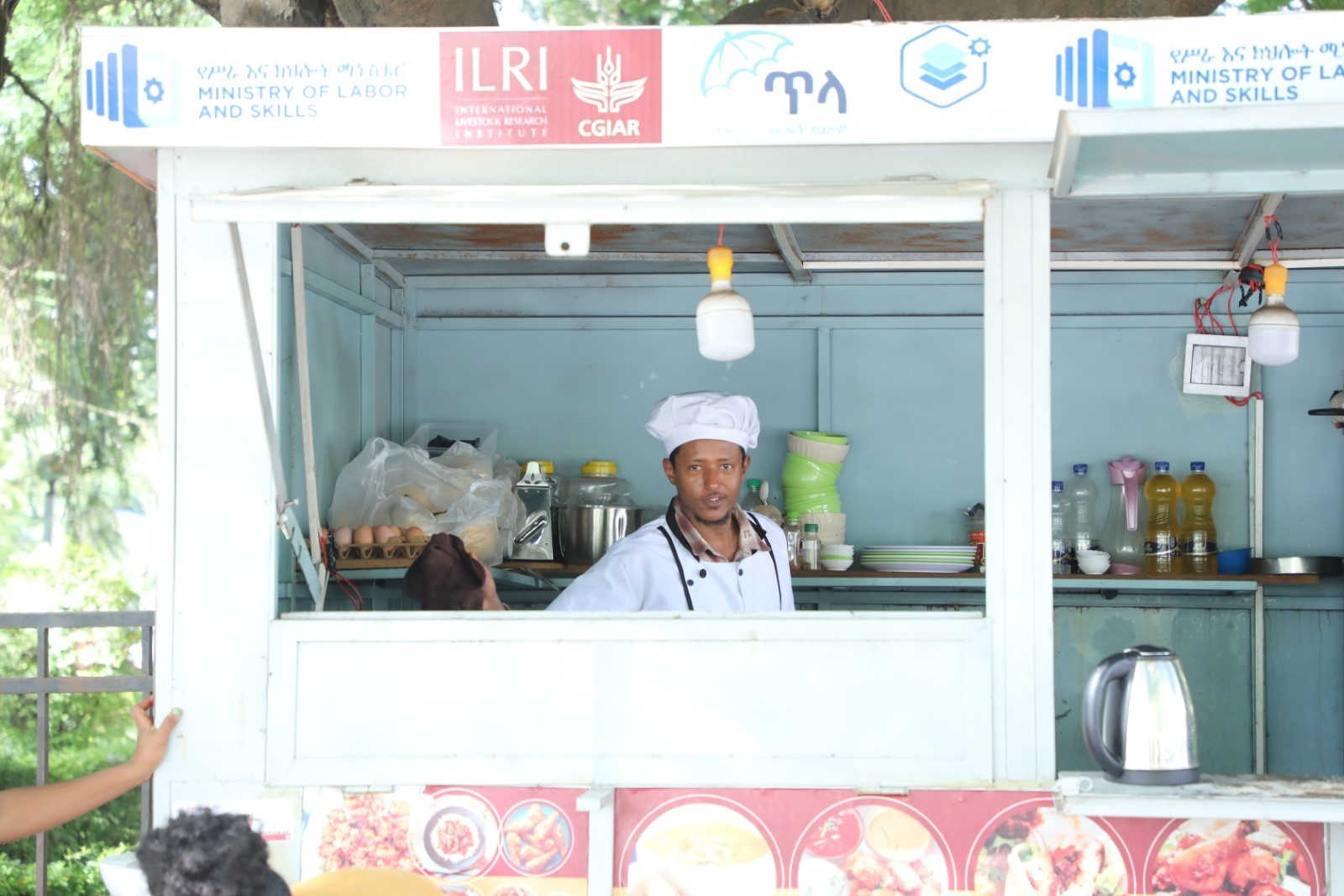
‘The chicken frying stalls are more than food businesses,’ says Kumlachew Geremew, a researcher for ILRI leading this project, ‘They represent a unique model for livelihood creation, nutrition and youth engagement. With the support of government partners, young people are gaining access to resources and training as well as gaining the confidence they need to build sustainable enterprises.’
‘This business has had a major impact on my life. I’m supporting my family and looking to open more branches and help other young people get an income,’ says Ibso Kemal, one of five youth running frying stalls in Adama.
MOLS, through its local enterprise support bureaus, sees the model as a promising approach that integrates employment, poultry development and improved nutrition.
‘In addition to the dignified livelihoods this initiative creates for youth, we’re encouraged by the nutrition benefits for the community. We’re working to integrate this model into national policy and scale it out as a franchise,’ explains Getachew, Adama’s Enterprise Expansion Bureau lead.
From training youth in business and food safety to linking them to access to finance and poultry farms, the model is strengthening an entire ecosystem. By backing young people with real tools and partnerships, this initiative is showing what is possible when innovation meets need.
Acknowledgment
This work was supported, in part, by the Gates Foundation INV_042538. The conclusions and opinions expressed in this work are those of the author(s) alone and shall not be attributed to the Foundation. Under the grant conditions of the Foundation, a Creative Commons Attribution 4.0 License has already been assigned to the Author Accepted Manuscript version that might arise from this submission. Please note works submitted as a preprint have not undergone a peer review process.
Related Publications
Prevalence, quantification, and household-level risk factors associated with Salmonella spp. infection in chickens in Boussouma commune, Burkina Faso