Could familiar shrubs help Kenyan dairy farmers produce more milk, cut costs and reduce methane emissions?
Kenya's smallholder dairy farmers face a difficult balancing act. They must produce enough affordable milk to meet growing demand. They have to keep cows fed through longer dry seasons and absorb rising feed costs. They are also expected to reduce the climate footprint of their herds. New research suggests that part of the solution may already be growing on their farms.
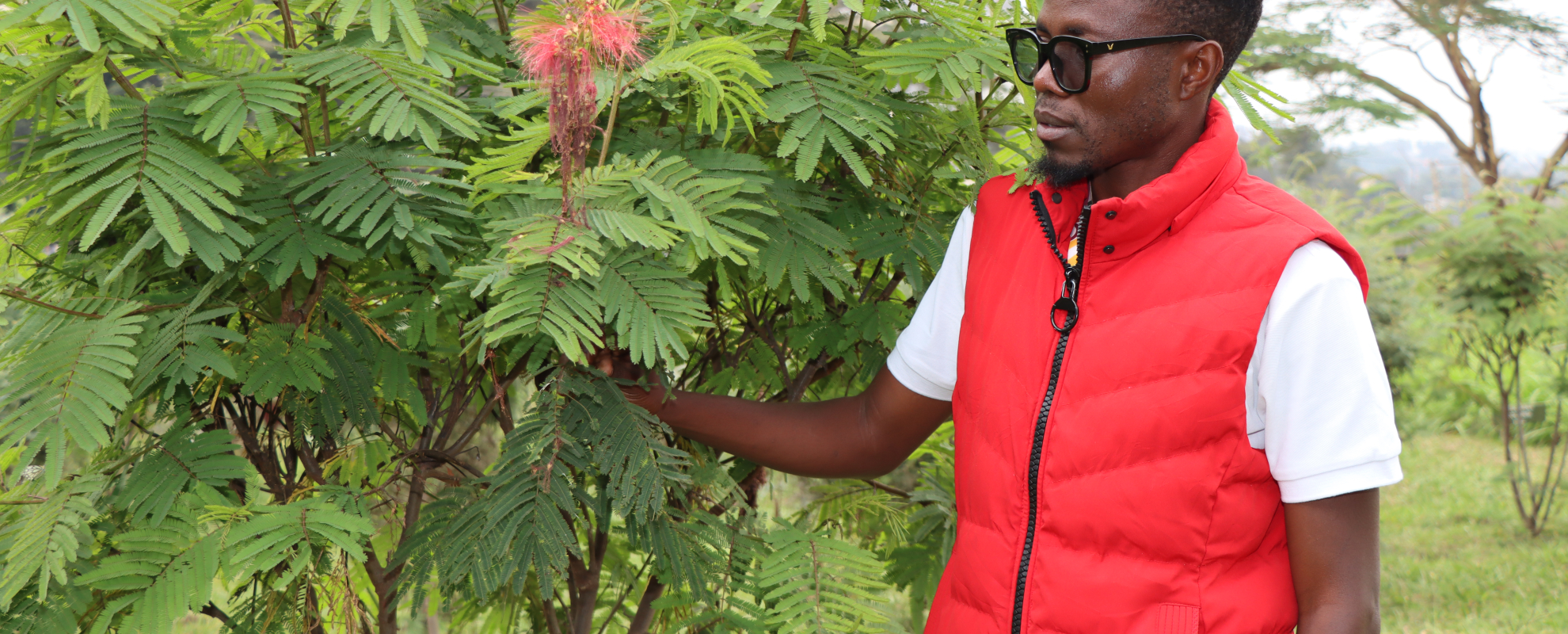
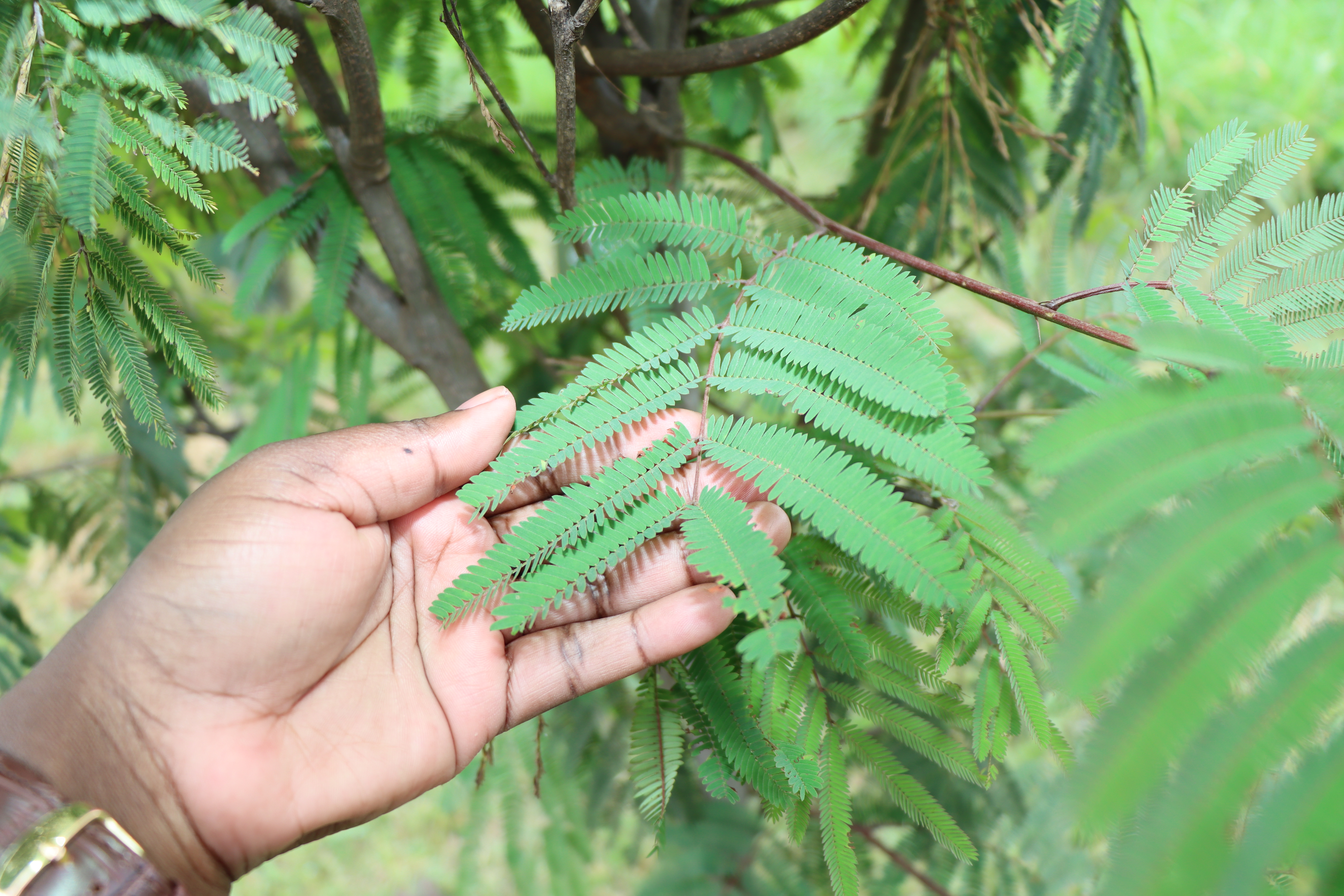
Scientists from the International Livestock Research Institute’s (ILRI) Mazingira Centre and partner organizations tested how common fodder shrubs can affect methane when added to a typical Kenyan dairy cow’s diet. Two shrubs stood out as promising candidates for reducing methane emissions: Calliandra calothyrsus and Leucaena leucocephala. The results come from laboratory (in vitro) studies that simulate digestion in a cow’s stomach and now need to be confirmed in feeding trials with live animals. While this approach is widely used to screen promising feeds before animal testing, it cannot fully capture the complexity of digestion, feed intake, and milk production in live cattle.
Cattle and other ruminants produce methane as a natural by-product of digestion. As microbes break down fibrous feeds in the rumen, they produce methane, which is released mainly through belching. Methane is a potent greenhouse gas. It is also wasted energy that could otherwise go into milk production.
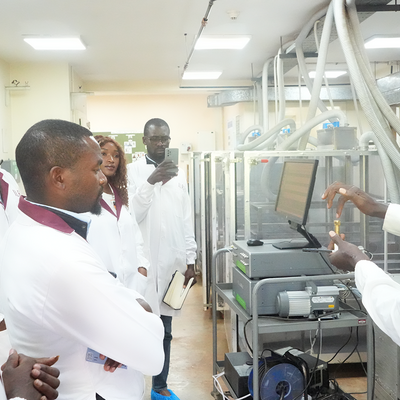
The research conducted at the Mazingira lab evaluated the effects of incorporating different shrubs and forages into a typical Kenyan dairy ration. The team replaced about 12 percent of the standard diet, on a dry matter basis, with different fodder species. Calliandra and Leucaena delivered the most promising results. They reduced methane by approximately 10–13 percent per unit of feed, and they did not reduce how well the feed was digested or how much energy it was estimated to provide.
Tannins are likely to be the reason, at least in part, behind these beneficial effects. Previous research suggests that moderate concentrations of tannins can hold back the microbes that produce methane without stopping the animal from absorbing nutrients. Unlike plants with very high tannin levels, Calliandra and Leucaena appear to strike a balance, reducing methane without compromising nutrient availability.
"These results are an important first step, but they now need to be validated in live animals under practical feeding conditions before recommendations can be made to farmers," said Dr. Edward H. Cabezas Garcia, who led the study. "The goal is to identify feeding strategies that help farmers produce more milk with a smaller environmental footprint, using resources that are already available locally."
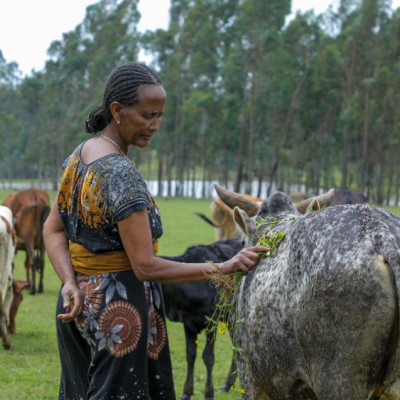
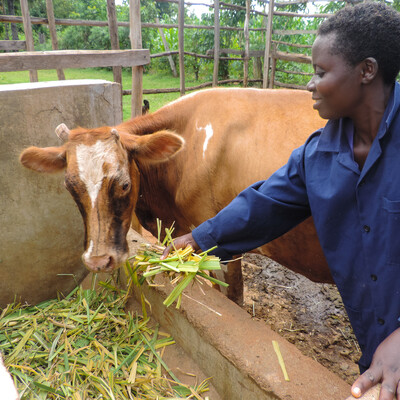
The findings are particularly relevant for Kenya's smallholder dairy sector, where feed shortages remain one of the biggest barriers to productivity. During the dry season, many farmers rely heavily on roughages (coarse plant feeds that contain more than 18% crude fiber and less total digestible nutrients) such as Napier grass, maize stover, crop residues and natural pastures. These feeds give less milk and produce more methane per liter of milk.
Adding carefully managed amounts of shrub leaves to these diets could lead to multiple benefits. Raising better feed potentially means more milk from the same animal and less methane per liter of milk. It could also mean farmers rely less on expensive commercial concentrates, helping to lower production costs.
"Many smallholder farmers are already familiar with these shrubs because they have long been used as livestock fodder and for soil conservation," noted Dr. Cabezas Garcia. "What this research shows is that integrating them as targeted ‘methane-smart’ feeds represents an enhancement of existing systems rather than the introduction of entirely new technologies.”
That familiarity matters. Beyond their role as livestock feed, these shrubs offer a range of additional advantages for farming households. Calliandra and Leucaena can grow along farm boundaries, on terraces or in dedicated fodder banks, so they take little land away from crops. They produce valuable green biomass during dry periods when other feed resources are scarce.
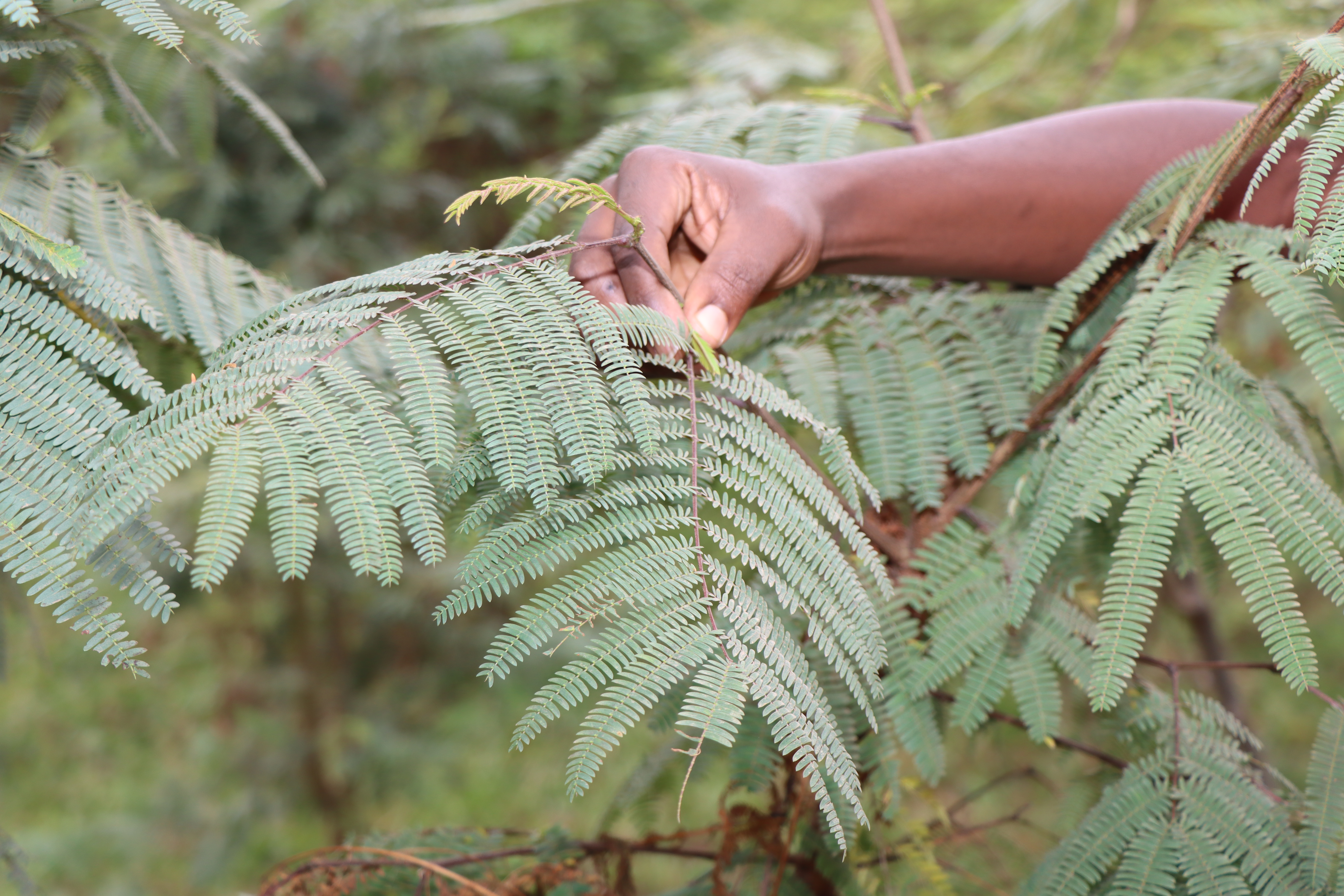
As legumes, they also fix nitrogen from the atmosphere, improving soil fertility and supporting healthier cropping systems. Their leaves and prunings make good mulch (a layer of organic material spread over soil to retain moisture, suppress weeds, and regulate soil temperature) while woody stems provide fuelwood. When rain is unpredictable, a single plant that does several jobs is worth a lot to a farming household.
Still, a promising lab result does not yet mean change on farms. Feeding trials with live animals (in vivo studies) are planned as the next step. They will test whether the methane reductions observed in the lab mean lower emissions on farms, with milk yields holding steady or rising.
If the trials confirm the results, the next challenge will be to get shrubs onto farms at scale. Farmers will require reliable access to quality seed and seedlings, along with practical guidance on establishment, pruning and appropriate feeding rates. Labor-saving approaches to shrub management could also encourage adoption, particularly for households with limited resources.
Climate solutions for livestock are often pictured as costly new technologies. This research points elsewhere, to plants farmers already know and could use more deliberately. In a changing climate, these versatile shrubs may prove to be small plants with an outsized impact on the future of sustainable dairy farming.
Link to relevant sources
Link to the paper in JDS Communications (Elsevier)
https://www.jdscommun.org/article/S2666-9102(26)00102-X/fulltext
Acknowledgements
This work was made possible by the Programme for Climate-Smart Livestock (BMZ/GIZ, Germany), the Habitat–GCBC programme (UK Defra, DAI Global, and Royal Botanic Gardens Kew), the CGIAR Science Programs on Sustainable Animal and Aquatic Foods and Climate Action — supported by the CGIAR Trust Fund, the New Zealand Government via the Global Research Alliance on Agricultural Greenhouse Gases, and the "Low Methane Forages" project (Bill & Melinda Gates Foundation and Bezos Earth Fund). The views expressed here are our own and do not necessarily reflect the policies of the funders.